Self-service rescheduling sounds simple until the front desk has to clean up the details. A client wants to move a booking, but the requested provider is unavailable. A deposit rule applies. The appointment requires preparation. The client is inside the late-cancellation window. Another client wants the same peak slot. If the system only gives a calendar link, staff may still spend the afternoon untangling the change.
An AI receptionist can make self-service rescheduling more useful because it behaves like a guided front-desk conversation, not just a date picker. It can ask why the client needs to move, collect preferred time windows, explain approved options, and escalate when a policy or relationship issue needs human judgment.
For Solvea, the product angle is the phone and front-desk workflow. Many clients still call when they need to change an appointment, especially when the appointment is close, important, or confusing. Solvea can answer that call, follow the business's rescheduling rules, and leave staff with a clean calendar state or a focused exception instead of another voicemail.
Fast answer for front desk teams
| Question | Practical answer |
|---|---|
| Best fit | Routine appointments that can move within clear availability, provider, and policy rules. |
| Not a fit | Refund disputes, late policy exceptions, complex prep requirements, VIP cases, or multi-service appointments needing judgment. |
| Required guardrail | Every reschedule must write back to the calendar source of truth or create a staff-review task. |
| Solvea role | Guide the client by phone, collect preferences, offer approved options, and escalate unclear cases with transcript context. |
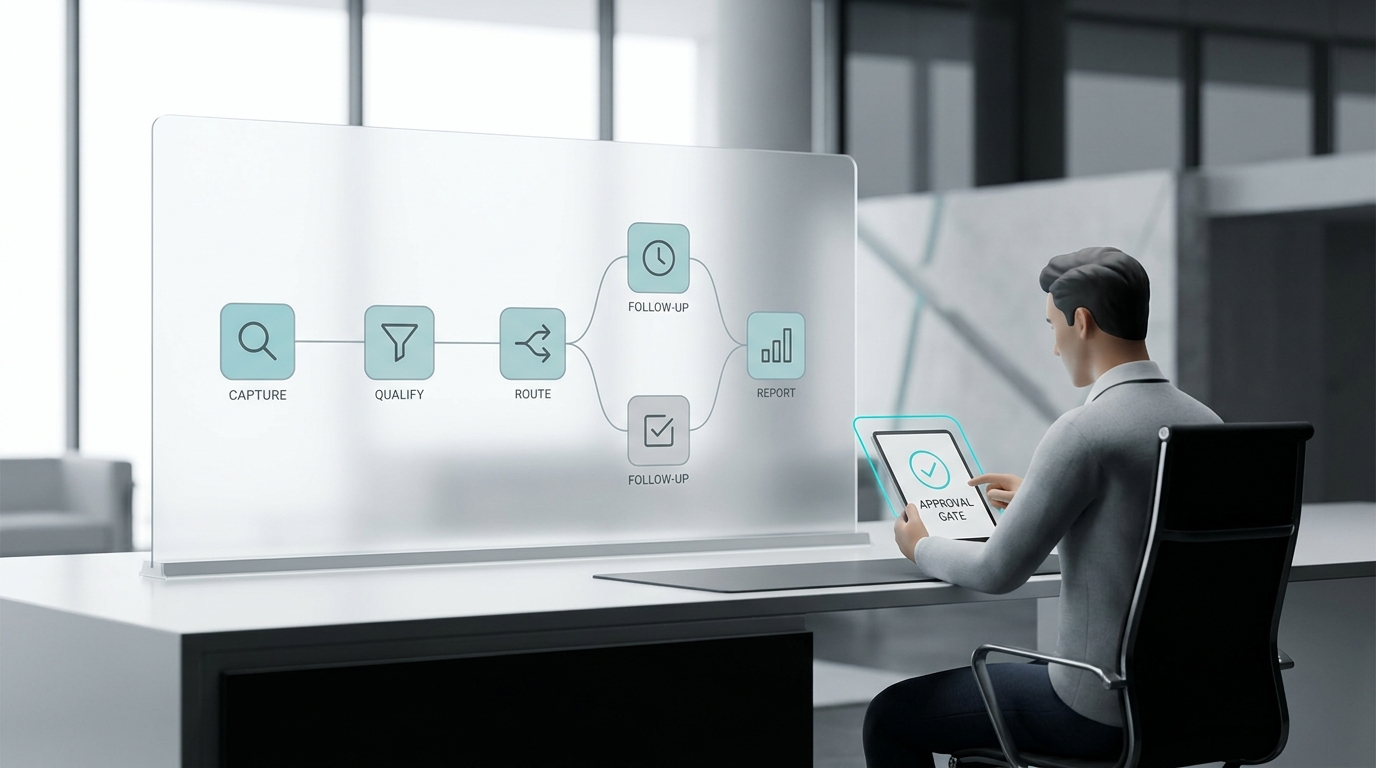
The point is not to remove staff from every schedule change. The point is to stop staff from doing repetitive coordination when the business already knows what the right options are. A good self-service workflow lets clients move quickly while protecting the calendar from messy exceptions.
Start with what clients are really trying to do
Clients use the word reschedule for several different needs. Some want the next available time. Some need the same provider on a different day. Some are running late and want to keep the appointment if possible. Some want to cancel but choose softer language. Some are worried about a fee and want to negotiate. These are different workflows, even if they all begin with 'I need to move my appointment.'
The first job of an AI receptionist is to classify the request without making the caller feel interrogated. A simple opening works: 'I can help you look at rescheduling options. Are you trying to move today's appointment, choose a later date, or ask the team to review something specific?' That one question separates routine moves from urgent or policy-sensitive cases.
Once the intent is clear, the system can choose the right path. Routine moves can proceed to approved availability. Late changes can trigger a policy explanation. Unclear cases can collect the client's reason and preferred callback window. Staff do not need to enter the conversation until judgment is required.
Define who can reschedule without staff review
Self-service should start narrow. Choose appointment types that are simple, repeatable, and low-risk. A basic consultation, routine service, or short follow-up may be safe to move automatically. A multi-hour procedure, deposit-backed visit, provider-specific treatment, or appointment with preparation requirements may need approval.
Create eligibility rules by service, provider, timing, client history, deposit status, and location. For example, a salon might allow simple haircut moves until 24 hours before the appointment, while color services require staff review. A medspa might allow consultation moves but require review for treatment appointments that involve pre-care instructions.
These rules should be visible to the AI receptionist. Solvea should not ask open-ended questions and then improvise. It should know which appointments can be changed, which slots can be offered, and when to hand off. That is what keeps self-service from turning into unsupervised calendar editing.
Use a reschedule window that matches the policy
The closer the appointment is, the more careful the workflow should become. A client moving an appointment three days out is usually a scheduling task. A client moving it two hours out may create a staffing, deposit, or no-show issue. Treating those cases the same is how self-service creates conflict.
Set a clear window: outside the window, clients can move through approved options; inside the window, the AI receptionist can collect the request and explain that staff may need to review it. The language should be helpful rather than punitive: 'Because this appointment is coming up soon, I can collect your preferred times and send the request to the team for review.'
The window can vary by appointment type. Routine appointments may allow same-day moves if the slot can be reused. High-value services may require earlier notice. Real estate showings, home-service visits, and provider-specific appointments may need route or staff confirmation before the change is final.
Collect preferences before showing availability
A weak rescheduling flow shows every open slot and asks the client to pick. That can overload the caller, expose protected inventory, and create provider mismatches. A better flow collects preferences first: best days, time windows, provider flexibility, urgency, location, and whether the client can accept a waitlist.
Phone-based AI can do this naturally. Instead of sending a long form, Solvea can ask one question at a time: 'Do mornings or afternoons work better?' 'Do you need the same provider?' 'Is this urgent, or are you flexible next week?' The answers narrow the options before availability is offered.
This is also where the business can protect peak slots. If the client is flexible, offer off-peak options first. If the client has a genuine constraint, collect it and use the appropriate rule. The client experiences a helpful conversation, while the business avoids giving away scarce inventory by default.
Keep the calendar source of truth clean
Self-service rescheduling fails when the change lives in a note, voicemail, or side conversation instead of the calendar. Staff should not have to reconcile three systems before knowing whether a client is coming. Every completed reschedule needs to update the source-of-truth calendar, and every incomplete reschedule needs a clear staff-review task.
The handoff should include the original appointment, requested new windows, policy status, provider preference, client reason, and whether the client accepted any alternative. Without those fields, staff have to call back and repeat the same questions, which defeats the purpose of self-service.
For businesses using multiple calendars or locations, do not let the AI receptionist invent availability. It should use approved rules and integration paths. If it cannot confirm availability, it should collect preferences and send the case to staff rather than promising a time that may not exist.
Use Solvea for phone-based rescheduling
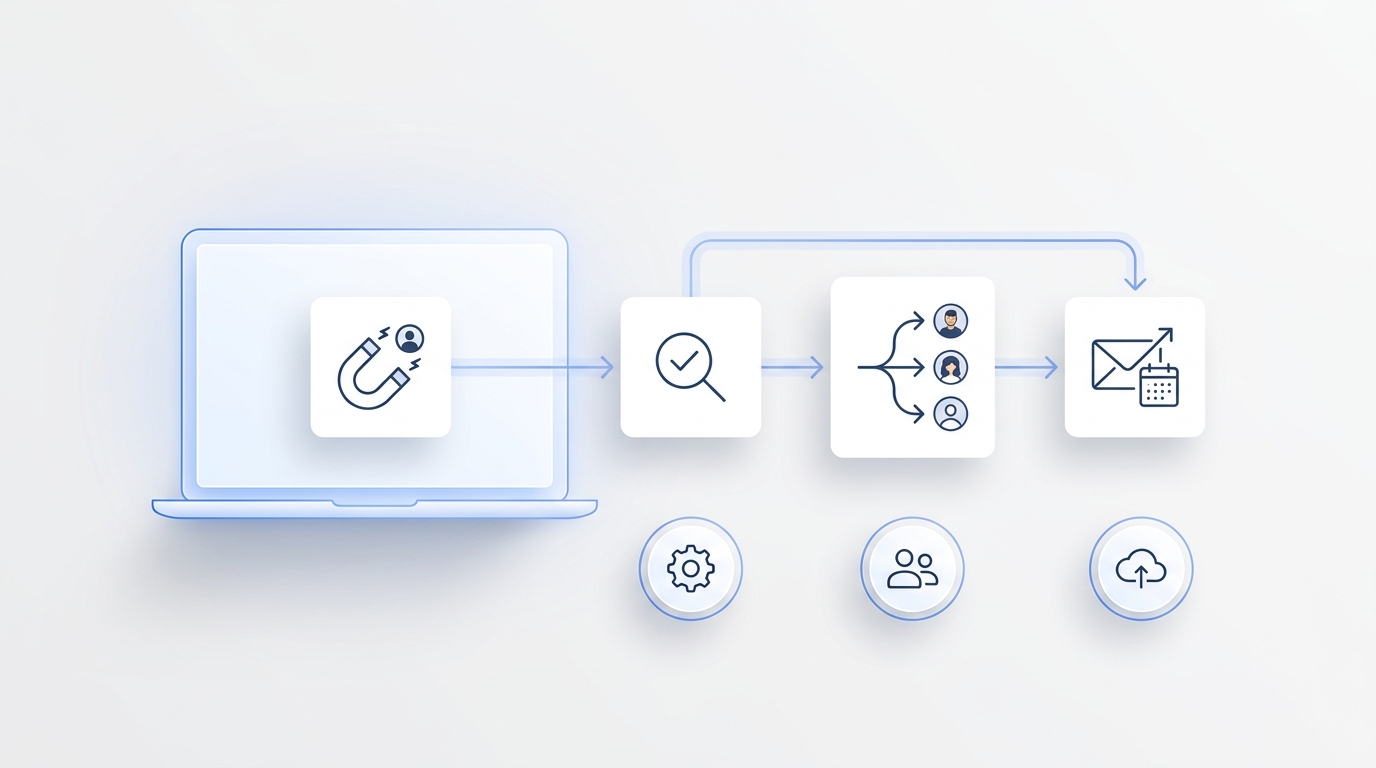
The most practical Solvea workflow starts when a client calls to move an appointment. Solvea answers, identifies the existing booking, asks what the client wants to change, checks whether the appointment is eligible for self-service, and either offers approved options or creates a staff-review handoff. The caller gets a response immediately instead of waiting for a callback.
This is especially useful after hours and during front-desk rushes. Clients often remember schedule conflicts at night, during lunch, or while traveling. If nobody answers, they may leave incomplete details or fail to reschedule at all. A guided AI conversation captures enough information for the next step.
The workflow should also confirm the result clearly. If the change is completed, the client should hear the new date, time, provider or location, and any preparation details. If staff review is required, the client should know that the request is not final yet and when the team will respond.
Escalate the cases that need human judgment
Escalation rules keep automation safe. Send cases to staff when the client is inside the late-change window, asks about a fee, requests an exception, mentions illness or emergency, changes a complex service, needs a specific provider, is upset, or has rescheduled repeatedly. These are relationship and policy decisions, not just calendar edits.
The AI receptionist should not simply say 'someone will call you.' It should collect the context staff need: why the client wants to move, what times work, whether the original appointment is still possible, and whether the client understands the policy. That turns a vague interruption into a queue item staff can resolve quickly.
Staff should review escalations during the first few weeks and refine the rules. If too many routine moves are escalated, loosen the eligibility rules. If staff keep reversing automated changes, tighten the calendar rules. A self-service system should improve with real call patterns.
Measure whether self-service is actually helping
Do not measure success only by the number of completed reschedules. Track front-desk callbacks avoided, unresolved requests, staff overrides, no-show changes, late-cancellation disputes, peak-slot leakage, and client confusion. These metrics show whether the workflow is saving time or just moving work to a different place.
Transcripts are also useful. Look for phrases where clients hesitate, ask for a human, misunderstand whether the change is final, or reject the offered times. Those moments usually point to a rule, script, or calendar visibility problem. Fixing them makes the next round of self-service more reliable.
The first rollout should be conservative. Let Solvea complete only the cleanest reschedules, such as routine appointments outside the policy window with open availability. Everything else can become a staff-review task with better context than a voicemail. After the team trusts the handoffs, expand the eligible appointment types one category at a time.
This staged rollout also helps clients. They learn that the AI receptionist can help immediately, but the business still protects sensitive cases. That combination is what makes self-service feel like a better front desk experience rather than a way to push clients away from staff.
Keep the confirmation language explicit. The AI should say whether the appointment has been moved, whether the request is pending review, and what the client should expect next. Many rescheduling problems come from unclear status, not from the calendar change itself. The same status should appear in the calendar note or staff queue so the team does not have to interpret the call from memory.
Your AI Receptionist, Live in Minutes.
Scale your front desk with an AI that never sleeps. Solvea handles unlimited multi-channel inquiries, books appointments into your calendar automatically, and ensures zero missed opportunities around the clock.
Frequently asked questions
What is self-service rescheduling?
Self-service rescheduling lets clients move an existing appointment through an approved workflow without waiting for staff to manually coordinate every option.
Can an AI receptionist reschedule appointments by phone?
Yes. An AI receptionist can ask for the client's preferred times, check approved rules, and either complete the reschedule or route the request to staff.
What appointments should not be self-service?
Complex services, deposit disputes, late policy exceptions, provider-sensitive visits, and high-value appointments should require staff review.
How does Solvea prevent calendar conflicts?
Solvea should work from approved availability rules, collect structured preferences, and update or hand off to the calendar source of truth instead of creating side notes.
What should staff monitor after launch?
Monitor unresolved reschedule requests, override rates, repeat movers, no-show changes, and transcripts where clients seemed confused by the options.