If your business still sends evening and weekend callers to voicemail, you probably do not have an after-hours process. You have a delay. For service-based SMBs, that delay is expensive because after-hours calls are often tied to bookings, estimates, urgent service requests, and next-day revenue.
That is why an after hours call answering service should be evaluated as an operating system for lead capture and follow-up, not just as a phone feature. The real job is to answer quickly, collect the right details, route urgency correctly, and preserve context so the team can act the next morning without starting from zero.
This playbook explains how small businesses should think about after-hours coverage, where traditional answering approaches still fall short, and how to build an after-hours workflow that actually protects revenue.
Ahrefs data pulled on July 16, 2026 supports the opportunity behind this topic. In the US, after hours call answering service currently shows 500 monthly search volume, KD 1, and a page-one SERP that includes multiple DR < 60 results. Related terms such as after hours answering service show 1200 volume and KD 1, which confirms that the pain is both real and commercially active.
Why after-hours calls matter more than teams assume
Many small businesses only count the calls they answer. The bigger problem is the demand that arrives when nobody is available.
That often happens:
- after the front desk closes
- during lunch breaks
- when staff are with customers
- while crews are on the road
- on weekends or holidays
For a service SMB, those calls are rarely random. They are often:
- appointment requests
- estimate or quote inquiries
- urgent support questions
- schedule changes
- repeat customers trying to reach someone quickly
Solvea's market research already shows this pain clearly. One HVAC owner cited missed Friday and Saturday calls as a recurring leak, and the target-audience materials repeatedly frame missed bookings and unavailable staff as a core buying trigger. That makes the after-hours topic a strong fit for Solvea's actual customer profile rather than a generic call-center keyword.
What an after-hours call answering service is supposed to do
The wrong way to evaluate an after hours call answering service is to ask, "Can it answer the phone?"
The better question is: "What happens next once the business cannot answer live?"
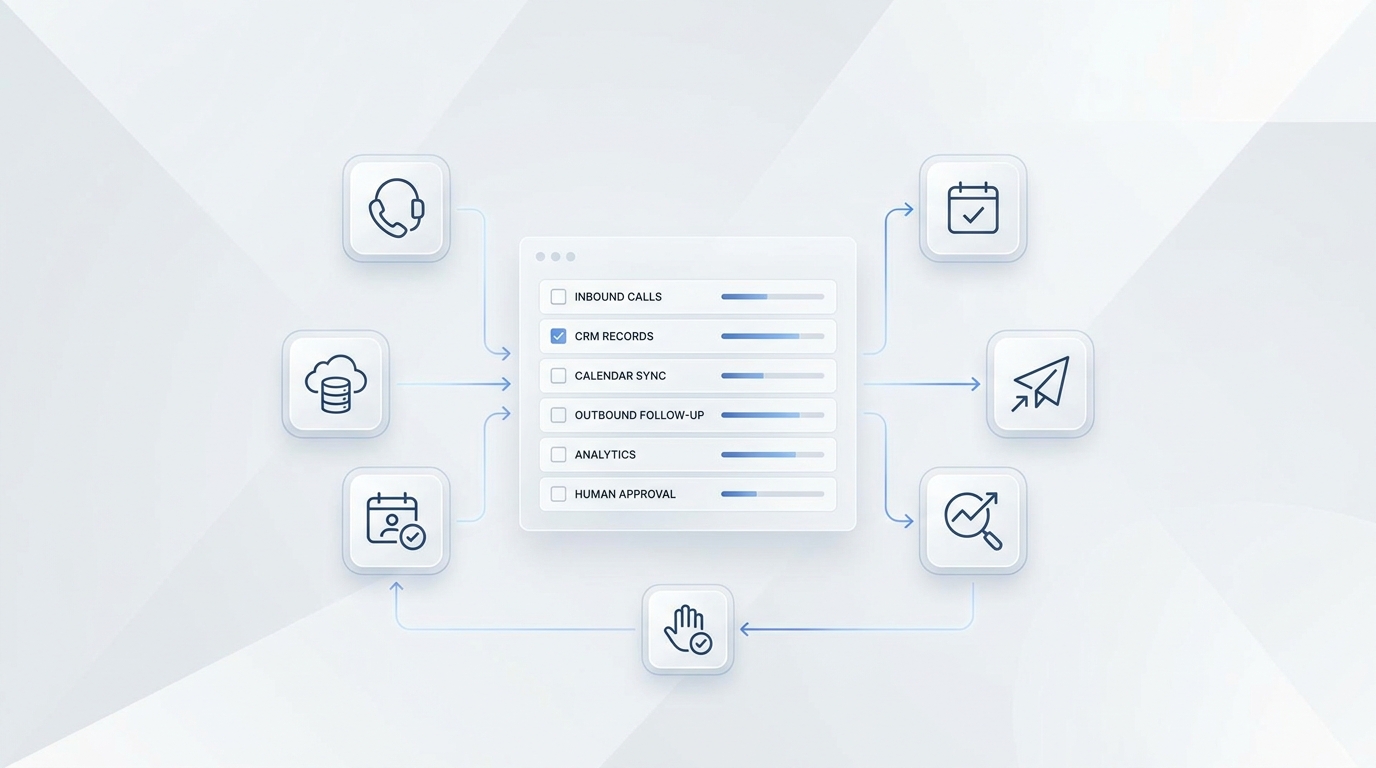
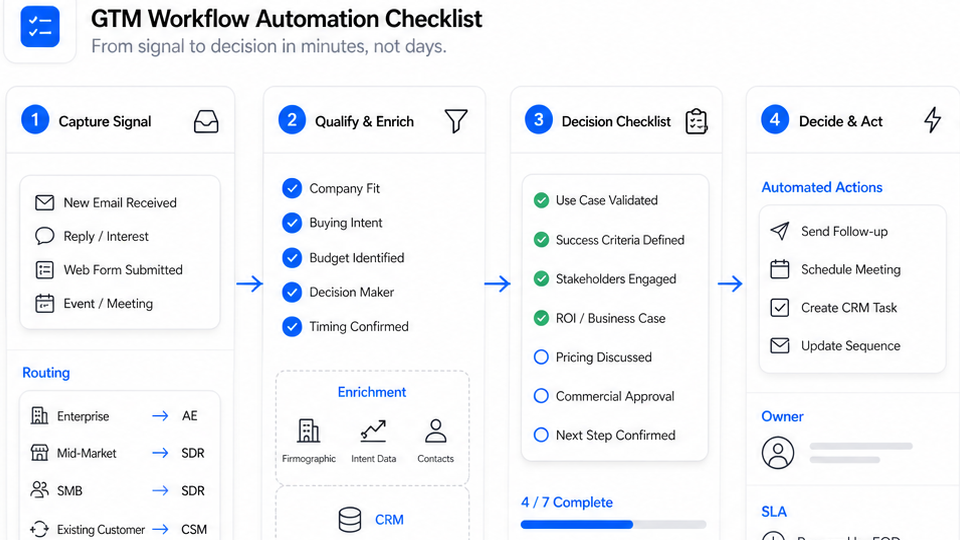
The system needs to do four jobs well:
| Job | What good looks like | Why it matters |
|---|---|---|
| Immediate response | the caller gets a useful answer instead of voicemail | keeps intent alive while the caller is still engaged |
| Structured intake | name, need, urgency, callback channel, timing, and context are captured clearly | gives staff something actionable the next morning |
| Correct routing | emergencies, booking requests, FAQs, and low-priority issues do not all follow the same path | protects customer experience and reduces bad handoffs |
| Shared follow-up context | summaries, transcripts, owners, and statuses stay with the business | prevents dropped leads when multiple teammates touch the case |
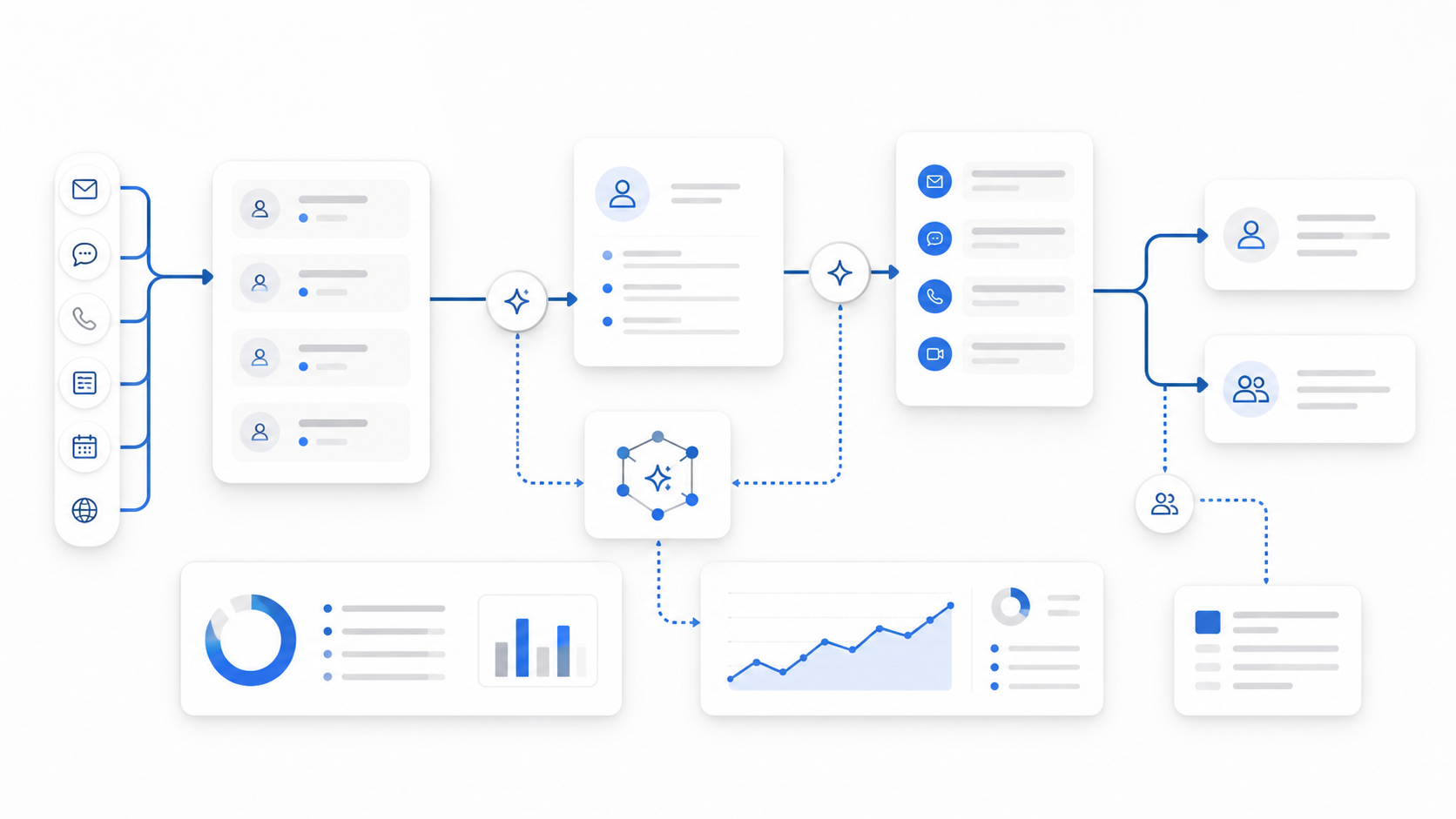
This is also where the category has changed. Traditional after-hours answering services were built around message taking. Newer AI-first workflows can handle intake, summarization, and routing with much better structure, especially when they connect to a broader inbox and scheduling workflow.
Why voicemail is still the default and why it fails
Many SMBs still treat voicemail as their after-hours plan because it is already there. But voicemail has three obvious limitations:
- It starts after the missed interaction instead of during it.
- It collects uneven, unstructured information.
- It leaves follow-up quality entirely dependent on what the next human sees and when they see it.
That is why voicemail is a weak substitute for an after hours call answering service when the business depends on fast response. If a medspa caller wants a consult, a law-firm prospect wants a callback, or a home-services lead needs help before morning, "leave us a message" often just means "try someone else."
Even voicemail transcription does not solve the main problem. It changes audio into text after the fact. It does not answer in the moment, qualify urgency, or keep the customer engaged while the business is unavailable.
The most common after-hours workflows SMBs need
Not every after-hours call should be treated the same way. The safest rollout starts by splitting call types.
For most service businesses, the common paths look like this:
| Call type | Example | Best after-hours action |
|---|---|---|
| New booking or consult request | "I want to schedule something for tomorrow" | capture service type, preferred time, and callback channel |
| Existing customer change | "I need to reschedule" | collect identifier and queue into next-day scheduling workflow |
| FAQ or simple info | hours, location, service area, basic policy | answer from approved knowledge base if low risk |
| Urgent service issue | emergency repair, time-sensitive matter, escalation | route by urgency rule, not by generic callback order |
| Exception-heavy or sensitive issue | legal nuance, billing conflict, medical concern, complaint | escalate to human review with summary attached |
The key is not to automate everything. It is to define what can be handled consistently after hours and what should remain human.
The SMB playbook for setting up after-hours coverage
The cleanest way to build an after hours call answering service is in phases.
Step 1: Start with one revenue-critical workflow
Do not begin with every possible call path. Start with the leak that costs the most.
For example:
- a salon or medspa may start with missed consult and booking calls
- a home-services team may start with estimate requests and job-type capture
- a law firm may start with intake screening and callback prioritization
- a restaurant may start with reservation and FAQ overflow
This narrow first scope gives the team a simpler test: did we recover more useful after-hours demand than voicemail did?
Step 2: Define the minimum useful intake
An after-hours workflow should collect enough detail to move work forward, not conduct a ten-minute interview.
For most SMBs, the minimum fields are:
- caller name
- callback number
- preferred channel
- reason for contact
- urgency
- preferred time or scheduling window
- any category-specific qualifier such as location, service type, or practice area
This is where an AI workflow starts to outperform a generic answering service. Instead of just taking a message, it can gather information in a structure the team can actually use.
Step 3: Separate urgency from ordinary demand
One of the biggest after-hours mistakes is treating every missed call the same way.
The system should distinguish between:
- urgent issues that need immediate escalation
- booking intent that can wait until morning if context is preserved
- routine FAQs that can be answered automatically
- low-priority follow-up that belongs in the regular queue
That separation matters because a strong after hours call answering service is not only about answering. It is about triage.
Step 4: Build a morning follow-up process, not just a night answer flow
After-hours coverage fails when the team hears the message but does not know what to do next.
Each interaction should hand the business:
- a short summary
- the captured intake fields
- a clear urgency or disposition label
- an owner or queue destination
- the recommended next step
Solvea's product positioning is especially relevant here because the platform is built around shared inbox visibility, summaries, transcripts, statuses, and owners across mobile and PC. That is a stronger operational fit than a voice-only system when multiple teammates may need to continue the conversation the next morning.
Step 5: Keep after-hours coverage connected to the rest of the customer journey
Many buyers make the mistake of solving the missed call but not the follow-up system behind it.
That is where cross-channel continuity matters. A caller may leave an after-hours phone request, then send a text, reply to an email, or use chat the next day. If the history is fragmented, the business still wastes time reconstructing context.
This is one reason Solvea's approved first-party story works well for this topic. The platform combines voice, SMS, email, WhatsApp, LINE, and live chat with one shared conversation workflow, which makes after-hours response more than a phone-only patch.
Where AI fits better than traditional after-hours answering
Traditional human answering services still make sense for some edge cases, especially when the business wants a live person for emotional or exception-heavy conversations. But many SMB after-hours jobs are repetitive enough that AI has a structural advantage.
AI tends to fit best when the workflow depends on:
- repeatable intake questions
- standard scheduling logic
- FAQ consistency
- immediate first response
- summaries and structured follow-up
- predictable routing rules
That is why the after-hours keyword cluster is not just about "coverage." It is about cost-effective response quality. Solvea's project knowledge repeatedly frames the business case as avoiding full-time receptionist cost while still keeping customer communication visible and actionable for the team.
Which businesses benefit most from after-hours coverage
The best-fit verticals are already named in Solvea's target-audience materials:
- Medical spas and wellness where consult bookings often happen outside staffed hours
- Restaurants and hospitality where reservation and guest questions arrive late
- Law firms where intake speed matters and missed leads are costly
- Barber shops and salons where staff are with clients and cannot always pick up
- Home services where field crews miss calls during jobs and evenings matter
- Real estate where inquiry timing and callback speed affect conversion
Across those segments, the pattern is the same: the business cannot afford enterprise complexity, but it also cannot afford passive after-hours coverage.
What to measure after launch
Once an after hours call answering service is live, measure it against business outcomes, not just phone activity.
Track:
- how many after-hours calls were answered
- how many produced usable intake
- how many became booked appointments, estimates, or qualified follow-ups
- how often urgent calls were routed correctly
- average next-day follow-up speed
- how often customers had to repeat themselves
If those numbers improve, the system is doing its job. If answer rate rises but follow-up quality stays messy, the business has improved coverage without improving workflow.
Common mistakes to avoid
Most after-hours rollouts fail for predictable reasons:
- using voicemail as the only backup
- trying to automate every edge case on day one
- failing to define emergency versus non-emergency handling
- collecting too little information for staff to act
- leaving ownership unclear the next morning
- treating phone coverage as separate from text, email, or chat follow-up
The right rollout is narrower and more practical. Start with one high-value use case. Make sure the handoff is useful. Then expand.
Why Solvea fits this search intent
For this topic, the strongest first-party fit is operational rather than abstract:
- AI-first inbound coverage for missed and after-hours calls
- shared team inbox and follow-up visibility
- support for voice, SMS, email, WhatsApp, LINE, and live chat
- summaries, transcripts, owners, and statuses that stay with the business
- no-code setup through the AI agent builder and knowledge base
- segment fit across medspas, salons, restaurants, law firms, home services, and real estate
That combination makes Solvea a good answer for SMB teams that need more than a phone tree and less than an enterprise contact-center project.
Final takeaway
An after hours call answering service should not be judged by whether it simply picks up the phone. It should be judged by whether it helps the business keep revenue-moving conversations alive when staff are unavailable.
For service-based SMBs, the best after-hours workflow answers quickly, captures structured intent, separates urgency correctly, and gives the morning team enough context to act fast. That is the real difference between passive message taking and a modern response system.
If your current after-hours plan is still voicemail, the most practical upgrade is not a nicer mailbox. It is a workflow that protects bookings, estimates, and customer trust while the business is closed. Keep every after-hours caller engaged with Solvea.
Your AI Receptionist, Live in Minutes.
Scale your front desk with an AI that never sleeps. Solvea handles unlimited multi-channel inquiries, books appointments into your calendar automatically, and ensures zero missed opportunities around the clock.
FAQ
What is an after-hours call answering service?
An after hours call answering service is a system that handles inbound calls when your team is unavailable, such as evenings, weekends, lunch breaks, or overflow periods. The best systems do more than take messages. They capture intent, route urgency, and preserve context for follow-up.
Is an after-hours call answering service only for emergency businesses?
No. Emergency routing is one use case, but many appointment-based and lead-driven SMBs use after-hours coverage to protect bookings, estimates, and next-day follow-up.
What should a small business capture after hours?
At minimum, capture name, callback number, reason for contact, urgency, preferred channel, and any workflow-specific details such as service type or preferred appointment time.
Is AI better than voicemail for after-hours calls?
In most revenue-sensitive workflows, yes. Voicemail stores a missed interaction after it happens. AI can answer during the missed-call moment, collect structured information, and help the team follow up with better context.