An AI receptionist for salons is useful when it can do more than answer "Are you open?" A real salon call often includes service choice, stylist preference, appointment length, deposit rules, rescheduling, cancellation windows, and questions about color, nails, lashes, or treatments before the client is ready to book.
That is where generic phone answering breaks down. If the assistant books a highlight into a haircut slot, forgets that a new color client needs a consultation, or explains the deposit policy differently from the front desk, the calendar looks full but the floor gets harder to run.
This guide gives salon owners and managers a practical operating playbook for an AI receptionist for salons: what calls it should handle, what it should ask before booking, how to explain deposits without overstepping, what service FAQs to load, and when to hand the client to a stylist or manager.
If you want a salon-ready starting point, Solvea's barber and salon AI receptionist page covers 24/7 call answering, appointment booking, service FAQs, Google Calendar and Sheets workflows, SMS confirmations and reminders, and human handoff for complex requests.
Quick Answer: What Should an AI Receptionist for Salons Handle?
An AI receptionist for salons should answer routine calls, collect booking details, explain approved salon policies, log client notes, and hand off anything that requires professional judgment.
| Call type | AI can usually handle | Staff should own |
|---|---|---|
| New appointment request | Service, preferred stylist, date, time, client name, phone, email, and booking note | Complex color correction, bridal parties, extensions, corrective work, or uncertain service length |
| Reschedule or cancellation | Find a new time, restate cancellation policy, update the calendar when the workflow supports it | Repeated late cancellations, waived fees, or unhappy clients |
| Deposit policy | Explain approved deposit rules, cancellation window, and next step | Exceptions, refunds, charge disputes, and card handling unless the approved payment stack supports it |
| Service FAQ | Hours, location, service descriptions, starting-price ranges, prep notes, aftercare, and appointment length when documented | Personalized beauty advice, diagnosis, contraindications, or service recommendations that need a stylist |
| Repeat visit | Prior stylist preference, usual service, timing preference, and client notes when approved | Formula decisions, major style changes, sensitive client history, or VIP treatment |
| Handoff | Summarize the call, tag the owner, and route the transcript or note | Final approval, emotional situations, complaints, and premium consultations |
The purpose is not to replace salon judgment. The purpose is to keep routine calls from interrupting chair time while giving staff clean, reviewable information when a client needs more care.
Why Salon Calls Are Harder Than Simple Appointment Calls
Salon booking looks simple from the outside: pick a service and choose a time. In practice, a two-minute call can change shape quickly.
A client may ask for "color" when they mean a root touch-up, all-over color, balayage, corrective color, toner, or a consultation. A haircut could be a quick trim, a major restyle, a child cut, a curly cut, or a service that only certain stylists offer. A nail appointment may include soak-off time, nail art, repair, or add-ons. A lash or brow service may require patch-test or prep instructions.
An AI receptionist for salons has to recognize those differences without pretending to be the stylist. The safest setup is a workflow that separates three jobs:
- Booking intake: gather service, stylist, timing, contact details, and constraints.
- Policy explanation: repeat approved rules for deposits, cancellation windows, late arrivals, prep, and aftercare.
- Professional handoff: route anything that depends on judgment, formula, health, complaint handling, or custom quoting.
When that split is clear, the AI can keep calls moving and staff can stay focused on clients in the chair.
Booking Workflow: The Fields the AI Should Capture
An AI receptionist for salons should collect enough information to book correctly or route the request to the right person. It should not force every call into the same appointment path.
Use this intake structure:
| Field | Why it matters | Example prompt |
|---|---|---|
| Client name and phone | Confirms who is booking and where reminders go | "Can I get your name and the best phone number for confirmation?" |
| New or returning client | Changes timing, consultation needs, and client-history lookup | "Have you visited us before?" |
| Desired service | Prevents vague "hair appointment" or "nails" bookings | "Which service are you looking for today?" |
| Service details | Helps separate simple, complex, and consult-first work | "For color, is this a root touch-up, highlights, balayage, or a correction?" |
| Preferred stylist | Handles loyalty and specialist routing | "Do you have a preferred stylist or are you open to anyone available?" |
| Timing preference | Offers useful calendar options | "Do mornings, afternoons, or evenings work best?" |
| Add-ons | Protects the schedule from underestimated appointment length | "Will you need a toner, soak-off, nail art, treatment, or blowout with that?" |
| First-visit notes | Flags anything staff should review before the appointment | "Is there anything the stylist should know before confirming the service?" |
| Deposit or policy acknowledgement | Reduces surprise at confirmation | "This service follows our approved deposit and cancellation policy. I can explain that before we confirm." |
This is where self-service rescheduling and appointment changes can help. A caller who only needs to move a blowout should not pull a stylist away from a client. A caller who wants a major color change should be routed with context.
Deposit and No-Show Policy Scripts
Deposit calls need careful language. An AI receptionist for salons can explain the salon's approved policy, capture acknowledgement, and send the next step. It should not improvise refund rules, negotiate exceptions, or collect sensitive payment details unless the salon's configured payment workflow is approved for that use.
Start by writing the exact policy in plain language:
| Policy element | What to define before launch | Safe AI behavior |
|---|---|---|
| Services requiring a deposit | Color correction, extensions, bridal, long appointments, first-time premium services | Explain which services require a deposit from approved rules |
| Deposit amount or method | Fixed amount, percentage, or staff-confirmed amount | State only the approved rule; if amount varies, route to staff |
| Cancellation window | Example: same-day, 24-hour, 48-hour, or service-specific window | Repeat the current rule and add it to confirmation |
| Late-arrival rule | Grace period and whether the service may be shortened or rescheduled | Explain the approved policy without promising exceptions |
| Refund or transfer rule | Whether deposits are refundable, transferable, or applied to the service | Route disputes and exceptions to a manager |
| Payment path | Booking link, payment link, in-person payment, or staff callback | Send the approved link or request staff follow-up; do not invent a payment process |
Use a script like this:
- "For that service, our approved policy requires [deposit rule] before the appointment is confirmed."
- "The cancellation window is [policy]. If you need to change the appointment, please contact us before that window."
- "I can send the approved booking or payment next step now, or I can ask the team to follow up if you have questions."
- "For refunds, exceptions, or card-specific questions, I will route you to the team."
That script makes the policy consistent while keeping sensitive or exception-heavy issues human.
Your AI Receptionist, Live in Minutes.
Scale your front desk with an AI that never sleeps. Solvea handles unlimited multi-channel inquiries, books appointments into your calendar automatically, and ensures zero missed opportunities around the clock.
Service FAQs to Load Before the First Call
The best AI receptionist for salons is only as accurate as the salon knowledge behind it. Uploading a service menu is not enough. The AI needs the same operational details that a front desk person uses when the salon is busy.
| Knowledge area | Examples to include | Handoff trigger |
|---|---|---|
| Service menu | Haircuts, blowouts, root touch-up, highlights, balayage, color correction, extensions, nails, lashes, brows, waxing | The caller cannot identify the service or asks for a custom recommendation |
| Appointment length | Typical duration, buffer time, consultation-first services, add-ons | The request may exceed normal timing or requires a specialist |
| Pricing language | Approved starting ranges or "team will confirm" language | Exact quote, custom quote, discount request, or package negotiation |
| Prep instructions | Arrive with clean dry hair, patch-test rules, soak-off notes, lash prep, brow prep | Medical, allergy, irritation, or sensitivity questions |
| Aftercare | Approved care tips, timing for washing, product suggestions if documented | Adverse reaction, damage concern, or complaint |
| Stylist specialties | Colorist, curly cut, extension certified, nail art, lash specialist | New client asks which stylist is best for a complex result |
| Policies | Deposits, cancellations, late arrivals, children, guests, pets, re-do windows | Refunds, exceptions, upset callers, VIP requests |
| Location and hours | Address, parking, entrance, holiday hours, accessibility notes | Weather closures or same-day exceptions |
Do not make the AI guess at beauty advice. A strong answer can be helpful and bounded:
"I can share the approved service menu and book a consultation. For a major color change or corrective color, the stylist should review your current hair and goals before confirming the exact service."
That is better than a confident but wrong recommendation.
Repeat Visits and Client Notes
Returning clients are where an AI receptionist for salons can feel more personal. If the salon's systems and policies allow it, the AI can use approved client context to reduce repetitive questions.
Useful repeat-visit notes include:
- Preferred stylist.
- Usual service.
- Typical appointment interval.
- Last booked service.
- Timing preference.
- Product or prep notes the salon has approved for reuse.
- Accessibility or communication preferences.
- "Ask stylist before confirming" flags.
Sensitive notes need stricter handling. Color formulas, health concerns, allergies, complaints, and personal details should be visible only where the salon has permission and a clear operational need. The AI should not read private details aloud unless the caller has been verified and the script is approved.
For repeat visits, use a restrained script:
"I see you usually book with [stylist] for [approved service]. Would you like me to look for a similar appointment, or are you changing the service this time?"
If the client says, "I want a completely different color," the AI should switch from direct booking to consultation or staff review.
Stylist and Manager Handoff Rules
Handoff is not a failure. In salons, handoff is often the premium experience. The AI should know when a stylist, manager, or owner needs to take over.
| Handoff scenario | Why it needs a person | What the AI should send |
|---|---|---|
| Color correction or major transformation | Service length, risk, price, and outcome depend on stylist review | Client goal, current hair description, photos requested if your process supports it, timing preference |
| Bridal or group booking | Multiple services, deposits, timing, and coordination | Date, group size, service mix, location, budget range if approved, callback |
| Extensions | Consultation, hair type, method, deposit, and maintenance details | Desired method, prior extensions, stylist preference, photos if approved |
| Complaint or re-do request | Requires empathy and policy judgment | Client name, appointment date, issue summary, preferred callback |
| Deposit exception or refund | Financial and policy exception | Booking details, policy question, urgency |
| VIP or regular client | Relationship management | Client identity, request, preferred stylist, context |
| Unclear service request | Avoids booking the wrong slot | Exact caller words, desired result, deadline, contact |
The handoff summary should be short, structured, and actionable. A stylist does not need a full transcript first. They need the call reason, client details, service requested, urgency, decision needed, and next step.
How Solvea Fits a Salon Front Desk Workflow
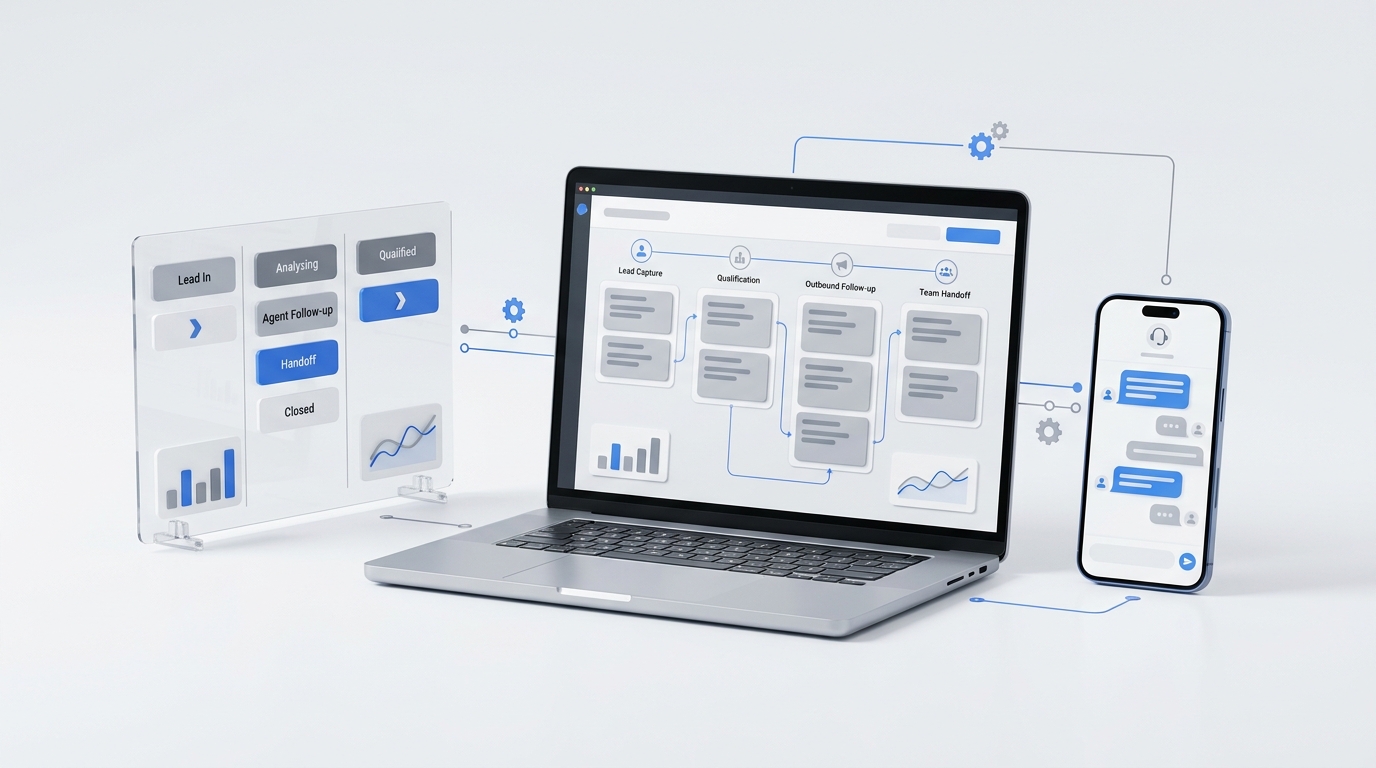
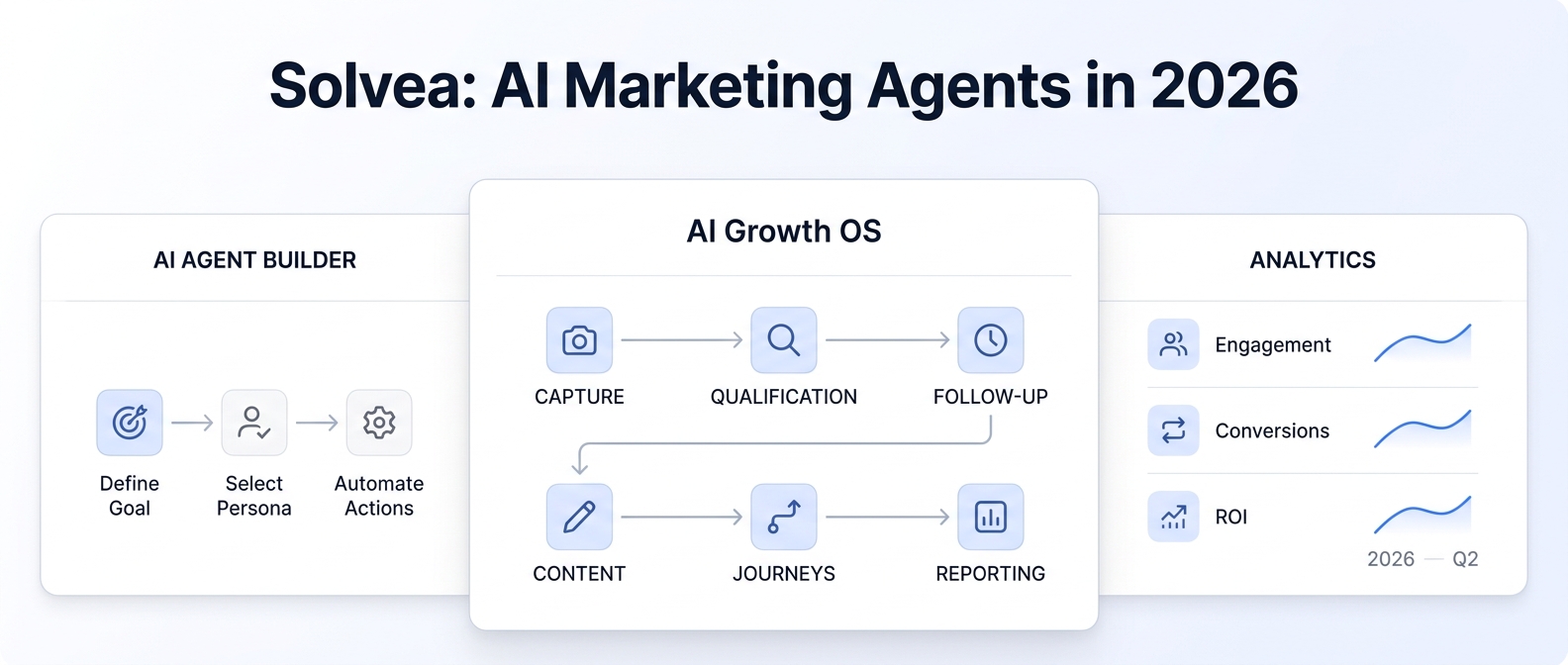
Solvea fits this workflow when a salon wants an AI receptionist that can answer phone calls, support multiple channels, use a knowledge base, and route conversations into a shared inbox.
Solvea's public materials support the core salon use cases used in this article:
- The homepage describes an AI receptionist for phone, SMS, email, WhatsApp, and live chat.
- The salon/barber solution page describes 24/7 answering, appointment booking, service questions, SMS confirmations and reminders, Google Calendar and Sheets sync, and human handoff.
- The Google Tool documentation describes Google Calendar actions for creating, updating, deleting, and checking availability for events, plus Google Sheets actions for reading, writing, and storing booking records.
- The docs describe no-code setup with templates for service and appointment workflows.
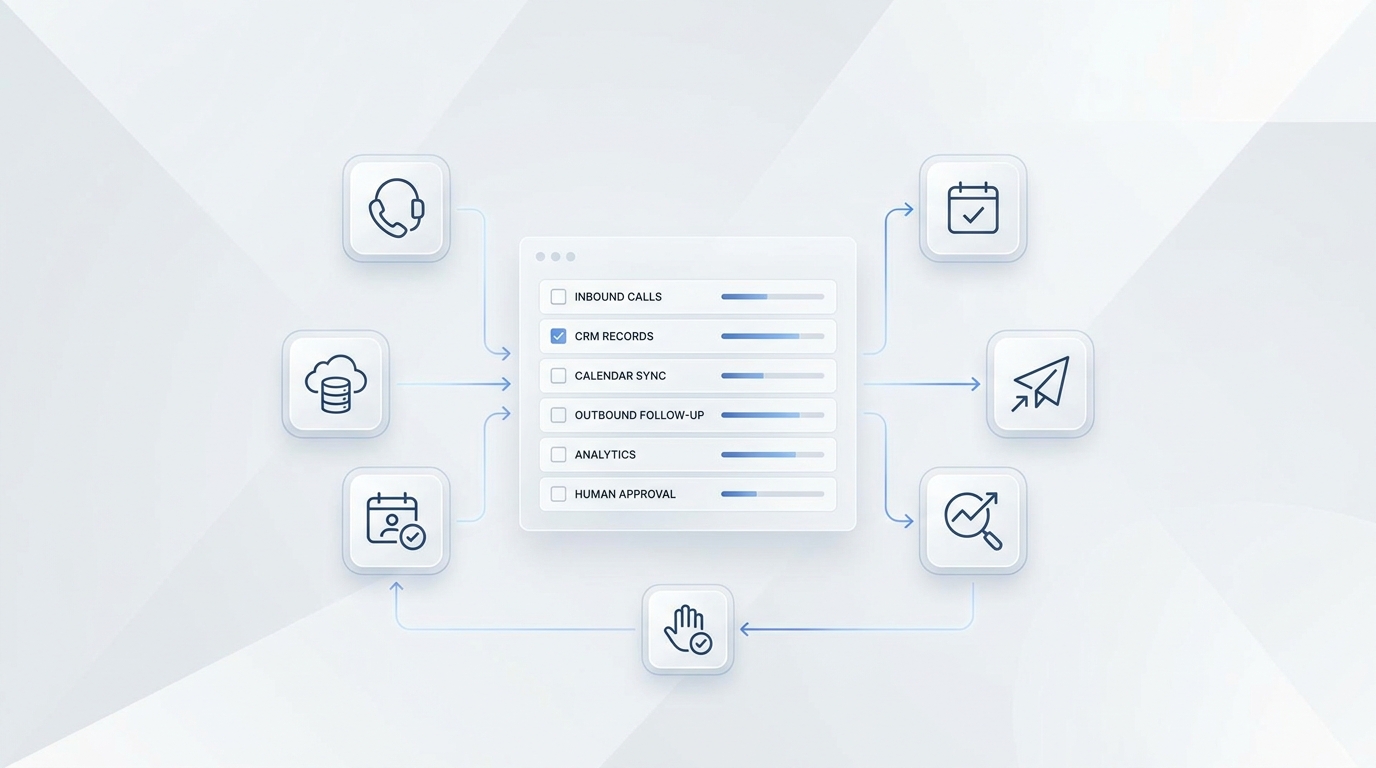
That combination matters for salon operations. A booking call may become a calendar event. A deposit-policy question may become a staff follow-up row. A service FAQ may reveal a missing menu detail. A complaint may need an inbox handoff.
If you compare an AI receptionist vs a human receptionist, the practical answer for salons is usually a hybrid: let the AI cover repeatable call volume, after-hours booking intent, reminders, and FAQs, while staff keep relationship-heavy and judgment-heavy moments.
A One-Week Pilot Plan
Before forwarding every call, test your AI receptionist for salons with real salon scenarios.
- Pull the last two weeks of missed calls, voicemail notes, booking questions, and front-desk interruptions.
- Group them by booking, rescheduling, deposit, service FAQ, repeat client, complaint, and premium consultation.
- Mark each call type as AI-answer, AI-book, AI-log, or human-handoff.
- Load the approved service menu, durations, stylist specialties, deposit rules, cancellation window, location, hours, and prep notes.
- Test simple calls: haircut, blowout, manicure, lash refill, brow appointment, or root touch-up.
- Test complex calls: color correction, extensions, bridal party, refund request, unhappy client, or uncertain service.
- Check that the AI never invents prices, deposit exceptions, service recommendations, or stylist advice.
- Confirm that appointment details, policy acknowledgement, and client notes are logged cleanly.
- Review the first live day of call summaries before expanding coverage.
- Add missing FAQs and tighten handoff rules after every test batch.
Pair this with appointment reconfirmation so the same system that books the appointment can also help reduce forgotten visits through approved reminders.
Buyer Checklist: Choosing the Best AI Receptionist for Salons
When evaluating tools, do not stop at "Can it answer the phone?" Ask whether it can handle salon-specific calls without creating operational cleanup.
| Question | Why it matters |
|---|---|
| Can it answer real phone calls, not just chat? | Many high-intent salon bookings still happen by phone |
| Can staff update services, durations, policies, and stylist rules without code? | Salon menus change often |
| Can it check calendar availability before offering times? | Prevents false availability and double booking |
| Can it distinguish direct-book services from consult-first services? | Protects premium and complex appointments |
| Can it explain deposits from approved policy only? | Keeps financial expectations consistent |
| Can it send or trigger approved reminders? | Helps keep the booking path consistent after the call |
| Can it log call summaries and owner fields? | Staff need quick context, not raw noise |
| Can it route complaints, VIPs, color correction, and bridal inquiries to people? | High-touch salon moments need human care |
| Can it support multiple channels from one inbox? | Clients may call, text, email, or chat before booking |
| Can it avoid unsupported pricing or outcome claims? | Trust is damaged when the assistant sounds overconfident |
The best AI receptionist for salons is not the one that tries to automate every salon conversation. It is the one that knows where the script ends.
FAQ
What is an AI receptionist for salons?
An AI receptionist for salons is a voice and messaging assistant that answers salon calls, handles routine booking requests, explains approved policies, answers service FAQs, logs client details, and routes complex requests to staff.
Can an AI receptionist book salon appointments?
Yes, an AI receptionist can book salon appointments when service rules, durations, stylist availability, and calendar workflows are configured. Complex services such as color correction, extensions, bridal, or major transformations should usually move to consultation or staff review.
Can an AI receptionist explain salon deposits?
Yes. It can explain the salon's approved deposit policy, cancellation window, late-arrival rule, and next step. Refunds, charge disputes, exceptions, and sensitive payment handling should be routed to staff unless the salon has an approved payment workflow for the AI to use.
What service FAQs should a salon AI receptionist answer?
It should answer approved questions about hours, location, parking, service descriptions, appointment length, starting-price language, preparation, aftercare, cancellation rules, and stylist availability. Personalized beauty advice and uncertain service recommendations should go to a stylist.
How should an AI receptionist handle repeat salon clients?
It can use approved context such as preferred stylist, usual service, last appointment type, timing preference, and communication notes. Sensitive client history should be handled only with proper permission and clear internal rules.
When should a salon AI receptionist hand off to a human?
It should hand off color correction, extensions, bridal or group bookings, complaints, refunds, deposit exceptions, VIP clients, unclear services, and any request that needs professional judgment or relationship care.
Final Recommendation
An AI receptionist for salons should be trained like a front desk workflow, not a generic answering bot. Start with the calls that interrupt chair time most often: booking, rescheduling, deposits, cancellation rules, service FAQs, repeat-visit preferences, and stylist handoff.
Write the rules down, test them with real salon calls, and keep staff in control of complex or emotional moments. When the AI handles repeatable calls and hands off the rest with a clean summary, clients get faster answers and the salon floor stays calmer.
To test this workflow, try Solvea for your salon. Build the agent around your services, deposit policy, booking rules, and handoff owners, then review the first week of calls before expanding coverage.