If your law firm is comparing a 24/7 legal answering service, the real choice is not "AI or people." The better question is: which calls should be automated, which calls should stay human-led, and what should happen when a caller needs an attorney?
For most firms, the answer is a hybrid workflow. AI can answer fast, collect structured intake details, book consultations, log call records, and route routine questions. Human receptionists are still valuable when a caller is upset, confused, conflict-sensitive, urgent, or likely to need judgment that a script should not make. A strong 24/7 legal answering service gives you both: consistent first response and a clear attorney handoff path.
This guide compares AI, human, and hybrid reception coverage for law firms, then gives you intake scripts, routing rules, vendor questions, and a one-week test plan.
Quick Answer: Which 24/7 Legal Answering Service Model Fits?
| Model | Best fit | Strength | Watch-out |
|---|---|---|---|
| AI answering | High-volume, repeatable intake calls, after-hours capture, FAQs, consultation scheduling, callback requests | Fast response, consistent questions, structured call records, simultaneous-call handling | Needs approved scripts, guardrails, and attorney review for sensitive calls |
| Human answering | Emotional callers, complex fact patterns, VIP clients, urgent matters, judgment-heavy conversations | Empathy, tone reading, flexibility, reassurance | Staffing coverage, call spikes, and per-call quality can vary |
| Hybrid answering | Most small and mid-size firms with mixed call types | AI handles the front line while humans or attorneys take exceptions | Requires clear escalation rules and ownership of handoff quality |
If you only need basic message taking, a traditional live answering service may be enough. If you need every inquiry captured, labeled, scheduled, and logged after hours, an AI or hybrid 24/7 legal answering service is usually the better workflow to test.
What a Human Legal Answering Service Does Well
A human legal answering service uses trained receptionists to answer calls for your firm. They can greet callers, take messages, collect basic intake details, route calls, schedule consultations, and reassure callers who are nervous about describing a legal problem.
Human coverage works best when:
- The caller is distressed, angry, confused, or grieving.
- The matter is urgent and needs a same-day attorney review.
- The conversation requires judgment outside a fixed script.
- Your firm sells a high-touch, white-glove first impression.
- The caller keeps changing facts or does not understand the question.
- You need a person to slow down, repeat back details, and build trust.
The tradeoff is operational. A human receptionist can only handle one conversation at a time. Even with a team, quality depends on staffing, training, shift coverage, legal intake familiarity, and how well the service documents the call. Before choosing a human-only provider, ask how it handles call spikes, after-hours coverage, bilingual needs, transcripts, recordings, CRM updates, and attorney escalation.
What an AI Legal Answering Service Does Well
An AI legal answering service answers calls conversationally and follows your approved intake workflow. It can ask structured questions, record caller details, book a consultation, send a summary, and log information for follow-up.
AI is strongest when the task is repeatable:
- New caller contact details.
- Practice area or matter type.
- Location and jurisdiction cues.
- Important dates or deadlines.
- Opposing party names for conflict-review routing.
- Preferred callback time.
- Consultation scheduling.
- Basic firm FAQs approved by your team.
- After-hours messages and callback requests.
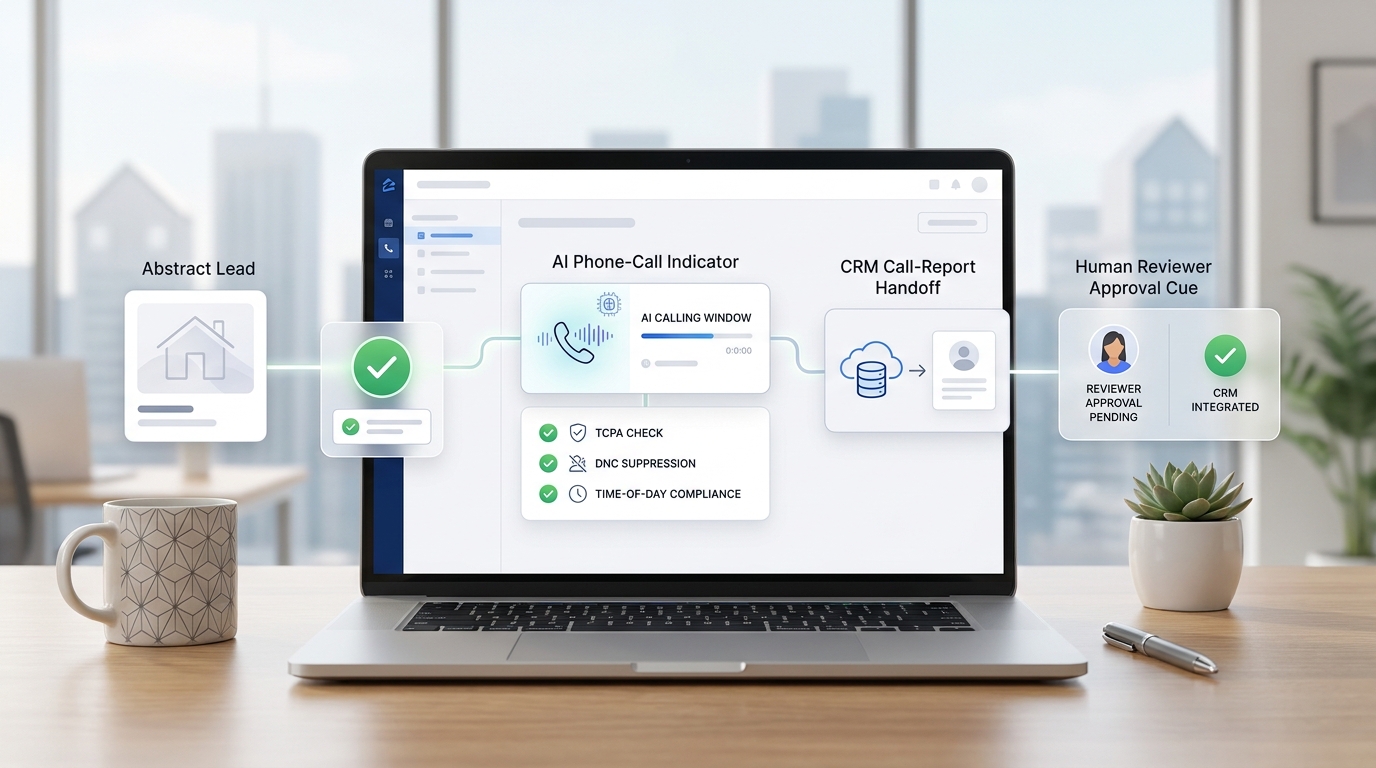
For example, Solvea's law-firm page describes an AI receptionist that learns firm-specific intake workflows, captures potential leads, supports custom legal knowledge, books consultations into Google Calendar, and logs call transcripts and details into Google Sheets. Those are operational workflow claims, not promises that AI can make legal judgments.
The guardrail is important: AI should stay inside intake, scheduling, routing, and approved FAQ boundaries. It should not give legal advice, decide whether the firm will represent someone, promise outcomes, interpret rights, or improvise answers to regulated or fact-sensitive questions. For legal-sensitive workflows, use AI as the intake layer and keep attorney review in the loop.
Why Hybrid Often Wins for Law Firms
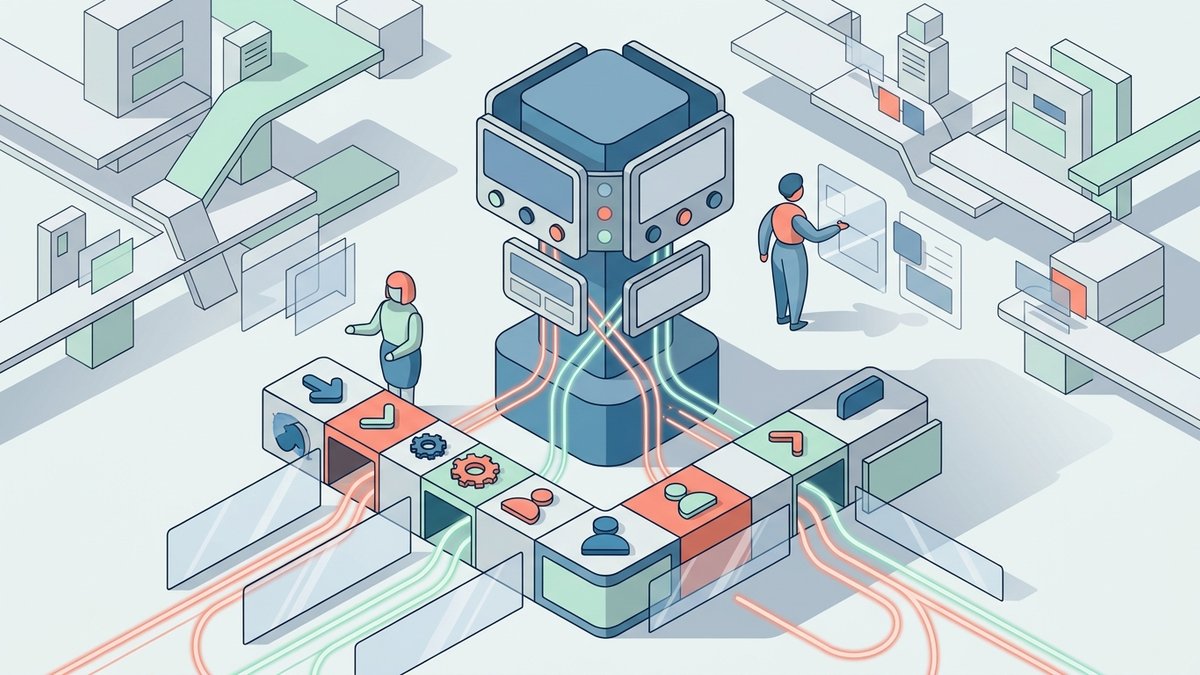
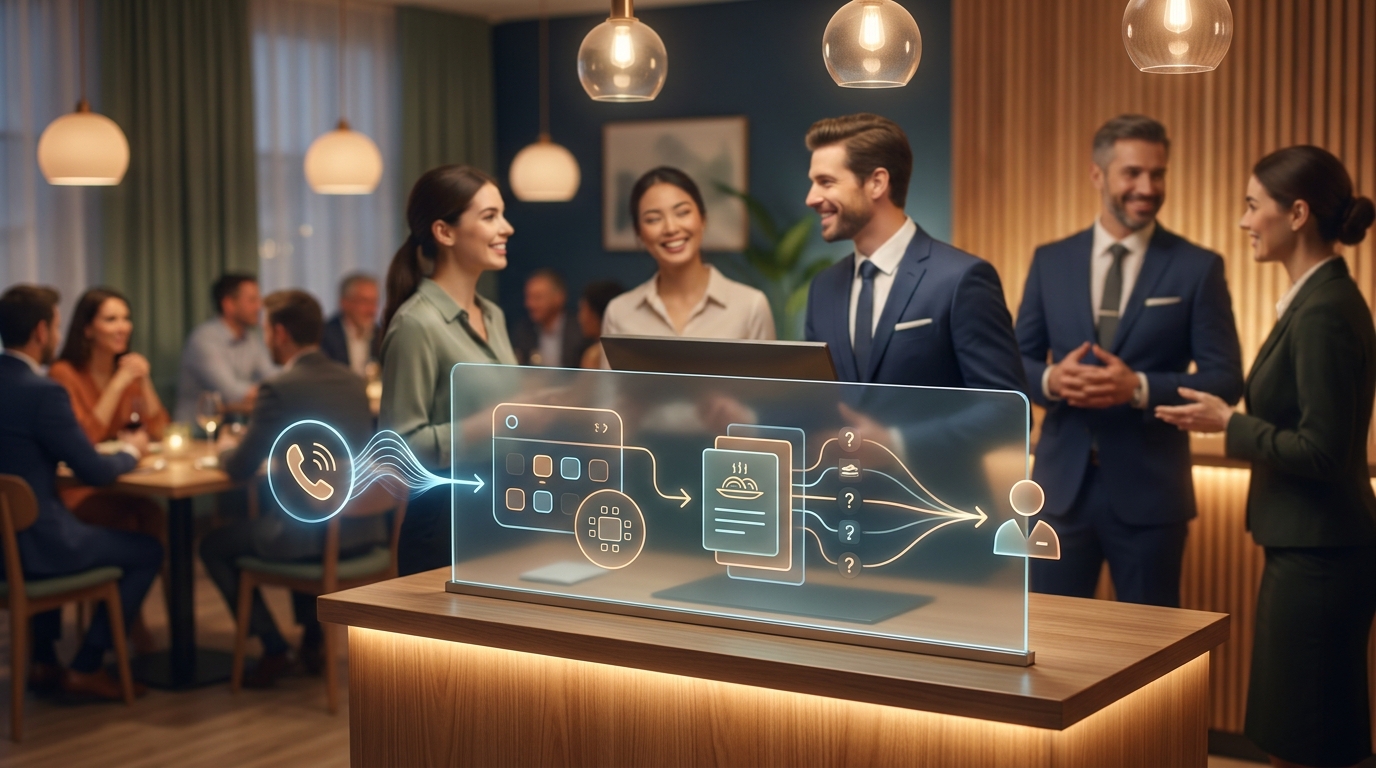
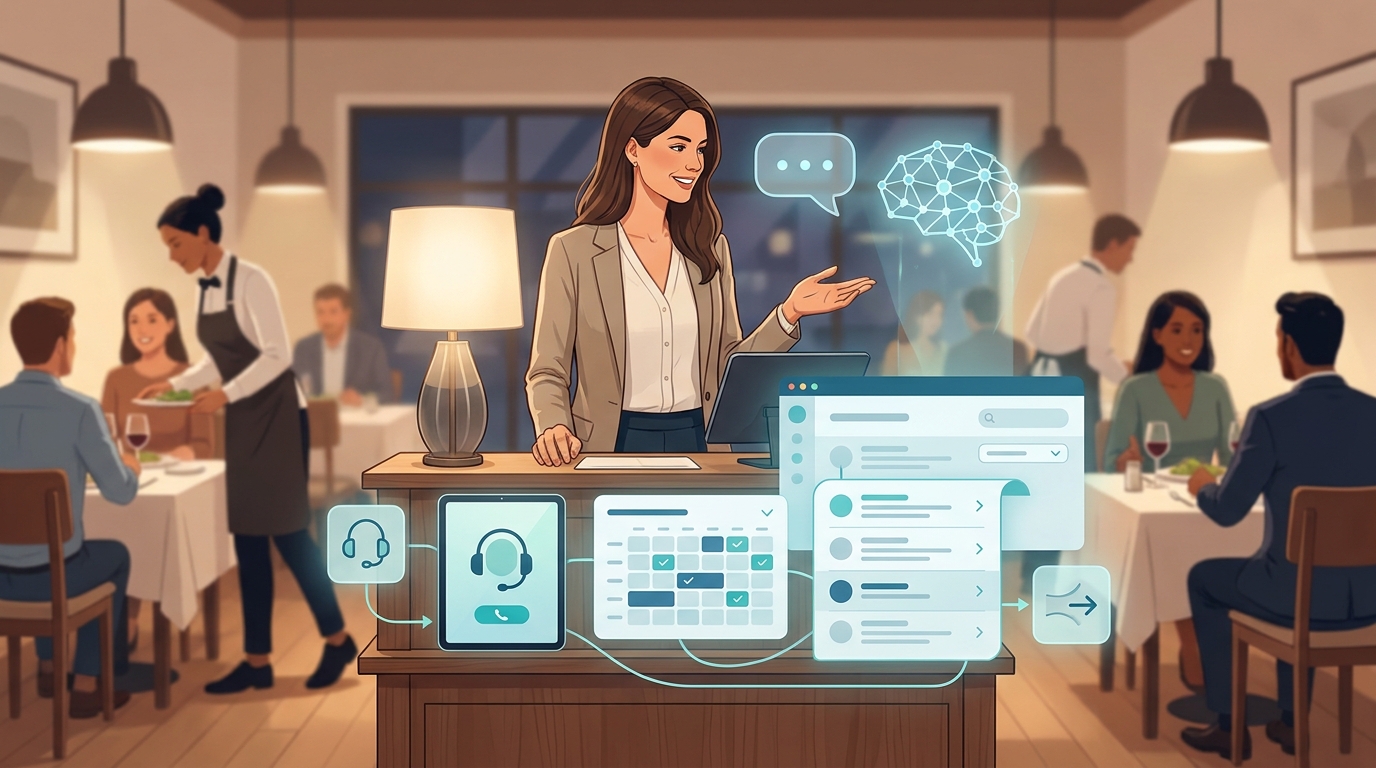
Hybrid coverage uses AI for the first response and structured intake, then routes exceptions to a human receptionist, intake specialist, or attorney.
That matches how legal calls actually behave. Many calls are predictable: "Do you handle car accidents?" "Can I schedule a consultation?" "What information do you need from me?" Others require care: "I was served today," "My hearing is tomorrow," "I already spoke to another attorney," "I think there is a conflict," or "I need help now."
A hybrid 24/7 legal answering service should separate those calls quickly.
| Call type | AI should do | Human or attorney should do |
|---|---|---|
| Routine new inquiry | Capture contact details, matter type, location, dates, and callback preference | Review summary and decide next step |
| Consultation booking | Offer approved appointment slots and confirmation details | Override schedule when an exception matters |
| Existing client message | Identify caller, summarize request, create callback task | Handle legal advice, urgent filings, complaints, or relationship issues |
| Conflict-risk call | Collect names for review without saying whether a conflict exists | Run the actual conflict check and decide whether to proceed |
| Urgent or emotional call | Acknowledge, collect safe basics, escalate | Make legal and client-care decisions |
| Wrong-fit inquiry | Capture details and route according to firm policy | Approve any referral or decline language |
The point is not to hide AI from difficult work. The point is to make sure the right person gets involved before a script becomes risky.
Legal Intake Guardrails to Build Before You Buy
Do not choose a 24/7 legal answering service until you know your non-negotiable rules. The same rules help human, AI, and hybrid providers perform better.
1. No Legal Advice Boundary
Write a clear rule that the answering workflow may collect information, explain the firm's intake process, and schedule a consultation, but must not provide legal advice or predict outcomes.
Sample wording:
I can collect details for the firm and help schedule a consultation. I cannot provide legal advice or tell you what legal action to take. An attorney will need to review your information.
2. Conflict-Review Boundary
Do not let the answering service say whether a conflict exists. It can collect names and entities for review.
Sample wording:
I will collect the names of the people and organizations involved so the firm can review them before discussing the matter further.
3. Urgency Escalation
Define what gets escalated immediately. Include deadlines, hearings, service of papers, custody emergencies, arrests, injuries, threats, court orders, payment disputes, complaints, and any caller who asks for a lawyer now.
4. Confidentiality and Data Handling
Before routing legal callers through any provider, ask how recordings, transcripts, contact records, and summaries are stored, accessed, exported, and deleted. Review professional responsibility obligations with counsel. ABA Model Rule 1.6 is a useful confidentiality review prompt, and Rule 5.3 is a useful prompt for supervising nonlawyer assistance. If you use generative AI in the workflow, also review ABA Formal Opinion 512 and any applicable state guidance.
5. Human Handoff Ownership
Every escalation needs an owner. If a call is urgent at 11:30 p.m., who receives it? What channel? What happens if that person misses the alert? What is the backup?
Decision Tree: AI, Human, or Hybrid?
Use this decision tree before you buy.
- If most missed calls are routine intake, FAQs, scheduling, and callback requests, start with AI-first coverage.
- If callers are usually distressed, high-value, complex, or relationship-sensitive, start with human-led coverage.
- If you have both routine volume and sensitive exceptions, choose hybrid.
- If you only need message taking after hours, a traditional human answering service may be enough.
- If you need structured intake records, calendar booking, transcripts, summaries, and workflow logging, test AI or hybrid.
- If the provider cannot show attorney handoff rules, conflict-review routing, data access controls, and exportable records, keep looking.
The right 24/7 legal answering service should fit the firm's risk tolerance, practice mix, call volume, and intake ownership. It should not force every call into one model.
Intake Script Template for a 24/7 Legal Answering Service
Use this as a starting point for vendor testing. Have an attorney or intake lead review it before live use.
Greeting
Thank you for calling [Firm Name]. I can collect your information for the intake team and help with scheduling. If this is an emergency or you have an urgent deadline, please tell me now.
Basic Caller Details
May I have your full name, phone number, email, city and state, and the best time to reach you?
Matter Type
What type of legal matter are you calling about? For example, personal injury, family law, criminal defense, immigration, estate planning, business, employment, or something else.
Timeline and Urgency
Are there any upcoming deadlines, court dates, hearings, documents you were served with, or urgent events the firm should know about?
Conflict-Review Details
Who else is involved in the matter? Please share the names of other people, companies, agencies, or opposing parties so the firm can review them.
Consultation Scheduling
The next step is for the firm to review your information. If appropriate, I can help request a consultation time. Do you prefer morning, afternoon, or evening?
Safe Handoff
I am going to send this summary to the intake team. An attorney or authorized team member will need to review it before any legal advice or representation decision can be made.
This is where AI can help: the script is consistent, every caller gets the same required questions, and the follow-up record is easier to audit.
Vendor Questions to Ask
Use the same questions for AI, human, and hybrid vendors.
| Area | Question |
|---|---|
| Legal intake | Can we define required fields by practice area? |
| Conflict review | Can the workflow collect names without making conflict decisions? |
| No legal advice | Can we hard-code boundaries and escalation language? |
| Handoff | Can urgent calls route to a human or attorney with the full call summary? |
| Scheduling | Can consultations book to Google Calendar or our scheduling tool? |
| Records | Do we get call recordings, transcripts, AI summaries, tags, and structured fields? |
| Integrations | Can records sync to Google Sheets, CRM, case management, or an inbox? |
| Quality control | Can we review calls and improve scripts over time? |
| Security | Who can access recordings, transcripts, and contact details? |
| Export | Can we export contacts, transcripts, scripts, and call logs if we leave? |
| Pricing | Is billing based on seats, calls, minutes, usage credits, or tiers? |
| Coverage | What happens during simultaneous calls, holidays, weekends, and nights? |
For Solvea specifically, the best fit is a firm that wants a no-code AI receptionist for structured legal intake, consultation scheduling, custom practice knowledge, Google Calendar booking, Google Sheets logging, and attorney handoff rules. Check the current Solvea law-firm page, docs, and pricing page before routing production calls, because plan and credit details can change.
One-Week Test Plan
Do not choose a 24/7 legal answering service from a demo alone. Run a controlled test.
- Pull 25 recent calls or voicemail examples.
- Tag them by type: new lead, existing client, urgent, wrong fit, conflict-risk, scheduling, FAQ, complaint, or attorney-required.
- Convert them into vendor test scenarios.
- Include at least five difficult calls: emotional caller, urgent deadline, conflict-risk names, caller asking for legal advice, and existing client complaint.
- Ask each vendor to handle the same scenarios.
- Score speed, tone, accuracy, required-field capture, no-legal-advice boundary, escalation, and summary quality.
- Check the record output: transcript, summary, caller fields, tags, calendar event, callback task, and owner.
- Run a small after-hours live pilot before forwarding all calls.
A good test does not only ask whether the voice sounds natural. It asks whether the workflow protects the firm, captures the right information, and gets the right person involved.
Scorecard: What to Measure
| Metric | Why it matters |
|---|---|
| Answer rate | Measures whether callers reach a response instead of voicemail |
| Time to first response | Matters for high-intent legal inquiries |
| Required fields captured | Shows whether intake is complete enough for review |
| Attorney handoff accuracy | Shows whether risk and urgency are routed correctly |
| Consultation booked | Measures conversion path from caller to appointment |
| Wrong-fit filtered | Protects staff time |
| Call summary quality | Determines whether attorneys can act without re-listening |
| Caller sentiment | Flags tone problems and confusion |
| Escalation misses | Identifies the most important safety gap |
Review these weekly for the first month. A 24/7 legal answering service is not set-and-forget. It should improve as your practice areas, scripts, intake criteria, and staffing change.
How Solvea Fits
Solvea fits the AI-first or hybrid side of the decision. It is designed for firms that want a no-code AI receptionist to capture missed calls, learn firm-specific intake rules, answer approved questions, schedule consultations, and log call details into tools like Google Calendar and Google Sheets. For a deeper implementation example, use the AI receptionist for law firms guide and the legal intake script template.
That makes it useful when the problem is not only "someone needs to pick up the phone." The bigger issue is that every missed call can become a lost lead, an incomplete intake, or a follow-up that no one owns.
Use Solvea as part of a 24/7 legal answering service workflow when you want:
- Consistent intake questions after hours.
- Practice-area specific knowledge boundaries.
- Consultation scheduling tied to your calendar.
- Structured call logs for follow-up.
- Human or attorney handoff rules for urgent and sensitive calls.
- A testable no-code setup before full call forwarding.
Do not use AI as a substitute for attorney judgment. Use it to capture, organize, and route the work that attorneys and intake staff need to review.
Final Recommendation
If you are a solo or small firm with mostly routine calls, test AI-first legal answering. If your callers often need empathy, judgment, or premium reassurance, keep humans in the loop. If your firm has both routine volume and sensitive exceptions, choose hybrid.
For most firms, the safest growth path is:
- Start with structured AI intake for after-hours and overflow calls.
- Add human or attorney escalation for urgent, emotional, conflict-sensitive, or low-confidence calls.
- Review call records weekly until the workflow is stable.
- Keep scripts, FAQs, and handoff rules under attorney or intake-lead ownership.
A 24/7 legal answering service should help your firm respond faster without lowering the quality of intake. To test that workflow, review the Solvea law-firm AI receptionist page, compare it with your current answering setup, and book a free Solvea test call before forwarding live call volume.
Your AI Receptionist, Live in Minutes.
Scale your front desk with an AI that never sleeps. Solvea handles unlimited multi-channel inquiries, books appointments into your calendar automatically, and ensures zero missed opportunities around the clock.
FAQ
What is a 24/7 legal answering service?
A 24/7 legal answering service answers law-firm calls outside normal business hours and during overflow periods. Depending on the provider, it may take messages, collect intake details, schedule consultations, route urgent calls, and create call records.
Is AI safe for legal intake?
AI can be useful for structured intake, scheduling, routing, and approved FAQs, but it should be configured with clear boundaries. It should not provide legal advice, decide representation, or make conflict decisions. Have your firm review scripts, data handling, and state-specific obligations before live use.
When should a law firm use a human answering service?
Use human answering when callers are emotional, confused, high-value, urgent, or difficult to script. Human receptionists are also useful when your brand depends on a highly personal first impression.
What is hybrid legal answering?
Hybrid legal answering combines AI and human coverage. AI answers first and captures structured details. Human receptionists, intake staff, or attorneys handle exceptions, urgent issues, sensitive callers, and low-confidence conversations.
What should I test before choosing a provider?
Test real scenarios: routine intake, urgent deadline, conflict-risk names, existing client complaint, caller asking for legal advice, consultation booking, and after-hours callback. Score the provider on speed, accuracy, tone, required fields, escalation, and call record quality.