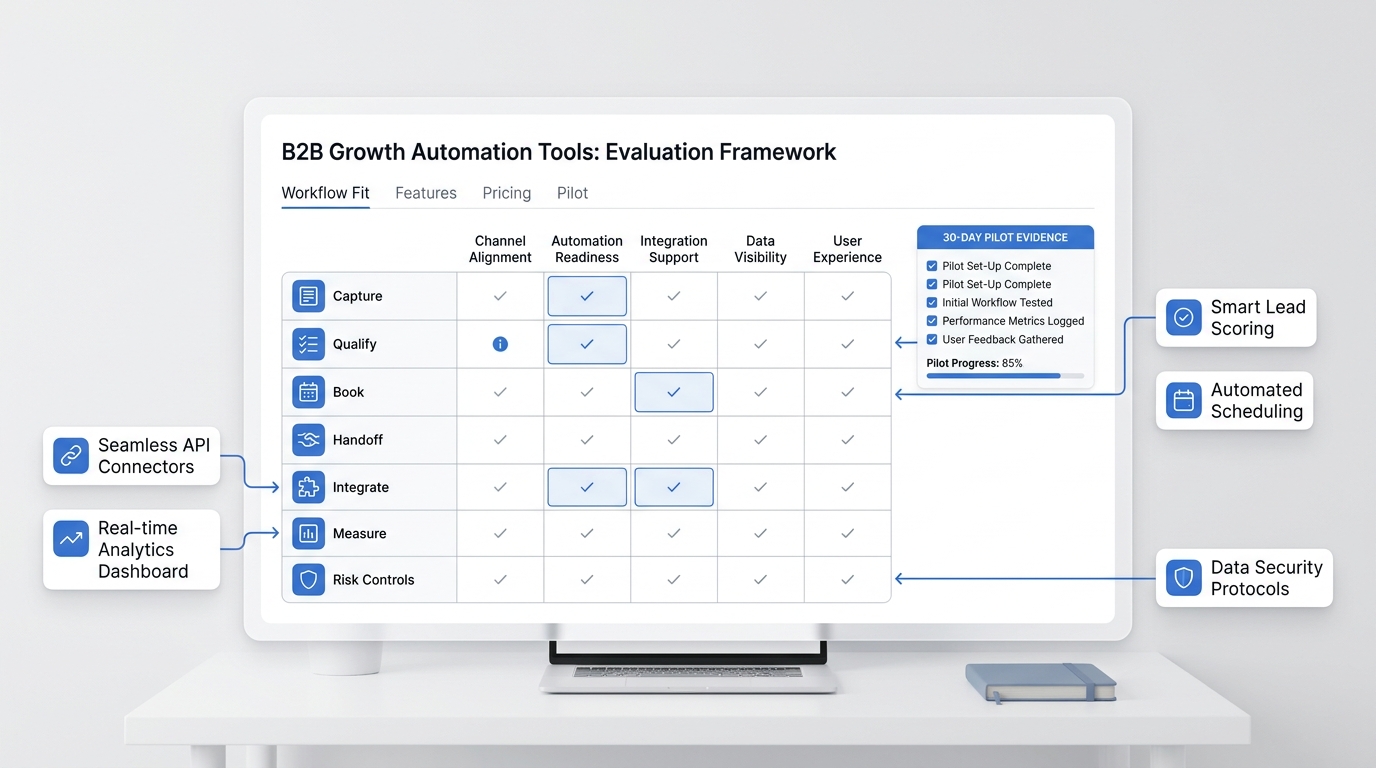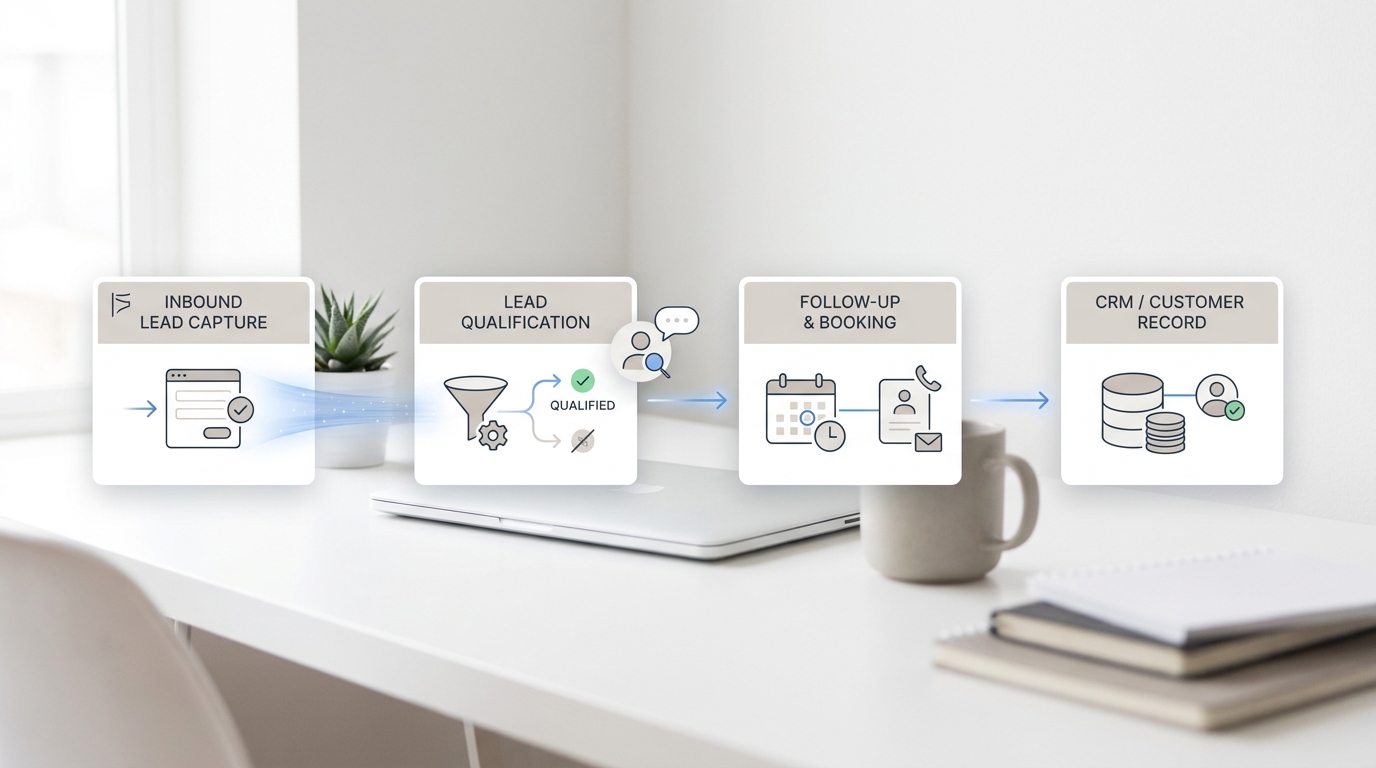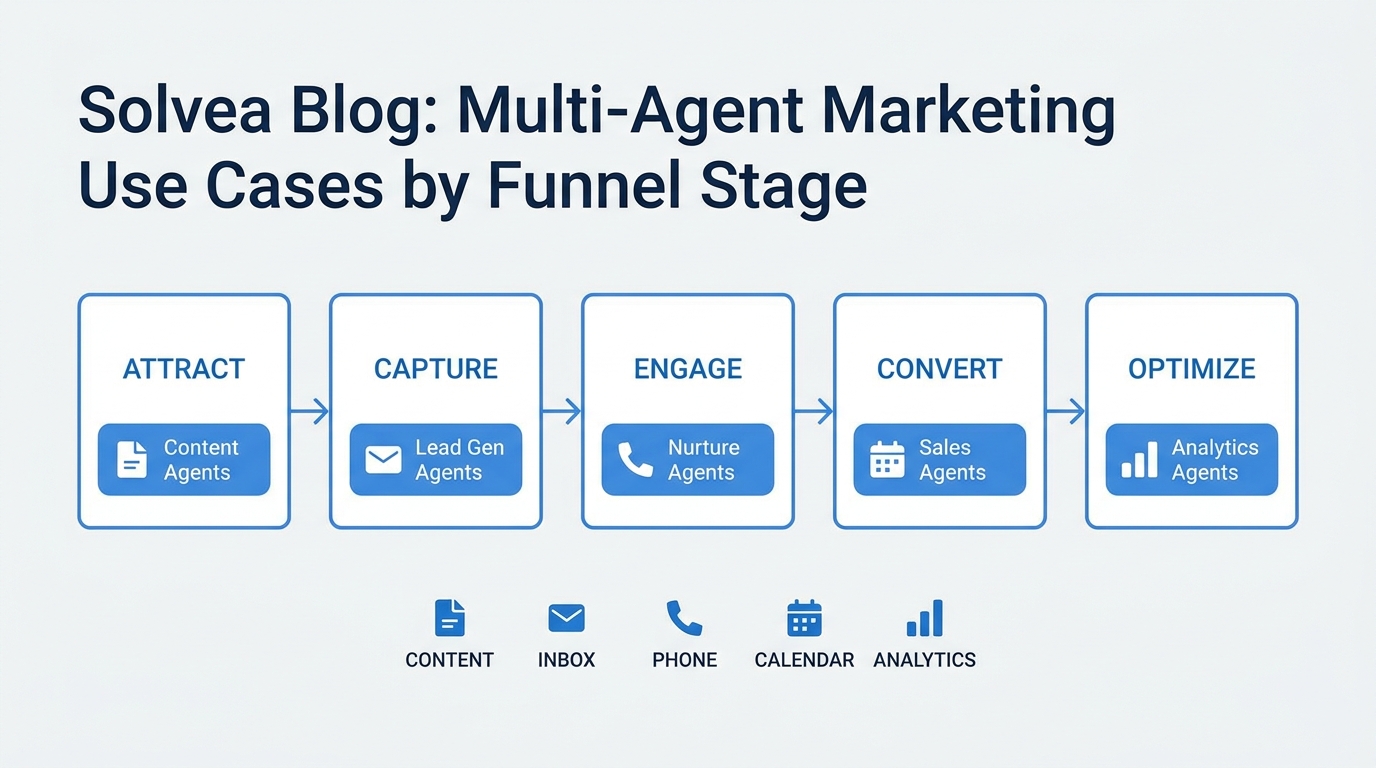
An abandoned medspa inquiry is any high-intent request that starts but does not turn into a clear next step. It might be a form fill with no booking, a missed call, a direct message that stops after one question, a booking-link visit that never confirms, or a text reply that sits in the inbox while staff are with clients.
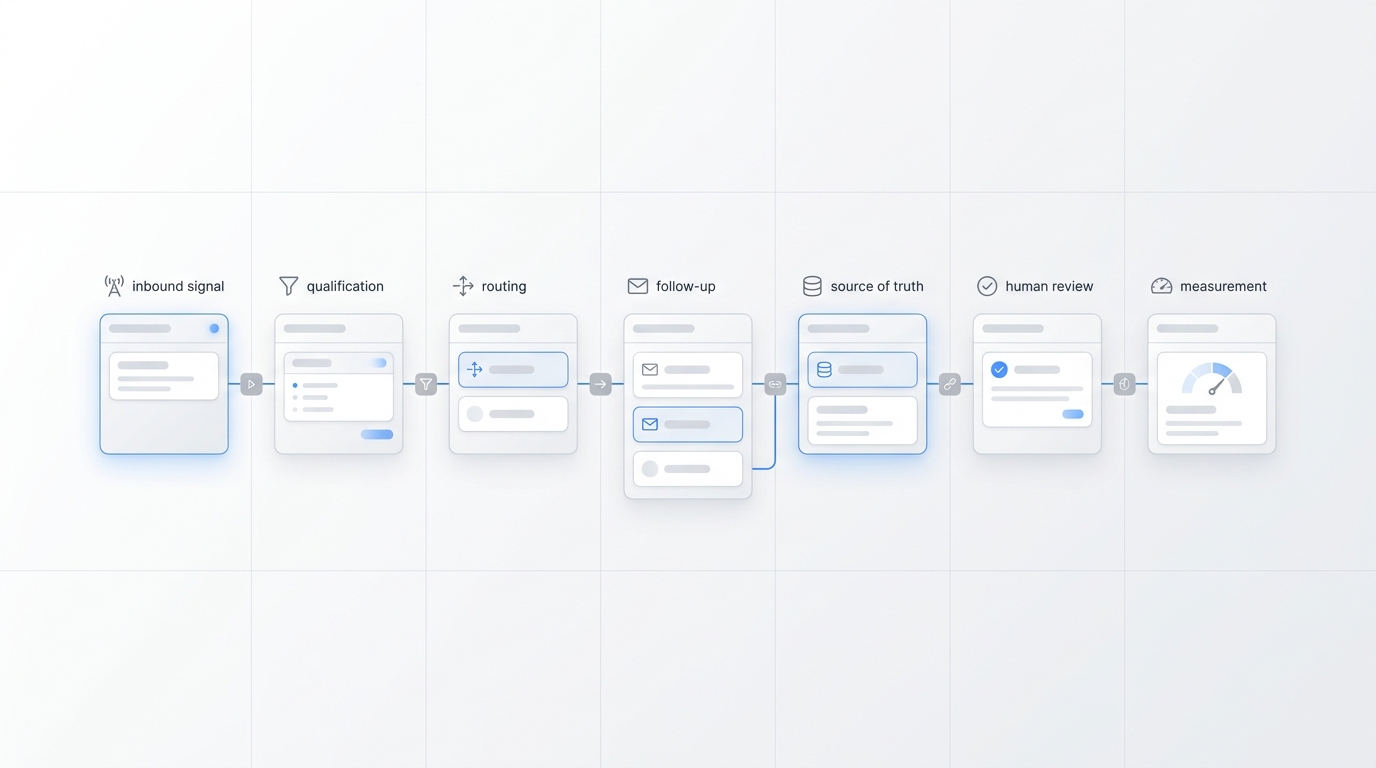
A medspa abandoned inquiry recovery workflow gives each inquiry a route: identify the source, respond quickly, use the right channel, offer a clean booking CTA, and hand off to staff when the conversation needs judgment. The goal is not to chase every prospect. The goal is to stop letting warm consultation demand disappear between tools, shifts, and channels.
Solvea's medspa AI receptionist page frames the problem as front-desk coverage: answering calls, handling treatment questions, booking consultations, syncing with Google Calendar and Google Sheets, logging follow-up details, and routing to humans when needed. This guide turns that into a practical medspa abandoned inquiry recovery workflow for SMS, voice, booking CTAs, and staff takeover.
What counts as an abandoned inquiry
Most medspas think about missed calls first, but abandoned inquiries usually come from several places. If those sources are not tracked in one workflow, the front desk has to remember which leads were already contacted and which ones still need a response.
| Inquiry source | Abandonment signal | Recovery goal |
|---|---|---|
| Website form | Form submitted but no consultation booked | Acknowledge the request and offer a booking path |
| Missed call | Caller hangs up, leaves voicemail, or reaches after hours | Send a safe acknowledgment and attempt a voice callback |
| Instagram or Facebook DM | Prospect asks about a service, then stops replying | Move the conversation toward a consult, callback, or approved FAQ answer |
| Booking link | Prospect opens availability but does not confirm | Ask whether they need help choosing a service, time, or provider |
| SMS thread | Prospect replies once, then goes quiet | Continue a short, permission-aware follow-up sequence |
| Existing client question | Returning client asks about a treatment or reschedule, then drops off | Recover the open loop without duplicating the record |
The first workflow decision is source ownership. Every abandoned inquiry should have a source, timestamp, preferred channel, owner, next action, and outcome. Without those fields, recovery turns into a shared inbox guessing game.
The medspa abandoned inquiry recovery record
Before writing messages or setting cadence rules, define the record. A strong medspa abandoned inquiry recovery workflow starts with the fields staff need to understand the lead without rereading every conversation.
| Field | Why it matters | Example |
|---|---|---|
| Source | Shows where the inquiry started | Website form, missed call, Instagram DM, booking page |
| Timestamp | Controls response priority | Saturday 7:42 p.m. |
| Contact details | Determines available channels | Name, phone, email, social handle |
| Treatment interest | Routes to the right consultation path | Injectables, laser, skin consult, body contouring |
| New or returning client | Changes the script and record lookup | First-time inquiry |
| Current stage | Prevents duplicate outreach | New, acknowledged, callback attempted, booked, staff review |
| Last touch | Shows what the prospect has already received | SMS sent, voicemail left, DM reply sent |
| Booking CTA | Gives the next concrete step | Book consult, request callback, join waitlist |
| Handoff reason | Explains why staff should take over | Clinical question, pricing exception, provider preference |
| Outcome | Closes the loop | Booked, no response, not interested, staff follow-up |
These fields also make reporting possible. If the team only tracks "lead" and "closed," it cannot see where the workflow failed. If it tracks source, response time, cadence, and outcome, it can improve the recovery process every week.
A source-based first response rule
The first response should match how the inquiry arrived. A form fill can usually receive a written acknowledgment. A missed call often deserves voice. A DM should continue in the original channel until the prospect chooses a call or booking link.
| Source | First response | What to avoid |
|---|---|---|
| Website form | "Thanks, we received your consultation request. Would you like a booking link or a callback?" | Sending a generic promo before answering the inquiry |
| Missed call | Short SMS if configured, then voice callback during the next coverage window | Discussing private treatment details in a generic text |
| DM | Answer the approved FAQ or ask whether they want a consult | Forcing the prospect to call before basic routing is done |
| Booking-link exit | Ask whether they need help choosing a consultation type or time | Sending repeated booking links with no context |
| After-hours inquiry | Confirm receipt and set the next response expectation | Pretending staff are immediately available if they are not |
This is where medspa abandoned inquiry recovery becomes more than automation. The workflow has to be fast, but it also has to be accurate enough that staff trust the follow-up record.
SMS and voice cadence
Use a short cadence that creates momentum without making the prospect feel pressured. The exact timing should reflect your clinic hours, consent process, number setup, and communication policy.
| Touch | Channel | Purpose | Example CTA |
|---|---|---|---|
| 1. Acknowledge | SMS, email, or DM | Confirm the inquiry was received | "Would you like a booking link or callback?" |
| 2. Voice attempt | Phone | Recover high-intent inquiries that need conversation | "I can help route your consultation request." |
| 3. Reminder | SMS or email | Offer the easiest next step | "Pick a time or tell us a good callback window." |
| 4. Value nudge | SMS, email, or DM | Set expectations for the consult | "Here is what the consultation can cover." |
| 5. Warm close | SMS or email | Close the sequence without burning the relationship | "Reply when you are ready and we can help." |
For SMS, keep messages short and generic. The CTIA Messaging Principles and Best Practices emphasize consent, opt-out, privacy, and security practices for business messaging. Your final templates should be reviewed against your carrier setup, consent language, privacy process, and clinic policy.
For voice, the caller should hear a clear reason for the callback. Do not start with a sales pitch. Start with the request they already made: consultation interest, missed call, treatment question, reschedule, or booking help.
Booking CTAs that recover instead of confuse
A booking CTA should remove friction. It should not ask the prospect to choose from every service, provider, and appointment type before they know what fits.
Use three booking CTA lanes:
| Lane | Best for | CTA |
|---|---|---|
| Direct booking | Repeatable consults with clear rules | "Choose an available consultation time." |
| Preferred window | Provider-specific, unsure, or higher-touch inquiries | "Send your preferred days and times." |
| Staff review | Sensitive, clinical, pricing exception, VIP, or complaint situations | "We captured your request and our team will follow up." |
Solvea's existing medspa consultation booking guide recommends separating consultation types, narrowing direct booking at first, and designing handoff for staff action. That same logic belongs inside medspa abandoned inquiry recovery: direct booking where the rule is clear, preferred-window collection where the fit is uncertain, and staff review where judgment matters.
For missed-call specific routing, use the companion medspa consultation follow-up workflow. For appointment protection after the inquiry turns into a booking, connect this recovery workflow to your reminder, confirmation, and waitlist process from Solvea's patient no-show guide. Operators who want additional proof paths can also review Solvea's customer stories before finalizing their rollout.
Human handoff rules
Human handoff is not a failure. It is the part of the workflow that protects client experience, staff trust, and clinic judgment.
Route the inquiry to staff when the prospect:
- Reports a post-treatment concern or adverse reaction.
- Asks whether a treatment is medically appropriate for them.
- Mentions pregnancy, breastfeeding, medications, allergies, or medical history.
- Requests a pricing exception, refund, deposit exception, or package change.
- Complains about a prior visit or staff interaction.
- Needs a specific provider, injector, aesthetician, or location.
- Is a VIP client, referral source, or high-value package holder.
- Has already ignored several recovery touches.
The handoff should include enough context for staff to act without starting over.
| Handoff field | Example |
|---|---|
| Contact | Name, phone, email, social handle if available |
| Source | Website form from laser consultation page |
| Interest | New client asking about laser hair removal |
| Last action | SMS acknowledgment sent, voice callback attempted |
| Unanswered question | Asked whether treatment is appropriate with current medication |
| Risk flag | Staff review needed before booking |
| Requested next step | Call today or send approved consultation options |
This handoff summary is the difference between "someone should follow up" and a staff member knowing exactly what to do next.
How Solvea fits the recovery workflow
Solvea can support medspa abandoned inquiry recovery by keeping calls, texts, notes, owners, statuses, and next steps visible in one front-desk workflow. Current Solvea pages and docs support several pieces of this setup:
- Use a business phone number or missed-call forwarding path so high-intent calls do not disappear.
- Train the AI receptionist on approved treatment menus, consultation FAQs, booking rules, and escalation rules.
- Use SMS only where your number, provider setup, consent process, and clinic policy support it.
- Connect Google Calendar for appointment creation, availability checks, and scheduling workflows.
- Connect Google Sheets for inquiry logs, booking records, source tracking, owner assignment, and outcome review.
- Keep handoff rules explicit so staff take over when the conversation needs human judgment.
- Review the source, cadence, and outcome fields every week to improve the workflow.
The Google Tool docs describe Google Calendar and Google Sheets support for scheduling and records. The current pricing page is the safest place to check plan and credit details because pricing surfaces can change.
Message templates
Use these as starting points. Have your clinic owner, provider lead, privacy reviewer, and messaging administrator approve the final copy before it goes live.
| Scenario | Template |
|---|---|
| Form acknowledgment | "Hi [Name], thanks for reaching out to [Medspa]. We received your consultation request. Would you like a booking link or a callback?" |
| Missed-call SMS | "Hi, this is [Medspa]. We saw your missed call and can help with questions or consultation booking. Reply here or tell us a good callback time." |
| Voice callback opener | "Thanks for contacting [Medspa]. I am following up on your inquiry. Were you looking to book a consultation, ask about a service, or change an appointment?" |
| Booking-link recovery | "It looks like you were looking at consultation times. Would you like a direct booking link, or should we help choose the right consult type?" |
| Staff handoff | "That is something our team should review directly. I can capture your question and have the right person follow up." |
| Warm close | "We tried to reach you about your consultation request. Reply when you are ready and we can help with the next step." |
Keep the language plain. The prospect should know what happened, what choice they have, and when a person will step in if needed.
Seven-day QA checklist
Before turning on the full workflow, test it for one week.
| Day | Test | Pass condition |
|---|---|---|
| 1 | Source capture | Form fills, calls, DMs, and booking exits create separate source records |
| 2 | First response | Every source receives the right acknowledgment without duplicate messages |
| 3 | SMS rules | SMS sends only where configured and approved, and stop requests are honored |
| 4 | Voice callback | Staff can see who needs a call, why, and what was already sent |
| 5 | Booking CTA | Direct booking, preferred-window collection, and staff review route correctly |
| 6 | Human handoff | Sensitive or clinical questions pause automation and create a clear staff task |
| 7 | Reporting | The team can review source, response time, touches, booked consults, and open loops |
Track four metrics: response speed, contact rate, booking rate, and handoff quality. Response speed shows whether inquiries are sitting too long. Contact rate shows whether the channel mix is working. Booking rate shows whether the CTA is clear. Handoff quality shows whether staff receive enough context to finish the recovery.
Your AI Receptionist, Live in Minutes.
Scale your front desk with an AI that never sleeps. Solvea handles unlimited multi-channel inquiries, books appointments into your calendar automatically, and ensures zero missed opportunities around the clock.
FAQs
What is medspa abandoned inquiry recovery?
Medspa abandoned inquiry recovery is the workflow a medspa uses to follow up when a prospect starts an inquiry but does not book or complete the next step. It can cover form fills, missed calls, DMs, SMS replies, booking-link exits, and after-hours questions.
Should medspas use SMS for abandoned inquiries?
SMS can be useful for short acknowledgments, booking links, callback coordination, and warm follow-up when it is configured and approved for your workflow. Keep messages generic, respect stop requests, and avoid detailed treatment history or individualized medical discussion in text.
When should the workflow use voice instead of SMS?
Use voice when the inquiry came from a call, when the prospect asks a complex question, when a high-value consultation needs fast routing, or when SMS is not appropriate for the topic. Voice is also useful when staff need to clarify service fit before offering a booking link.
What should the booking CTA be?
Use the narrowest CTA that fits the inquiry: direct consultation booking for clear repeatable consults, preferred-window collection for uncertain or provider-specific requests, and staff review for sensitive or judgment-heavy situations.
When should staff take over?
Staff should take over for clinical questions, post-treatment concerns, medication or health-history mentions, complaints, pricing exceptions, VIP requests, provider-specific decisions, and repeated no-response cases that require human judgment.
How do you measure abandoned inquiry recovery?
Measure source, response time, contact rate, number of touches, booked consultations, handoffs, no-response outcomes, and staff corrections. Review the data weekly so the cadence, scripts, and booking rules keep improving.
Start a recovery workflow in Solvea
Medspa abandoned inquiry recovery works when every inquiry gets a clear route: acknowledge, call, text, book, wait, hand off, or close. Once those outcomes are visible, the front desk can protect consultation demand without asking staff to remember every open loop.
If you want one workflow for abandoned forms, missed calls, SMS replies, booking CTAs, Google Calendar and Sheets sync, and human handoff, start a recovery workflow in Solvea.