Medspa consultation booking is where curiosity becomes a scheduled visit. A potential client may be interested in injectables, laser services, body contouring, skincare, or a wellness program, but they may not know which service fits. If the front desk treats every inquiry like a generic appointment, consult quality drops and providers spend more time resetting expectations.
A stronger workflow qualifies interest without making the client feel screened out. Solvea can support that by answering calls, identifying consultation intent, asking approved questions, and either booking a clean consultation or routing the request to staff with context. The goal is faster response and better fit.
The booking process should make the client feel guided before they ever meet the provider. It should also protect staff from vague appointments that require a second intake call before the consultation can be useful.
Separate consultation types before opening the calendar
| Consultation type | Booking rule |
|---|---|
| General aesthetic consult | Often bookable with service interest and timing details. |
| Provider-specific consult | Book only into approved provider windows. |
| Medical or wellness consult | Route questions and eligibility concerns to staff review. |
| Virtual consult | Collect channel, time zone, and photo or form expectations. |
| Follow-up consult | Tie the booking to prior service, plan, or provider notes. |
A consultation can mean several different things. A new Botox client, a returning laser client, a weight-loss inquiry, and a post-treatment follow-up do not need the same appointment length or preparation. Define the types before letting clients choose a time.
Once types are clear, decide which ones can be booked directly. A general consult may be safe to book when the service category and timing are clear. A medical question, a complex treatment combination, or a provider-specific request should route to staff review.
Use intake questions that support service fit
Good intake is not a sales script. It asks only the questions that change scheduling or preparation: what the client is interested in, whether they are new or returning, when they hope to start, whether they prefer a specific provider, and whether they have a question that staff should answer first.
The workflow should adapt to the answer. If the client knows the service and wants a consult, offer approved windows. If they are unsure, collect goals and route to the right consult type. If they mention a concern that could affect treatment fit, do not force a direct booking.
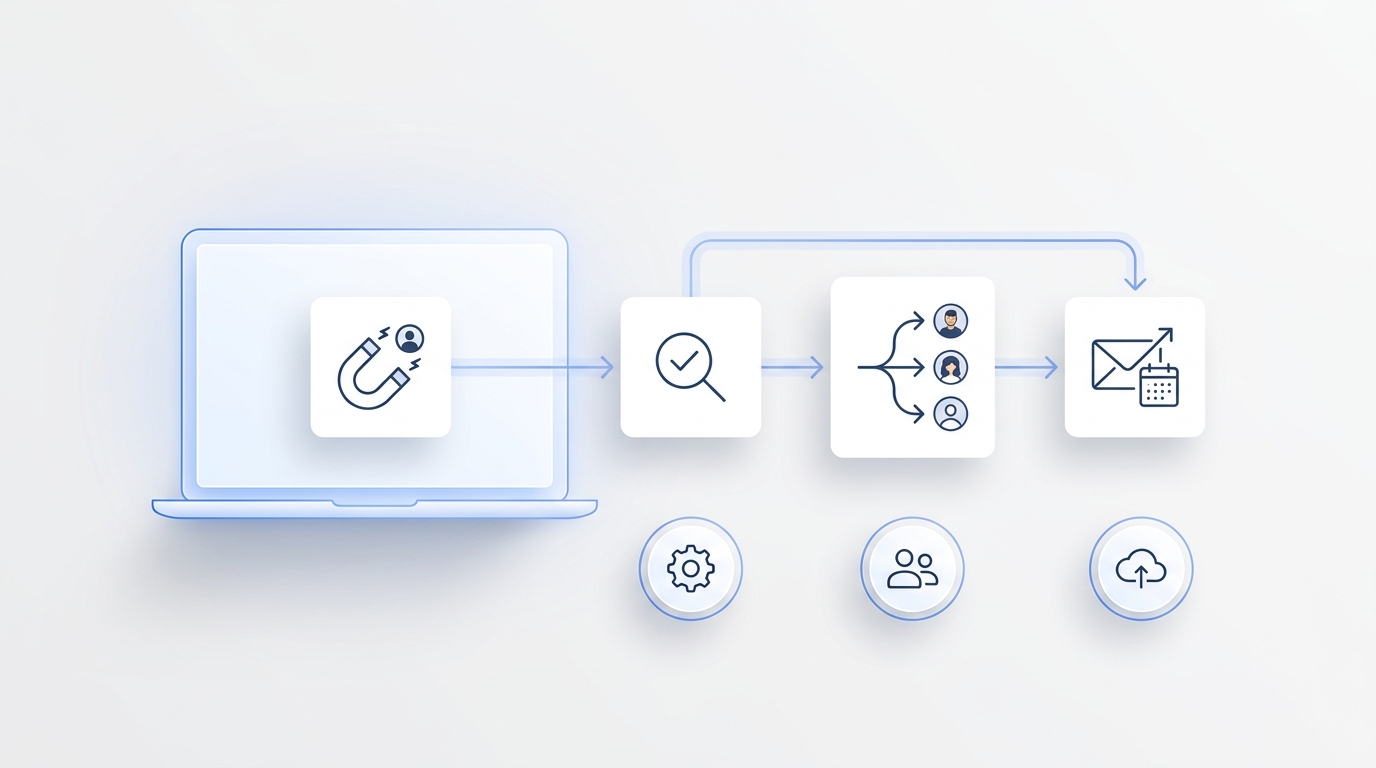
Solvea can ask these questions naturally by phone. That matters because many high-intent clients call instead of filling out a form. The AI receptionist turns the call into structured intake instead of a voicemail that staff must decode later.
Protect premium provider time
Provider calendars are one of the most valuable resources in a medspa. Consultation booking should not fill premium windows with poorly matched inquiries. A provider-specific consult should have stricter rules than a general front-desk callback.
Use approved windows, appointment lengths, and route rules for each provider. If the consultation needs a nurse, injector, aesthetician, or manager, the booking path should know that before the client sees availability. Otherwise staff may have to move the appointment after it is confirmed.
When Solvea captures a provider-specific request, the handoff should show service interest, preferred timing, provider preference, and why direct booking was or was not allowed. This gives staff a faster path to confirm the right option.
Make direct booking narrow at first
Direct booking is safest when the appointment type is repeatable. Start with one or two consultation types that have clear duration, preparation, and provider rules. Keep other inquiries as preferred-window collection or staff review until the team trusts the workflow.
This staged rollout avoids a common automation mistake: giving clients too many choices before the business knows which choices are safe. It is better to confirm fewer consultations cleanly than to create a calendar full of appointments staff need to repair.
After the first few weeks, review the consults that were moved, canceled, or reclassified. Those are rule-design signals. Expand direct booking only after the team sees consistent quality.
Use Solvea for missed calls and after-hours consult demand
Consultation inquiries often arrive after work, during lunch, or while staff are with in-office clients. A missed call from a motivated client can become a lost consultation. Solvea gives the medspa a live response path when staff are busy.
The AI receptionist should identify the service interest, collect the preferred contact path, ask whether the client is new or returning, and determine whether the request fits an approved consult path. If it does, it can move toward booking. If not, it sends a structured handoff.
This keeps the client engaged without pretending that every consultation can be automated. The medspa captures demand quickly while preserving human judgment for treatment-fit questions.
Confirm what the consultation includes
Clients need to know what kind of consultation they booked. Is it a phone call, video consult, or in-person visit? Will pricing be discussed? Should they bring photos, forms, medications, or prior treatment notes? Is the appointment with a provider or a coordinator?
The confirmation should set those expectations. Clear instructions reduce repeat calls and improve show rate. If the consultation is pending staff review, say that. If it is confirmed, state the time, channel, provider or team, and reschedule path.
Solvea can answer follow-up calls caused by confirmations. If the client needs to move the consult, asks about preparation, or clarifies service interest, the AI receptionist can collect the update and route it properly.
Measure consult quality, not just consult count
A medspa can book many consultations and still have a weak workflow. Track booked consults, attended consults, no-shows, reschedules, consult-to-treatment conversion, provider corrections, and how often staff change the appointment type.
Review the source of each weak consult. Did the client misunderstand the service? Was the wrong provider booked? Did the intake miss a key question? Did the confirmation fail to set expectations? These answers improve the booking rules.
The best consultation booking workflow gets sharper with use. Solvea captures more complete calls, staff review cleaner handoffs, and the calendar fills with appointments that providers are prepared to handle.
Build a staff-review lane clients can trust
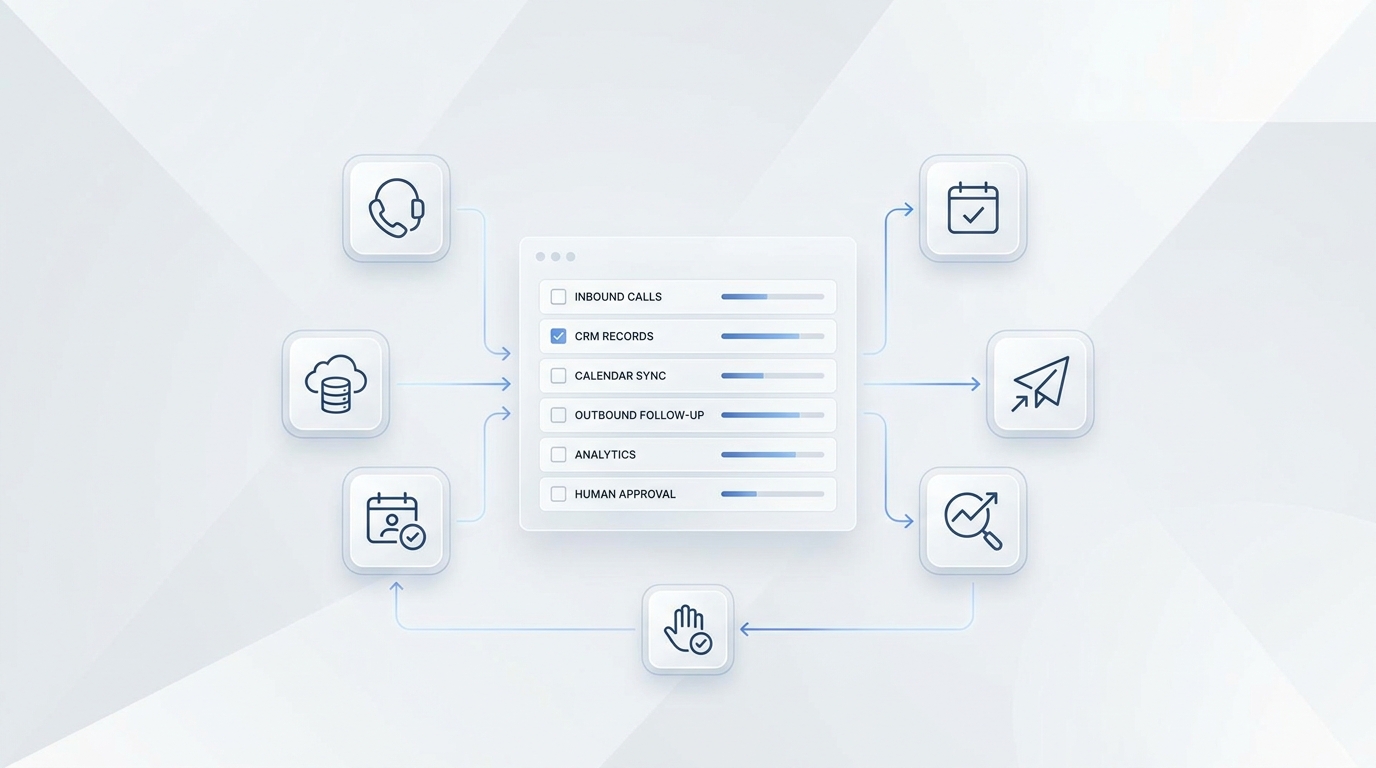
Staff review should not feel like a dead end. If a consultation request needs review, tell the client what was captured and what happens next. The handoff should include service interest, preferred windows, client status, contact details, and the reason review is needed.
This is especially important for medical, pricing, provider-specific, or VIP situations. A client should feel that the team is giving the request attention, not that automation blocked them. Solvea can set that expectation during the call and make the handoff actionable.
When staff review is reliable, the medspa can automate more confidently. The business does not have to choose between speed and quality; it can use direct booking where safe and review where judgment matters.
Use consultation booking to improve follow-up
A consultation is not finished when the client chooses a time. The workflow should decide what happens before the visit, during check-in, and after the consultation. If a client needs forms, photos, prep notes, or a reminder, those steps should be tied to the booking instead of left to memory.
After the consultation, the team should know whether the client booked treatment, needed more information, declined, or should be followed up later. This is where consultation booking becomes client management. The appointment record should carry the next action.
Solvea can support the follow-up loop when clients call back with additional questions or new availability. It can identify the prior consultation context and route the call to the right queue instead of treating it like a new inquiry.
Train the workflow with staff corrections
The first version of a consultation booking workflow will not be perfect. Staff may move appointments, add missing notes, or decide that certain requests should have been escalated. Those corrections are valuable data, not just cleanup.
Review staff corrections every week. If providers often need one more intake detail, add that question. If clients arrive confused about what the consultation includes, improve the confirmation. If staff keep moving appointments to different providers, tighten the provider rule.
This feedback loop keeps automation aligned with how the medspa actually sells and serves clients. Solvea handles repeatable intake, while staff corrections teach the workflow where nuance still matters.
Prevent consult leakage after the first response
Many consultation leads do not disappear because the medspa lacked a booking link. They disappear because the first response did not create enough momentum. The client asked one question, received a vague answer, and never reached a scheduled consult. A strong workflow moves from interest to next step immediately.
That next step may be a confirmed consultation, a preferred-window request, or a staff callback with context. What matters is that the client knows the request was captured and the team knows who owns it. Solvea can keep that first response alive when staff are unavailable.
Track leads that were captured but not booked. If the same service categories stall repeatedly, the consult path may need clearer language, better availability, or faster staff review. This is where booking operations and revenue growth meet.
Design the handoff for fast staff action
A handoff should not be a raw transcript alone. The front desk needs service interest, client status, preferred time, urgency, provider preference, and the reason for review at the top. Staff can read the transcript later if they need detail.
For consult requests, include whether the client is comparing services, ready to book, returning for a follow-up, or asking a question that might affect treatment fit. This lets staff respond with confidence instead of starting the conversation over.
When handoffs are easy to scan, staff are more likely to trust the AI receptionist. That trust is what allows the medspa to expand automation without losing control of the client experience or slowing down high-intent consult leads. It also gives managers a concrete way to coach staff and refine scripts after real calls, not assumptions about what clients wanted or where the handoff slowed down for clients, providers, and front-desk scheduling staff.
Your AI Receptionist, Live in Minutes.
Scale your front desk with an AI that never sleeps. Solvea handles unlimited multi-channel inquiries, books appointments into your calendar automatically, and ensures zero missed opportunities around the clock.
Frequently asked questions
What is medspa consultation booking?
It is the workflow that turns a client inquiry into a scheduled consultation with the right provider, preparation, and follow-up path.
Can consultations be booked automatically?
Some can, but medical questions, complex treatment fit, VIP clients, or pricing concerns should route to staff review.
How does Solvea help?
Solvea answers calls, asks approved intake questions, books eligible consults, and summarizes exceptions for the front desk.
What details should be collected?
Collect service interest, new or returning status, preferred timing, contact path, provider preference, and any question that may require staff review.
How do you improve show rate?
Set clear expectations, confirm the appointment, make rescheduling easy, and review no-show patterns by source and service type.