Who this guide is for
Medspa owners, clinic managers, and aesthetic practice operators looking to reduce no-show rates and recover lost revenue through a proven, easy-to-implement reminder system.
If you run a medspa, you know the problem: a client doesn't show up for a filler or laser session, the time slot sits empty, and hundreds of dollars in revenue disappear. The 3-3-3 cadence is a simple three-touch reminder sequence that reduces no-shows without adding manual work to your front desk. This guide walks you through how it works, how to set it up in minutes, and what to do when a client doesn't respond.
About the author
Ivy Chen is a practice management consultant with 8+ years of experience helping medspas and aesthetic clinics optimize scheduling operations and reduce client attrition.Medspa no-shows are expensive in a way that is easy to underestimate. A single unfilled 90-minute injectables appointment can represent $300–$600 in lost revenue. Multiply that by a few per week and you are looking at thousands of dollars monthly that a systematic reminder sequence could recover.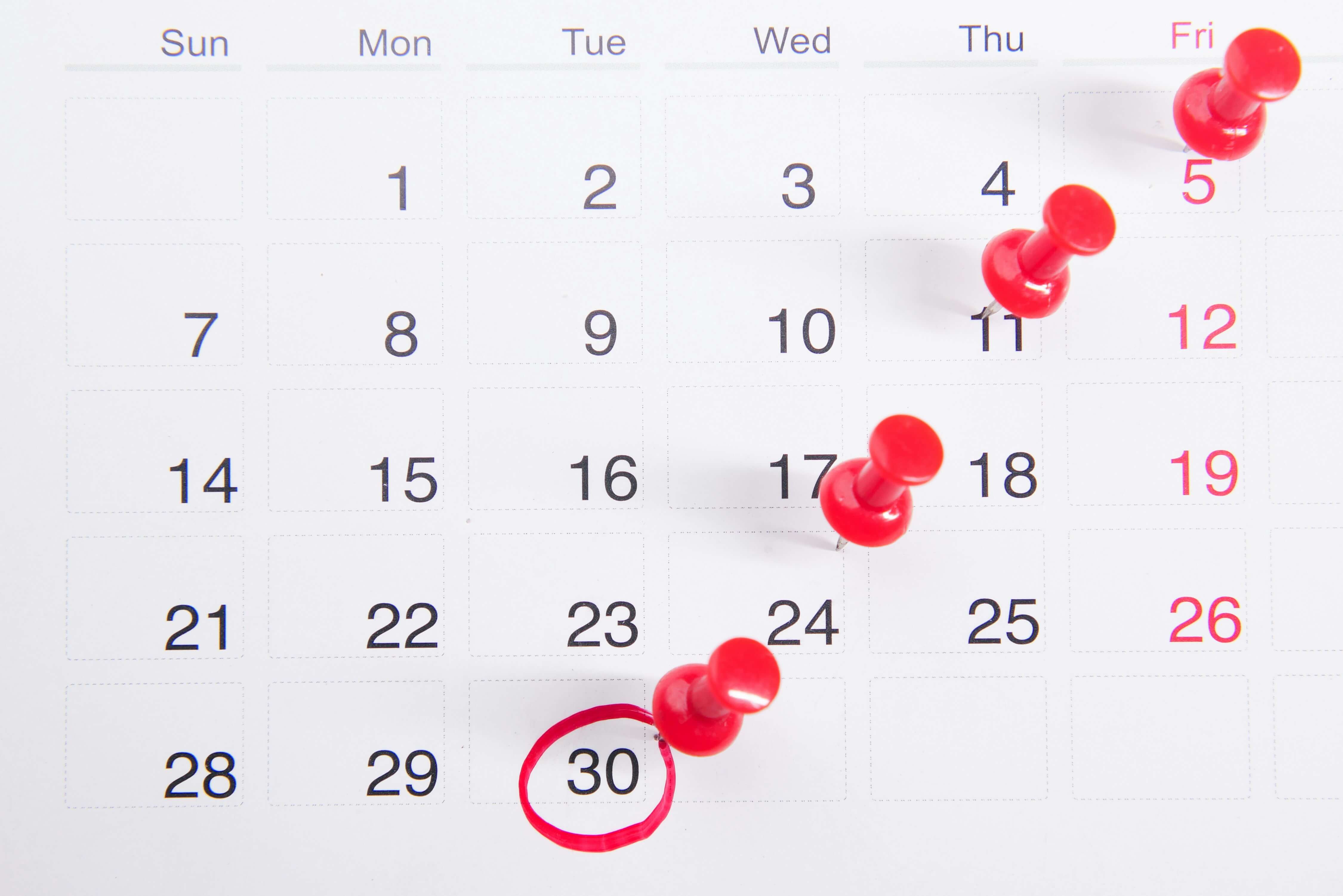
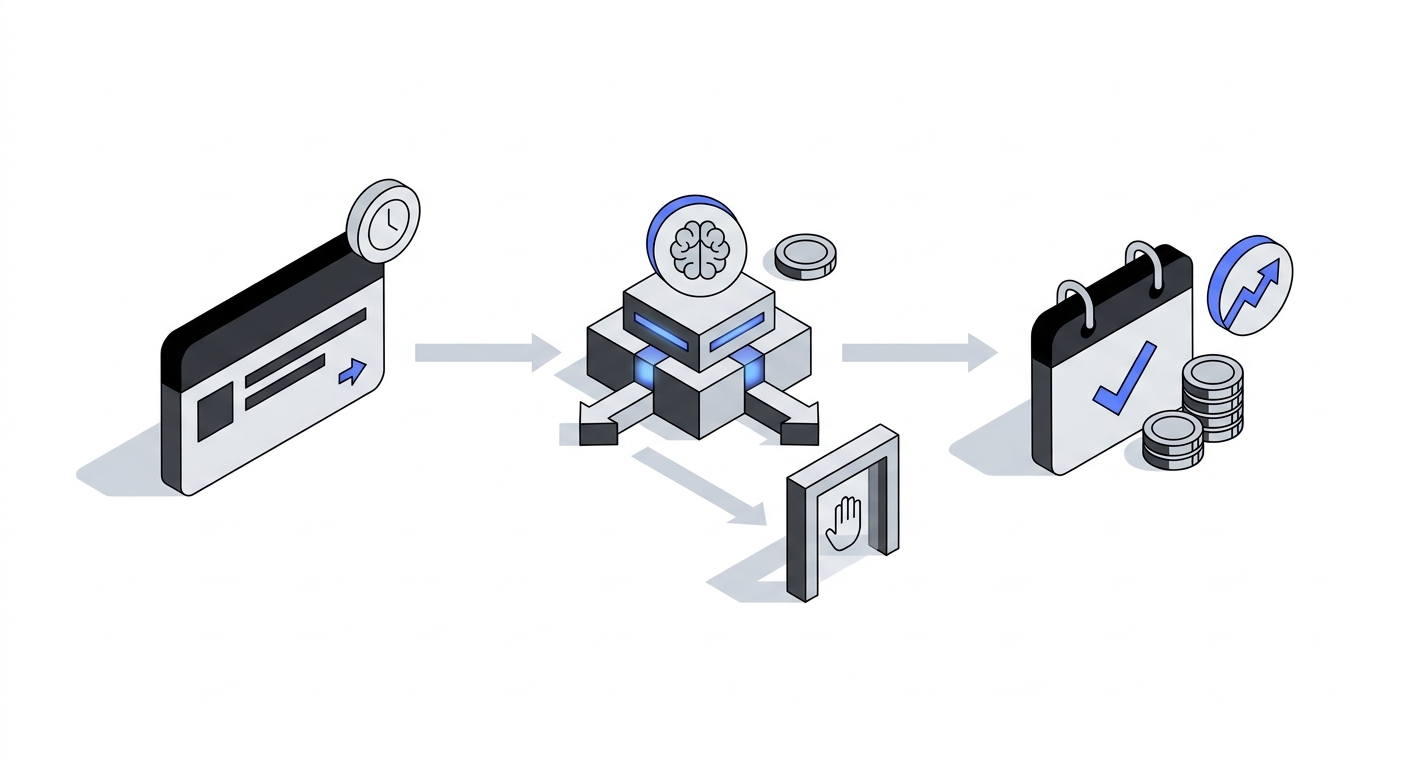
The 3-3-3 cadence is a reminder structure built around three touchpoints at three specific intervals: three days before the appointment, three hours before, and a final "are you on your way?" confirmation. It is not complicated — but medspas that implement it consistently see measurable reductions in no-show rates.
This guide explains how the cadence works, how to set it up, and what to do when a client does not respond.
TL;DR
Step | Timing | Channel | Purpose |
Reminder 1 | 3 days before | SMS or email | Early heads-up, easy to rebook if needed |
Reminder 2 | 3 hours before | SMS | Confirmation while day is in motion |
Reminder 3 | Day-of morning (optional) | SMS | Final nudge for clients prone to forgetting |
Who It's For | Medspas and aesthetic clinics with 10%+ no-show rates | — | — |
What Is the 3-3-3 Appointment Reminder Cadence?
The 3-3-3 cadence is a structured multi-touch reminder sequence where medspa staff (or an automated system) contacts clients at three distinct intervals before their scheduled appointment:
- 3 days out — a full-detail reminder with date, time, provider, and a clear path to reschedule if needed
- 3 hours before — a brief, action-triggering confirmation asking the client to confirm or flag any issue
- Optional 3rd touch — a morning-of message for clients who have historically missed appointments or for high-value bookings
The cadence works because no-shows happen for two main reasons: genuine forgetfulness and passive avoidance (the client needs to cancel but doesn't want to). The three-day message gives forgetful clients time to re-engage with their calendar. The three-hour message catches the passive avoiders in a moment when a quick confirmation is low-friction. Together, they reduce the chance that either type of client slips through.
Why This Cadence Works for Medspas Specifically
Medspa appointments are different from a haircut or a dental cleaning in ways that affect reminder strategy:
Higher appointment value. Botox, filler, and laser sessions can run $300–$1,000+. Clients who book these treatments are making a considered purchase — they are more likely to intend to show up, but they are also more likely to rebook than simply cancel. A gentle reminder is enough to prompt the reschedule conversation.
Longer treatments. A 90-minute filler session is much harder to fill on short notice than a 30-minute trim. The three-day reminder window gives you enough lead time to fill the slot if the client cancels.
Pre-treatment prep requirements. Many medspa treatments require clients to arrive without certain skincare products, avoid alcohol beforehand, or complete a consent form. Including these prep notes in the three-day reminder improves compliance and reduces in-session delays.
Trust-sensitive context. Aesthetic treatments are personal. An overly aggressive or impersonal reminder can feel off-tone. The 3-3-3 cadence, when written warmly, reinforces the care relationship rather than feeling transactional.
How to Set Up the 3-3-3 Cadence: Step-by-Step
Step 1: Write Your Three Templates
Each message should be short, specific, and warm. Here are starting templates you can adapt:
Reminder 1 (3 days before) — SMS:
Hi [First Name], your [Treatment] with [Provider] at [Clinic] is coming up on [Day] at [Time]. 🗓️ Reply CONFIRM to lock it in, or call [number] if you need to reschedule. We'll have [pre-care note: e.g., "please arrive without SPF"] ready for you!
Reminder 2 (3 hours before) — SMS:
Hi [First Name], see you in a few hours at [Time] for your [Treatment] at [Clinic]! [Address if first visit.] Any last-minute questions? Reply here. – [Clinic Name]
Optional morning-of touch (for high-value or high-risk appointments):
Good morning [First Name]! Just a quick reminder: you're on the books for [time] today at [Clinic Name]. Looking forward to seeing you. 💙
Step 2: Configure Your Booking Platform
Most medspa booking platforms support automated reminder sequences. Setup steps vary by platform, but the general approach is:
- Navigate to Reminders or Notifications in your booking platform settings
- Enable SMS reminders and confirm you have an SMS number provisioned
- Create a reminder rule: 3 days before appointment → paste your Template 1 message
- Create a second rule: 3 hours before appointment → paste your Template 2 message
- (Optional) Enable a morning-of reminder for appointments with values above a threshold
Platforms that support multi-touch SMS reminders: Acuity Scheduling, Square Appointments, Mindbody, Fresha, Aesthetic Record, Mangomint, and most major medspa-specific platforms.
Step 3: Handle Confirmations and Responses
A reminder system is only complete if someone (or something) is handling the replies. Clients who respond "I need to reschedule" need a fast response — ideally within minutes. A reminder that goes unanswered for two hours creates frustration and may result in a no-show anyway.
If your front desk is not available to monitor responses around the clock, an AI receptionist can bridge the gap. Systems like Solvea handle incoming SMS replies automatically — confirming appointments, collecting reschedule requests, and updating your calendar in real time, even for messages that arrive after hours.
Step 4: Track Your No-Show Rate Before and After
Measure your no-show rate for four weeks before implementing the 3-3-3 cadence, then measure for four weeks after. Practices that implement consistent multi-touch reminder sequences typically see measurable no-show reduction within the first month.
No-show rate formula: (No-shows ÷ Total scheduled appointments) × 100
Target: Under 8% for a medspa with active reminders.
What to Do When a Client Doesn't Respond
Not responding to a reminder is different from confirming attendance. Some clients simply do not reply to SMS — they are still planning to come.
Recommended approach: - No response to Reminder 1 (3 days out): No action needed. Reminder 2 will catch them. - No response to Reminder 2 (3 hours before): For high-value appointments, one brief follow-up call is appropriate. For standard appointments, proceed normally — most non-responders still show. - No-show despite reminders: Send a reactivation message within 24–48 hours (see no-show reactivation templates).
Do not add extra reminders as a replacement for a non-response. Three touches is the limit before the cadence becomes irritating and signals distrust.
Combining the Reminder Cadence with a Deposit Policy
The 3-3-3 cadence is most effective when paired with a card-on-file or deposit policy for new clients and high-value treatments. Clients who have made a financial commitment cancel at significantly lower rates — and when they do cancel, they are more likely to do so in advance, giving you recovery time.
A common medspa approach: - Free consultations and first visits: no deposit, full 3-3-3 reminder sequence - Injectables, laser, and treatments over $300: $50–$100 deposit or card on file required at booking
The reminder sequence ensures clients feel cared for; the deposit policy reduces passive avoidance from clients who booked without full commitment.
Your AI Receptionist, Live in Minutes.
Scale your front desk with an AI that never sleeps. Solvea handles unlimited multi-channel inquiries, books appointments into your calendar automatically, and ensures zero missed opportunities around the clock.
FAQ
What is the 3-3-3 appointment reminder cadence? It's a three-touch reminder sequence: one message three days before the appointment, one three hours before, and optionally one on the morning of the appointment. It's designed to reduce no-shows by catching forgetful clients early and confirming commitment close to the appointment time.
How much can the 3-3-3 cadence reduce no-shows at a medspa? Practices implementing structured multi-touch reminder sequences typically see no-show rates drop from the 12–18% range to 5–8%. Results vary based on prior reminder practices and client mix.
Should I use SMS or email for appointment reminders? SMS for the 3-hour and morning-of reminders — SMS messages are significantly more likely to be read before the appointment than email. Email works well for the 3-day message when you need to include detailed pre-care instructions.
How do I handle clients who ask to reschedule after getting a reminder? This is the goal — a reschedule request is far better than a no-show. Respond quickly with two or three available time slots. If response handling is a bottleneck, automated inbox management tools can handle reschedule requests in real time.
Is the 3-3-3 cadence appropriate for all medspa treatments? Yes, with minor modifications. Longer or higher-value treatments (full-face filler, laser series) may warrant an additional confirmation call from the provider. Shorter services (HydraFacial, waxing) work well with just SMS.