If you are shopping for an after hours call answering service, you probably already suspect the problem is not phone etiquette. It is revenue leakage.
The calls you miss after 5 p.m. are often the calls with the highest urgency: someone needs a same-day booking, an estimate before they contact the next provider, or reassurance before they commit. When that caller gets voicemail, the cost is not the ring. The cost is the booking, job, consultation, or repeat customer that never makes it into your pipeline.
This guide shows how to estimate that loss, when an after-hours workflow pays for itself, and what to look for in an after hours call answering service if you want better coverage without adding another staffing headache.
Why outside-business-hours calls are expensive
Outside-business-hours demand behaves differently from routine daytime traffic.
- The caller often has higher urgency.
- Your staff is unavailable to salvage the conversation in real time.
- The next business with live coverage is one tap away.
- A next-morning callback is usually too late to feel immediate.
That last point matters. A classic Harvard Business Review summary of speed-to-lead research argued that response delays sharply reduce qualification odds, which is directionally useful even though it focused on web leads rather than phone calls. For service businesses, the operating lesson is simple: if the lead is hot now, waiting until tomorrow usually lowers conversion odds.
Missed after-hours calls also compound operationally. The caller may leave incomplete voicemail, your team may have no transcript or urgency signal, and the morning shift starts with triage instead of follow-up.
A simple missed-call revenue formula
You do not need a perfect attribution model to decide whether an after hours call answering service is worth it. You need a working estimate.
Use this formula:
Missed after-hours calls per month x qualified-lead rate x booking rate x average revenue per booking
If you want a more conservative model, split it into two cases:
- New-lead calls
- Existing-customer calls that protect retention, reviews, or repeat jobs
For most small service businesses, start with new-lead calls first because that is the easiest part to value.
Example assumptions
| Input | Conservative | Moderate | Aggressive |
|---|---|---|---|
| Missed after-hours calls per month | 20 | 40 | 80 |
| Share that are real sales opportunities | 35% | 45% | 55% |
| Booking rate if answered well | 40% | 50% | 60% |
| Average revenue per booked job | $150 | $250 | $450 |
| Monthly revenue at risk | $420 | $2,250 | $11,880 |
That table is not an industry benchmark. It is a planning model. The point is that even low call volume can create meaningful leakage when each booked job is worth real money.
What that looks like in real service businesses
Here are three modeled examples for teams that do not think of themselves as “high call volume.”
Medspa or wellness clinic
- 25 missed after-hours calls per month
- 40% are consultation-worthy
- 45% would book if handled correctly
- Average first-visit revenue: $220
Estimated monthly revenue at risk: $990
If the clinic also sells packages or repeat treatments, the lifetime value can be much higher than the first booking.
Home services business
- 35 missed after-hours calls per month
- 50% are estimate or urgent-service opportunities
- 50% would convert if captured
- Average revenue per booked job: $300
Estimated monthly revenue at risk: $2,625
This is why after-hours coverage is especially important for plumbers, HVAC teams, electricians, and locksmiths. The caller is usually not browsing. They are trying to solve a problem now.
Law firm or professional services intake
- 15 missed after-hours calls per month
- 40% are qualified consultations
- 35% would book if handled properly
- Average value of an initial retained matter used for modeling: $800
Estimated monthly revenue at risk: $1,680
For legal and professional intake, the more important number may be not just booked consultations, but whether the lead ever enters your follow-up system with enough detail to continue the conversation.
The hidden cost is not just lost bookings
An after hours call answering service can also affect costs you may not see in the same spreadsheet.
Slower morning triage
If your team starts every day digging through voicemail, calling back cold leads, and guessing urgency, you are paying for labor before you recover any revenue.
Lower close rate on callbacks
The next-morning callback is often an inferior recovery path:
- the customer already found someone else,
- the urgency passed,
- the context is stale,
- or your staff has too little detail to reopen the conversation confidently.
Review and retention risk
Service quality affects repeat buying. Salesforce says customers are more likely to purchase again after good service experiences. That does not mean every missed call creates churn, but it does mean coverage quality has revenue implications beyond first-touch lead capture.
Staffing economics
If your alternative is stretching front-desk labor into nights and weekends, labor math matters. According to the U.S. Bureau of Labor Statistics, receptionists and information clerks had a national mean wage of $18.50/hour in May 2025. BLS also reported in its March 2026 Employer Costs for Employee Compensation release that private-industry compensation averaged 69.9% wages and 30.1% benefits. That means the loaded cost of coverage is materially higher than the wage line alone.
You do not need full 24/7 staffing to justify a software-assisted workflow. You only need the recovered revenue and labor savings to beat the cost of coverage.
When an after hours call answering service pays for itself
An after hours call answering service usually pays for itself when at least one of these is true:
- One or two recovered bookings per month would cover the monthly tool cost.
- Your team misses calls during evenings, weekends, lunch coverage, or field work.
- You have high-intent inbound calls with meaningful average ticket value.
- Your current fallback is voicemail plus inconsistent callback discipline.
- You need better transcripts, summaries, and urgency routing, not just someone to say hello.
This is the real buying question: do you need generic call coverage, or do you need an after-hours workflow that helps the next person act fast?
What to demand from an after hours call answering service
Not every service solves the same problem. If your goal is recovered revenue, look for these capabilities.
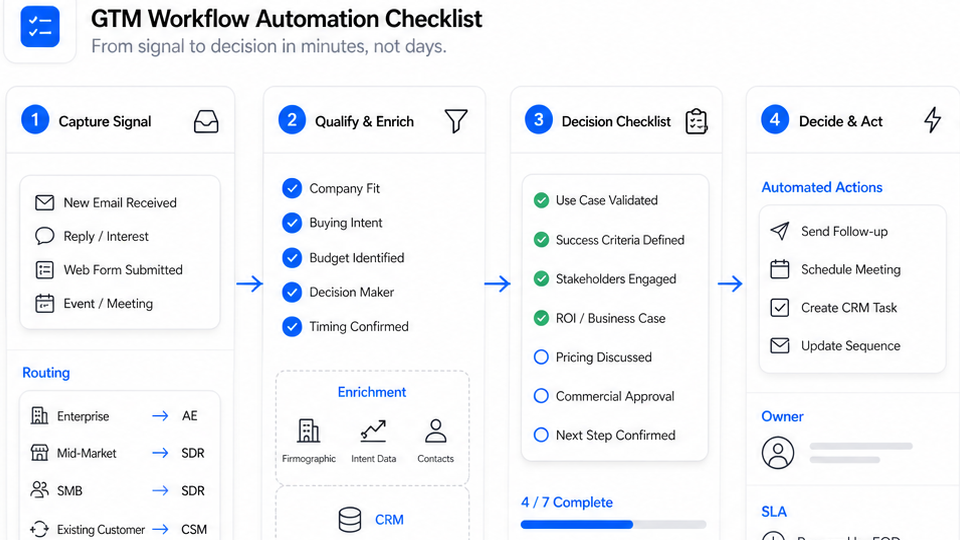
1. Intent capture, not just message taking
You want the system to collect:
- caller name and contact details,
- reason for calling,
- urgency,
- preferred appointment window,
- and any location or service details your team needs.
“We took a message” is not enough if your staff still has to reconstruct the lead the next morning.
2. Structured routing
Some calls can wait. Some should trigger an alert, transfer, or high-priority follow-up queue. A good after hours call answering service should let you define that difference.
3. Full context for follow-up
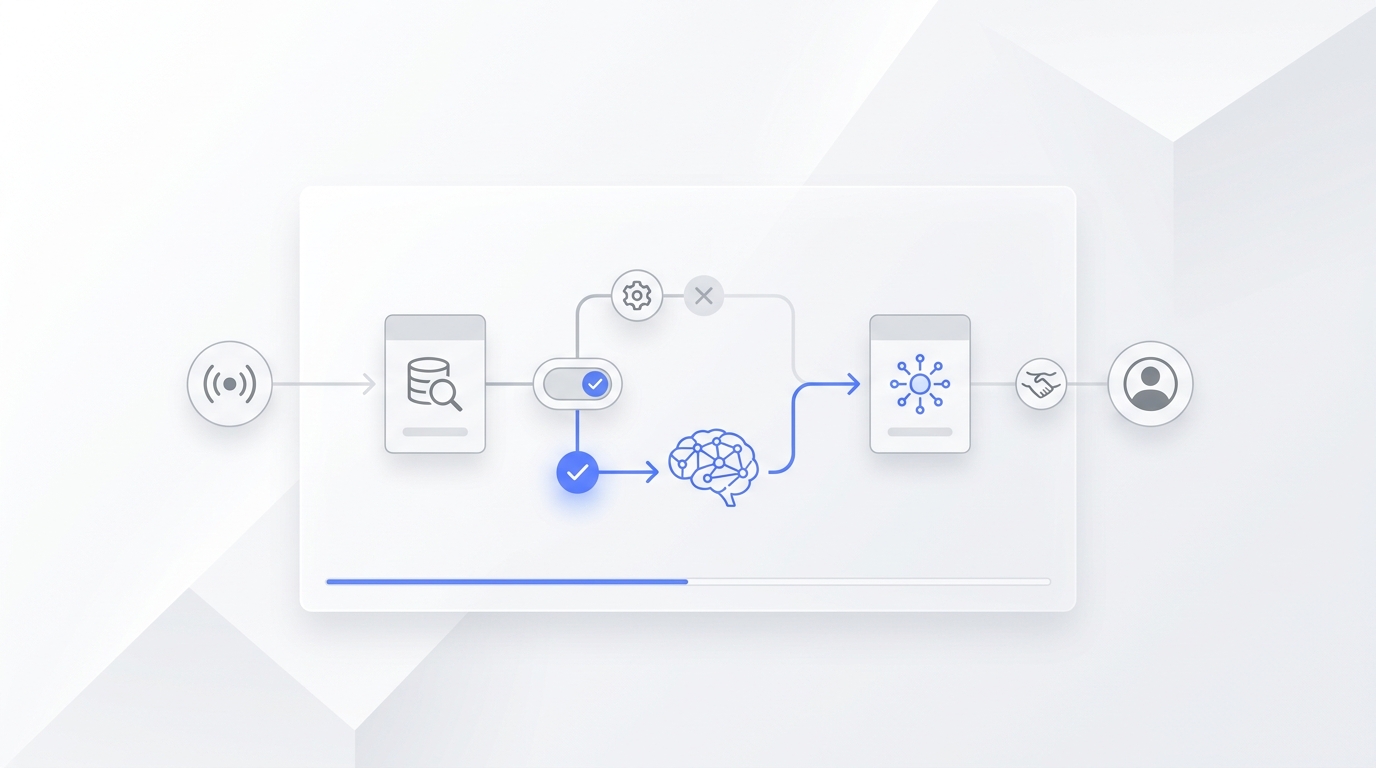
Summaries, transcripts, and shared ownership matter. Solvea’s product positioning is strong here because the AI receptionist does not stop at answering the missed call. It feeds the conversation into a shared inbox so the team can continue by phone, SMS, email, or chat with context attached.
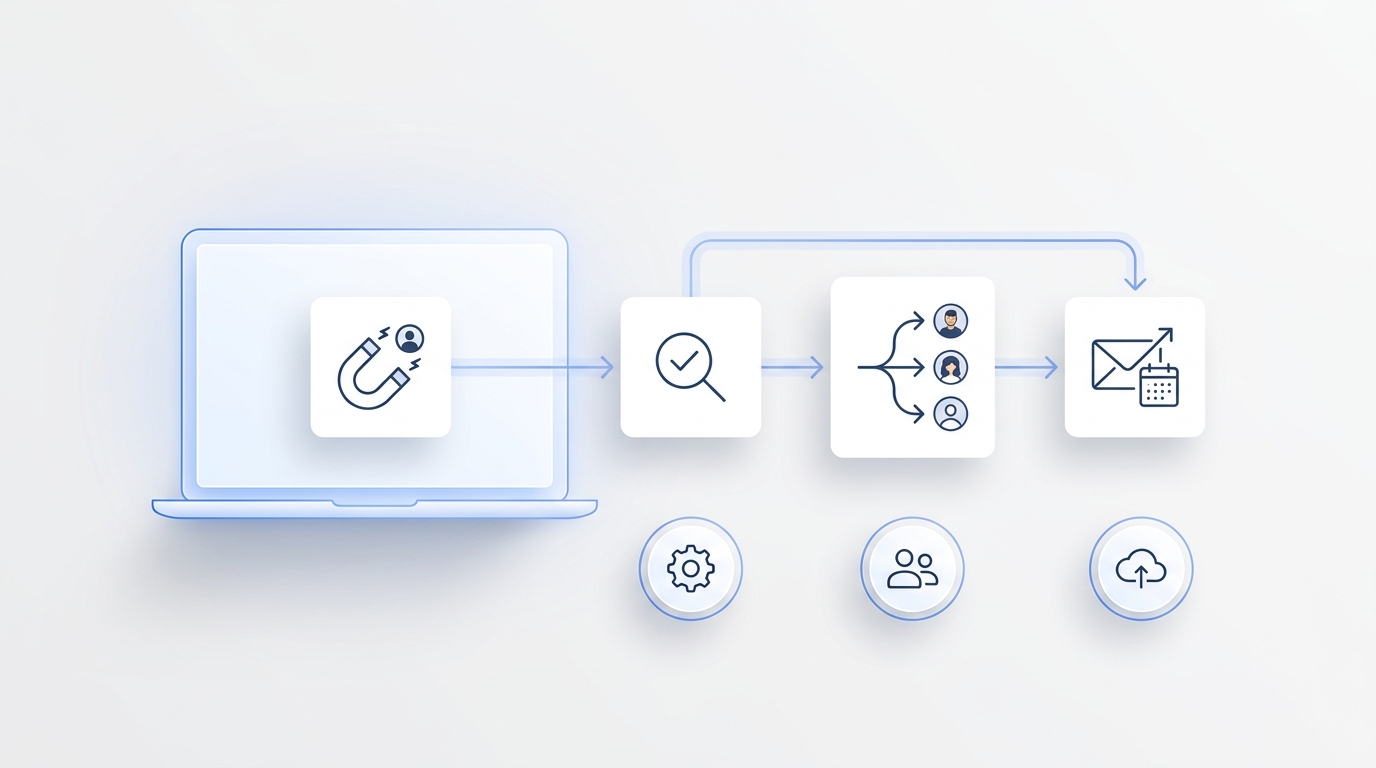
4. Booking and workflow compatibility
If your real goal is appointments, estimates, or intake, make sure the system fits your calendar and follow-up process. Coverage without handoff quality just moves the bottleneck.
5. Multi-channel continuity
Some callers prefer a callback. Others want a text. Some businesses need email or WhatsApp follow-up. If the after-hours tool only covers the call itself, your team may still lose momentum after the first interaction.
Where Solvea fits
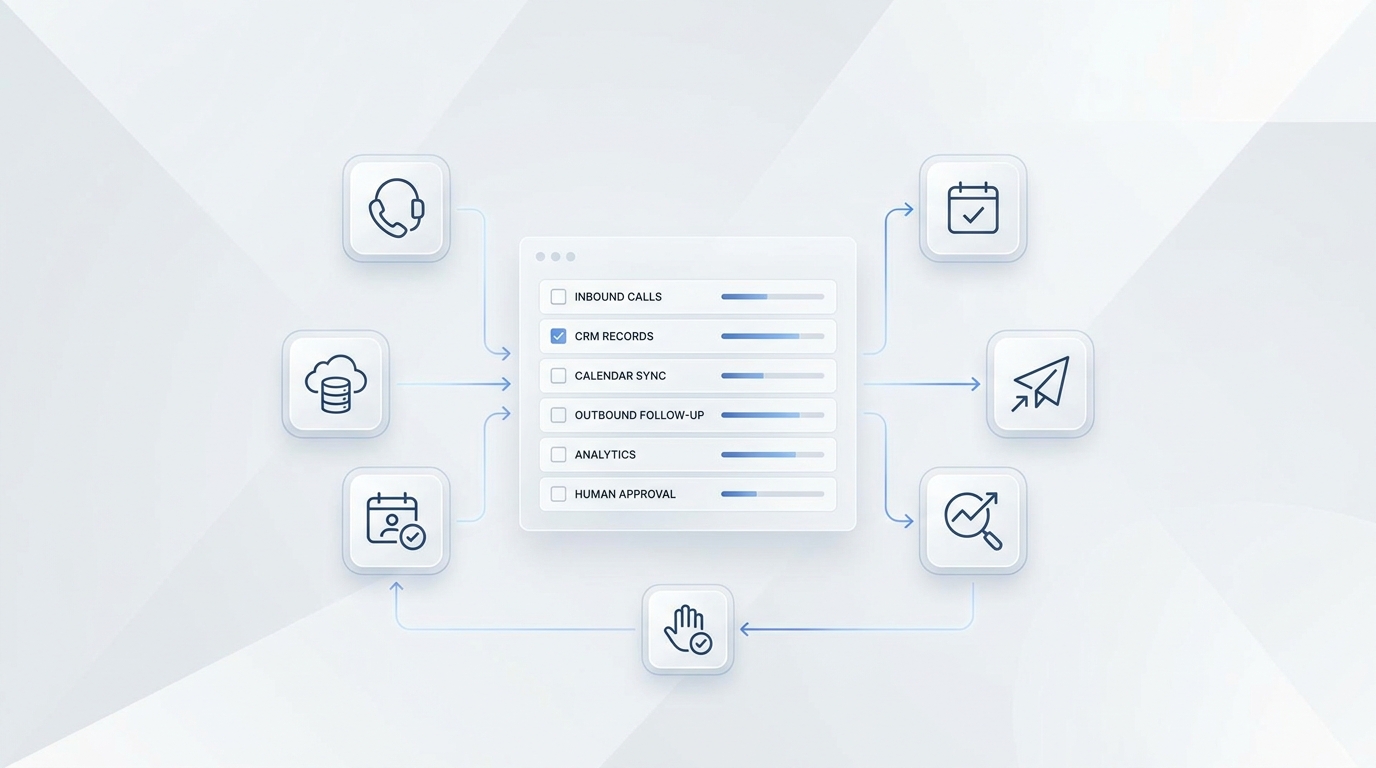
Solvea is not just a voicemail replacement. Its positioning is closer to an after hours call answering service plus team follow-up workflow:
- AI answers missed customer calls
- transcripts and summaries preserve context
- urgency and intent are visible to the team
- follow-up can continue across voice, SMS, email, live chat, and other channels in one shared inbox
That matters if your front desk signs off but your customer demand does not.
Solvea also has first-party proof points tied to service outcomes, including a medspa deployment cited in its own materials with a 100% call answer rate and a 30% increase in patient bookings. Those are company-specific examples, not guarantees, but they support the broader thesis that coverage quality can recover measurable revenue.
Your AI Receptionist, Live in Minutes.
Scale your front desk with an AI that never sleeps. Solvea handles unlimited multi-channel inquiries, books appointments into your calendar automatically, and ensures zero missed opportunities around the clock.
A practical next step
Before you buy anything, run a 30-minute audit:
- Count after-hours missed calls from the last 30 days.
- Mark which ones were likely sales or booking opportunities.
- Estimate average revenue per recovered booking.
- Multiply by a realistic booking rate if those calls had been handled well.
- Compare that number against the monthly cost of an after-hours workflow.
If the gap is large, the business case is already clear.
If you want to measure what missed calls are costing and fix it with Solvea, start with the revenue-at-risk model above, then compare it against your current after-hours fallback: voicemail, message taking, live transfer, or structured AI follow-up. The right after hours call answering service should reduce missed-call loss, improve handoff quality, and help your team recover demand after the front desk signs off. If you need more context first, see Solvea’s after-hours playbook, its broader guide on the cost of missing calls, or go straight to pricing.