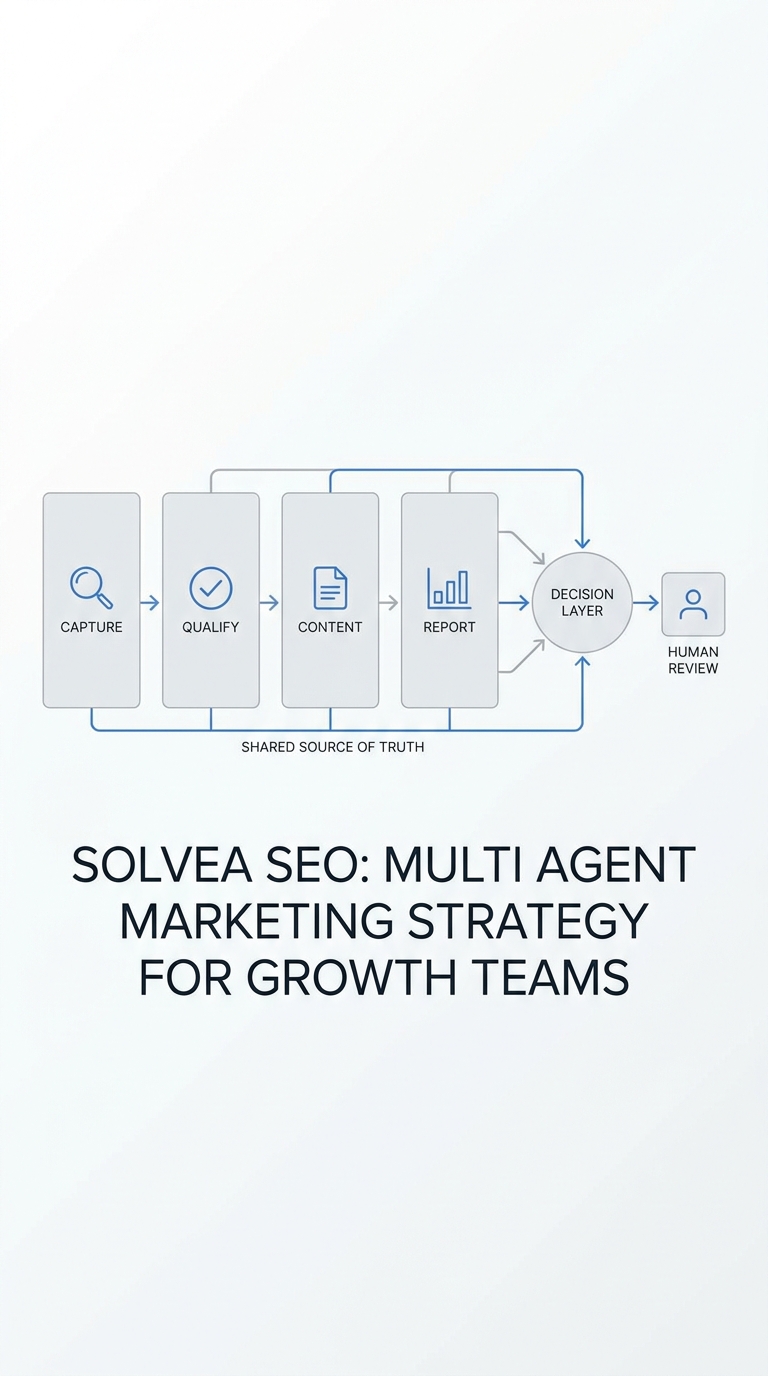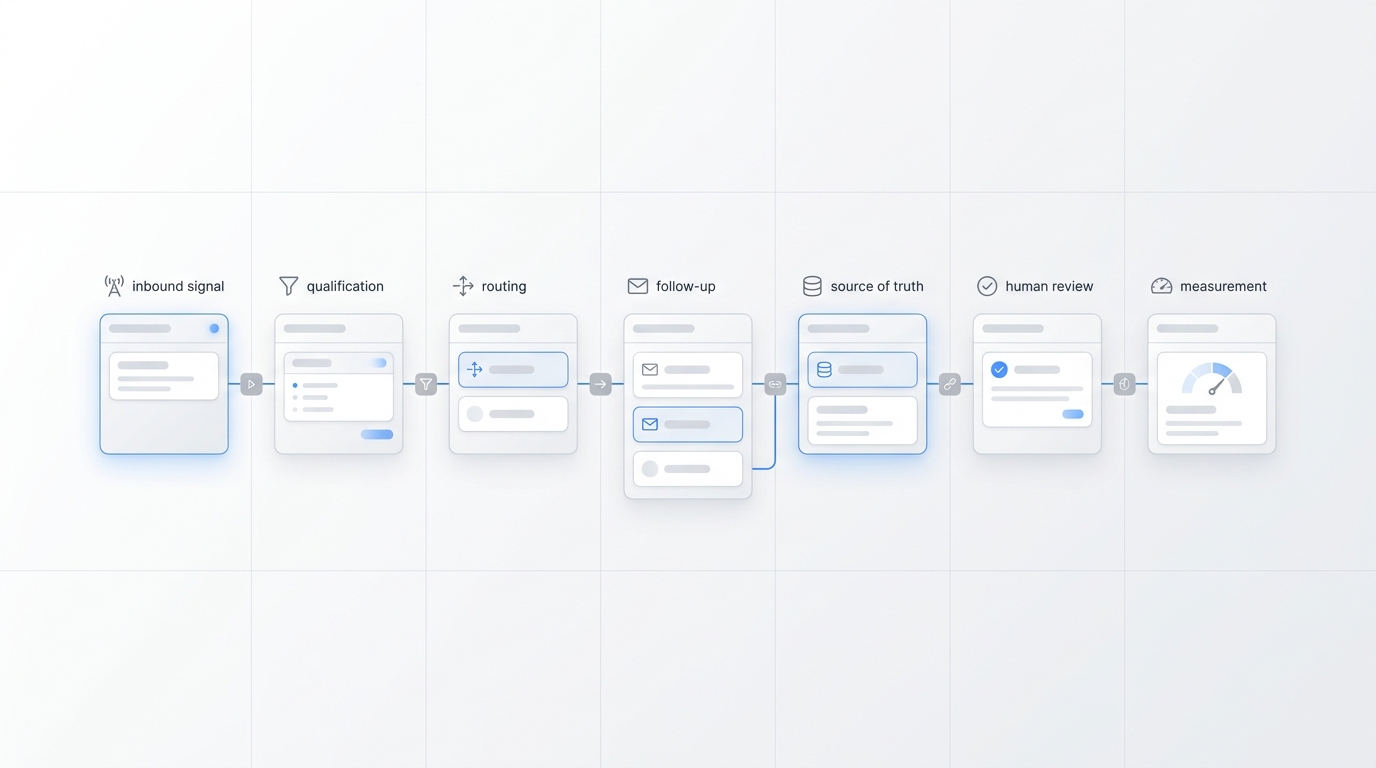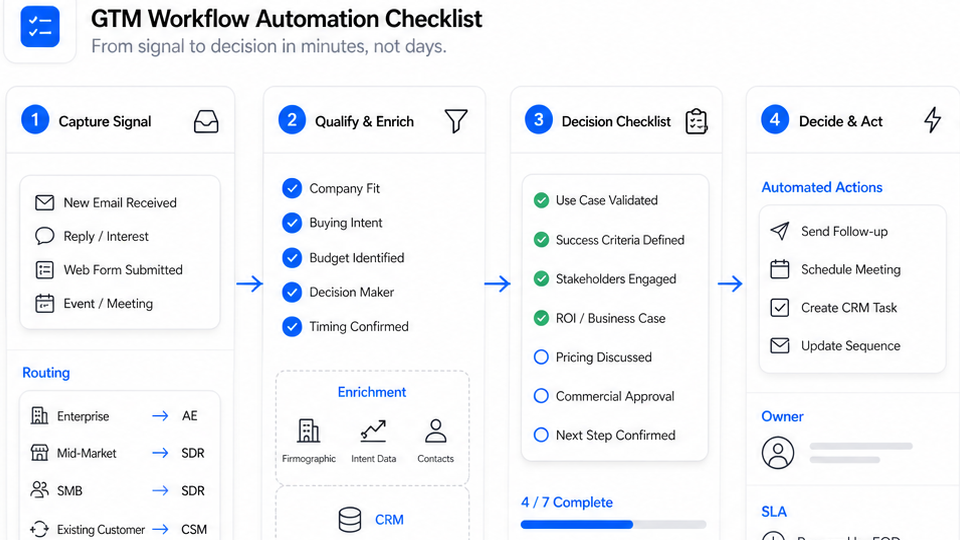
Manus AI is a next-generation AI agent that doesn't just provide answers but actively completes tasks on your behalf. Over the past months, I have been using the tool for various tasks, such as generating tables, creating slides, making videos, drafting technical content, and more. It significantly streamlined my workflow, boosting both efficiency and productivity.
According to Globe Newswire, the AI agents market is projected to grow from USD 5.1 billion in 2024 to USD 47.1 billion by 2030, with a CAGR of 44.8%. Undoubtedly, Manus AI stands as a powerful autonomous tool for various applications. That said, it's not without limitations when tackling complex tasks, such as inconsistent analytical accuracy and occasional system crashes, leading some users to explore alternatives among its competitors.
Are there any Manus AI alternatives that can do the same thing or better? After testing and comparing plenty of AI agents, we highlight the top 6 alternatives to Manus AI in 2026. Let's dive into how they compare each other and why it beats Manus AI.
TL;DR: What's the Best Manus AI Alternative
The best Manus AI alternatives vary depending on your specific needs, while the most common ones include ChatGPT agent, Lindy.ai, OpenClaw, GenSpark AI, AutoGPT, etc. Among these tools, ChatGPT Agent is the most accessible for general tasks, Lindy.ai dominates business automation, OpenClaw gives users full control of customization, GenSpark AI excel in research and knowledge management, and AutoGPT stands out as open-source AI agent for developers and technical users.
Why Look for an Alternative to Manus AI
While Manus AI offers impressive automation for various tasks, it is not a "one-size-fits-all" solution for all users. Its credit-based billing and limited customization drive users to seek a more specialized agent that could perform the same task faster and at a lower cost.
- Potential high costs: Manus AI's credit-based billing can be unpredictable, often consuming hundreds of dollars for complex tasks that get stuck in loops.
- Data privacy worries: Ongoing Manus AI safety discussions on platforms like Reddit suggest that many users are concerned about how much data the "cloud browser" can access.
- Limited customization: Manus offers little flexibility for developers who need to integrate with custom local tools into their specific workflows.
How We Tested and Compared These Manus AI Alternatives
We have researched every Manus AI alternative listed here over the past few days and tested them in real-life use cases, such as creating weekly plans, writing code, managing tasks, and more. My goal was to see how they handle autonomy without human intervention while maintaining data security.
Here's how we evaluated each AI agent based on the following 4 key standards:
- Automation: Test how well does it breaks down and executes a multi-step goal with minimal human intervention.
- Ease of Use: Is the setup intuitive for non-technical users, or does it require coding?
- Real-life use: Can it complete tasks like booking, research, or data entry reliably?
- Pricing and value: Does the cost-per-task make sense compared to Manus AI's credit system?
6 Best Manus AI Alternatives in 2026
Best Manus AI Alternatives Comparison: At a Glance
This blog breaks down 6 of the best Manus AI alternatives we found on the market. Some of these tools specialize in business AI workflow, others excel at researching or storytelling, and a few are built specifically for open-source development. Here's a quick overview of how they stack up against each other.
Product | Best For | Starting Price (2026) | Key Advantage vs. Manus AI |
ChatGPT Agent | General AI tasks, web research, document generation | $40 agent/month | Broader native tool integration and strong reasoning with fewer workflow loops Faster local-first browsing experience |
Lindy.ai | Business workflow & operations automation | $49.99 agent/month | Built-in business integrations Supports autonomous phone calls. |
OpenClaw | Local deployment, communication app integration and skill extensibility | Free model Usage-Based API | Enhanced data control Ultimate hackability |
GenSpark | Deep research and structured visual output | $19.99/month | Multi-agent research synthesis Structured export results (Sparkpages) |
Saner.AI | Knowledge management and idea organization | $8/month | Focus on deep personal context Prioritizes thought structuring and long-term knowledge |
AutoGPT | Developers and open-source builders | Open-source (free) + API costs | Full transparency and customization with open-source architecture No credit limits |
1.ChatGPT Agent
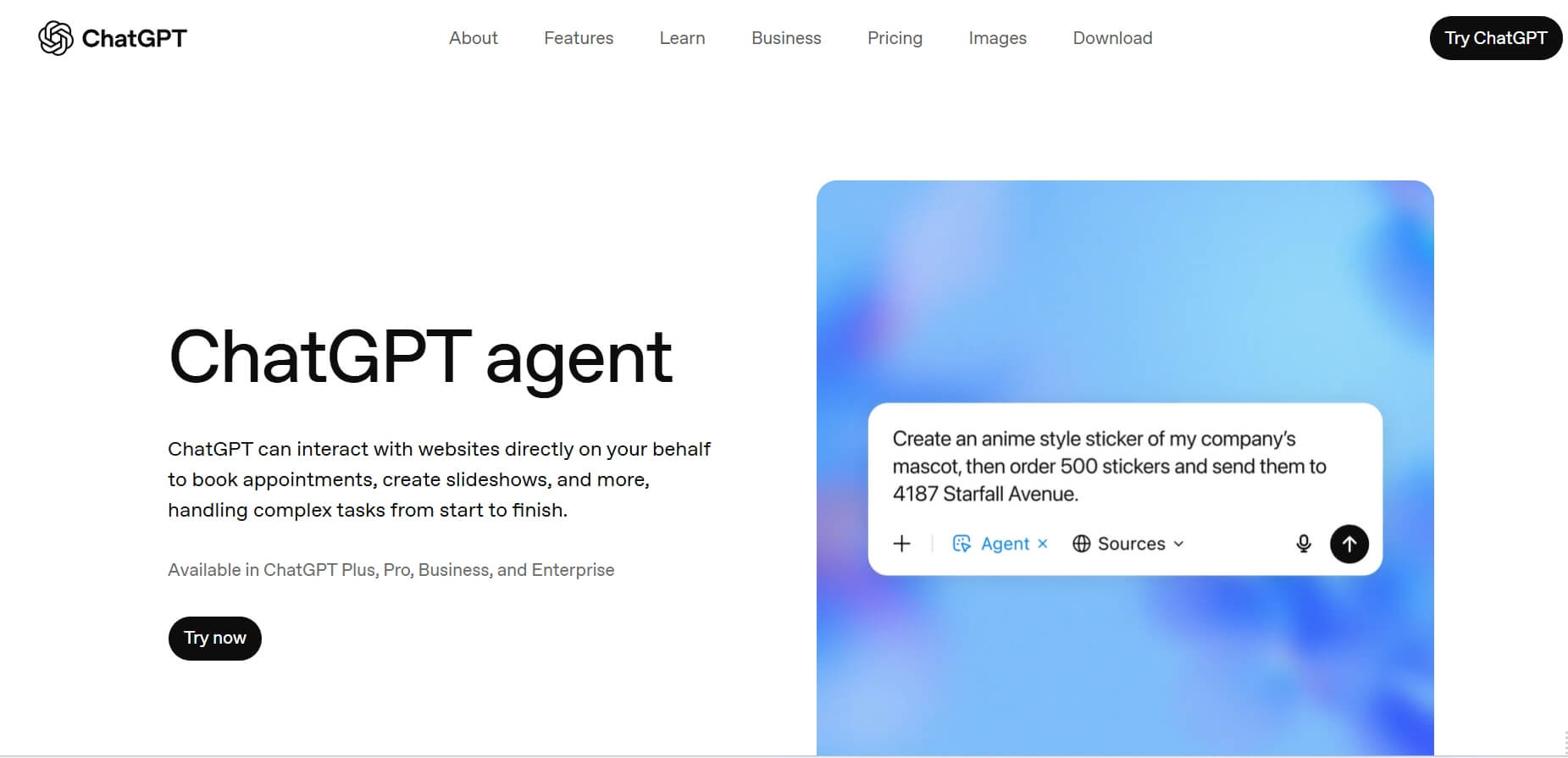
ChatGPT agent is the evolution of OpenAI's "Operator" framework, designed to be the most accessible general-purpose agent. It can natively integrate with your existing ChatGPT Plus subscription, allowing it to navigate the web, analyze data, use apps, and execute code directly within the familiar chat interface.
Key features:
- Basic research and action: Browse, execute. read, summarize, analyze, and take action online
- File creation: Generate slides, reports, Google Docs, and spreadsheets.
- Native app integration: Directly connects with Google Workspace, Gmail, Google Calendar, GitHub, and Microsoft 365.
- Scheduling: Supports recurring tasks such as weekly reports and daily routines.
Where It Outperforms Manus AI:
- Infrastructure: ChatGPT uses a local-first browser approach for better speed, whereas Manus AI relies on a cloud-based server.
- Stability: OpenAI's reasoning models are less likely to "loop" than Manus AI agents.
What I liked | What I disliked |
Excels at end-to-end task execution without workflow bottlenecks or loops. Delivers useful, fully editable outputs, like slides and spreadsheets. Clearly maps out its decision-making journey. | Limited customization and real-time integrations. |
Who is ideal for:
Researchers, professionals, and small teams who are seeking a proactive AI agent to handle web-based tasks, draft documents, and automate routine workflows.
Pricing:
- Free plan: limited access rights
- Go plan: $8/month, expanded access
- Plus plan: $20/month, more access to advanced intelligence
- Pro plan: $100/month, full access to the best of ChatGPT
2. Lindy.ai
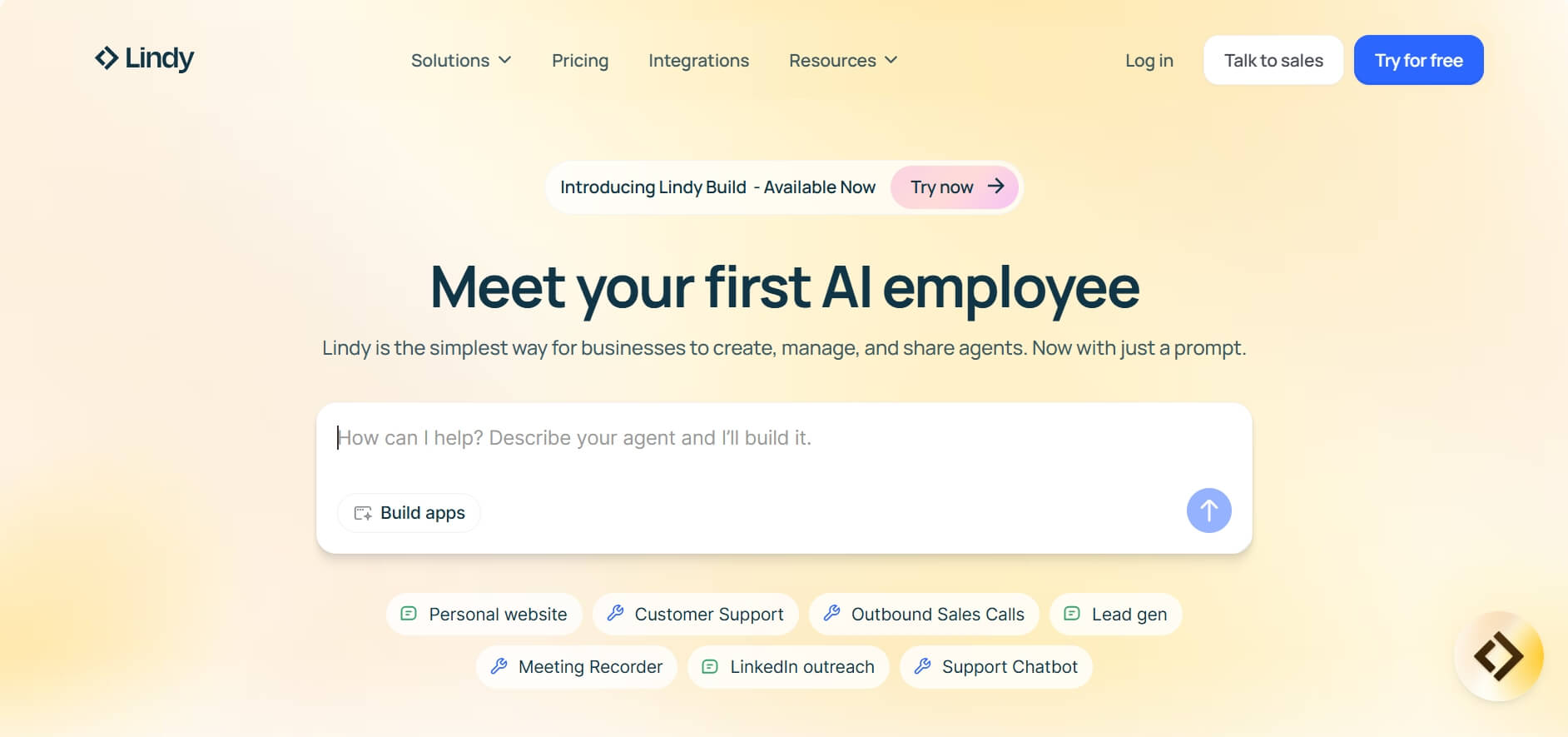
Lindy.ai is a no-code platform that helps you build and manage custom AI agents. The agent is often used to automate common business workflows, such as scheduling calls, data extraction, managing inboxes, and handling follow-ups. Offering ready-to-use templates, its drag-and-drop workflow builders let you launch workflows fast and modify templates without coding.
Key features:
- 4000+ Integrations: Connects to CRM tools, customer service tools, calendars, and more.
- Autonomous Agents: Lets one agent clone itself to complete hundreds of tasks (like emails) in parallel.
- Voice-based: Capable of handling inbound and outbound phone calls autonomously.
- Human-in-the-Loop: Can be set to ask for your approval before sending emails or taking major actions.
Where It Outperforms Manus AI:
- Business Connectivity: Lindy has far more native integrations with professional business tools than Manus AI.
- Versatility: Supports voice calls and complex email chains, which Manus currently lacks.
What I Liked | What I Disliked |
Super easy to build custom business agents. Excellent "Human-in-the-Loop" safety features. SOC 2 and HIPAA compliant for data security. | Complex workflows take time to set up. Best features are limited in higher price tiers. |
Who is ideal for:
Business owners and HR/Sales teams who want an AI assistant to manage their CRM data and professional communications.
Pricing:
- Free plan: Up to 40 credits per month
- Pro plan: $49.99 agent/month (monthly billing), up to 1,500 tasks
- Business plan: $199.99/month (monthly billing), unlimited tasks
- Custom plan: Tailored pricing with dedicated support and SLAs
3. OpenClaw
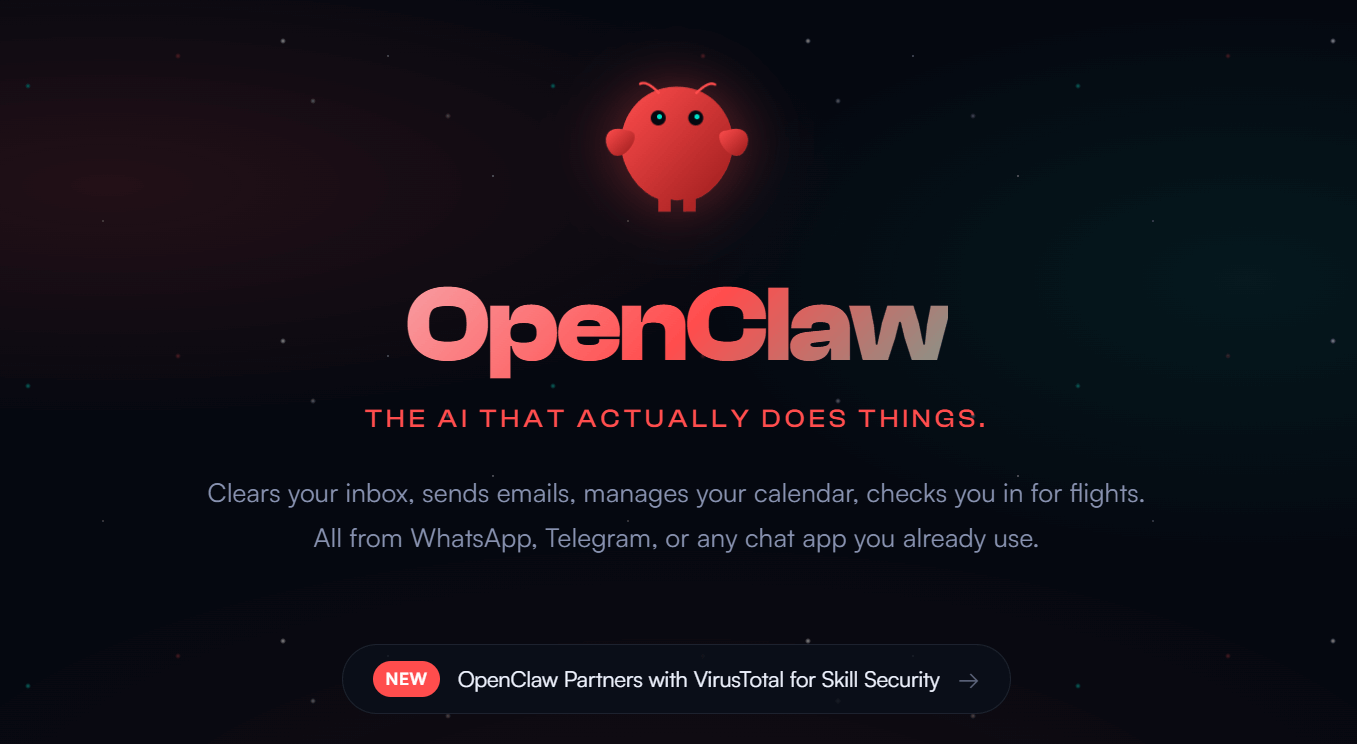
OpenClaw is an open-source personal AI assistant that acts as a digital "coworker" living on your own computer. Its greatest advantage is its local-first architecture; unlike cloud-based agents like Manus AI, OpenClaw runs directly on your hardware (e.g., a Mac Mini or Raspberry Pi) or private server. This provides a high degree of data sovereignty, meaning you retain control over where your data is stored and processed. It is designed to be a 24/7 assistant that can clear your inbox, manage your calendar, and even check you in for flights, all through a simple chat interface on communication apps like WhatsApp or Telegram.
Key features:
- Local Deployment & Data Sovereignty: As an open-source platform, your core context and skills reside on your own machine. While it connects to external LLM APIs for processing, the local deployment ensures you have direct control over your data environment.
- Communication App Integration: Natively connects with WhatsApp, Telegram, and iMessage, allowing you to interact with your agent as if you were messaging a real person.
- Skill Extensibility: Easily add or build new "skills" (like checking flight prices or controlling smart home devices) that the agent can reuse.
- Proactive Agent Activity (Heartbeat): The agent can periodically perform background checks and proactively reach out with updates. However, this feature, combined with its reliance on external APIs, has raised security and privacy concerns within the community regarding the potential exposure of sensitive information.
Where It Outperforms Manus AI:
- Enhanced Data Control: While not entirely private due to external API calls, OpenClaw offers significantly more control over your data environment compared to cloud-based solutions, as the core agent and its operations are local.
- Transparent, Usage-Based Costs: There is no restrictive credit system. Your only cost is for the raw API tokens you consume from your chosen provider (e.g., OpenAI, Claude), which is often more predictable and transparent.
- Ultimate Hackability: Developers can modify the source code, integrate any local tool or CLI, and are not locked into a specific vendor's ecosystem, offering unparalleled flexibility.
What I Liked | What I Disliked |
Local deployment provides a strong sense of data sovereignty and control over your environment. The integration with Telegram/WhatsApp makes interacting with the agent feel natural and intuitive. The open-source nature allows for deep customization and community-driven improvements. | Security and Privacy Concerns: Its reliance on external LLM APIs, can lead to unpredictable data exposure if not carefully managed. Always-On Requirement: Requires a dedicated computer (like a Mac Mini or Raspberry Pi) to be running 24/7 to function. |
Who is ideal for: Developers, power users, and privacy-aware individuals who prioritize local control over their AI assistant's environment, are comfortable with technical setup, and understand the nuances of data sharing with external LLM APIs.
Pricing:
- Free: The OpenClaw software is open-source and free to install.
- Usage-Based: Costs are determined by the API services you connect. For moderate use, this typically ranges from $5 to $20 per month, depending on the models and frequency of tasks. Users are responsible for their own API key management and usage monitoring.
4. GenSpark
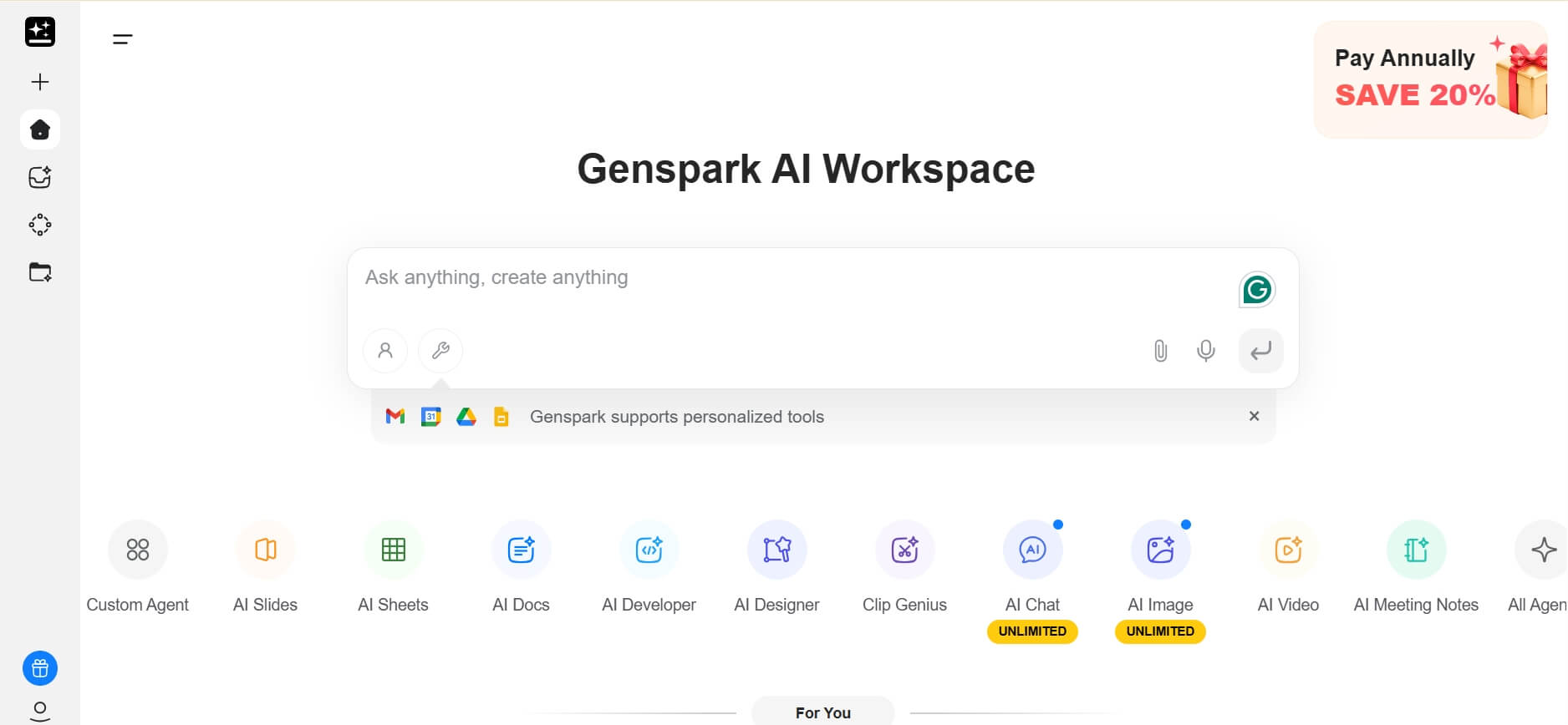
GenSpark stands out as an all-in-one AI workspace where you can customize agents, craft professional slides, generate reports, research summaries, and automate many tasks with low effort. The platform integrates with over 80 tools, including Gmail, Google Suite, and Notion, to autonomously handle diverse operational tasks. Unlike Manus AI, GenSpark strikes a balance between technical depth and functional versatility. It focuses on ease of use, visual output, and high-quality processing speed.
Key features:
- Multi-Agent Reasoning: Split complex tasks, like deep researching and analyzing data, into multiple steps and execute them through specialized AI agents.
- Sparkpages: Craft dynamic, source-cited reports and summaries for research and brainstorming.
- Web building tools: Deploys fully functional landing pages, blogs, and visual assets in minutes.
- Visual Content: Can generate basic images and videos to accompany research reports.
- Content Transformation: Converts content between formats easily, such as turning docs into slides or videos into presentations.
Where It Outperforms Manus AI:
- Information Quality: GenSpark is optimized for fact-checking, making it much more reliable for academic or market research.
- Data Presentation: It produces more polished, visual pages rather than just raw text or files.
What I liked | What I disliked |
Exceptional at deep research and fact-verifying. Its visual "Sparkpages" are much easier to understand. You can get functional landing pages from a single prompt, with good visual layouts | Credit systems can feel expensive for quick searches. Lacks deep business integrations and compliance controls. |
Who is ideal for:
Students, market analysts, freelancers, and content creators who are looking for a creative AI assistant that can generate fast, visual output without browsing dozens of tabs.
Pricing:
- Free plan: basic access with standard features
- Plus plan: $19.99/month, unlimited chat/video/image generation, 50 GB storage with AI drive.
- Pro plan: $199.99/month, unlimited usage, 1 TB Storage with AI drive.
5. Saner.AI
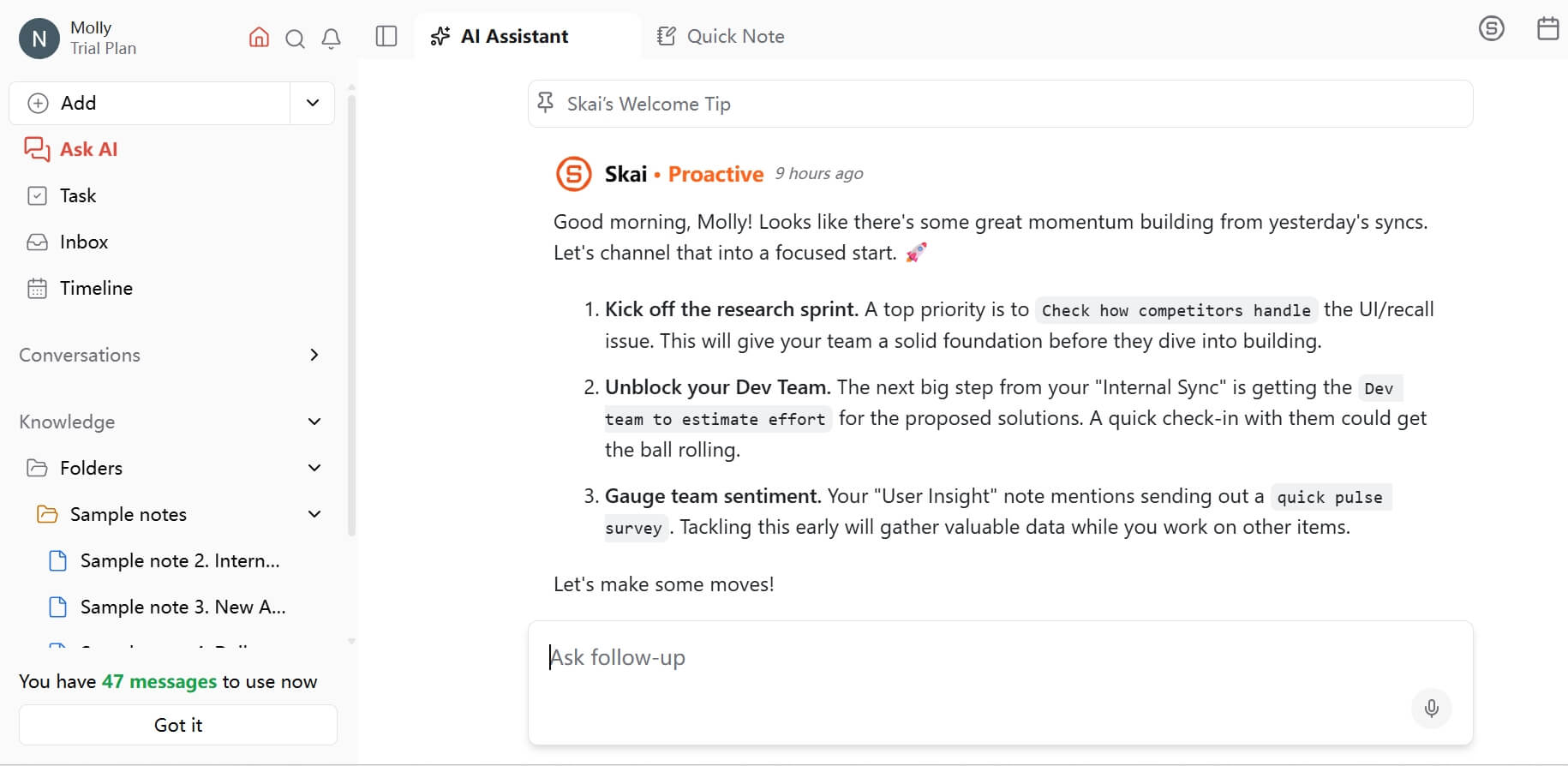
Saner.AI is a proactive AI agent that can capture your ideas, notes, emails, tasks, and calendar schedules into a searchable workspace. It combines personal knowledge management with the agent to help you organize scattered thoughts and turn them into actionable tasks. It also supports voice memos and AI summarization powered by AI models of ChatGPT, Claude, and Gemini.
Key features:
- Skai, the Professional AI Assistant: Turn your scattered thoughts into clear, actionable tasks in seconds, automatically assign deadlines, and follow up on progress.
- AI Daily Planner: Scans your inbox and notes to suggest an optimal daily schedule.
- Task Detection: Automatically capture emails, notes, calendar events, and turn them into tasks, reminders, or summaries with a click.
- Semantic Search: Finds information across all your files and apps based on ideas, not just keywords.
Where It Outperforms Manus AI:
- Personal Context: Saner understands your personal ideas and habits, whereas Manus is more of an external "web" agent.
- Privacy: It focuses on your internal workspace rather than browsing the open web.
What I Liked | What I Disliked |
Perfect for turning my scattered thoughts into actionable tasks and adding them to my list. Help me connect meeting notes with past tasks without needing extra organization. More affordable compared to credit-heavy agents. | Need to set up your personal information and preferences before starting. Some advanced features are still in beta. |
Who is ideal for:
ADHD professionals, founders, writers, and knowledge workers who want to stay organized and find their own notes fast.
Pricing:
- Free plan: access basic features.
- Starter plan: $8/month, billed monthly
- Standard plan: $16/month, billed monthly
6. AutoGPT
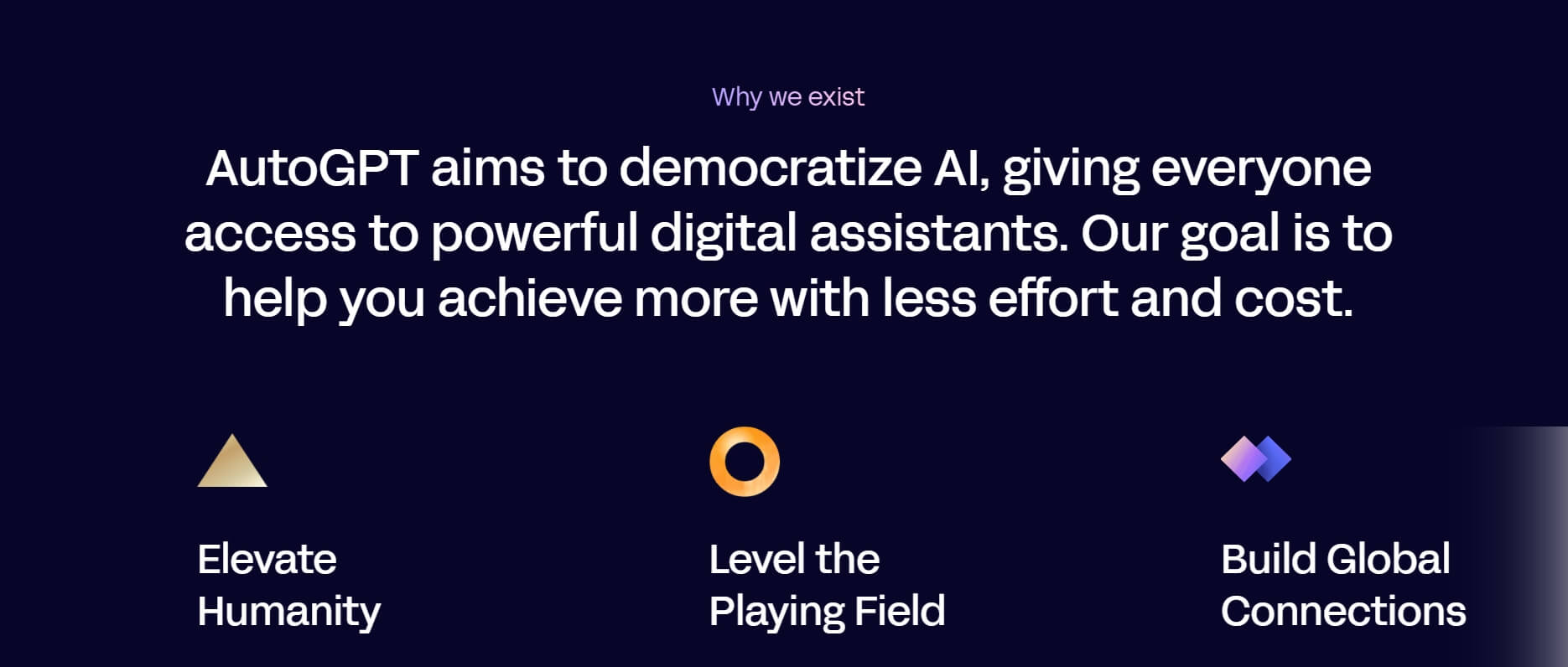
AutoGPT is one of the best free and open-source AI agent alternatives to Manus AI. It allows you to build and run your own assistant locally using Docker or run it as a standard Python application. Unlike Manus AI, AutoGPT gives you complete control over your data and API keys, which eliminates the need for a restrictive credit system. It excels at breaking down complex goals into sub-tasks and recursively executing them until the objective is met.
Key features:
- Self-Hosted Autonomy: Run the agent on your own hardware for maximum privacy and zero subscription fees.
- Memory management: Maintains context with short-term memory and uses vector databases to store long-term memory across all projects.
- Extensible Plugins: Supports a vast library of community-built plugins for web scraping, Twitter interaction, and file management.
- Multi-Agent Coordination: Can spin up specialized sub-agents to handle different parts of a complex workflow simultaneously.
Where It Outperforms Manus AI:
- Technical Depth: Often superior at writing and debugging code compared to general agents.
- Flexibility: As an open-source architecture, it allows you to modify the source code, integrate custom local tools, and choose your preferred LLMs.
What I liked | What I Disliked |
Full privacy and data ownership for sensitive tasks. No "limit" on tasks other than your own API keys. Massive community support and free plugins. | Extremely high technical barrier for setup. Prone to getting stuck in loops if not monitored. |
Who is ideal for:
Developers, tech-savvy startups, and privacy enthusiasts who want to build a customized, high-powered AI agent without "vendor lock-in.
Pricing:
- Free: Open-source software; users just need to pay for their own OpenAI/Anthropic API usage.
Conclusion
Choosing the right Manus alternative depends on your balance of setup complexity, data sovereignty, and cost-per-task.
In 2026, ChatGPT Agent leads for general tasks, Lindy.ai for business automation, and OpenClaw for self-hosted local control via Telegram/WhatsApp. For deep research, GenSpark provides the best visual synthesis, while Saner.AI excels in personal knowledge management and AutoGPT offers ultimate open-source flexibility for developers.
Whether you prioritize the ease of a cloud-based agent or the granular control of a self-hosted "coworker," the key is to select the tool that seamlessly integrates into your specific workflow without compromising security.
Your AI Receptionist, Live in Minutes.
Scale your front desk with an AI that never sleeps. Solvea handles unlimited multi-channel inquiries, books appointments into your calendar automatically, and ensures zero missed opportunities around the clock.
FAQs
1. Who is the competitor of Manus?
There are many competitors of Manus AI, but the primary ones include OpenAI's Operator (ChatGPT Agent), OpenClaw, GenSpark AI, and Saner.AI. These tools focus on the "General Purpose Agent" niche, aiming to perform diverse tasks autonomously.
2. Is there an open source Manus AI?
There is no "official" open-source version of Manus AI. However, OpenClaw and AutoGPT are the most popular open-source alternatives that allow you to achieve similar autonomous functionality on your own hardware.
3. Is there a free version of Manus AI?
Yes! Manus offers a free plan for users to explore core capabilities, but it has limited usage. To unlock more advanced features, you need to upgrade to paid versions.
4. Is there an open-source AI agent?
Yes, there are several, including OpenClaw, AutoGPT, and other community-driven frameworks. These allow developers to build agents that use the internet, read files, and execute code using their own API keys.
5. How do I choose the right Manus AI alternative?
Choosing the right Manus AI alternative depends on your specific use case, including the type of tasks you want to automate, the level of control you need, and how reliable the system must be in real-world scenarios. In practice, many users do not rely on a single agent, but combine multiple tools depending on different tasks and operational needs.