Many very small businesses do not need a massive contact center stack. They need something much simpler: a reliable way to keep calls from interrupting work constantly while still sounding professional to every customer who reaches out. That is why interest in the Grasshopper AI receptionist makes sense.
Grasshopper has historically been associated with lightweight business phone setups for solopreneurs and small teams. When AI receptionist functionality enters that kind of environment, the appeal is obvious. Instead of forwarding every inbound call to a founder’s phone, the system can qualify, route, and capture intent before the person behind the business gets interrupted.
TL;DR
The Grasshopper AI receptionist is most relevant for small businesses that want a simple but more professional first layer for inbound calls. It is strongest when the goal is cleaner intake, reduced interruption, and better basic routing rather than deep enterprise-grade integrations.
Why Small Businesses Care About This Category
A solo operator or micro-team often feels every single interruption. If the owner is doing service work, sales, scheduling, and operations at the same time, answering the phone repeatedly becomes expensive in a way that does not always show up on a payroll line. It fragments attention and slows down the real work that keeps the business moving.
A receptionist layer helps because it creates structure at the front of the conversation. Instead of every call immediately becoming a live interruption, some calls can be screened, some can be summarized, and some can be redirected. That creates breathing room without making the business feel unreachable.
For businesses already exploring lightweight communications options, Grasshopper has long been attractive precisely because it avoids the complexity of heavier enterprise telephony systems.
Where an AI Receptionist Helps in a Grasshopper-Style Setup
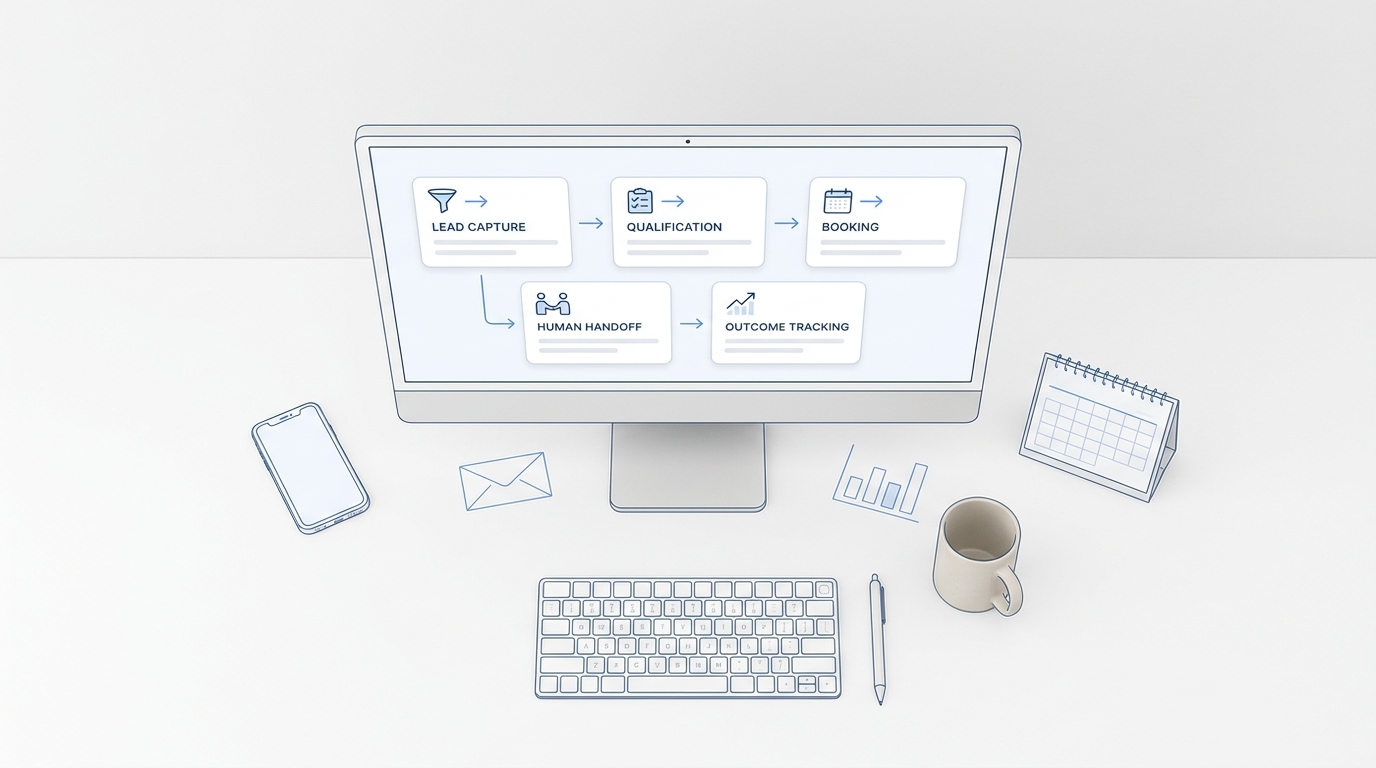
The strongest use cases are straightforward but important: handling after-hours inquiries, screening spam and low-value calls, routing by request type, collecting basic lead information, and making sure the owner only picks up when the call actually requires immediate live attention.
This matters a lot for home services, solo legal professionals, consultants, and local operators who are frequently away from a desk. A conversational receptionist can give the business a more polished first impression while reducing the number of times work has to stop just to answer a routine call.
What Its Limits Are
The main limitation is that a Grasshopper-oriented setup is usually optimized for simplicity, not deep operational customization. That is not always a bad thing. For many small businesses, simplicity is part of the value. But it does mean that if the company eventually needs complex CRM lookups, multi-stage call handling logic, or highly customized integrations, it may outgrow the lightweight model.
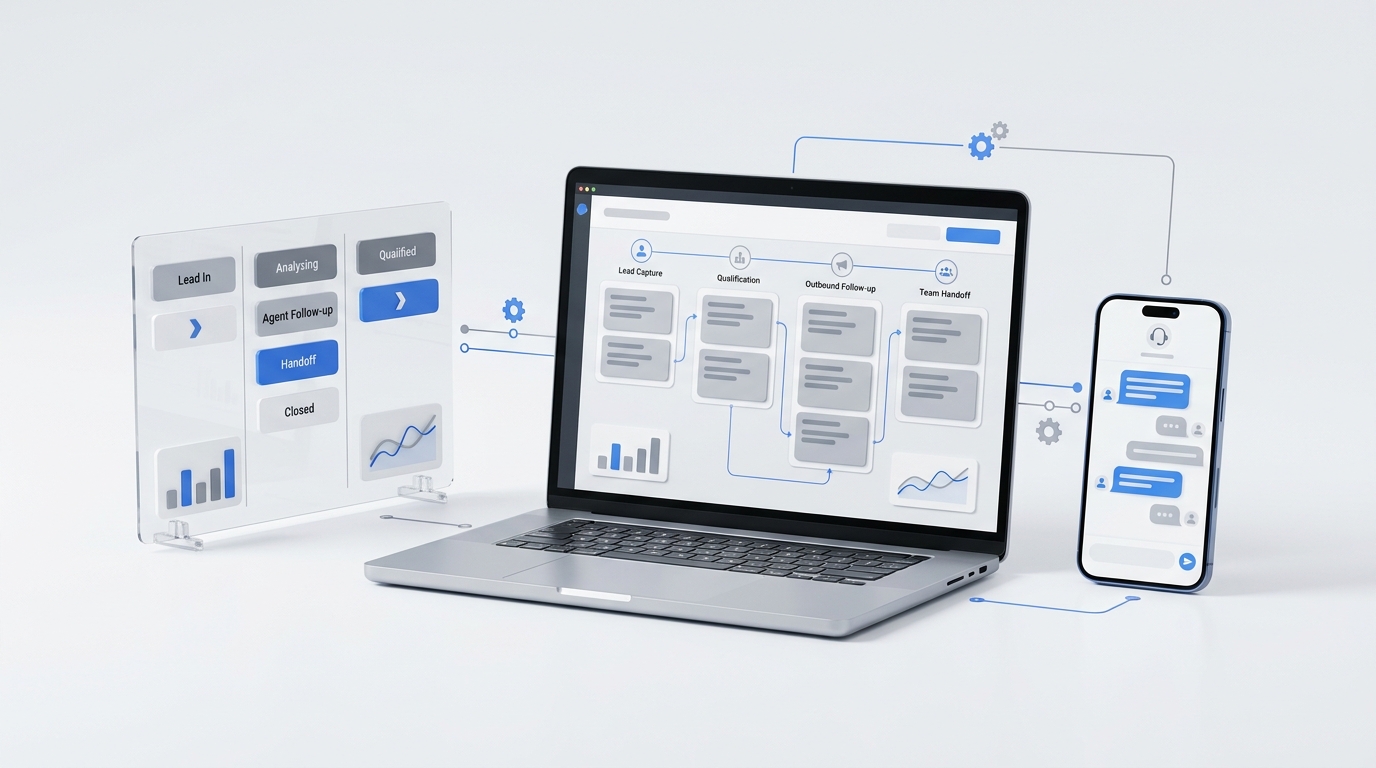
That is why the evaluation should begin with the actual business workflow. If the goal is to sound professional, reduce interruptions, and make sure basic inbound requests are handled consistently, a lighter AI receptionist may be enough. If the business needs voice automation to plug deeply into a larger operations stack, a more configurable platform may be necessary.
How to Evaluate It Realistically
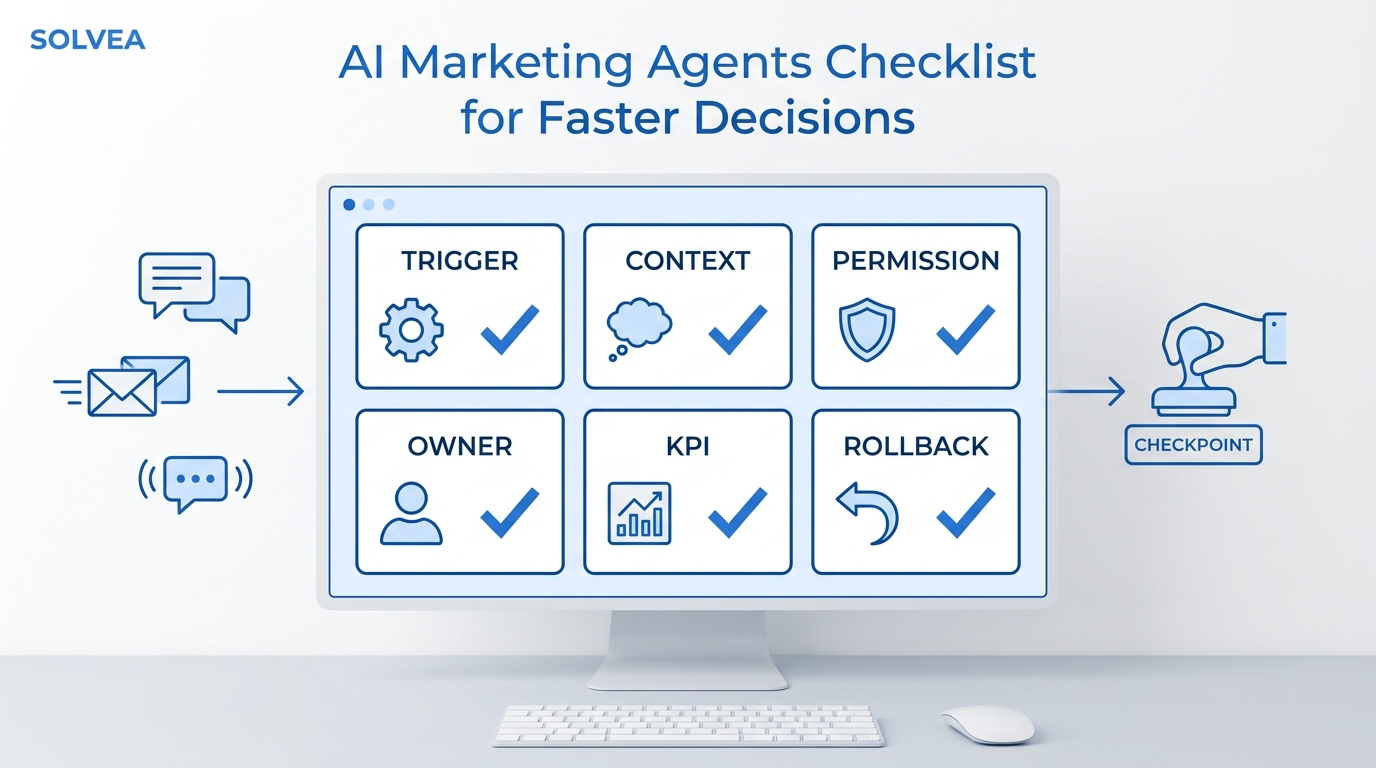
The best question is not “Does it have AI?” The better question is “Does it reduce real work for the business?” Can it capture enough context? Can it route cleanly? Does it help the owner focus on the calls that matter most? Those are the measures that determine whether the tool actually improves operations.
According to the HubSpot State of Customer Service & CX report, customer expectations continue to favor quick, low-friction responses. Small businesses often lose opportunities not because they offer a poor service, but because they miss the first chance to respond cleanly.
If your team is also comparing broader setup patterns, our guide on automating call answering is useful because it frames how lightweight phone systems can still support strong first-contact workflows.
Need more than simple forwarding and voicemail?
Solvea helps small businesses answer calls, capture lead details, route intelligently, and reduce phone interruptions without adding front-desk overhead.
Your AI Receptionist, Live in Minutes.
Scale your front desk with an AI that never sleeps. Solvea handles unlimited multi-channel inquiries, books appointments into your calendar automatically, and ensures zero missed opportunities around the clock.
Frequently Asked Questions
Is Grasshopper AI receptionist best for very small teams?
Yes, it is generally most attractive to solopreneurs and small businesses that want a professional phone layer without the complexity of a large PBX or contact center platform.
Can it reduce spam and low-value interruptions?
That is one of the clearest benefits of a receptionist layer. Screening and basic qualification reduce the number of unnecessary interruptions that reach the owner directly.
Should a growing business expect to outgrow it?
Possibly. If the business later needs deeper integrations, more complex routing, or highly customized workflows, it may eventually need a more advanced communications stack.
Conclusion
The Grasshopper AI receptionist is most useful when the business wants simplicity, professionalism, and fewer interruptions more than it wants complex enterprise features. For many small businesses, that tradeoff is exactly the right one. The real value is not that the phone sounds smarter. It is that the business works more smoothly behind the scenes.