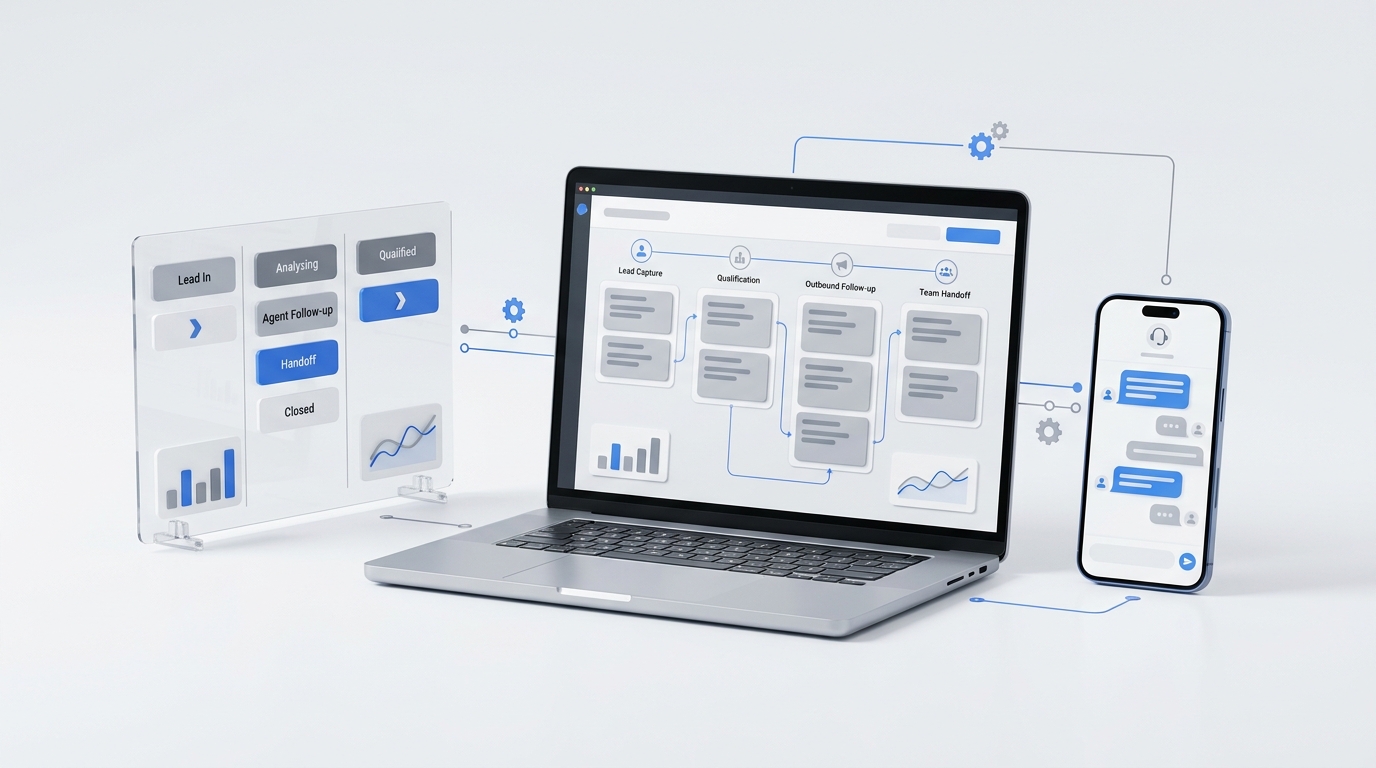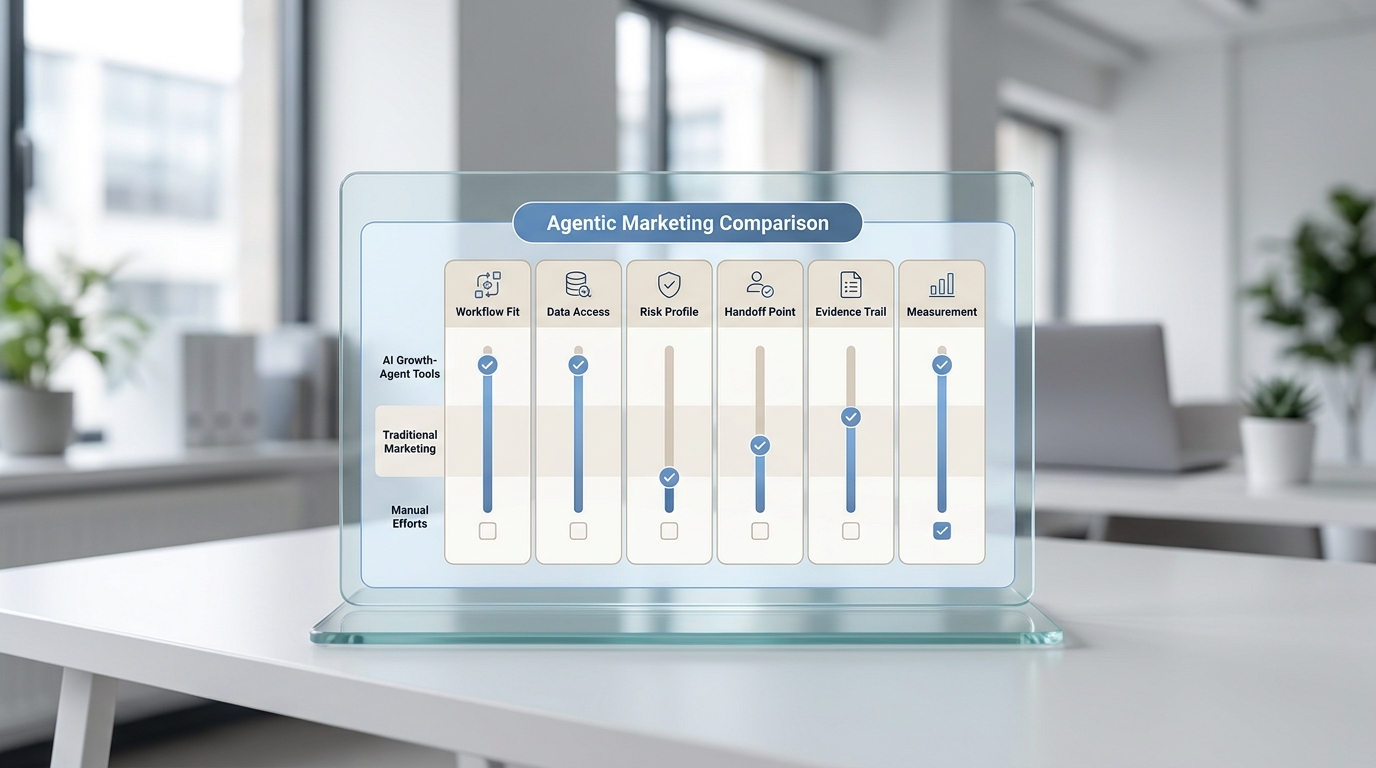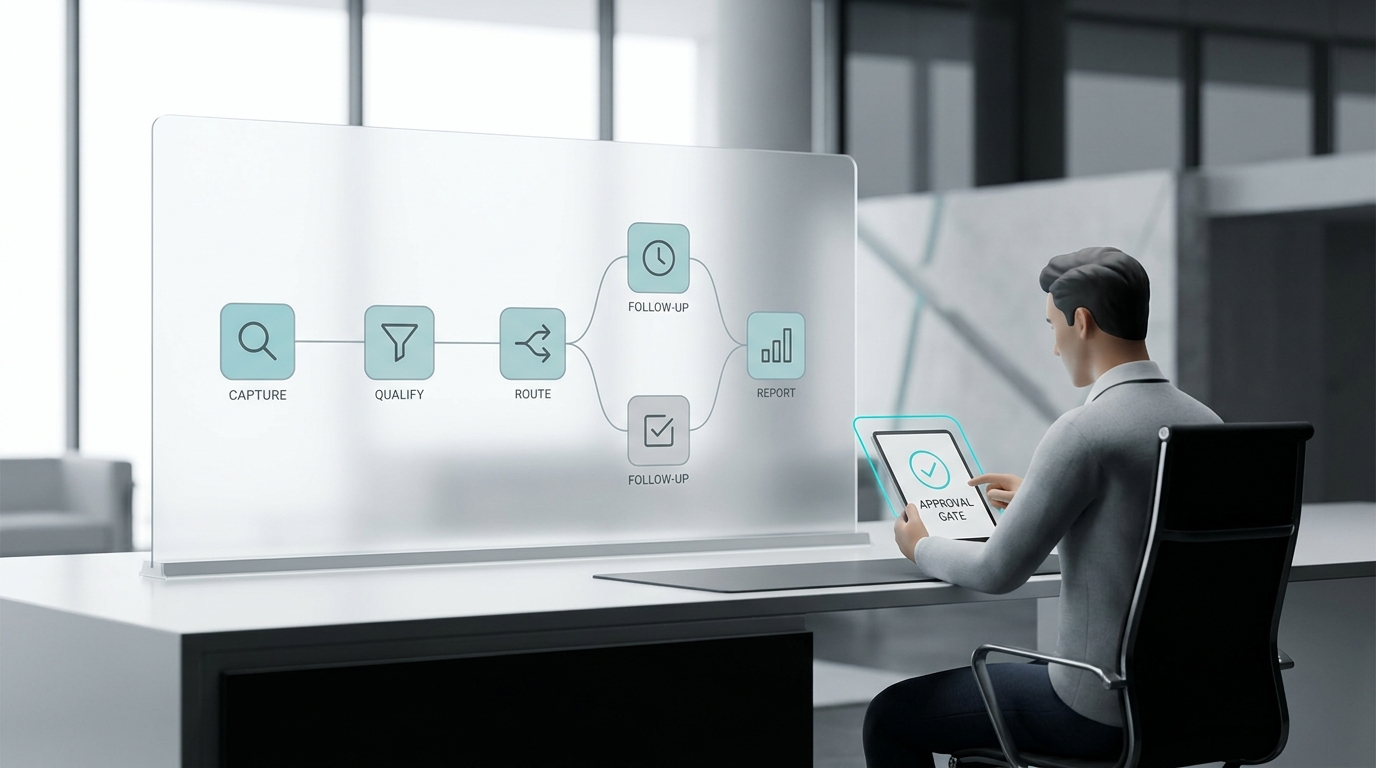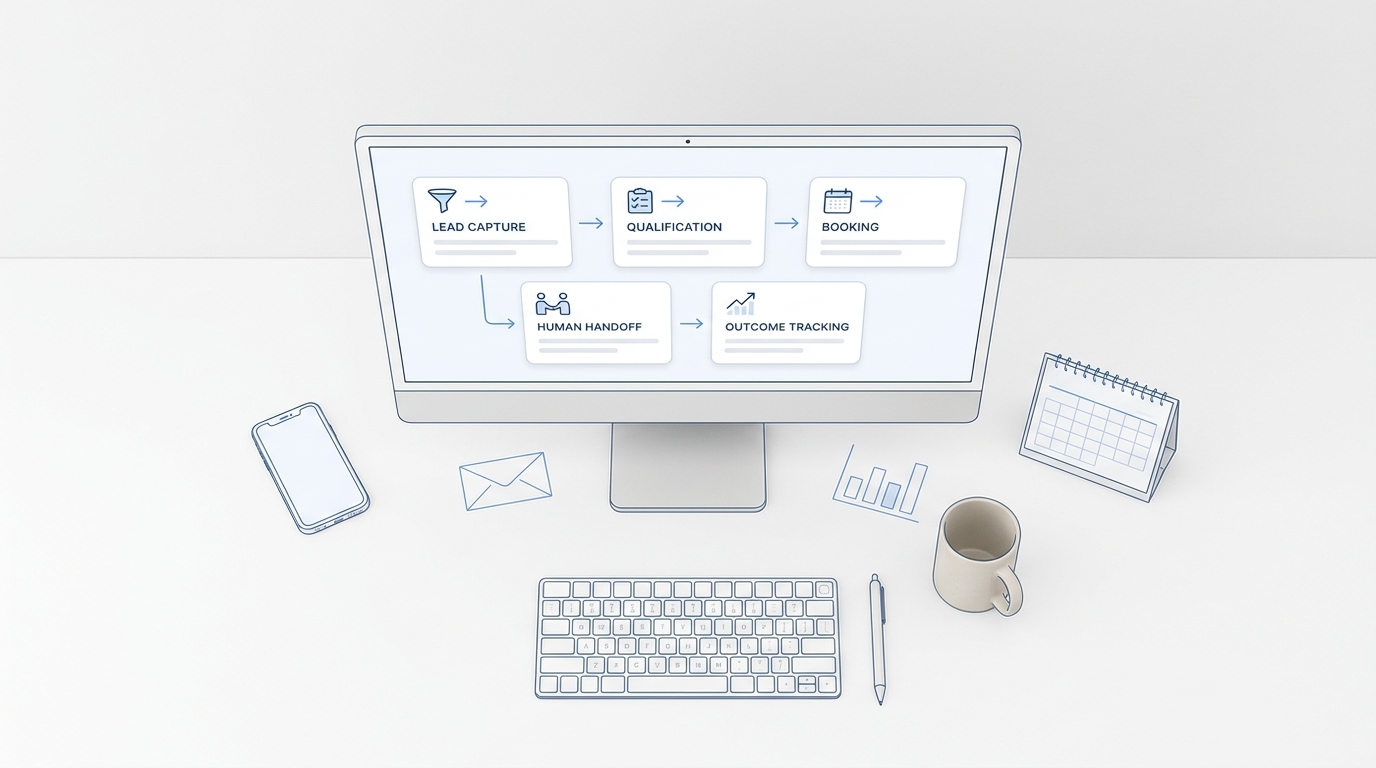
A good plumber answering service script does more than collect a name and phone number. It helps your front desk, dispatcher, or AI receptionist identify the job, capture the details a technician needs, set the right expectations, and route urgent situations without pretending to diagnose a plumbing problem over the phone.
This guide gives plumbing companies a practical script they can adapt for office hours, after-hours coverage, emergency requests, estimates, scheduling, and follow-up.
Important: A call handler should never tell a caller that a situation is safe, instruct them to enter a hazardous area, or provide technical repair guidance. If a caller reports immediate danger, injury, fire, a suspected gas leak, electrical contact with water, or another life-safety concern, direct them to leave the area when appropriate and contact local emergency services or the relevant utility.
The short plumber answering service script
Use this as the default opening for most inbound calls:
“Thank you for calling [Plumbing Company]. This is [Name]. How can I help you today?”
“I can help with that. First, may I get your name, the service address, and the best phone number in case we get disconnected?”
“Please describe what you are seeing or hearing. I’ll ask a few questions so our team can route the request correctly.”
“Is anyone injured, is there active flooding near electricity, do you smell gas, or is there another immediate safety concern?”
“Thank you. I’m going to [schedule the visit / send this to the on-call technician / request a callback]. Before we finish, is there anything else the technician should know about access, parking, pets, tenants, or the location of the issue?”
That script is intentionally simple. The value comes from the intake checklist and routing rules behind it.
The plumbing call intake checklist
Every call record should give the next person enough context to act without calling the customer back for basic information.
Customer and property details
- Caller’s full name
- Best callback number
- Email address, if used for confirmations
- Complete service address, including unit number
- Property type: house, apartment, commercial space, rental, or other
- Caller’s relationship to the property: owner, tenant, property manager, or business operator
- On-site contact, if different from the caller
Problem details
- Caller’s plain-language description of the problem
- Exact location: kitchen, basement, crawlspace, yard, restroom, mechanical room, or another area
- When the problem started
- Whether it is constant, intermittent, or getting worse
- Whether water is actively flowing or spreading
- Fixtures or systems affected
- Any visible damage the caller has already noticed
- Any recent repair, renovation, freeze, storm, utility work, or appliance installation
Routing details
- Immediate safety concern reported: yes or no
- Same-day request, after-hours request, or routine scheduling
- Water availability: fully on, partly on, or shut off by the customer
- Access notes, gate codes, parking, pets, or tenant coordination
- Preferred appointment window
- Approval contact for rentals or commercial properties
- Source of the lead, when useful for marketing attribution
Confirmation details
- What happens next
- Expected callback or arrival window, if your company provides one
- Any service-call or diagnostic fee that your approved policy requires the agent to disclose
- How the customer will receive confirmation
- What the customer should do if conditions change before the visit
Do not add pricing, arrival promises, warranty statements, or repair recommendations unless they are part of an approved company policy.
Script for an active leak or burst pipe
The goal is to identify severity, protect the customer from unsafe advice, and route the request quickly.
“I’m sorry you’re dealing with that. I’ll collect the details our plumbing team needs.”
“Is water actively flowing now?”
“Where is the water coming from, as best as you can tell?”
“Is the water near an electrical panel, outlet, appliance, ceiling fixture, or exposed wiring?”
“Is the water spreading into another room, unit, or floor?”
“Has anyone already turned off a fixture valve or the property’s main water supply? Please do not enter an unsafe area or touch electrical equipment.”
“I’m marking this as [urgent / same-day / standard] under our routing policy. The next step is [approved next step].”
Record what the caller reports. Do not tell the caller where a shutoff valve “should” be or instruct them to operate equipment they cannot safely identify.
Script for a clogged drain or toilet
“Which drain or toilet is affected?”
“Is this the only fixture with a problem, or are multiple drains backing up?”
“Is wastewater or sewage coming into the property?”
“Is the fixture overflowing now?”
“Has anyone used a chemical drain cleaner or attempted another repair? If yes, what product or method was used?”
“Is this the only usable toilet or restroom at the property?”
Multiple affected fixtures, sewage entering occupied space, or the loss of the only usable restroom may change priority under your company’s service policy. The answering agent should capture those facts rather than label the cause.
Script for no hot water or a water-heater problem
“Are you getting no hot water, inconsistent hot water, or water that is too hot?”
“Do you know whether the water heater is gas, electric, heat-pump, or tankless?”
“Is there visible leaking around the unit?”
“Do you smell gas, hear unusual hissing, see smoke, or have an active alarm?”
“Is the unit located near standing water or in an area that is difficult to access safely?”
If a caller reports a suspected gas leak, fire, smoke, an active alarm, or another immediate hazard, stop ordinary troubleshooting questions and follow your emergency escalation script.
Safety escalation script
Create a short, approved script your team can use consistently:
“Your safety comes first. I’m not able to determine over the phone whether the area is safe. Please move away from the hazard and follow instructions from local emergency services or your utility provider. If there is immediate danger, call 911. Once you are in a safe location, our plumbing team can help with the next service step.”
Examples that should trigger a safety-first response include:
- A suspected gas leak or strong gas odor
- Fire, smoke, sparks, or an active carbon monoxide alarm
- Water contacting electrical equipment or exposed wiring
- A collapsed ceiling, structural damage, or a flooded area the caller would need to enter
- Injury, illness, or a person trapped in a hazardous area
- Sewage exposure involving vulnerable occupants or a large contaminated area
Your script should not classify the event, guarantee safety, or replace emergency responders, utilities, licensed technicians, or public-health guidance.
After-hours plumber answering service script
After-hours callers usually need clarity more than a long conversation. Tell them who is answering, collect the minimum complete record, and explain the next step.
“Thank you for calling [Plumbing Company]. You’ve reached our after-hours line. I can take the details and route your request according to our on-call policy.”
“May I have your name, service address, and callback number?”
“What is happening right now?”
“Is there active flooding, a suspected gas leak, water near electricity, sewage entering the property, an injury, or another immediate safety concern?”
“Is the property occupied, and is there a safe way for a technician to access the affected area?”
“I have recorded your request as [priority label approved by company]. The next step is [on-call callback / dispatch review / next-business-day scheduling].”
Avoid saying “a technician is on the way” until dispatch has accepted the job. Avoid giving an arrival time unless the schedule or on-call technician has confirmed it.
New-customer estimate script
“We’d be happy to learn more about the project. Is this a repair, replacement, installation, inspection, or remodel?”
“What would you like the plumbing team to evaluate?”
“Is the property residential or commercial?”
“Do you have photos, plans, fixture specifications, or a preferred timeline?”
“Who will make the final decision, and will that person be available for the appointment?”
“Our team will review the request and confirm the appropriate estimate or service process.”
Do not quote a final price from a generic script. If your business has approved flat-rate offers or a standard visit fee, store the exact language in the call handler’s knowledge base.
Existing-customer and warranty script
“I can look up the previous visit. May I have the service address and the name on the account?”
“What work was completed, and approximately when?”
“What is happening now?”
“Has anything changed since the visit, including work by another contractor?”
“I’ll attach this information to the prior job and ask the team to review warranty or follow-up eligibility.”
The answering agent should never promise that work is covered. The correct promise is that the company will review the record under its warranty policy.
Tenant and property-manager script
Plumbing calls at rentals often stall because the call handler does not know who can approve work.
“Are you the tenant, property owner, or property manager?”
“Who should approve the work if authorization is required?”
“Who will provide access to the property?”
“Is the issue affecting one unit or multiple units?”
“Are there building rules, lockbox instructions, parking restrictions, or tenant-notification requirements?”
Capture the occupant’s safety concern and the authorization path as separate fields. An urgent safety report should not be buried simply because approval is still pending.
How to set plumbing call priorities
Use written routing rules rather than asking each receptionist to improvise. A simple framework is:
Safety escalation
The caller reports a possible immediate threat to people or property. Use the safety script, record the report exactly, and follow the company’s escalation policy.
Urgent dispatch review
Examples may include uncontrolled water, rapidly spreading damage, sewage entering occupied space, loss of essential plumbing at an occupied property, or a commercial shutdown. Your business should define the exact criteria and who can authorize dispatch.
Same-day review
The problem is disruptive or worsening but does not meet the company’s urgent threshold. Collect complete details and send the job to dispatch for prioritization.
Routine scheduling
The customer needs an estimate, a non-urgent repair, maintenance, fixture replacement, or a planned installation.
Priority labels should describe workflow, not provide a technical diagnosis.
What an AI receptionist should know about your plumbing business
An AI receptionist is only as useful as the rules and business information behind it. Before using automation for plumbing calls, define:
- Services you do and do not provide
- Service area and travel boundaries
- Office hours and after-hours coverage
- Emergency and on-call escalation contacts
- Situations the agent must route to emergency services or a utility
- Appointment types and duration rules
- Dispatch zones and schedule constraints
- Approved service-fee and pricing language
- Financing, warranty, and membership language
- Languages supported
- Required intake fields by job type
- CRM, calendar, and notification workflows
Solvea can help service teams answer missed calls, keep customer conversations organized, and connect call handling with follow-up. For a broader setup, see the AI receptionist for home services, AI phone answering system, and business phone system for small business pages.
QA scorecard for your plumber answering script
Review a sample of calls every week and score whether the handler:
- Greeted the caller and identified the company.
- Captured name, callback number, and service address.
- Recorded the caller’s description without inventing a diagnosis.
- Asked the approved safety-screening questions.
- Selected the correct routing workflow.
- Avoided unsupported pricing, warranty, and arrival promises.
- Confirmed the next step.
- Added access, authorization, and scheduling notes.
- Sent the record to the correct person or system.
- Used calm, concise, customer-friendly language.
Track operational outcomes too: complete records, answered calls, callbacks completed, appointments booked, dispatch acceptance, and jobs that required rework because information was missing.
Your AI Receptionist, Live in Minutes.
Scale your front desk with an AI that never sleeps. Solvea handles unlimited multi-channel inquiries, books appointments into your calendar automatically, and ensures zero missed opportunities around the clock.
Frequently asked questions
What should a plumbing answering service ask callers?
At minimum, collect the caller’s name, callback number, service address, property type, problem description, location of the issue, when it started, whether water is actively spreading, whether a safety concern is present, access notes, and the desired next step.
Can an answering service tell a caller how to stop a leak?
The safest policy is to avoid technical instructions unless your company has approved exact wording for a limited situation. The agent should never direct a caller into a hazardous area or ask them to touch electrical equipment. Capture what the caller has already done and route the request.
How should after-hours plumbing calls be handled?
Use a dedicated after-hours greeting, screen for immediate danger, collect a complete service record, apply written urgency criteria, and explain whether the next step is an on-call callback, dispatch review, or next-business-day scheduling.
Should the script include pricing?
Only include pricing language that the plumbing company has approved. A script may disclose a standard service-call fee or approved flat-rate offer, but it should not guess at repair cost or promise a final quote before evaluation.
Can an AI receptionist book plumbing appointments?
Yes, when it has access to the right appointment rules, service area, job types, schedule, and escalation boundaries. Complex or urgent jobs can be routed for human dispatch review instead of booked automatically.
Put the script into a working call flow
The best plumber answering service script is not a single block of dialogue. It is a decision tree supported by clear intake fields, safety boundaries, scheduling rules, and a reliable handoff.
Start with the templates in this guide, replace every bracketed field with your company’s approved language, and test the flow against real call scenarios. When every caller receives a clear next step and every technician receives a usable record, your answering process becomes a practical part of service delivery—not just a message-taking layer.