How to Automate Reschedules, Cancellations, and Confirmations with Appointment Booking Automation
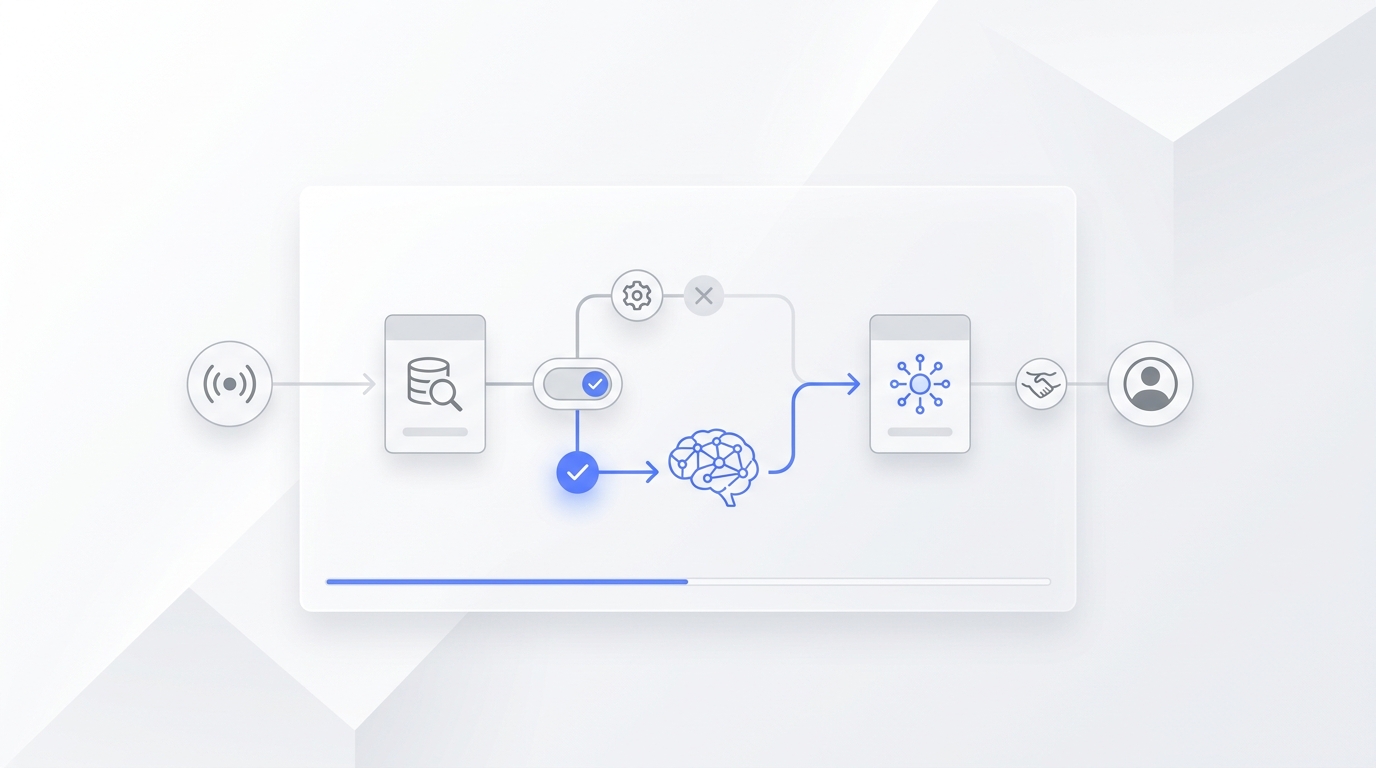
If your team already captures bookings but still loses time to schedule changes, the next stage of appointment booking automation is not another booking widget. It is building a workflow that keeps confirmations, reschedules, and cancellations moving without forcing staff to restart every conversation by hand.
That matters because the most expensive scheduling problems often happen after the first appointment request. A customer needs to move a time slot. Another wants to cancel but may be open to rebooking. Someone else never confirms, so the front desk has to chase them before the slot goes stale. When those tasks stay manual, appointment booking automation stops at intake and the operational load comes right back.
This guide explains how to automate reschedules, cancellations, and confirmations in a way that still keeps the workflow clear for staff. It also shows where Solvea fits for teams that want appointment booking automation tied to one conversation layer instead of scattered messages across calls, text, email, and follow-up.
The article uses current first-party Solvea pages checked on July 19, 2026 and a local keyword snapshot for appointment booking automation captured on July 14, 2026.
Why post-booking workflows are the real test of appointment booking automation
Many teams think appointment booking automation is finished once a customer picks a slot. In practice, that is where the mess often starts.
The recurring problems usually look like this:
- customers ask to reschedule through a different channel than they used to book
- staff spend too much time confirming routine appointments
- cancellation requests arrive after hours and sit unanswered
- no-show risk increases because reminders and confirmations are disconnected
- context gets lost when calls, texts, emails, and notes live in separate tools
This is why post-booking operations deserve their own workflow. Good appointment booking automation should not only capture demand. It should also protect calendar quality, reduce repetitive front-desk work, and make the next action obvious.
Start by separating confirmations, reschedules, and cancellations
The cleanest automation model treats these as related but distinct jobs.
| Workflow | Primary goal | Best automation role |
|---|---|---|
| Confirmations | Lock in attendance and reduce uncertainty | Send reminders, collect yes/no responses, and route exceptions |
| Reschedules | Save the appointment when timing changes | capture preferred new timing, check routing rules, and continue the conversation |
| Cancellations | close the current slot cleanly and recover future demand when possible | record the cancellation, free the slot, and trigger rebooking follow-up when appropriate |
When teams handle all three with the same generic process, staff still have to interpret the request manually. Better appointment booking automation gives each path a clear purpose and a clear next step.
Automate confirmations first
For many service businesses, confirmations are the easiest place to expand appointment booking automation because the logic is repeatable and the business rule is usually simple.
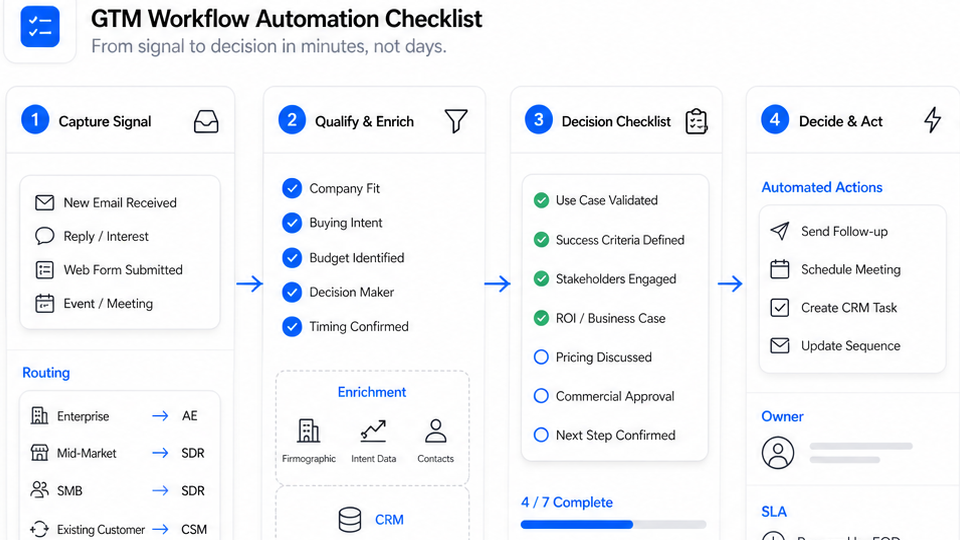
A strong confirmation flow should:
- send the reminder at a predictable time window
- state the appointment details clearly
- let the customer confirm without friction
- let the customer say they need a different time
- push unclear or exceptional replies to staff
The goal is not to remove humans from every decision. The goal is to stop spending human time on routine attendance checks.
Solvea's current first-party positioning is useful here because the product is already framed around customer conversations in one place, plus integrations with calendars and operational tools. That makes appointment booking automation more practical when the customer confirms through one channel and follows up through another.
Build reschedule handling around intent, not just calendar edits
Reschedules create more operational drag than teams expect. The request is rarely just "move this from 2 PM to 4 PM." It may include a service change, a location question, a provider preference, or uncertainty about what times are available.
That is why appointment booking automation for reschedules should start with intent capture before it attempts final reassignment.
Minimum useful fields for a reschedule workflow:
- customer name
- original appointment reference or context
- preferred new date or time range
- service or provider constraints
- preferred channel for follow-up
Once that information is captured, the workflow can do one of two things:
- confirm the new slot automatically when rules are simple and availability is reliable
- route the request to staff with enough context to finish quickly
This split matters. A lot of failed appointment booking automation projects try to automate slot changes end to end before the underlying routing rules are clear. It is safer to automate the intake and handoff first, then automate instant reassignment where the business rules are actually stable.
Treat cancellations as both an operational and revenue workflow
Cancellations are easy to think of as an endpoint. In reality, they often create a new branch in the funnel.
Some cancellations should simply close the booking. Others should trigger:
- waitlist outreach
- rebooking suggestions
- a policy reminder
- a staff follow-up for high-value appointments
This is where appointment booking automation becomes more than scheduling convenience. It becomes a way to protect utilization and keep demand visible.
An effective cancellation flow should answer four questions:
| Question | Why it matters |
|---|---|
| Is the slot now open? | staff need clean calendar visibility |
| Does the customer want to rebook? | prevents preventable revenue loss |
| Does this trigger a policy or fee workflow? | avoids inconsistent handling |
| Should the conversation stay active for follow-up? | keeps the relationship from ending at the cancellation |
If the system closes the slot but drops the conversation, the business still loses the chance to recover future value. Better appointment booking automation keeps that follow-up path available.
Keep confirmations, reschedules, and cancellations in one conversation history
Customers do not think in system boundaries. They think in "I called earlier," "I replied to the text," or "I already emailed about this."
That is why one of the biggest workflow upgrades in appointment booking automation is shared visibility across channels. A customer may:
- call to book
- text to confirm
- email to reschedule
- reply again after cancellation
If each step lands in a different place, staff lose the thread and automation creates duplication instead of clarity.
Solvea's current desk and inbox positioning supports this workflow well: calls, texts, emails, summaries, and next steps can stay tied to one customer timeline rather than forcing teams to reconstruct the history from separate tools.
Connect automation to the calendar rules your team already lives with
The right appointment booking automation setup should fit the real scheduling rules of the business, not an idealized version of them.
Before you automate, define:
- which appointment types can be auto-confirmed
- which reschedules can be handled instantly
- which cancellations should trigger follow-up
- which exceptions always require staff review
- how after-hours requests should be handled
This prevents the most common failure mode: a flow that looks impressive in a demo but creates cleanup work in production.
Use a practical rollout sequence
If your team wants to automate these workflows without creating risk, use this order:
| Step | What to automate | Why this order works |
|---|---|---|
| 1 | Confirmation reminders and simple yes/no replies | Fastest way to reduce routine front-desk work |
| 2 | Reschedule request intake | Captures the full change request without manual back-and-forth |
| 3 | Cancellation intake and slot release | Keeps the calendar accurate faster |
| 4 | Rebooking and follow-up triggers | Turns schedule change events into recoverable demand |
| 5 | Channel continuity across call, SMS, email, and chat | removes context loss as workflows expand |
This sequence keeps appointment booking automation focused on operational clarity first. Once the staff trusts the workflow, you can safely automate more of the final routing and confirmation logic.
What to keep with humans
Not every schedule change should be automated end to end.
Good automation candidates:
- routine confirmations
- simple time changes
- basic cancellation intake
- repeat policy questions
- after-hours first response
Better human-review candidates:
- high-value appointments
- sensitive medical, legal, or compliance-heavy changes
- disputes about fees or policies
- provider-specific exceptions
- changes that affect staffing, prep, or inventory
Strong appointment booking automation does not try to win by automating edge cases. It wins by removing routine work and making the exceptions easier to manage.
Where Solvea fits
Solvea fits best when appointment booking automation needs to extend beyond a static scheduling link.
Current first-party pages checked on July 19, 2026 support that positioning through:
- the AI appointment setter, which frames automatic booking capture and qualification
- the automated scheduler, which frames confirmations, reschedules, and scheduling automation across channels
- the AI receptionist, which supports missed-call coverage and first response
- integrations for Google Calendar, Google Sheets, HubSpot, Slack, Zendesk, and other downstream tools
- customer conversations in one place, which supports timeline visibility across calls, texts, email, and follow-up
That makes Solvea a strong fit for teams that do not just want appointment booking automation at the moment of booking. They want a workflow that continues through confirmations, changes, cancellations, and follow-up from one conversation layer.
Final takeaway
If your front desk still spends too much time chasing replies and cleaning up schedule changes, that is the next place to improve appointment booking automation.
Start with confirmations. Add structured reschedule intake. Make cancellations operationally clean and commercially recoverable. Keep every step attached to the same conversation history. Then decide which cases deserve instant automation and which still need human review.
That is how teams turn appointment booking automation into a complete appointment workflow instead of a booking tool that stops working the moment plans change.
If you want confirmations, reschedules, cancellations, and follow-up to run through one conversation layer, set up your confirmation flows in Solvea.
Your AI Receptionist, Live in Minutes.
Scale your front desk with an AI that never sleeps. Solvea handles unlimited multi-channel inquiries, books appointments into your calendar automatically, and ensures zero missed opportunities around the clock.
FAQ
What is the easiest part of appointment booking automation to automate first?
Confirmations are usually the best first step because the workflow is repetitive, easy to measure, and lower risk than full booking changes.
Should reschedules be fully automated?
Only when availability and routing rules are clear. Many teams get better results by automating reschedule intake first and using staff review for exceptions.
How should cancellation automation work?
It should close the slot cleanly, record the request, and decide whether rebooking or follow-up should continue instead of ending the customer conversation immediately.
Why does channel continuity matter in appointment booking automation?
Because customers often switch between calls, texts, and email during the same appointment journey. When the history stays connected, staff can act faster and automation stays useful.