Salon Answering Service: How to Capture After-Hours Booking Requests Without Hiring a Front Desk
If your team is mid-service, away from the desk, or closed for the night, a missed call is usually not just a missed conversation. It is a lost booking opportunity. That is why a salon answering service matters most when it helps the business respond in the moment, capture the right details, and move the appointment workflow forward before the caller tries another salon.
For salons and barbershops, the real problem is not only phone coverage. It is the mix of interruptions, late-night booking intent, reschedule requests, deposit collection, and next-day follow-up. A useful salon answering service should reduce those workflow leaks without forcing owners to hire a full front-desk team just to protect the calendar.
Solvea's live barber-shop page and AI receptionist pages reviewed on July 20, 2026 point to the strongest angle for this topic: AI answers missed customer calls, keeps bookings moving, supports calendar-connected follow-up, and gives the team one place to review what happened after the call.
The short answer
A strong salon answering service should do five things well:
| Need | Why it matters in a salon or barbershop |
|---|---|
| Immediate answer | Most callers who reach voicemail do not wait long before trying another shop. |
| Structured booking capture | Service type, stylist preference, preferred time, and callback details need to be usable right away. |
| After-hours handling | A large share of booking intent happens at night, on weekends, or while the chair is busy. |
| Calendar-aware follow-up | The team should know what to book, reschedule, or confirm next. |
| Shared visibility | Call summaries, owners, and next steps should stay with the business, not one person's memory. |
If your business only needs a backup to voicemail, a basic answering layer may be enough. If your business needs booking, rescheduling, reminders, and team follow-up to stay connected, a more workflow-driven salon answering service is the better fit.
Why voicemail breaks down for salon booking
Salon calls are rarely random. They usually map to revenue or schedule quality:
- a new client wants to book
- an existing client wants to reschedule
- someone asks about hours, pricing, or availability
- a late client needs to warn the team
- a caller wants to know whether a specific service or stylist is available
Voicemail handles those moments poorly because it creates extra work at the exact point the business is already busy. A salon answering service is stronger when it turns a missed call into a structured next step instead of an audio message that someone has to decode later.
This matches Solvea's current live positioning. The barber-shop page frames the pain around missed calls while staff are with clients, late-night and weekend booking demand, and the cost of interrupting service just to check the phone. The AI receptionist page frames the solution around missed-call answering, summaries, and team follow-up.
What a salon answering service should actually capture
The best salon answering service is not the one that asks the most questions. It is the one that captures the smallest set of details needed to move booking forward.
For most salons and barbershops, that means:
- caller name
- callback number
- requested service
- stylist preference if relevant
- preferred date or time window
- new client or existing client
- urgency flag such as same-day request, running late, or reschedule
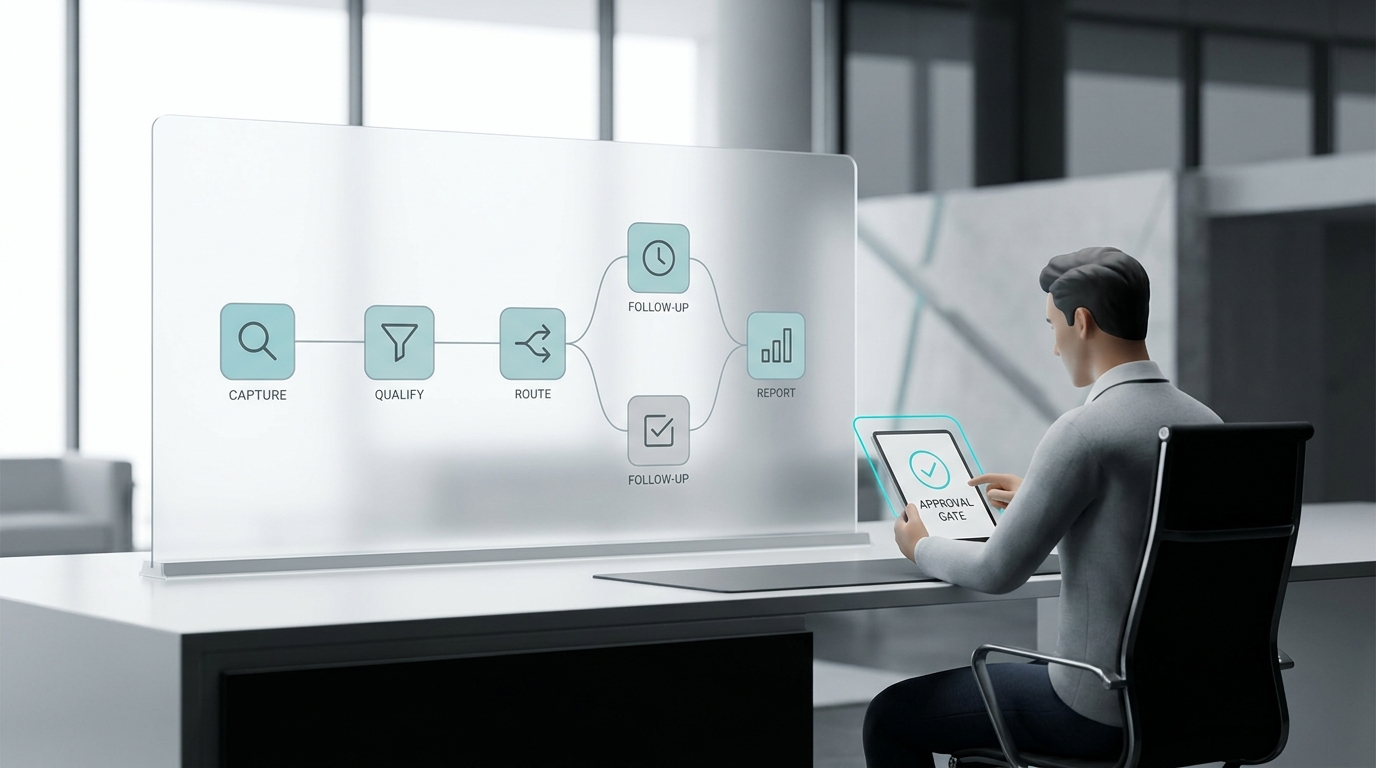
That information is enough to route most calls into one of four paths:
| Call type | What the salon answering service should do | What the team should still own |
|---|---|---|
| New booking | Capture service, timing, and contact details; offer next step or queue booking follow-up | Final calendar confirmation and exception handling |
| Reschedule or cancellation | Collect appointment context and preferred replacement time | Policy decisions and edge cases |
| FAQ | Answer from approved information such as hours, location, or prep details | Anything sensitive, ambiguous, or policy-exception related |
| Escalation | Flag urgent or unusual cases for a human | Judgment calls and customer recovery |
If the workflow is more complex than that, the problem is usually not the phone. It is the salon's booking process itself.
The after-hours opportunity is bigger than many owners think
The barber-shop page currently claims many clients try to book late at night or on weekends, which is directionally consistent with how appointment demand works for service businesses: people often book when they finally have time to think about their own schedule, not when the front desk is free.
That is why a salon answering service should be designed around after-hours capture, not just daytime overflow.
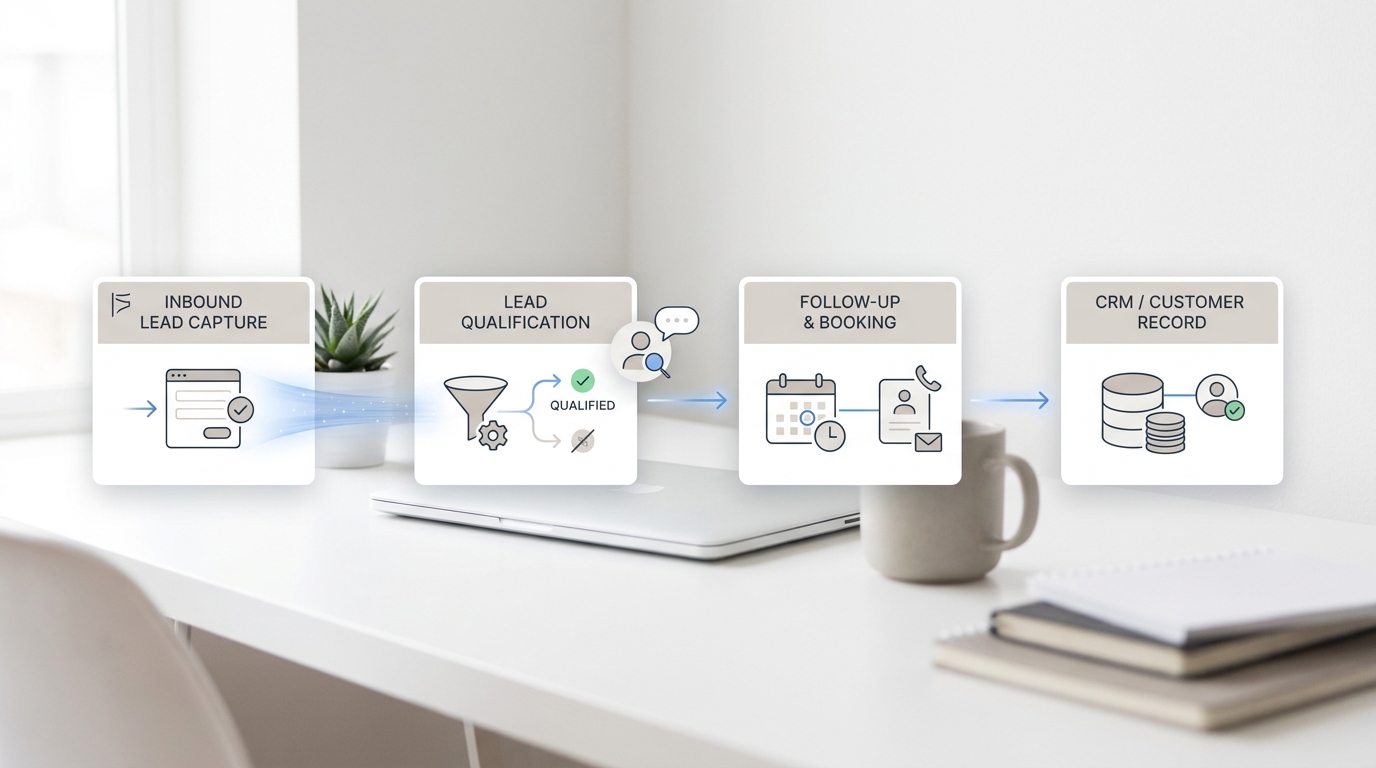
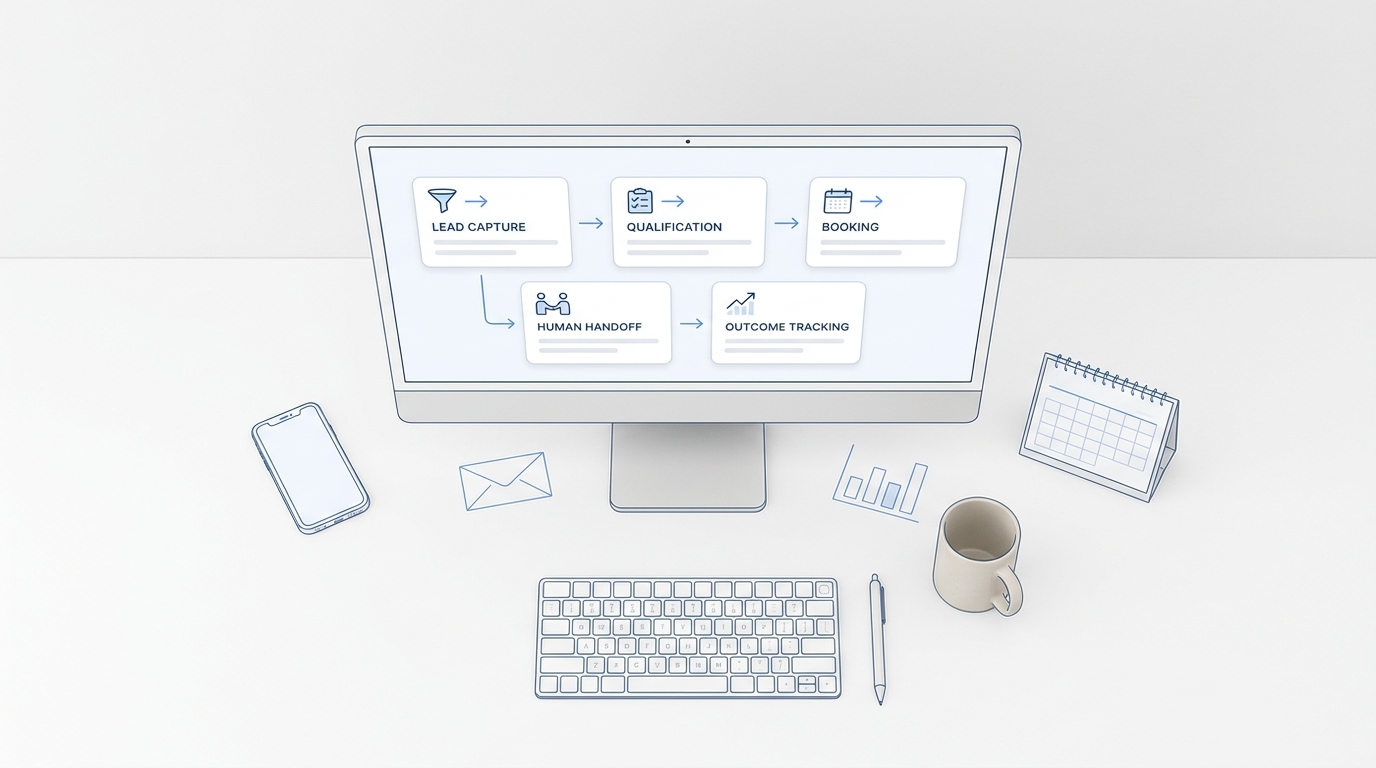
The most useful after-hours flow usually looks like this:
- The caller reaches the business line after closing or while staff are busy.
- The salon answering service answers immediately with the business name and approved greeting.
- It captures service type, timing preference, and callback details.
- It checks connected availability when that workflow is approved.
- It creates a summary for the team and preserves the follow-up context.
- The caller receives a clear next step instead of dead-end voicemail.
That is the real difference between passive message-taking and active booking protection.
What a modern salon answering service should connect to
For this category, phone pickup alone is not enough. The strongest salon answering service should connect to the tools that keep the calendar full.
On Solvea's current barber-shop page, the relevant proof points are practical:
- AI answers missed customer calls
- the workflow is positioned around booking and follow-up
- every call produces a summary
- booking outcomes and deposit status can be tracked
- Google Calendar is supported
- the page also references Booksy, Vagaro, and Squire as direct booking-system examples
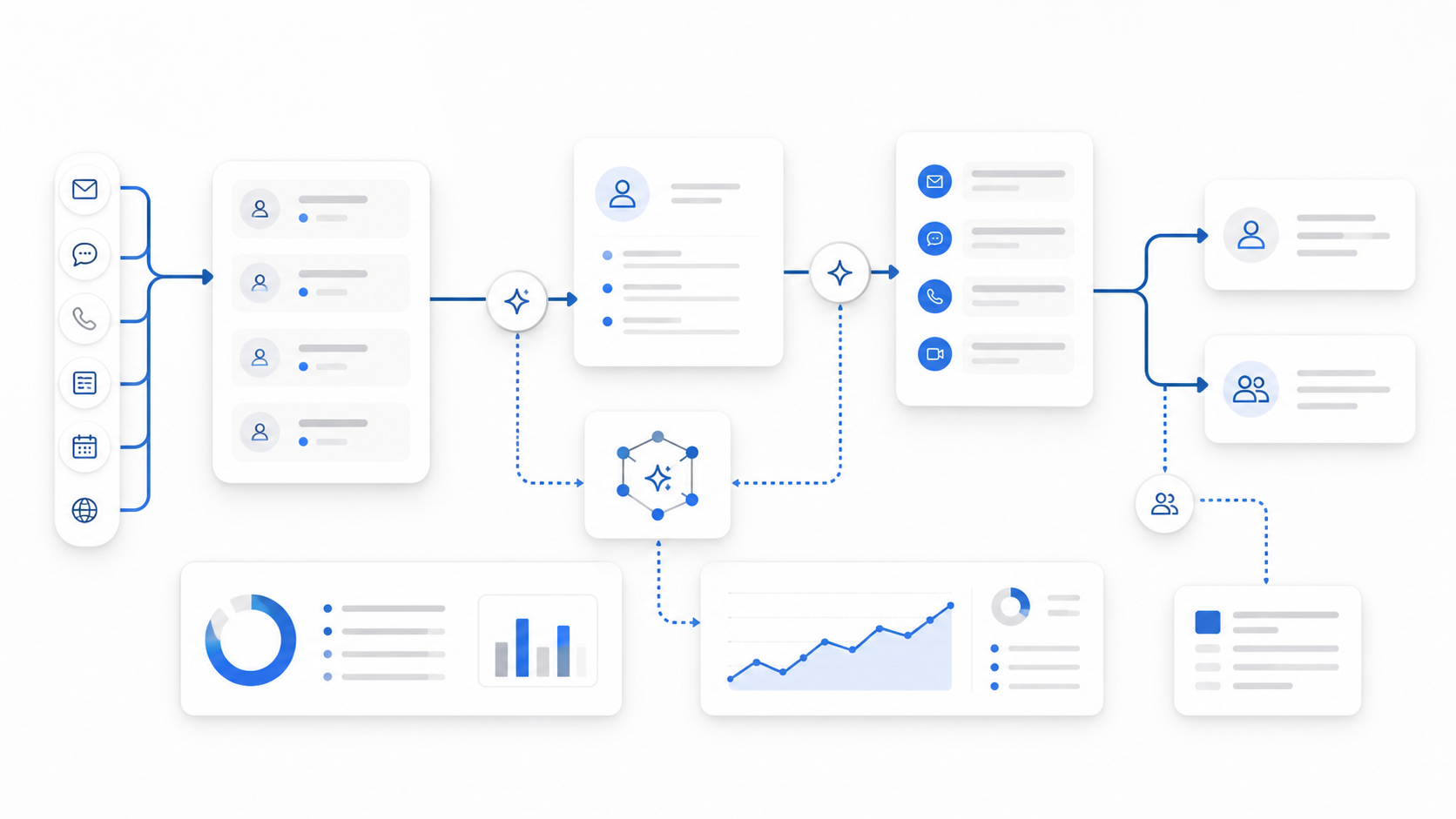
The broader Solvea product pages reinforce that picture. The main site and AI receptionist pages position the product around phone, SMS, email, chat, WhatsApp, summaries, and team follow-up. The AI appointment setter page adds the booking angle more directly, with calendar-connected scheduling and lead qualification.
That matters because a salon answering service becomes more valuable when the caller does not stay in one channel. A customer may call first, then confirm by text later. If the context is lost between those steps, the business still pays the operational cost of the missed call.
When a salon answering service should ask for a deposit
Some shops do not only want coverage. They want stronger commitment from the caller.
Solvea's live barber-shop page explicitly positions deposit collection as part of the booking workflow. For salons and barbershops that struggle with no-shows or flaky high-demand slots, that is an important distinction. A salon answering service can help more when it is part of the booking system, not just the phone system.
That said, deposits should be used carefully:
- for premium or long-duration services
- for high-demand time slots
- for new-client bookings when no-show risk is high
- only with approved business rules and clear customer communication
The goal is not to make every call heavier. The goal is to protect scarce chair time when the economics justify it.
A practical launch plan for a salon answering service
Most salon owners should not try to automate every call path on day one. The safer rollout is narrower.
Phase 1: Missed calls and after-hours bookings
Start with the highest-value leak:
- unanswered calls during services
- evening and weekend inquiries
- simple new-booking requests
At this stage, the salon answering service only needs to capture demand cleanly and hand it off reliably.
Your AI Receptionist, Live in Minutes.
Scale your front desk with an AI that never sleeps. Solvea handles unlimited multi-channel inquiries, books appointments into your calendar automatically, and ensures zero missed opportunities around the clock.
Phase 2: Reschedules, confirmations, and routine FAQs
Once the first layer works, add:
- reschedule requests
- cancellation requests
- location and hour questions
- prep reminders
- basic stylist or service routing
This is where a connected knowledge base becomes useful. Solvea's live product pages position the knowledge base as the control layer for approved answers, which is a better fit than letting every response improvise from scratch.
Phase 3: Calendar-aware booking and reminders
After the basics are stable, connect the workflow more deeply:
- live availability checks
- appointment confirmation flows
- reminder messages
- deposit prompts where appropriate
- owner assignment for next-day follow-up
By this stage, the salon answering service is no longer just answering the phone. It is protecting revenue and schedule quality.
How to judge whether a salon answering service is working
Do not measure success only by answer rate.
Track these instead:
| Metric | Why it matters |
|---|---|
| Missed calls recovered | Shows whether previously lost demand is now entering workflow |
| New booking requests captured | Tells you whether the system is preserving revenue opportunities |
| After-hours booking volume | Measures the value of coverage outside desk hours |
| Reschedule handling speed | Shows whether schedule changes are being processed cleanly |
| Summary quality | Determines whether staff can act without re-asking everything |
| No-show protection signals | Useful when deposits or reminder flows are part of the setup |
Solvea's current barber-shop messaging emphasizes summaries, booking outcomes, and deposit tracking, which makes these metrics a natural fit for the article's search intent.
When a simple answering layer is enough
A lighter salon answering service may be enough if:
- the shop is very small
- one owner still manages nearly all follow-up
- customers mostly call only for simple bookings
- the current calendar workflow is already clean
- the main goal is just stopping voicemail leakage
In that case, even basic missed-call coverage can improve booking performance.
When a workflow-first salon answering service is the better fit
A more complete salon answering service is usually the better choice if:
- multiple staff members touch the same booking flow
- the shop loses context between calls and follow-up
- customers switch from call to text
- no-shows, reschedules, and deposits matter operationally
- the owner is tired of being the human bridge between phone, calendar, and reminders
That is where Solvea fits best for this search. The live site does not position the product as voicemail with AI polish. It positions the product as a business phone plus AI receptionist plus booking and follow-up workflow.
Where Solvea fits this search intent
For salons and barbershops, Solvea's strongest current fit is the combination of:
- AI answering for missed calls
- booking-oriented workflows
- summaries after every call
- appointment-setting support
- calendar and follow-up visibility
- one place for team review across channels
Those are the capabilities that make a salon answering service useful when the real problem is not only call coverage, but interruption cost and booking leakage.
The most relevant next pages for a buyer evaluating this setup are:
Final takeaway
The right salon answering service should not only answer the phone. It should help the shop keep bookings moving when the team is with clients, off the clock, or too busy to stop and triage every call manually.
If your shop mainly needs voicemail replacement, a lighter solution may be enough. If your shop needs booking capture, after-hours coverage, calendar-aware follow-up, and team visibility, a workflow-driven salon answering service will usually create more value.
That is why this category works best when you evaluate it as a booking and follow-up system, not just a phone feature.