A strong pest control answering service script does more than take a message. It helps a receptionist, dispatcher, or AI receptionist identify the pest concern, capture property and exposure details, separate routine scheduling from urgent safety issues, and explain the next step without guessing at the species or promising a treatment result.
This guide gives pest control companies a practical call flow for general pest sightings, rodents, termites, bed bugs, stinging insects, wildlife questions, pesticide concerns, estimates, recurring service, and after-hours calls.
Important: A call handler should not diagnose a bite, identify a pest with certainty from a verbal description, recommend pesticide use, or tell a caller that an exposure is safe. If someone has trouble breathing, severe swelling, loss of consciousness, another serious medical symptom, or an immediate life-safety concern, direct the caller to local emergency services. For suspected poisoning or pesticide exposure in the United States, the caller can contact Poison Control at 1-800-222-1222. Follow company policy and local requirements.
The short pest control answering service script
Use this opening for most inbound calls:
“Thank you for calling [Pest Control Company]. This is [Name]. How can I help you today?”
“I can help with that. First, may I get your name, the service address, and the best phone number in case we get disconnected?”
“What are you seeing, hearing, or noticing, and where on the property is it happening?”
“Has anyone been bitten, stung, exposed to a pesticide, or developed a serious symptom that needs immediate medical attention?”
“Thank you. I’m going to [book an inspection / request a technician callback / send this to our priority team]. Before we finish, I’ll confirm the property, access, and scheduling details.”
The spoken portion should feel natural. The reliable part of the process is the intake form and routing policy behind it.
Pest control call intake checklist
Every call record should let the next person understand the situation without forcing the customer to repeat the basics.
Customer and property details
- Caller’s full name
- Best callback number
- Email address, if used for confirmations
- Complete service address, including unit or suite
- Property type: house, apartment, restaurant, office, warehouse, rental, or other
- Caller’s relationship to the property: owner, tenant, property manager, employee, or other
- On-site contact, if different from the caller
- New or existing customer
- Preferred communication method
Pest concern details
- What the caller saw, heard, smelled, found, or experienced
- Where activity is occurring: kitchen, bedroom, attic, crawlspace, yard, wall, roofline, commercial area, or another location
- When the activity began
- Frequency: one sighting, repeated sightings, daily activity, seasonal pattern, or unknown
- Approximate number observed, without treating the estimate as a confirmed infestation level
- Time of day activity is noticed
- Evidence reported: droppings, damage, nests, mud tubes, shed skins, bites, sounds, odors, or tracks
- Photos or video available: yes or no
- Previous treatment or inspection
- Recent move, travel, delivery, renovation, storm, landscaping, or neighboring-unit issue
Safety and exposure details
- Bite or sting reported: yes or no
- Serious symptom or allergic reaction reported: yes or no
- Pesticide exposure or spill reported: yes or no
- Children, pets, older adults, or medically vulnerable people present
- Pest activity near food preparation, sleeping areas, schools, clinics, or sensitive commercial operations
- Aggressive animal, active swarm, or immediate access hazard reported
- Customer has already used a pesticide, trap, fogger, or home remedy: yes or no
Booking and access details
- Service area confirmed
- Inspection, one-time service, recurring service, follow-up, or estimate request
- Preferred appointment window
- Gate codes, parking, pets, tenants, crawlspace, attic, or exterior-access notes
- Decision-maker or approval contact
- Existing service plan, warranty, or account information
- Approved inspection or service fee disclosure
- Preparation instructions only from the company’s verified policy
- Confirmation channel and next step
Do not promise that a treatment will eliminate a pest in one visit, that a product is harmless, or that a concern is covered under a warranty unless those statements appear in approved company policy.
Script for a general pest sighting
“I can help arrange the right next step. What did you notice?”
“Where on the property did you see it?”
“Was this one sighting or have you noticed repeated activity?”
“When did you first notice it, and is there any damage, droppings, nesting material, or another sign?”
“Do you have a photo that can be added to the service record?”
“Has anyone already applied a pesticide or set a trap in that area?”
“Thank you. I’m recording the concern as [customer’s words]. The next step is [inspection / technician review / approved service visit].”
The call handler should use the caller’s description rather than converting it into a confirmed species. “Small brown insects near the pantry” is a valid record. “German cockroach infestation” requires qualified confirmation.
Rodent call script
“Are you seeing an animal, hearing activity, or finding signs such as droppings or damage?”
“Where is the activity occurring?”
“Is an animal currently loose inside an occupied room, or is the concern in an attic, crawlspace, wall, garage, or exterior area?”
“Have any people or pets had direct contact?”
“Has anyone disturbed droppings, nesting material, or a dead animal?”
“Please avoid handling wildlife or disturbing contaminated material until you receive qualified guidance. I’ll document the situation and [approved next step].”
The CDC advises using precautions when cleaning rodent-contaminated areas and avoiding actions that stir contaminated dust. A receptionist should not improvise a cleanup procedure. Route the customer to the company’s approved written guidance or an appropriate public-health source.
Bed bug inquiry script
“I’m sorry you’re dealing with that. What signs have you noticed?”
“Which rooms or sleeping areas are involved?”
“When did you first notice the issue?”
“Has there been recent travel, a move, used furniture, or activity in another unit?”
“Has any pesticide, fogger, heat device, or home treatment already been used?”
“We cannot confirm bed bugs by phone, but I can arrange [inspection / photo review / approved next step].”
Avoid confirming bed bugs from bites alone. Capture the evidence, affected areas, building type, neighboring-unit context, and previous treatment so the inspector can prepare.
Termite or wood-damage script
“What did you notice: insects, wings, mud-like tubes, damaged wood, or another sign?”
“Where is it located?”
“When did you first notice it?”
“Is this related to a real-estate transaction, annual inspection, active damage concern, or routine prevention?”
“Do you have previous inspection or treatment records?”
“I can schedule [approved inspection type]. The inspector will identify the condition and explain available options.”
Do not estimate structural damage or treatment scope by phone. For real-estate calls, capture deadlines, report requirements, buyer or seller contacts, and property access.
Stinging insect and swarm script
“Are the insects actively swarming or is there a visible nest?”
“Where is the activity located, and is it near an entrance, walkway, playground, work area, or occupied room?”
“Has anyone been stung?”
“Is anyone having trouble breathing, severe swelling, dizziness, or another serious reaction?”
“If there is a serious reaction, contact emergency services immediately. Please keep people and pets away from the area if you can do so safely. I’ll route the service concern under our priority policy.”
Do not tell the caller to spray, strike, seal, or remove a nest. Record its reported location and whether a safe observation from a distance is possible.
Pesticide exposure or spill script
“I’m going to focus on safety first. Is anyone having trouble breathing, unconscious, having a seizure, or experiencing another severe symptom?”
“If yes, call 911 now.”
“If this may involve pesticide exposure or poisoning, contact Poison Control at 1-800-222-1222 in the United States for immediate guidance. Keep the product label or container available if it is safe to do so.”
“I cannot provide medical or decontamination instructions. I’ll document the product name, location, time, and what was reported, then follow our company’s escalation policy.”
The EPA recommends calling 911 for unconsciousness, trouble breathing, or convulsions and contacting Poison Control for pesticide poisoning guidance. Your company should maintain a short approved response that reflects the current product label, regulations, and emergency procedures.
After-hours pest control answering service script
“Thank you for calling [Pest Control Company]. Our office is currently closed, but I can collect your information and route it under our after-hours policy.”
“Is anyone experiencing a serious bite, sting, allergic reaction, pesticide exposure, or another immediate safety concern?”
“Is an aggressive animal or active pest situation preventing safe entry or exit?”
“Please describe what is happening and where.”
“I have recorded [brief summary]. The next step is [on-call review / callback / next-business-day scheduling].”
“If a medical or life-safety emergency develops, contact emergency services rather than waiting for a service callback.”
After-hours coverage should distinguish a message, a priority callback, and a dispatch. Never imply that a technician is already on the way unless dispatch has accepted the job.
Recurring service and follow-up script
“May I have the service address and the name on the account?”
“Is this a scheduled recurring visit, a new concern between visits, or a follow-up to recent treatment?”
“What activity are you noticing, where, and when did it begin?”
“Have the preparation and follow-up steps from the last visit been completed?”
“I’ll [book the approved follow-up / send the record to your technician / request account review]. You’ll receive confirmation by [channel].”
The agent should record service history but avoid declaring whether retreatment is included. Let the service agreement and authorized team determine coverage.
New-customer estimate script
“Are you looking for an inspection, one-time treatment, ongoing prevention, or help with a specific concern?”
“What type of property is this?”
“Which areas are affected?”
“Have you used another pest-control company or applied any products recently?”
“Are there children, pets, tenants, food-service areas, or other conditions we should note?”
“The next step is [approved estimate or inspection process]. I have [approved appointment windows].”
Do not quote a final treatment price until the company has the information required by its pricing policy. A phone estimate should be clearly labeled if the actual scope depends on inspection.
Build a written routing matrix
A script is only useful when each answer leads to a defined action.
Emergency referral
Use for severe medical symptoms, life-threatening allergic reactions, unconsciousness, trouble breathing, significant pesticide exposure, fire, or another immediate danger. Give the approved emergency direction before routine intake.
Priority technician review
Examples may include an active swarm blocking an entrance, aggressive wildlife inside an occupied area, a pesticide spill without current severe symptoms, or pest activity affecting a sensitive facility. Qualified company leadership should define these rules.
Same-day request
Examples may include repeated indoor sightings, an accessible stinging-insect nest near a high-traffic area, rodents active in an occupied space, or an urgent commercial concern without a life-safety emergency.
Routine scheduling
Use for inspections, prevention, occasional sightings, termite evaluations, recurring service, estimates, and follow-up visits.
Record facts rather than emotion. A worried caller deserves empathy, but the routing decision should rely on the reported conditions and written company policy.
What an AI receptionist needs for pest control calls
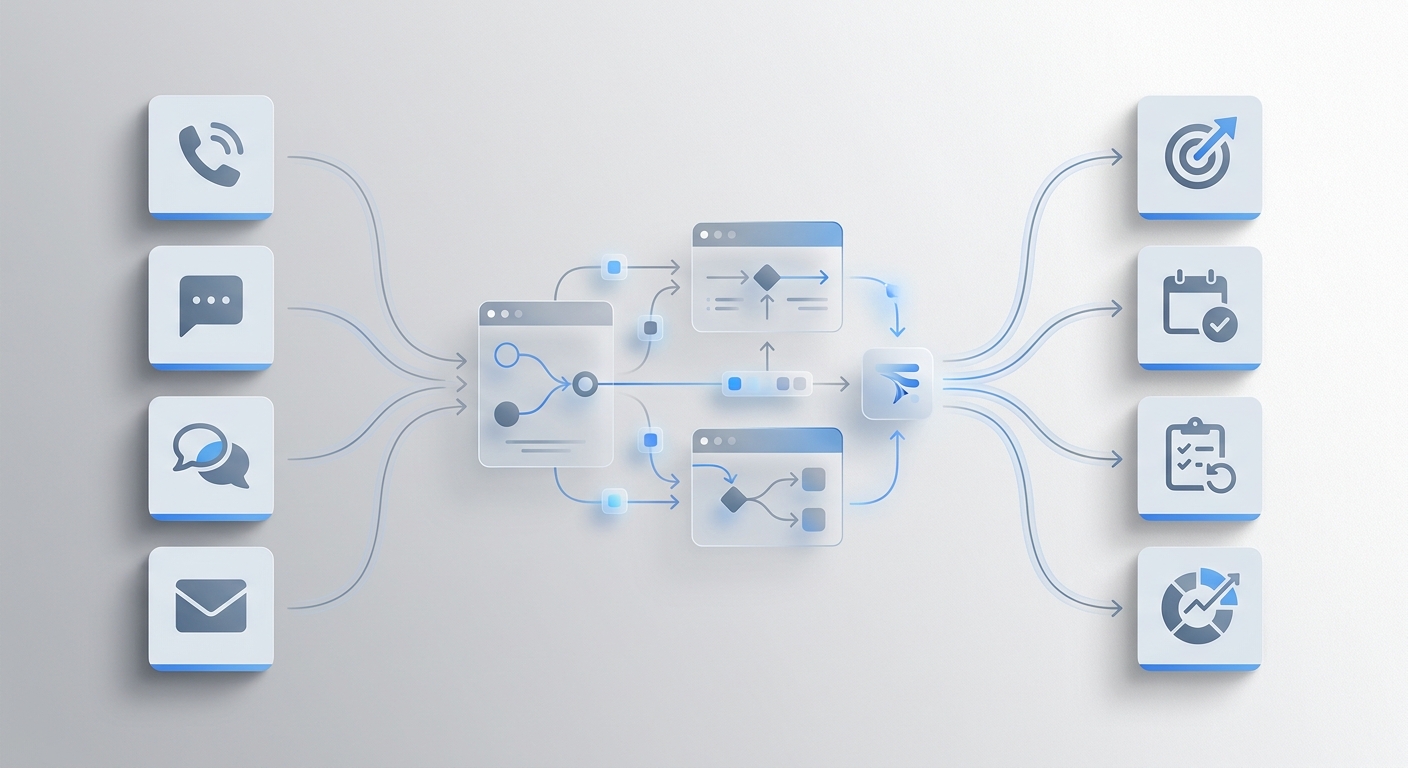
An AI receptionist can answer missed and after-hours calls, but it needs a verified operating playbook.
For pest control companies, the knowledge base should include:
- Service area and property types served
- Pest categories handled and excluded
- Office hours and after-hours process
- Emergency, Poison Control, and human-handoff scripts
- Prohibited medical, identification, pesticide, and guarantee claims
- Inspection, estimate, one-time, recurring, and follow-up workflows
- Priority matrix and escalation contacts
- Appointment types, durations, and calendar rules
- Customer, property, pest, exposure, and access intake fields
- Preparation instructions approved for each service
- Fee, warranty, retreatment, and cancellation language
- Rental, multifamily, commercial, and real-estate authorization rules
- Photo-upload and technician-notification process
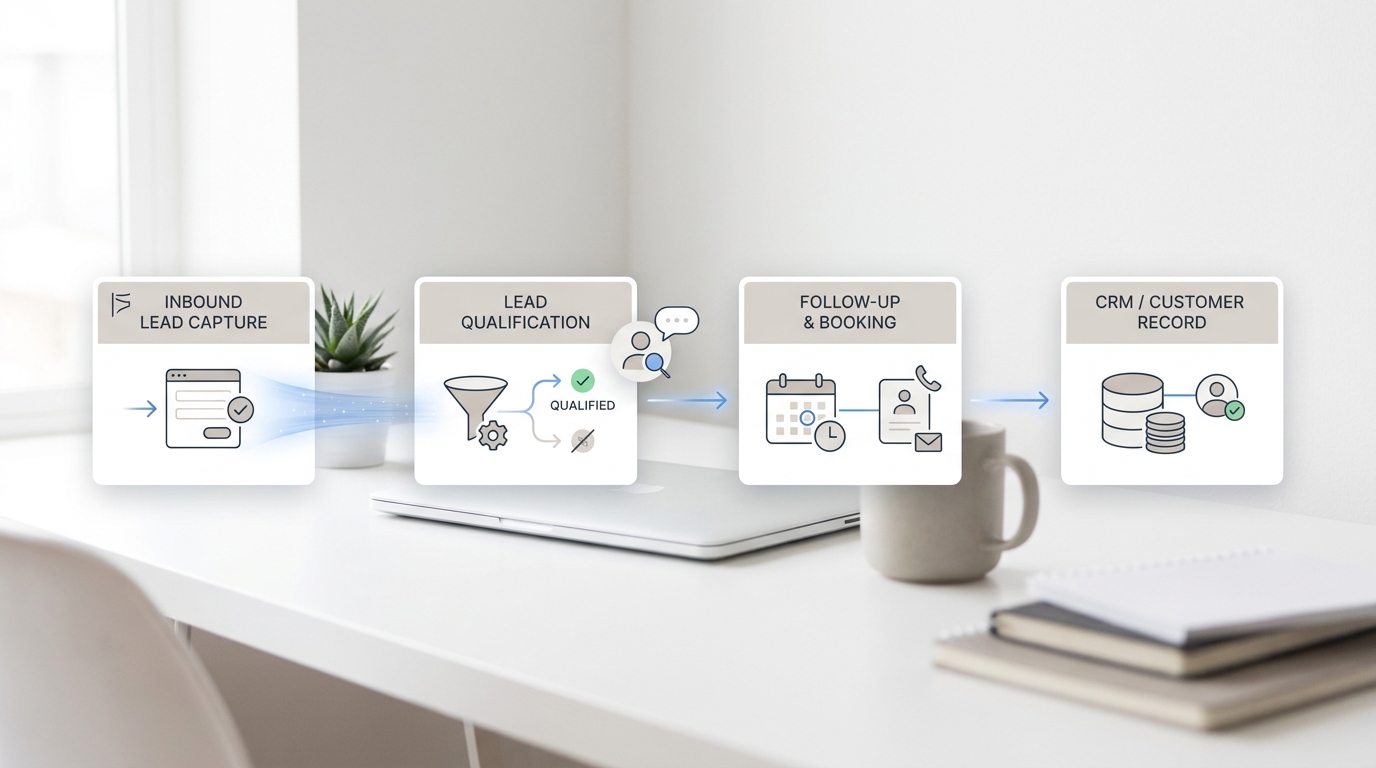
Connect the call flow to an AI phone answering system, booking calendar, CRM, or field-service platform only after those rules are documented. The system should apply company policy rather than invent pest identifications or treatment guidance.
An AI receptionist for home services can use a pest-control-specific branch while keeping calls, messages, and follow-up in a shared workflow. A business phone system for small business can also give the team a dedicated customer line and shared conversation context.
Pest control call QA scorecard
Review a sample of calls each week and score one point for each item:
- Used the approved greeting and company name
- Captured caller name, callback number, and service address
- Recorded what the caller observed without claiming a confirmed identification
- Asked the approved medical and exposure screening question
- Captured property, location, timing, evidence, and prior-treatment details
- Applied the written priority and escalation policy
- Avoided unapproved pesticide, medical, warranty, and guarantee statements
- Offered only verified appointment windows, fees, and preparation steps
- Confirmed the next action and communication channel
- Left a complete record for the technician or service team
Low scores usually reveal a knowledge or workflow gap: unclear service boundaries, missing preparation instructions, inaccessible scheduling data, or inconsistent escalation rules.
Your AI Receptionist, Live in Minutes.
Scale your front desk with an AI that never sleeps. Solvea handles unlimited multi-channel inquiries, books appointments into your calendar automatically, and ensures zero missed opportunities around the clock.
Pest control answering service script FAQs
What should a pest control answering service ask?
Ask what the caller observed, where and when it occurred, how often it happens, what evidence is present, whether anyone was bitten, stung, or exposed, whether products were already used, what type of property is involved, and what scheduling or access details apply.
Should a receptionist identify the pest over the phone?
No. Record the caller’s description and request photos when your company supports photo intake. A qualified inspector or technician should confirm the pest and appropriate treatment plan.
How should pesticide exposure calls be handled?
Use an approved safety script. For severe symptoms, direct the caller to 911. In the United States, direct suspected poisoning or pesticide exposure questions to Poison Control at 1-800-222-1222. Do not improvise medical or decontamination advice.
Can the script include preparation instructions?
Yes, but only instructions approved for the exact service and treatment plan. Generic preparation advice can conflict with product labels or technician requirements.
Can an AI receptionist book pest control appointments?
Yes, when it has approved service categories, coverage areas, appointment rules, intake fields, fees, and escalation boundaries. Calls outside those rules should go to a human.
Turn the script into a reliable call workflow
The best pest control answering service script is not one long speech. It is a short conversation supported by complete intake fields, a written priority matrix, clear safety boundaries, verified scheduling rules, and a reliable technician handoff.
Start with the universal opening. Add branches for general pests, rodents, bed bugs, termites, stinging insects, exposure concerns, estimates, and recurring service. Test the flow against real calls. Then update the knowledge base whenever missing information causes a delayed callback, incorrect booking, or incomplete service record.
That process gives every caller a clear next step and gives every technician better context before the visit—whether the call is handled by an office coordinator, an answering service, or an AI receptionist.