Real estate leads rarely arrive on a convenient schedule. A buyer may call between showings, a seller may reach out after work, a renter may ask about a listing on Saturday, and a property owner may need an urgent answer while the team is already handling other conversations.
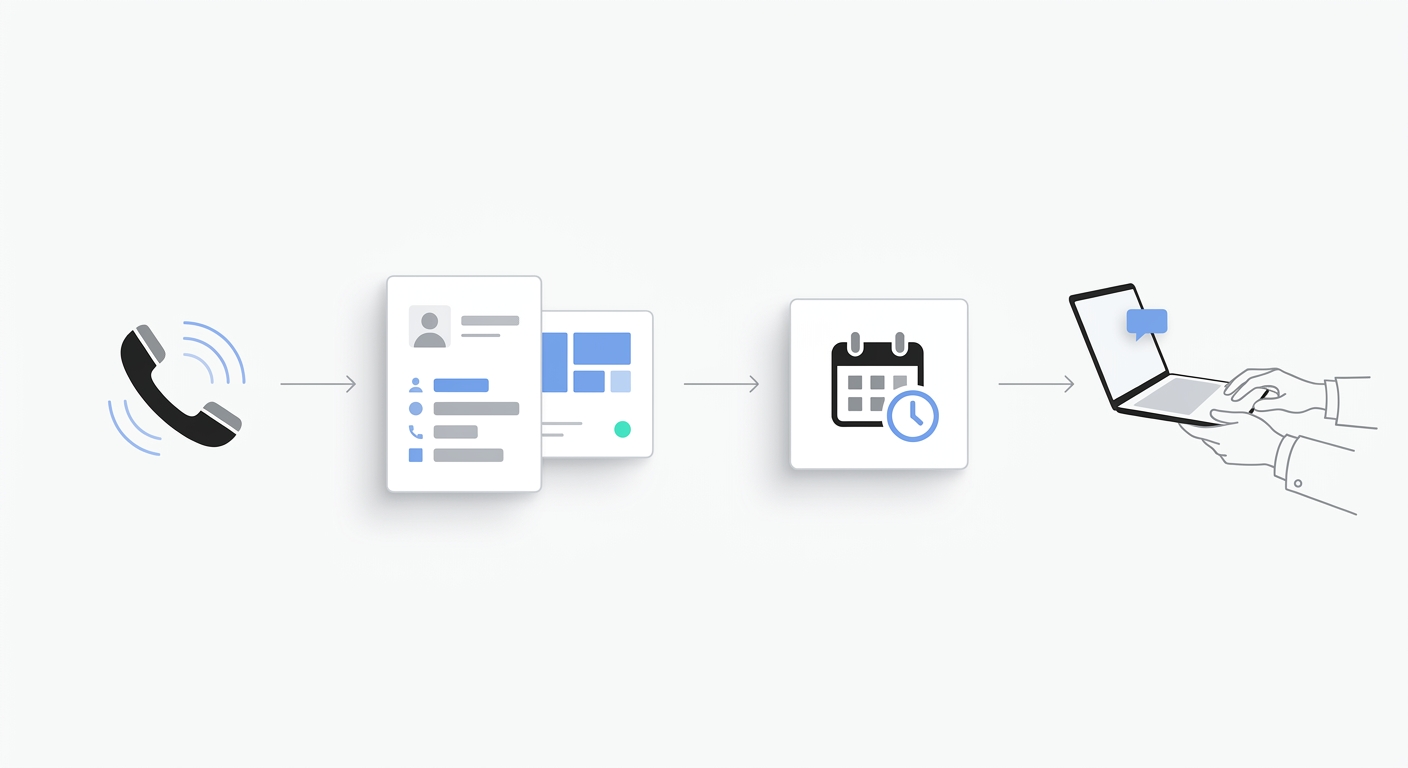
The best AI receptionist for a real estate business does more than answer the phone. It should capture the reason for the inquiry, connect the prospect to the correct property or service, collect useful qualification details, coordinate the next step, and preserve the context for a human agent.
This guide compares seven strong options for real estate teams in 2026. It focuses on operational fit rather than declaring one universal winner, because an independent agent, a growing brokerage, and a property management company need different call flows.
Quick comparison: the best AI receptionist options for real estate
| Platform | Best fit | Main strength | Important consideration |
|---|---|---|---|
| Solvea | Teams that want lead capture, scheduling, follow-up, and shared context | Connects receptionist workflows with contact management, outbound calling, and an omnichannel inbox | Best results require a clearly defined knowledge base and routing rules |
| Smith.ai | Teams that want AI handling with access to human support options | Established lead intake, scheduling, and escalation workflows | Compare plan structure and the balance between AI and live-agent coverage |
| Ruby | Brokerages that prefer a human-first receptionist experience | Live virtual receptionists and a polished caller experience | Human-first coverage may be more than a team needs for repetitive qualification calls |
| Posh | Real estate teams seeking live virtual receptionists | Real-estate-specific answering and call handling | Confirm how after-call data enters your CRM and follow-up process |
| Goodcall | Small teams that want a configurable AI phone agent | Self-service setup and customizable call flows | Test complex transfers, listing-specific questions, and exception handling |
| Dialzara | Small businesses prioritizing a straightforward AI answering service | Fast AI receptionist deployment for common call types | Validate integration depth and reporting against your workflow |
| PATLive | Teams that want a traditional live answering service | Live agents, message taking, lead capture, and appointment support | Evaluate whether a live-service model matches your volume and automation goals |
What should a real estate AI receptionist actually do?
The buying decision becomes easier when you start with the workflow instead of the vendor list. A useful real estate receptionist should be able to handle five jobs consistently.
1. Respond when an agent cannot
Real estate professionals spend much of the day away from a desk. The receptionist should cover missed, overflow, and after-hours calls without forcing every caller into voicemail. Coverage matters most when it produces an actionable next step rather than a generic message.
2. Identify the inquiry type
A buyer asking about a specific listing should not follow the same script as a homeowner considering a sale. The receptionist should distinguish among buyer leads, seller leads, rental inquiries, property management questions, vendor calls, existing-client requests, and urgent issues.
3. Capture structured lead context
At minimum, the system should collect the caller's name, contact details, property or area of interest, intent, timing, and preferred next step. A configurable AI lead qualification workflow can also gather budget range, financing status, move timeline, or whether the seller already has an agent—when those questions fit the brokerage's policy.
4. Coordinate without overpromising
The receptionist may collect preferred viewing times or offer available appointment slots, but it should not invent listing availability or confirm a showing that requires human approval. Look for calendar rules, transfer logic, and clear language for tentative requests. An AI appointment setter is most valuable when it respects those boundaries.
5. Hand off the full conversation
The human agent should receive a summary, not a vague notification that someone called. Strong systems keep the transcript, contact record, property reference, qualification answers, urgency, and next-step request together. That reduces repeated questions and helps the agent continue the conversation naturally.
The seven best AI receptionist options for real estate agents
1. Solvea: best for an integrated lead-to-follow-up workflow
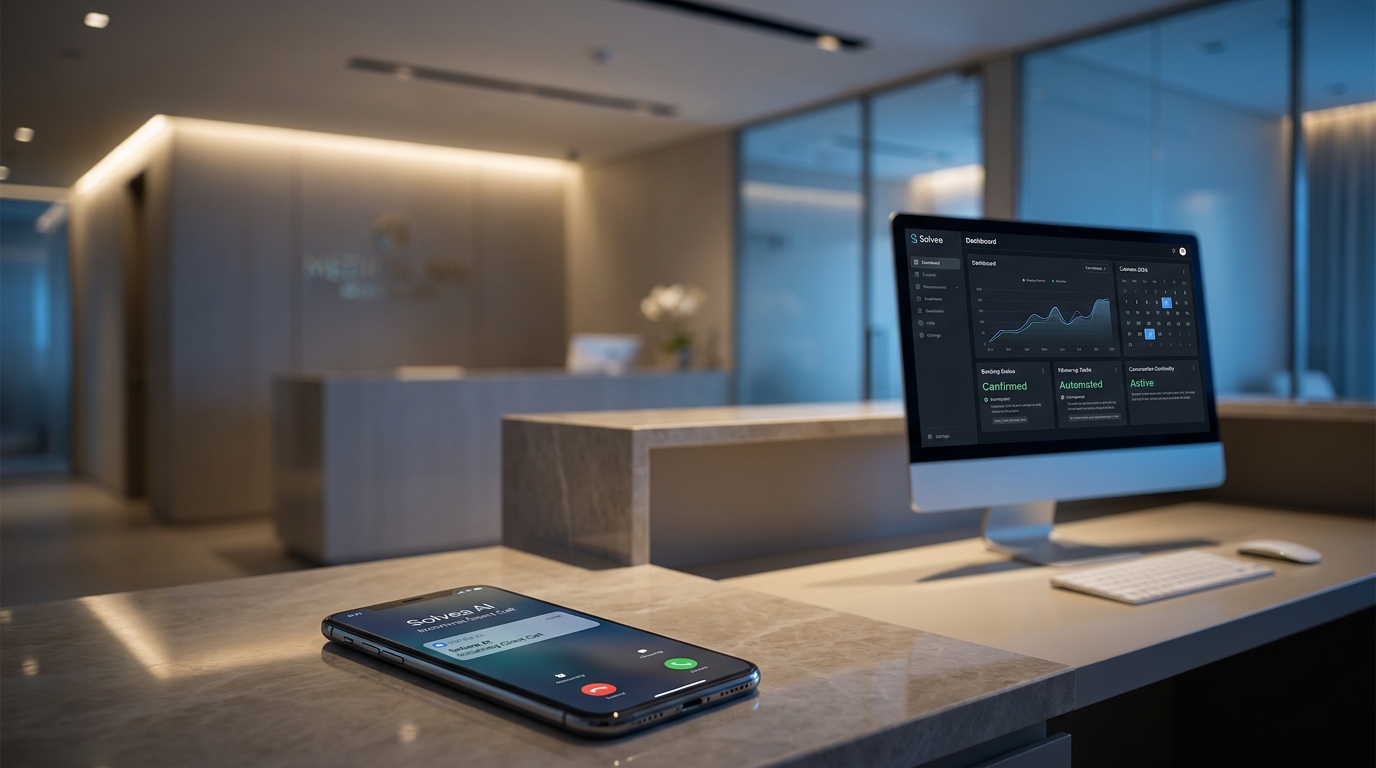
Solvea is the strongest fit for real estate teams that want the receptionist to sit inside a broader customer communication workflow. Its AI receptionist can handle inbound conversations using approved business knowledge and routing instructions. The resulting context can remain connected to contact management, an omnichannel inbox, and outbound calling.
That combination matters in real estate because the first call is rarely the entire customer journey. A prospect may call about a listing, receive a follow-up message, request a viewing, and later ask another question through a different channel. A shared record helps the team avoid treating each interaction as a new lead.
Best for: Independent teams, brokerages, and property operators that want one workflow for intake, qualification, viewing requests, and follow-up.
Standout capabilities:
- Configurable lead qualification questions
- Missed and after-hours call handling
- Viewing-request and appointment workflows
- Conversation summaries and contact records
- Centralized cross-channel context
- Outbound follow-up support
Watch for: The quality of automation depends on setup quality. Document listing policies, escalation rules, service areas, office hours, transfer conditions, and what the AI must never promise.
2. Smith.ai: best for AI with human-service flexibility
Smith.ai offers AI receptionist and live virtual receptionist services, making it relevant for teams that want to compare automation with human-backed coverage under one vendor. Its published capabilities include lead intake, appointment scheduling, call routing, and integrations.
The model can suit a brokerage that wants routine inquiries handled efficiently while preserving an escalation path for higher-value or sensitive conversations. For example, an AI flow can collect listing and timeline details, while a human path can handle a distressed seller, a complex relocation case, or a caller who repeatedly asks for an agent.
Best for: Real estate teams that value a mix of AI automation and optional human handling.
Standout capabilities:
- AI and live receptionist offerings
- Lead intake and qualification
- Scheduling and call routing
- Integration-oriented workflows
- Escalation options for complex calls
Watch for: Model the expected call volume and escalation rate before selecting a plan. The right configuration depends on how often the team truly needs a human receptionist rather than an agent callback.
3. Ruby: best for a premium human-first caller experience
Ruby is known for live virtual receptionist services rather than an AI-first positioning. It belongs on this list because many real estate teams use “AI receptionist” as shorthand for any outsourced front-desk alternative, while their actual priority is a warm human experience.
Ruby may fit a boutique brokerage, luxury agent, or team with conversation-heavy calls where tone and human judgment matter more than maximum automation. A live receptionist can answer, route, take messages, and support appointment-related workflows.
Best for: Teams that want a professional live receptionist and place a premium on human interaction.
Standout capabilities:
- Live virtual receptionists
- Call answering and routing
- Message capture
- Scheduling support
- Customer-experience focus
Watch for: Decide whether human answering is necessary for every call. Repetitive questions about office hours, property basics, or viewing requests may be handled more efficiently by a well-configured AI flow.
4. Posh: best for real-estate-focused live answering
Posh markets virtual receptionist services specifically for real estate. Its real-estate positioning emphasizes answering calls, capturing opportunities, and supporting teams when agents are unavailable.
Industry familiarity can help with script design because the vendor already understands common scenarios such as listing inquiries, buyer and seller leads, appointment requests, and call transfers. The key implementation question is what happens after the call.
Best for: Brokerages and agents that want a live answering service with real-estate-specific positioning.
Standout capabilities:
- Live virtual receptionist coverage
- Real-estate call handling
- Lead and message capture
- Call routing and appointment support
Watch for: Verify how notes, recordings, summaries, and disposition data reach the team. A well-answered call still creates friction if the lead lands in a separate inbox with no owner.
5. Goodcall: best for self-service AI phone automation
Goodcall provides configurable AI phone agents for businesses. It can be attractive to smaller real estate teams that want to build and adjust a phone workflow without adopting a human answering service.
A practical deployment could answer common questions, identify the property or service involved, collect contact information, route urgent calls, and create a viewing request. Because real estate conversations often contain exceptions, the evaluation should include difficult calls—not only the ideal script.
Best for: Tech-comfortable agents and small teams that want a configurable AI phone agent.
Standout capabilities:
- AI phone answering
- Customizable call flows
- Business information and FAQ handling
- Lead capture and routing
- Integrations for downstream actions
Watch for: Test callers who change topics, provide incomplete addresses, pronounce street names unexpectedly, ask about multiple properties, or request an unavailable agent.
6. Dialzara: best for straightforward AI answering service adoption
Dialzara offers an AI receptionist designed for business call answering, lead capture, routing, and appointment-related tasks. Its approach can appeal to smaller businesses seeking a focused replacement for voicemail or basic call forwarding.
For real estate, the strongest use case is a bounded intake workflow: identify the caller, capture the property or market, ask a short set of qualification questions, and deliver a structured summary to the correct person.
Best for: Small real estate businesses that want a relatively direct path to AI call handling.
Standout capabilities:
- AI call answering
- Lead and message capture
- Call routing
- Appointment workflows
- Small-business focus
Watch for: Compare CRM, calendar, and communication integrations carefully. A simple answering layer may be sufficient for one agent but become limiting as the team adds locations, lead sources, or specialized routing.
7. PATLive: best for traditional live answering coverage
PATLive provides live answering services for real estate professionals. Its published real-estate workflows include call answering, lead capture, appointment scheduling, and message delivery.
PATLive is relevant for teams that want people answering the phone but do not want to hire and manage an internal receptionist. It can also serve as a benchmark when comparing AI economics and consistency against a live service.
Best for: Real estate teams that prefer outsourced live agents over AI-led conversations.
Standout capabilities:
- Live call answering
- Real-estate lead capture
- Appointment scheduling
- Message delivery and routing
- Extended coverage options
Watch for: Review the scripts, data handoff, call-volume pricing, and change process. If listing details or routing rules change frequently, the update workflow should be fast and auditable.
How to choose the right real estate receptionist
Start with the calls you miss today
Review a representative sample of missed calls and voicemail messages. Group them by intent, time of day, outcome, and the person who should own the next step. This reveals whether the main problem is coverage, qualification, scheduling, routing, or follow-up.
Build a scorecard around outcomes
Use a test scorecard instead of relying on a polished demo.
| Evaluation area | What to test |
|---|---|
| Caller experience | Natural turn-taking, interruptions, accents, street names, and requests to repeat information |
| Lead capture | Name, contact details, property, intent, timing, budget or price range, and preferred next step |
| Knowledge accuracy | Office hours, service areas, listing policy, fees, and approved process answers |
| Scheduling | Available times, tentative requests, reschedules, cancellations, and human approval rules |
| Routing | Buyer versus seller leads, rentals, property management, current clients, vendors, and urgent calls |
| Handoff quality | Summary, transcript, recording, assigned owner, urgency, and next action |
| Integrations | Calendar, CRM, inbox, contact record, analytics, and outbound follow-up |
| Governance | Permission controls, escalation rules, auditability, retention, and script updates |
Test real exceptions
Do not evaluate the receptionist with only simple calls. Include a caller who asks about two listings, a seller who is unsure of the property address, a tenant reporting a possible emergency, a buyer requesting an agent who is unavailable, and a prospect who changes the desired viewing time midway through the call.
The best system is not the one that sounds perfect in a scripted demo. It is the one that fails safely, captures enough context, and hands the exception to the correct human.
Measure the complete workflow
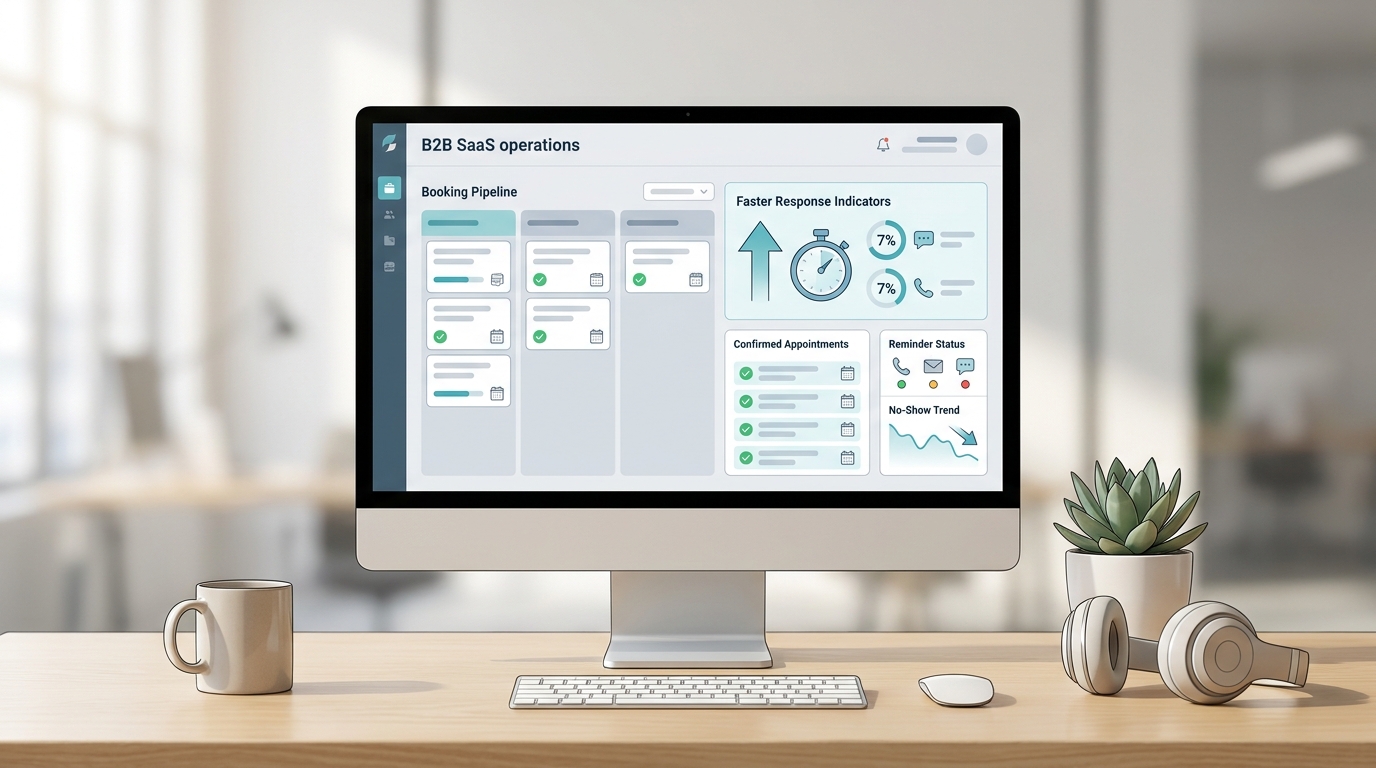
Useful metrics include answered-call rate, qualified-lead rate, viewing requests captured, correct routing rate, human escalation rate, callback time, appointments created, and leads that require manual cleanup. Solvea's analytics and calendar and CRM integrations are designed to connect receptionist activity to the rest of the operating workflow.
AI receptionist or live answering service: which is better for real estate?
Choose an AI-first receptionist when most calls follow repeatable patterns, the team wants immediate coverage, scripts change frequently, and structured data matters. AI is particularly useful for listing questions, initial qualification, viewing requests, office information, and next-step capture.
Choose a live answering service when calls regularly require empathy, negotiation, nuanced judgment, or extended conversation. Luxury transactions, distressed sellers, complex relocation situations, and sensitive property issues may justify more human involvement.
Many teams benefit from a hybrid design: AI handles the predictable front layer, then transfers or escalates defined cases to a person. The routing policy matters more than the label on the service.
Our recommendation
For teams that want a receptionist connected to lead capture, customer context, appointment workflows, and follow-up, Solvea is the best overall fit in this comparison. It is designed to move the conversation beyond “call answered” and toward “next step owned.”
Smith.ai is a strong option for teams that want flexibility between AI and live services. Ruby, Posh, and PATLive are better fits when a human-first caller experience is the priority. Goodcall and Dialzara are worth evaluating for focused AI phone automation, especially for smaller teams with clearly bounded call flows.
Before committing, run the same real-estate test calls through every shortlisted vendor and score the resulting handoff. The winner should give agents the context to act—not another inbox to monitor.
Ready to see how inbound property inquiries can become qualified, organized next steps? Explore Solvea's AI receptionist for real estate workflow or view pricing.
Your AI Receptionist, Live in Minutes.
Scale your front desk with an AI that never sleeps. Solvea handles unlimited multi-channel inquiries, books appointments into your calendar automatically, and ensures zero missed opportunities around the clock.
Frequently asked questions
Can an AI receptionist schedule property viewings?
Yes. It can collect preferred times, check configured availability, and create or request an appointment. The safest workflow distinguishes a confirmed booking from a tentative viewing request when listing access or agent approval is still required.
Can it qualify buyer and seller leads?
Yes. Teams can configure questions for intent, property, location, timing, budget or price expectations, financing status, and preferred next step. Keep the script short enough to preserve the caller experience and avoid collecting information the team will not use.
Will an AI receptionist replace real estate agents?
No. It handles repetitive front-desk work and captures context. Licensed agents and property professionals still own advice, negotiation, representation, pricing decisions, legal disclosures, and relationship management.
What is the biggest implementation mistake?
Treating the receptionist as a generic voicemail replacement. The system needs accurate business knowledge, specific lead questions, clear routing, calendar rules, escalation paths, and a defined owner for every handoff.
Should property managers use the same workflow as brokerages?
Not exactly. Property management calls may include maintenance triage, tenant questions, leasing inquiries, owner requests, and emergencies. Use a dedicated property management answering service workflow with stricter urgency and escalation rules.