For a consult-driven medical spa, the business case for an AI receptionist for med spa teams is rarely just “saving staff time.” The bigger opportunity is recovering demand that already exists.
Prospective patients call between meetings, after work, during lunch, and while your front desk is helping someone in person. If the call goes to voicemail or the callback arrives hours later, that lead may book a consultation somewhere else before your team gets a second chance.
The most useful ROI model therefore starts with three questions:
- How many consultation-intent calls are missed or delayed each month?
- How many of those callers could be recovered with an immediate response and a clear booking path?
- How much staff time is spent on repeat questions, scheduling, reminders, and basic follow-up?
This guide gives med-spa operators a practical way to answer those questions without relying on inflated industry averages.
The Short Answer
An AI receptionist can create measurable value for a med spa when it improves one or more of these operating levers:
| ROI lever | What changes | Business impact |
|---|---|---|
| Missed-call recovery | More callers receive an immediate answer or captured next step | More leads enter the consultation funnel |
| Faster consultation booking | Qualified callers can move directly to an available slot | Less time for high-intent leads to shop around |
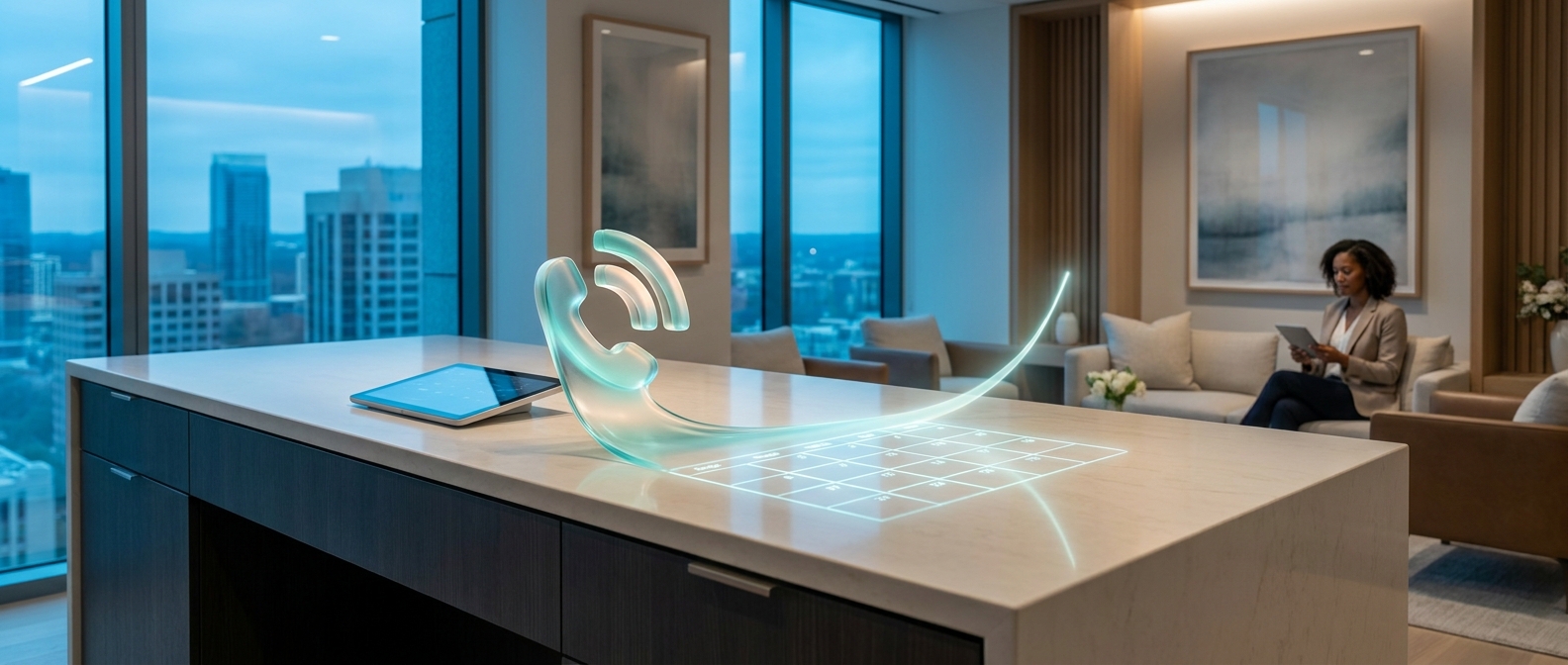
| Better after-hours coverage | Nights, weekends, and overflow periods stop defaulting to voicemail | Existing demand becomes bookable outside staffed hours |
| Fewer calendar gaps | Reminders, reschedules, and cancellations follow a defined workflow | More treatment capacity stays productive |
| Less front-desk interruption | Routine FAQs and booking tasks are handled consistently | Staff can focus on patients and exception handling |
| Cleaner follow-up | Call summaries, intent, and next steps remain visible | Fewer leads disappear between the first call and staff action |
The upside will be smaller if your team already answers nearly every call immediately, books efficiently after hours, and has almost no scheduling leakage. ROI should be measured against your actual baseline, not a generic promise.
Why Med-Spa ROI Is a Revenue-Recovery Story
The wrong framing is that AI simply replaces a receptionist. Most med spas still need people for hospitality, clinical coordination, complaints, payment exceptions, and sensitive conversations.
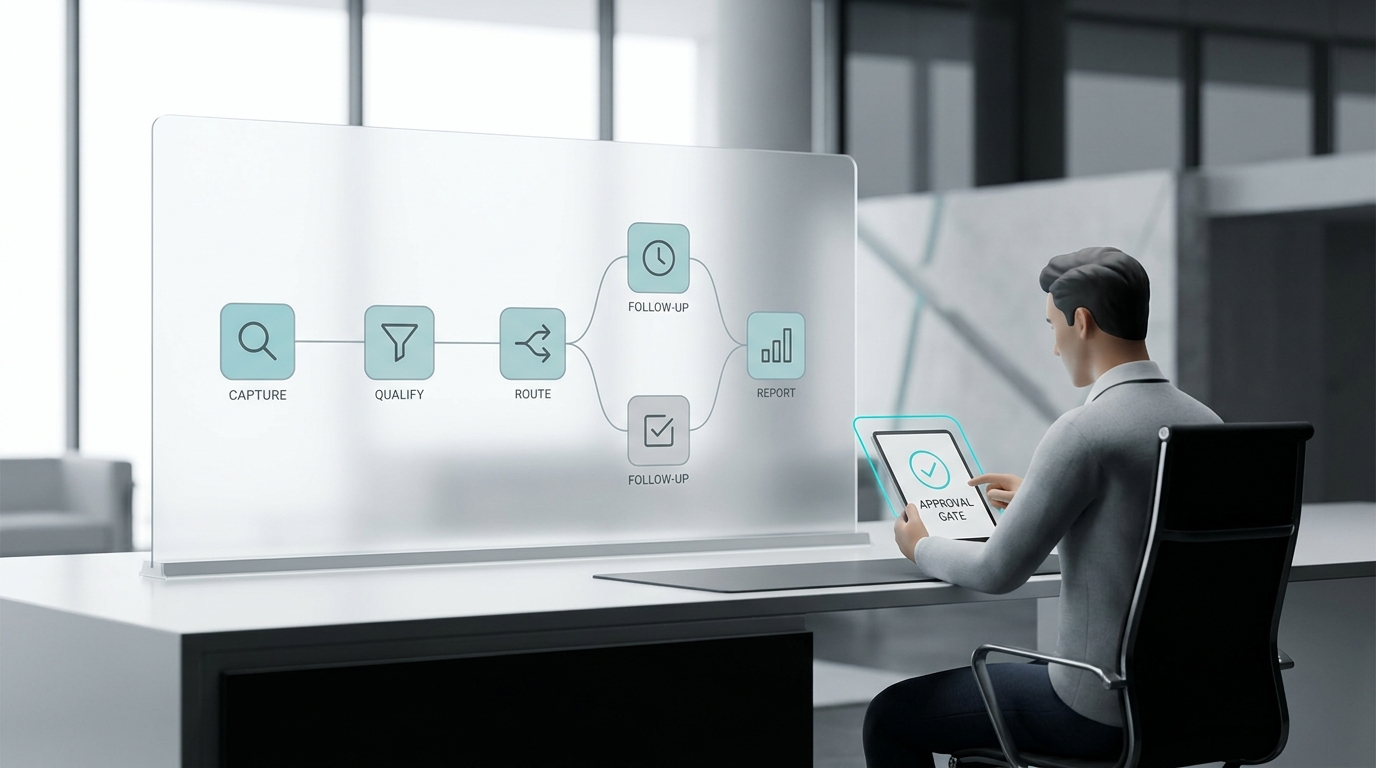
The better framing is that an AI receptionist gives the front desk a reliable first-response layer. It can answer routine questions, capture intent, follow approved booking rules, and route exceptions to staff.
That matters because consultation demand rarely arrives in a neat, fully staffed window:
- a prospective patient calls after seeing a treatment on social media
- a current patient calls while staff are checking in another guest
- someone wants a price range, availability, or preparation details before booking
- a cancellation creates an opening that could be filled quickly
- the person who takes the first message is not always the person who owns the follow-up
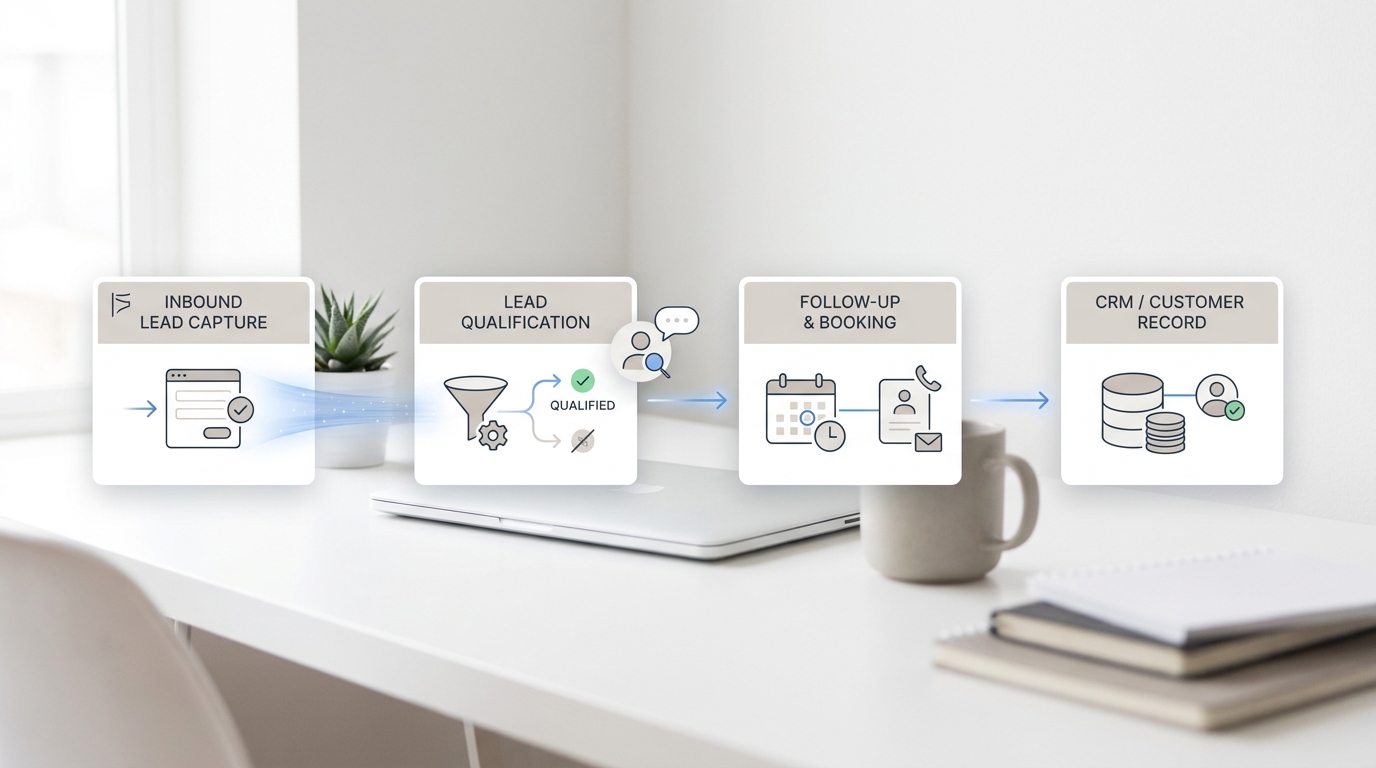
Solvea’s med-spa AI receptionist guide describes the core workflow: answer common questions, capture lead details, book eligible consultations, and escalate conversations that require staff judgment. Its guide to nights, weekends, and overflow calls shows why coverage quality matters beyond ordinary business hours.
The ROI Formula for an AI Receptionist for Med Spa Teams
Start with monthly consultation demand. Do not include every existing-patient service call; isolate calls that can create or protect revenue.
Step 1: Estimate recovered consultations
Use this formula:
Recovered consultations =
monthly consultation-intent calls
× missed or materially delayed call rate
× recoverable share
× consultation booking rate
Define each input carefully:
| Input | What to measure |
|---|---|
| Monthly consultation-intent calls | New-patient calls and existing-patient calls about a new service |
| Missed or delayed rate | Calls that ring out, hit voicemail, or wait beyond your acceptable response window |
| Recoverable share | The portion likely to stay in play if answered immediately |
| Booking rate | The portion of recovered callers who choose an available consultation slot |
Step 2: Estimate realized revenue
A booked consultation is not the same as collected revenue. Continue the model:
Recovered monthly revenue =
recovered consultations
× consultation show rate
× consultation close rate
× average realized revenue per closed case
Use realized revenue, not menu price. If a treatment is commonly discounted, financed, bundled, or completed over multiple visits, use the amount your reporting actually recognizes.
Step 3: Add operational value
Then estimate time shifted away from repetitive work:
Monthly labor value =
routine calls handled
× average minutes saved per call
÷ 60
× loaded hourly labor cost
Treat this as capacity value unless payroll actually changes. The result may appear as faster in-person service, more outbound follow-up, fewer interruptions, or less overtime rather than direct headcount reduction.
A Conservative Med-Spa ROI Example
The following numbers are illustrative. Replace them with your clinic’s own call logs, calendar data, and treatment economics.
Assume a med spa has:
| Input | Illustrative value |
|---|---|
| Consultation-intent calls per month | 160 |
| Missed or materially delayed | 20% |
| Recoverable with immediate response | 50% |
| Recovered caller to booked consultation | 60% |
| Consultation show rate | 80% |
| Consultation close rate | 35% |
| Average realized revenue per closed case | $700 |
The calculation is:
160 × 20% × 50% × 60% = 9.6 recovered consultations

9.6 × 80% × 35% × $700 = $1,881.60 recovered monthly revenue
Now add operational value. If the AI handles 180 routine interactions per month and saves an average of four staff minutes each:
180 × 4 minutes ÷ 60 = 12 staff hours shifted
At a loaded labor cost of $28 per hour, that represents another $336 in monthly capacity value. The combined modeled value is $2,217.60 before software, telephony, setup, and management costs.
This is not a revenue guarantee. It is a decision model. Its value is that every assumption can be replaced with clinic data and checked after launch.
What to Measure Before Launch
Capture a two- to four-week baseline before changing the workflow.
Call coverage
- total inbound calls
- consultation-intent calls
- missed calls
- calls sent to voicemail
- calls answered after a long wait
- median first-response time for callbacks and messages
Booking performance
- consultations booked from calls
- booking rate by answered, missed, and after-hours source
- days between inquiry and first available consultation
- show rate
- reschedule rate
- cancellation rate
Revenue conversion
- consultation-to-treatment close rate
- realized revenue per closed consultation
- time from first inquiry to deposit or treatment
- revenue by original lead source
Front-desk workload
- routine FAQ volume
- average handling time
- interruptions during patient check-in and checkout
- follow-up tasks created per inquiry
- leads without a named owner or next step
Without this baseline, teams often celebrate more answered calls without proving that those calls produced consultations, attended appointments, or revenue.
The Five Workflows That Most Affect ROI
1. Immediate first response
The first objective is not to conduct a perfect sales conversation. It is to keep the caller engaged, understand the reason for the call, and establish the next step.
2. Consultation eligibility and booking
Define which services can be booked directly, which require a consultation, which provider calendars are eligible, and what information must be collected before confirming a slot. Solvea’s AI appointment booking workflow can support this kind of structured path.
Your AI Receptionist, Live in Minutes.
Scale your front desk with an AI that never sleeps. Solvea handles unlimited multi-channel inquiries, books appointments into your calendar automatically, and ensures zero missed opportunities around the clock.
3. Approved FAQ handling
The agent should answer from clinic-approved information about hours, location, parking, general service categories, consultation format, cancellation policy, and non-clinical preparation instructions. It should not improvise medical advice.
4. Reminder, reschedule, and cancellation handling
ROI can disappear if newly booked consultations become no-shows. Define how reminders are sent, how reschedules are offered, and when a cancellation should trigger a waitlist or staff task.
5. Human escalation
The strongest deployment has a fast exit from automation. Clinical questions, adverse reactions, contraindications, billing disputes, complaints, refund requests, and unusual exceptions should move to trained staff immediately.
Compliance and Trust: Keep the AI in the Right Lane
Medical spas combine hospitality, sales, and healthcare-adjacent communication. That makes guardrails essential.
Your implementation should define:
- what information the AI may collect
- where call recordings, transcripts, and summaries are stored
- which vendors may handle protected or sensitive information
- when consent or disclosure is required
- what the agent must never answer
- how urgent clinical concerns reach a human
- how access, retention, and deletion are managed
If a workflow involves protected health information, review vendor responsibilities, contracts, and safeguards with qualified compliance counsel. The U.S. Department of Health and Human Services provides guidance on business associate relationships and HIPAA responsibilities. Software features alone do not make a workflow compliant; configuration and operating practices matter.
A 30-Day Measurement Plan
Use the first month to compare results against the baseline.
| Week | Focus | What to inspect |
|---|---|---|
| 1 | Routing accuracy | Correct intent capture, transfers, booking rules, and escalation behavior |
| 2 | Booking quality | Eligible bookings, duplicate bookings, calendar accuracy, and lead ownership |
| 3 | Conversion | Booked consultations, show rate, close rate, and realized revenue |
| 4 | Optimization | FAQ gaps, failed intents, staff overrides, and after-hours performance |
Track three levels of success:
- Coverage: Was the call answered or captured?
- Outcome: Was a qualified next step completed?
- Revenue: Did the booked consultation show and convert?
That prevents answer rate from becoming a vanity metric.
When the ROI Case Is Strongest
The strongest fit is a med spa that:
- depends on booked consultations to create treatment revenue
- receives meaningful call volume during busy or unstaffed periods
- loses some leads to voicemail, delays, or unclear callback ownership
- spends substantial staff time on repeat booking and FAQ work
- can connect call outcomes to calendar and revenue reporting
- is willing to maintain approved answers and escalation rules
The weakest fit is a clinic with low call volume, near-perfect live coverage, little booking friction, and no process for measuring conversion after the consultation is scheduled.
Final Takeaway
The best AI receptionist ROI story for a med spa is not “we automated the phone.” It is:
- fewer high-intent calls lost
- more consultations booked while intent is fresh
- better after-hours and overflow coverage
- cleaner reminder and reschedule handling
- less front-desk interruption
- clearer ownership of every captured lead
Start with missed-call recovery, consult conversion, and realized revenue. Measure the baseline, apply conservative assumptions, and keep clinical or exception-heavy conversations in the human lane.
To see how the full workflow can connect call answering, qualification, scheduling, and staff handoff, explore Solvea’s med-spa AI receptionist solution.
Frequently Asked Questions
What is the fastest way to estimate AI receptionist ROI for a med spa?
Start with monthly consultation-intent calls. Estimate how many are missed or materially delayed, how many could be recovered with an immediate response, and how many recovered callers would book. Then apply your show rate, close rate, and realized revenue per case.
Should a med spa count labor savings or revenue recovery first?
Model revenue recovery first, then add labor capacity value. Many clinics get more value from protecting consultation demand than from reducing payroll.
How long should a med spa measure results?
Use at least two to four weeks of baseline data and compare the first 30 days after launch. Longer measurement is better when call volume is low or treatment demand is seasonal.
Can an AI receptionist answer treatment questions?
It can provide clinic-approved, non-clinical information. Questions involving suitability, contraindications, adverse reactions, diagnosis, or individualized medical advice should be escalated to qualified staff.
Which metric matters most?
Do not stop at answer rate. Track qualified consultations booked, show rate, close rate, and realized revenue from the recovered call cohort.