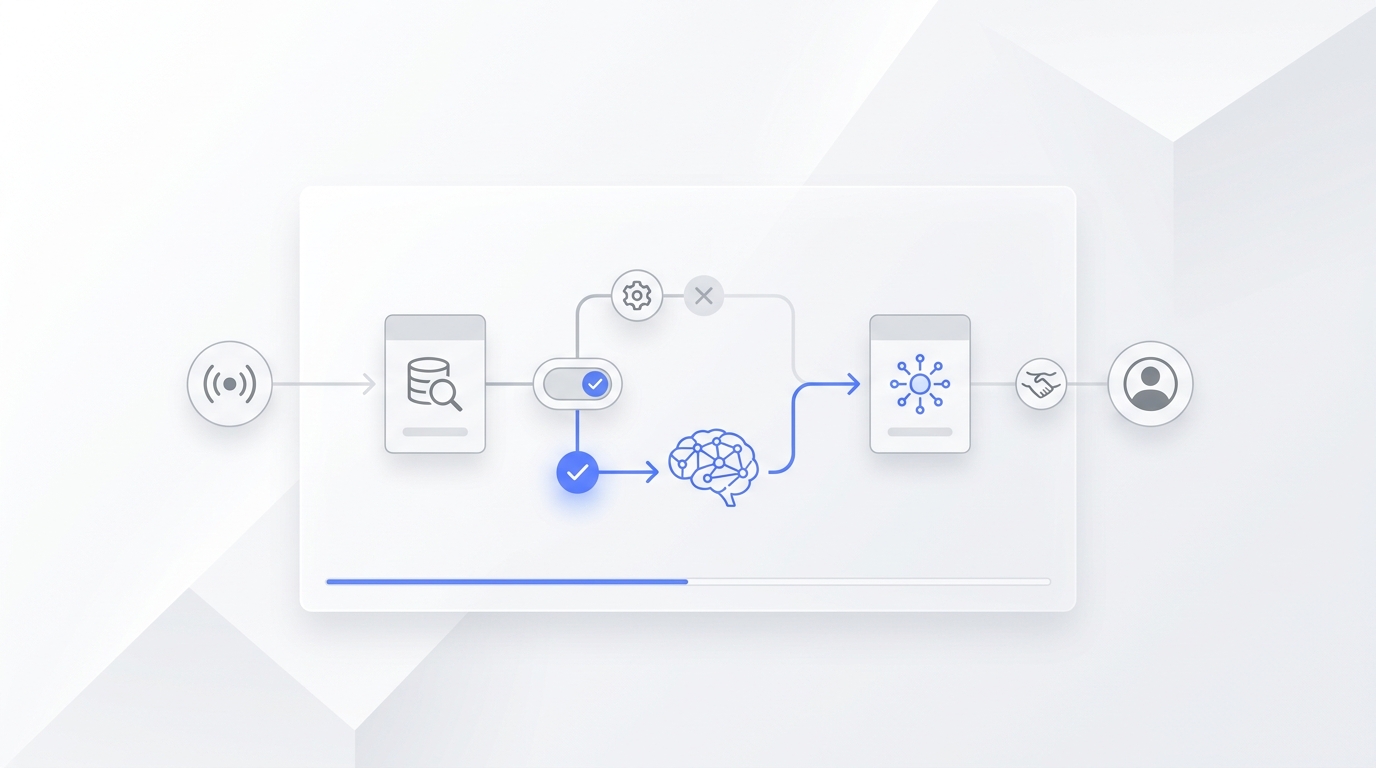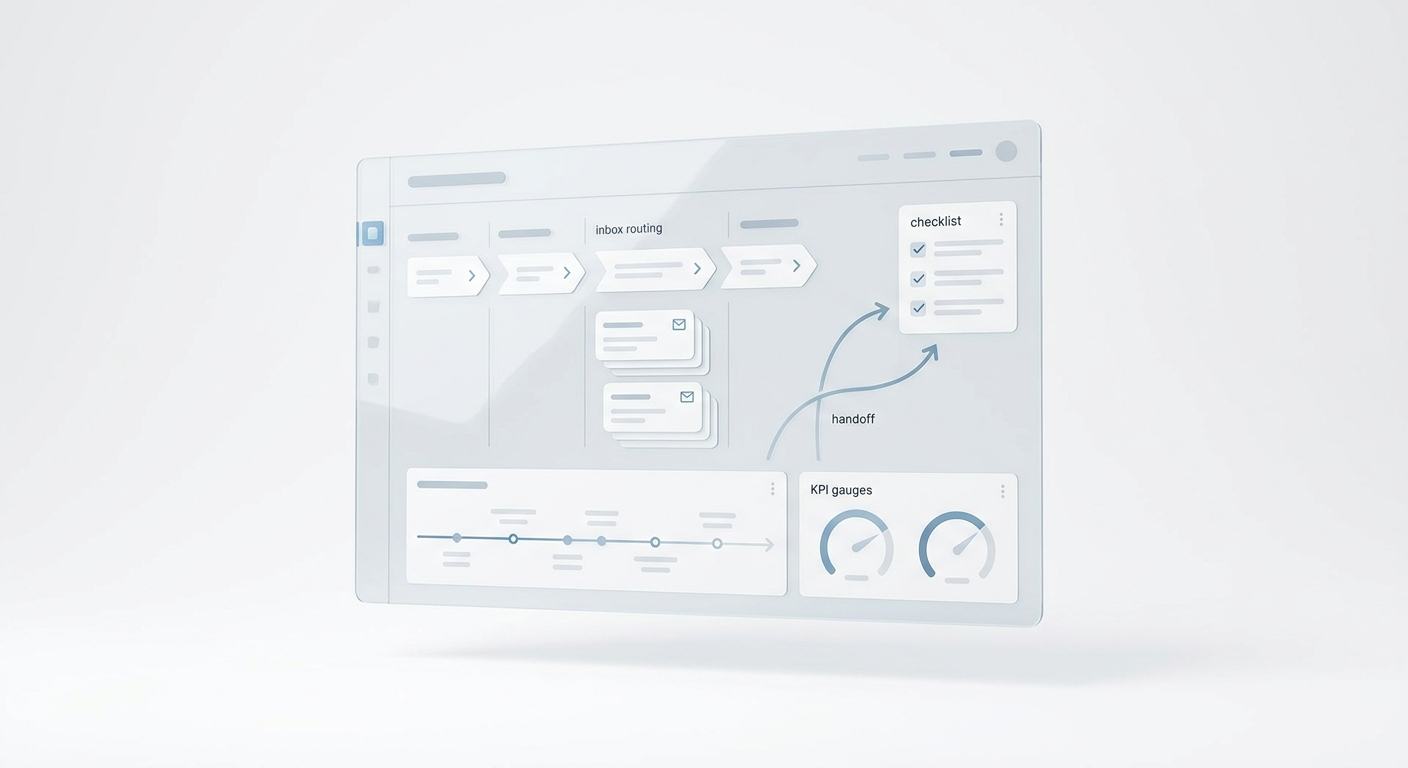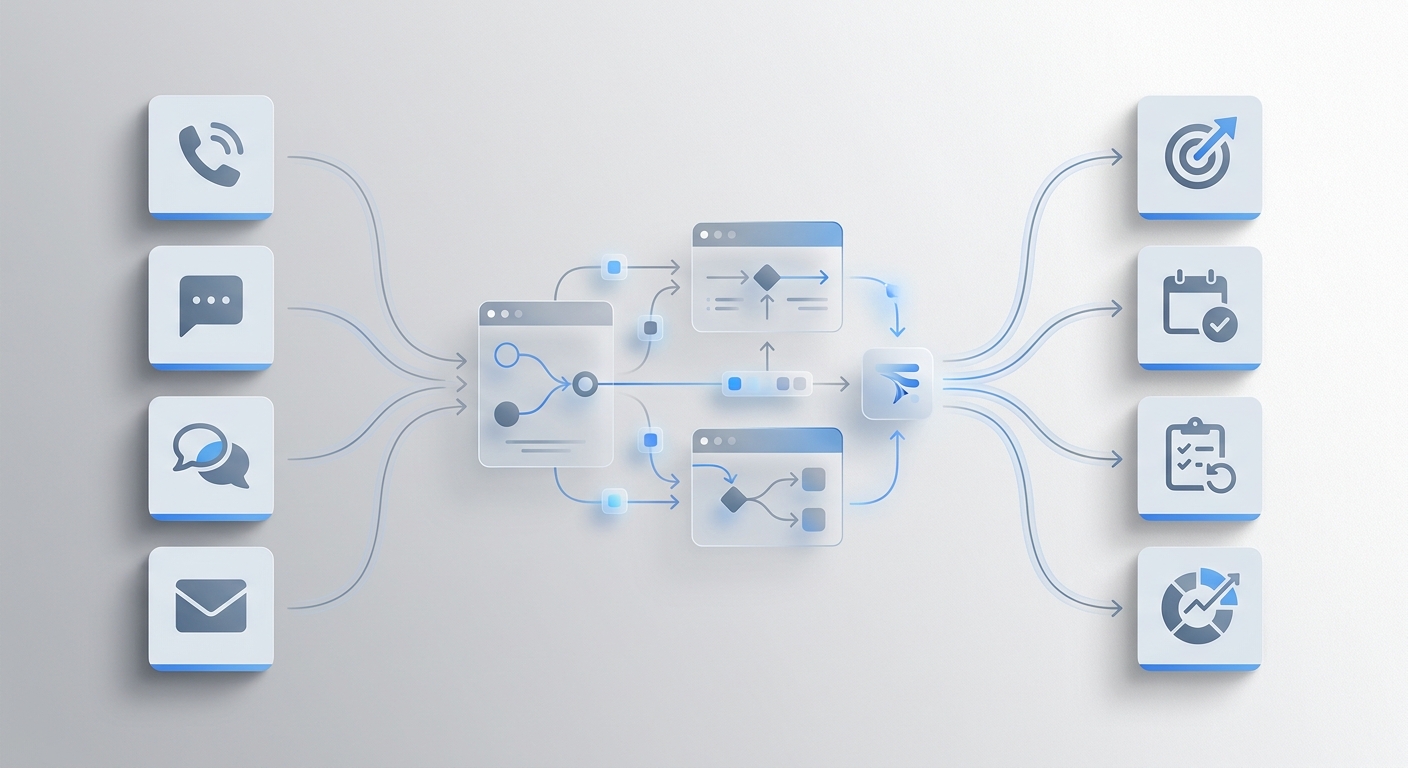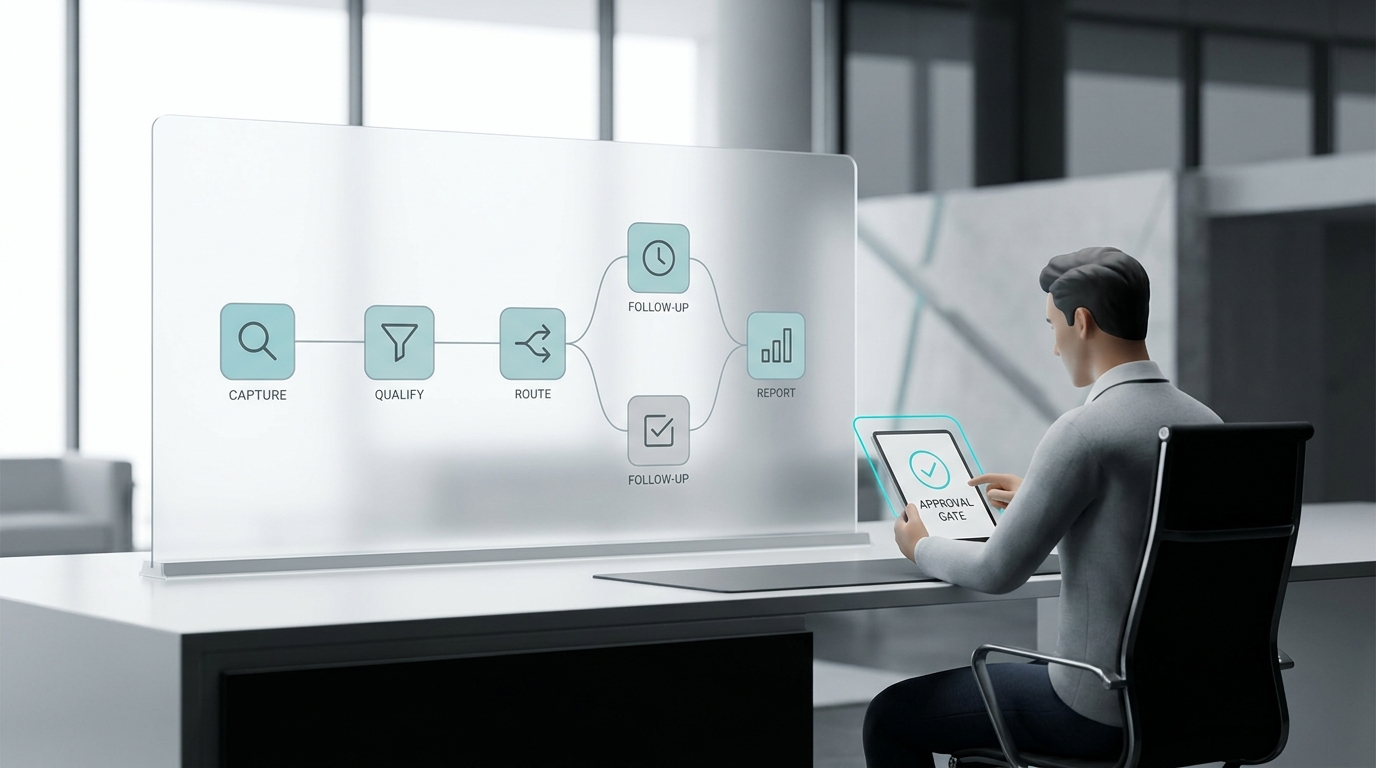
If your business still relies on voicemail when nobody picks up, you are not really solving missed demand. You are delaying it. An ai answering service changes that by answering in the moment, capturing what the caller needs, and setting up a usable next step instead of hoping someone leaves a message worth returning.
That difference matters because most missed calls are not neutral events. They happen when the front desk is busy, the owner is on-site, the team is off the clock, or the customer tries a second channel before anyone follows up. In those moments, voicemail is passive. An ai answering service is active.
This is the better frame for buyers comparing modern call coverage: not "AI versus a phone feature," but ai answering service versus voicemail as an operating system for lead capture, qualification, and follow-up.
Why voicemail breaks down for small teams
Voicemail still has one job: take a message after the business fails to answer. That can be acceptable for low-value calls or low-urgency situations. It becomes expensive when missed calls are tied to bookings, estimates, service requests, or time-sensitive support.
The main problem is not that voicemail records too little audio. The problem is that voicemail starts too late and leaves too much work for the team afterward.
When a caller reaches voicemail, several things usually happen:
- the customer has to decide whether it is worth leaving a message
- the business gets unstructured information instead of qualified intake
- follow-up depends on one person noticing the message and having enough context
- the next step is unclear, so response time stretches
- conversation history lives in one channel instead of across the full customer thread
That is why an ai answering service can outperform voicemail even before you talk about advanced automation. The bar is not "sound futuristic." The bar is "help the business recover intent while the customer is still engaged."
What an AI answering service does better than voicemail
The easiest way to evaluate an ai answering service is to compare the job-to-be-done side by side.
| Workflow | Voicemail | AI answering service |
|---|---|---|
| First response | Waits for the caller to leave a message | Answers immediately when the team cannot |
| Intake quality | Free-form recording with uneven detail | Structured questions and clearer capture of intent |
| Booking momentum | Requires manual callback before any next step | Can collect booking details and tee up follow-up faster |
| Context | Usually trapped in one audio inbox | Can connect summaries, notes, and customer history |
| Cross-channel continuity | Weak when callers switch to text or email | Better when paired with a shared inbox and channel history |
| Team visibility | One person often owns playback and callback | Shared view makes handoff easier |
That table is the real value proposition. A strong ai answering service improves five things voicemail does poorly: speed, structure, consistency, handoff, and continuity.
1. An AI answering service answers in the moment
Voicemail is a fallback after the missed call. An ai answering service is coverage during the missed call.
That sounds obvious, but it changes behavior. A caller who hears a useful response is more likely to stay engaged than a caller asked to leave a message and wait. For small businesses, that means fewer dead-end interactions during lunch breaks, on weekends, after hours, and during busy periods when staff cannot reach the phone.
Solvea's first-party positioning is built around that exact problem: an AI receptionist that answers missed calls and gives the team a summary, transcript, and next step instead of another disconnected message.
2. An AI answering service captures structured intent instead of vague messages
Voicemail gives you whatever the caller chooses to say. Sometimes that is enough. Often it is not.
An ai answering service can ask the next useful question:
- Is this a new lead or an existing customer?
- What service does the caller need?
- When does the caller want help?
- Is this urgent?
- What is the best callback channel?
That structure matters because callback quality depends on what you know before a human steps in. A team that starts with qualified intake can prioritize better than a team that starts with a 23-second voicemail saying, "Call me back when you can."
3. An AI answering service helps move toward a next step
Voicemail creates a message queue. A well-configured ai answering service helps create a workflow.
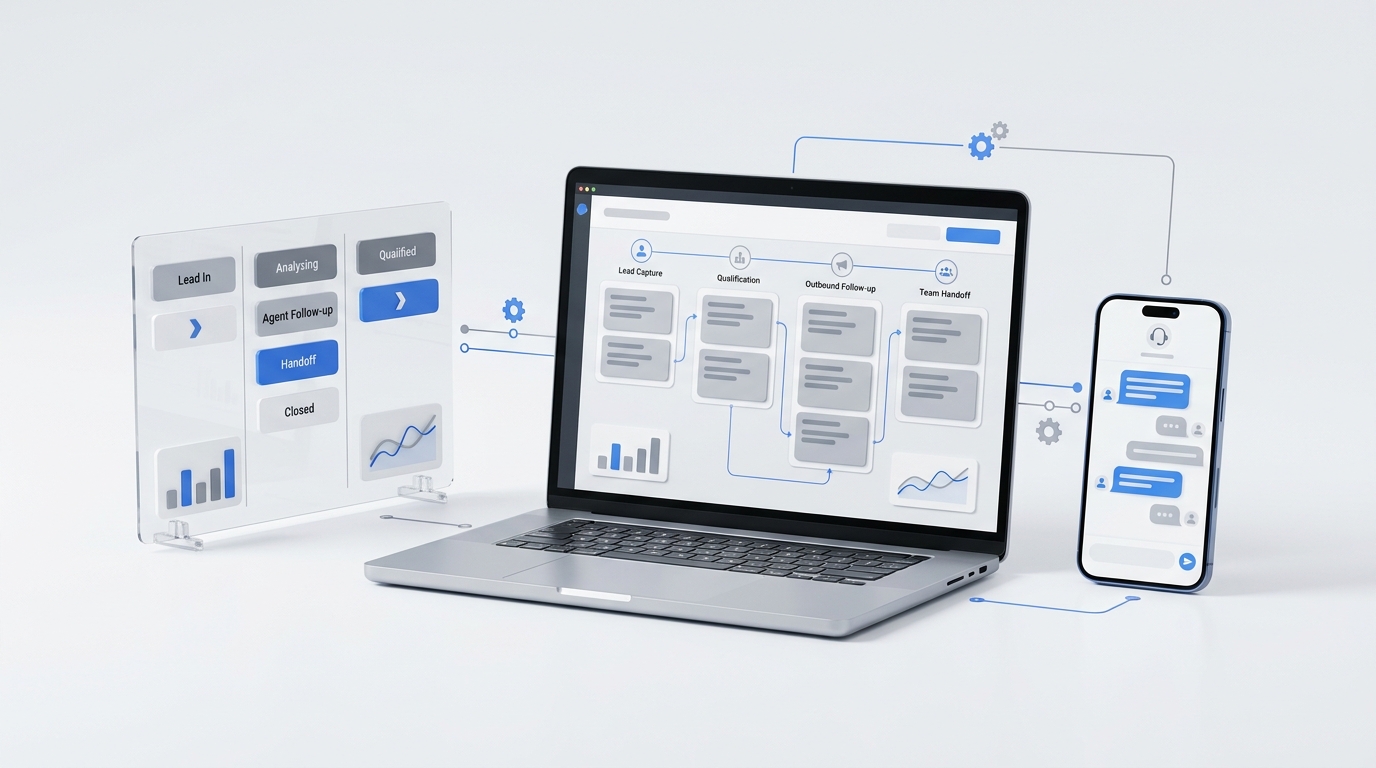
For appointment-driven businesses, the important difference is not just answering. It is whether the system can keep booking momentum alive by collecting timing preferences, service type, or other intake details so the handoff is ready when staff returns.
That is also where the comparison with a plain answering machine becomes unfair. An ai answering service is not only documenting a missed interaction. It is preserving enough intent that the next action is easier, faster, and more consistent.
4. An AI answering service can keep context beyond the phone call
Voicemail is usually a single-channel artifact. The message sits in one inbox and the rest of the customer journey happens somewhere else.
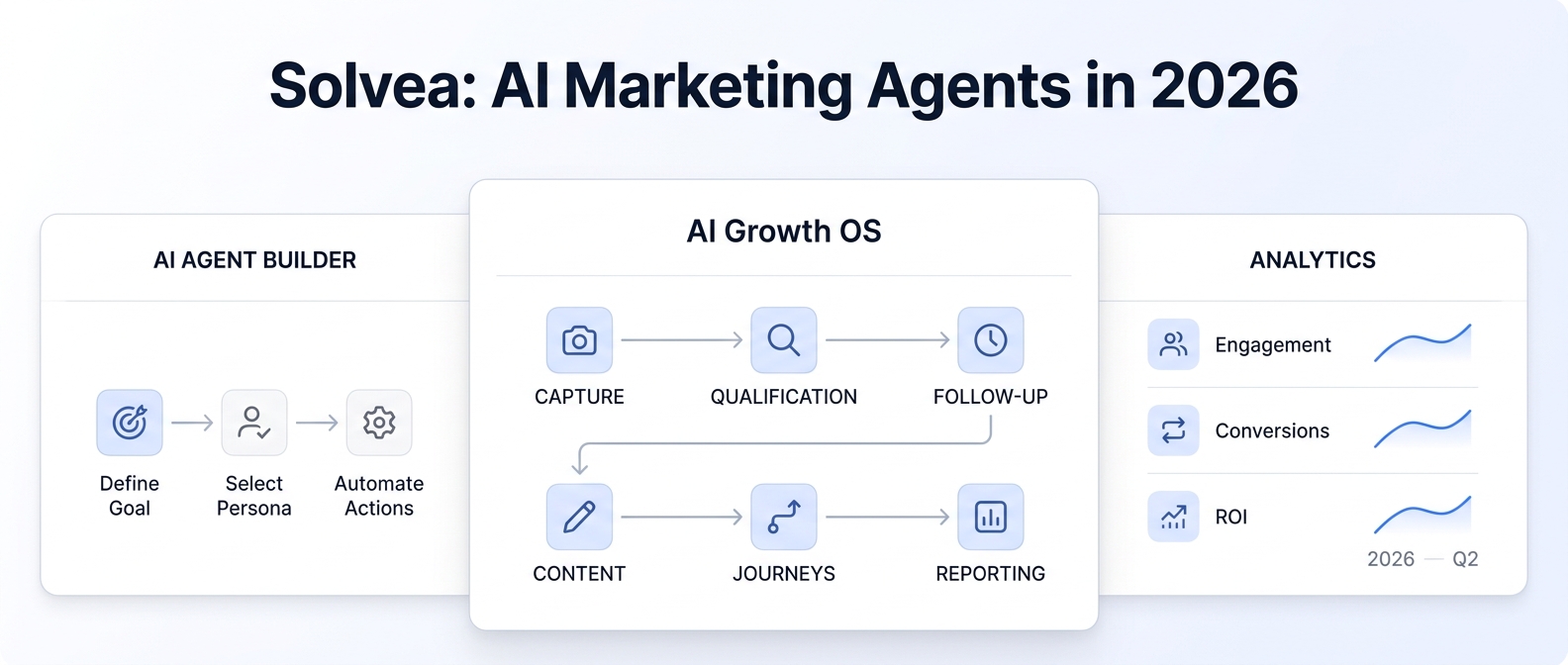
A stronger ai answering service works better when it connects to a broader communication workflow. Solvea's first-party product set matters here because it combines AI call answering with an omnichannel inbox covering voice, SMS, email, chat, WhatsApp, and LINE, plus customer history, owners, statuses, and follow-up context in one place.
That directly addresses a common voicemail failure: the caller leaves a message, then sends a text or email, and the business still has to reconstruct the story manually.
5. An AI answering service gives the team something usable
Most teams do not need more recordings. They need cleaner follow-up.
An ai answering service is better than voicemail when the handoff includes:
- a short summary of what happened
- customer details that are already captured
- the likely next action
- conversation history visible to whoever follows up
This is one of Solvea's clearer product advantages over voicemail-only workflows. The platform is designed around shared team visibility on mobile and PC, not just message storage on one device.
Where voicemail still falls short even with transcription
Voicemail transcription is useful, but it does not fix the core operating issue. It converts a missed interaction into text after the fact. It does not answer live, qualify the caller, or keep momentum moving while the customer is still available.
That is why businesses evaluating an ai answering service should be careful not to confuse "better voicemail processing" with "better customer capture." Those are different upgrades.
If your current setup only adds voicemail transcription, you may save a few minutes of listening time. If you switch to an ai answering service, you can improve the entire first-response workflow.
When an AI answering service is more valuable than voicemail
The value gap gets wider when at least one of these conditions is true:
- missed calls are tied to bookings or revenue
- the owner or team is frequently away from the desk
- after-hours demand matters
- multiple teammates need shared visibility
- customers often switch between phone, text, email, or chat
- the business gets repetitive questions that can be answered consistently
These are exactly the conditions Solvea positions around for small teams: missed-call recovery, shared follow-up, no-code AI setup, multi-channel customer history, and integrations with calendars, CRMs, and daily tools.
First-party proof points also support the workflow angle. Solvea's knowledge base includes customer examples such as a medspa deployment reporting a 100% call answer rate and a 30% increase in patient bookings, plus testimonials focused on recovered clients, lower phone-coverage cost, and better continuity when a teammate is out.
Those examples should not be treated as universal guarantees. They do show why the category is larger than voicemail replacement. The upside comes from capture and continuity, not only from message taking.
When voicemail may still be enough
Not every business needs a full ai answering service immediately.
Voicemail may still be acceptable if:
- call volume is very low
- most missed calls are low-value
- response time does not affect conversion
- one person can reliably handle every callback
- cross-channel continuity is not a real problem
But if the business is already asking questions like "How many leads are we losing after hours?" or "Why do customers repeat themselves every time someone else follows up?" then voicemail is usually too weak a system for the job.
How to evaluate an AI answering service without buying hype
The cleanest buying test is operational:
- Count how many calls currently hit voicemail or go unanswered.
- Identify which of those calls are tied to bookings, estimates, or support urgency.
- Check whether the team gets enough detail to prioritize correctly.
- Look at how often customers switch channels before anyone responds.
- Ask whether the next teammate can continue the conversation without guessing.
If those answers expose delay, missing context, or messy handoff, an ai answering service is likely solving a real problem voicemail cannot.
Why Solvea fits the voicemail-replacement use case
For this search intent, the strongest first-party case for Solvea is practical rather than flashy:
- AI answers missed customer calls instead of sending every overflow interaction to voicemail
- customer conversations can stay visible in one shared inbox
- voice, SMS, email, chat, WhatsApp, and LINE can live in the same workflow
- teams can use summaries, transcripts, statuses, and owners for follow-up
- calendars, CRMs, and support tools can connect through integrations
- businesses can tune how AI answers with a no-code agent builder and knowledge base
That is a broader operational upgrade than voicemail can provide. The business is not only collecting messages. It is building a repeatable system for response coverage and follow-up quality.
Final takeaway
Voicemail is still a storage tool. An ai answering service is a response workflow.
That is the real reason an ai answering service does better than voicemail. It answers sooner, captures better information, preserves booking intent, supports shared follow-up, and works more naturally with the way modern small businesses communicate across channels.
If voicemail is currently where your missed leads go to wait, the better question is not whether you need better voicemail. It is whether you need a better first-response system. Stop sending leads to voicemail with Solvea.
Your AI Receptionist, Live in Minutes.
Scale your front desk with an AI that never sleeps. Solvea handles unlimited multi-channel inquiries, books appointments into your calendar automatically, and ensures zero missed opportunities around the clock.
FAQ
What is the main difference between an AI answering service and voicemail?
Voicemail records a message after the business misses the call. An ai answering service answers during the missed-call moment, captures intent more clearly, and helps the team follow up with better context.
Is an AI answering service only useful for after-hours calls?
No. After-hours coverage is one use case, but an ai answering service also helps during busy periods, lunch breaks, field work, and any time staff cannot answer consistently.
Can an AI answering service replace voicemail transcription?
In many workflows, yes. Voicemail transcription only converts audio into text after the call. An ai answering service improves the earlier parts of the workflow too: answer speed, intake quality, and next-step capture.
What should small businesses look for in an AI answering service?
Look for immediate coverage, structured intake, easy human handoff, shared team visibility, and continuity across channels. Those factors matter more than generic AI claims.