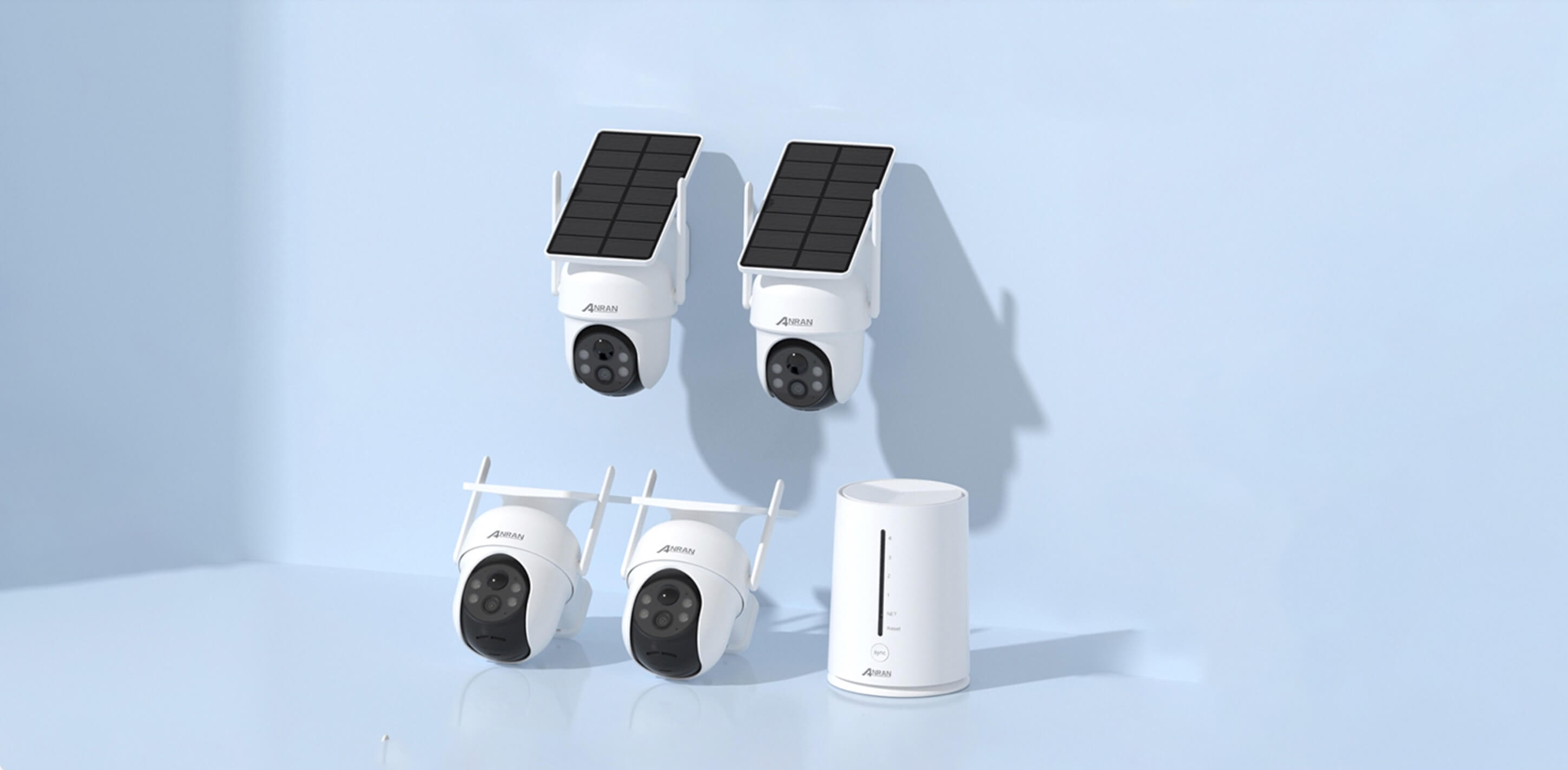













Background: embracing AI to improve operational efficiency and customer experience
Tanlink's service philosophy rests on “product as a service” and “end-to-end accountability”, and it treats customer experience as a core driver of brand competitiveness. Facing average annual growth of 100% and service challenges across many international markets, Tanlink embraced AI early, adopting a “human agents + AI Customer Service Agents” model to improve operational efficiency and customer experience. Working closely with AI Customer Service Agent provider Solvea, it has built AI into how the organization works and developed differentiated service capabilities amid shifting international policies and intense competition.
Results: higher organizational productivity and service capability that keeps evolving
Tanlink's two brands receive hundreds of customer tickets a day. AI Customer Service Agents cover them 24/7, including holidays, night shifts and other time zones, reducing the operating costs that regional and time differences created under a traditional outsourcing model.
Intelligent routing and a clear division of labor create a layered service model that combines “fast response + in-depth service”. A large share of standardized inquiries now get automatic AI replies, and reply accuracy holds steady above 82% for both brands. Under an outcome-based pricing model, faster responses, a better service experience and consistently stable results all lift consumer satisfaction.
AI efficiently handles high-frequency standardized scenarios such as product usage guidance and purchase inquiries, freeing staff to focus on complex complaints and customer insight, and moving the customer service team from routine execution to value creation. As “AI trainers”, human agents deepen the knowledge system and turn service experience into digital assets that keep evolving, steadily improving organizational effectiveness and service capability.
Building a knowledge graph: from fragmented to systematic
Before AI Customer Service Agents officially “started work”, Tanlink faced a typical knowledge management problem: product information was scattered across systems, after-sales relied on individual experience, and knowledge assets could not be shared or passed on effectively. Guided by the principle of “business flow drives knowledge flow”, the Solvea delivery team systematically organized knowledge from scratch and deconstructed customer service workflows in depth to build a company-specific knowledge graph. This knowledge foundation, covering every business scenario, gives AI Customer Service Agents a solid base for intelligent responses and efficient collaboration.
Knowledge base building and AI self-learning work together so AI Customer Service Agents quickly master business knowledge and provide accurate service. Through the knowledge center, product documents, operating manuals, after-sales FAQs and product information can be imported in one click, giving AI Customer Service Agents complete knowledge support. To ensure reply quality, tag fields precisely define the scenarios in which AI may use each piece of knowledge, improving retrieval precision.
In addition, unlike traditional customer service bots that depend heavily on manual maintenance, AI Customer Service Agents have strong self-learning capabilities: they automatically extract key information from human agents' past replies and generate knowledge base entries. This “learn – accumulate – apply” cycle expands the breadth and accuracy of AI problem-solving while greatly reducing the manual work of organizing and summarizing knowledge.
Built around business workflows: dedicated AI Agents for each service scenario
An in-depth analysis of Tanlink's historical service data showed that more than 60% of customer inquiries were concentrated in standardized scenarios such as product usage guidance, troubleshooting and purchase questions. Although mature reply templates and standardized workflows already existed for these scenarios, human agents still spent a great deal of time on repetitive handling, leaving less capacity for higher-value issues. AI was urgently needed to improve service efficiency.
Solvea comes preloaded with AI customer service methods from 50+ established e-commerce brands, covering core service scenarios such as product recommendations, troubleshooting, and refunds and replacement orders. Once this proven experience was adapted to Tanlink's actual business workflows, AI Customer Service Agents could flexibly handle a wide range of consumer complaints and requests. Using a matrix of scenario-specific AI Agents driven by workflows plus large models, AI Customer Service Agents connect precisely to different service scenarios and effectively free up staff.
Selected use cases and results ● Troubleshooting / product usage: AI accurately identifies the product model in each incoming message and routes the issue to the Agent for that scenario. The AI Customer Service Agent provides detailed answers based on the product's knowledge base documents and adjusts replies to each user's specific needs, resolving issues faster and more accurately and significantly raising first-reply resolution for these inquiries. ● Ad ticket closure: ad-related tickets are automatically identified and classified, tagged by AI and closed automatically. Some non-ad tickets that meet auto-close conditions are also handled intelligently; more than 20 ad tickets are currently closed automatically each day. ● Order risk alerts: order cancellations are monitored in real time, and alerts are pushed to the relevant staff and handed to the human team for follow-up, effectively preventing order risks.
Dedicated AI customer service experts: a secure, reliable enterprise solution
Having served 200+ leading global brands, Solvea understands the pain points of enterprise AI adoption. Throughout Tanlink's AI Customer Service Agent rollout, the Solvea expert team addressed the practical challenges of putting AI to work with a complete plan, from rapid deployment and AI trainer training to continuous optimization. Deeply customized AI model training and scenario applications helped Tanlink complete its intelligent service upgrade.
Solvea takes data security and compliance seriously, applying protections such as tenant data isolation, least-privilege access and encryption in transit throughout its service, helping companies pursue AI transformation on a compliant foundation.