A customer calls to ask whether an appointment is still available tomorrow morning. The AI receptionist answers, pauses for the customer's reply, confirms the time, and explains the next step in a calm voice.
That voice is powered by TTS, short for text to speech. The natural feeling comes from more than the voice model alone: the AI has to understand the request, choose the right words, speak them clearly, and know when to hand the call to a person.
What TTS Means
TTS means text to speech. It is the technology that converts written text into spoken audio.
In AI, software, accessibility, and customer service contexts, TTS usually has this meaning. People may search for "tts meaning in text" or "tts text meaning" because the acronym appears in different online communities, but for AI receptionist calls the relevant meaning is text to speech.
TTS is not the whole AI receptionist. It does not decide whether an appointment is available, understand a caller's intent, or route a complex issue. It is the voice layer. The surrounding AI system decides what should be said, then TTS makes that answer audible.
How an AI Front Desk Turns Text Into Voice
A phone conversation with an AI receptionist has several steps before the caller hears a natural reply.
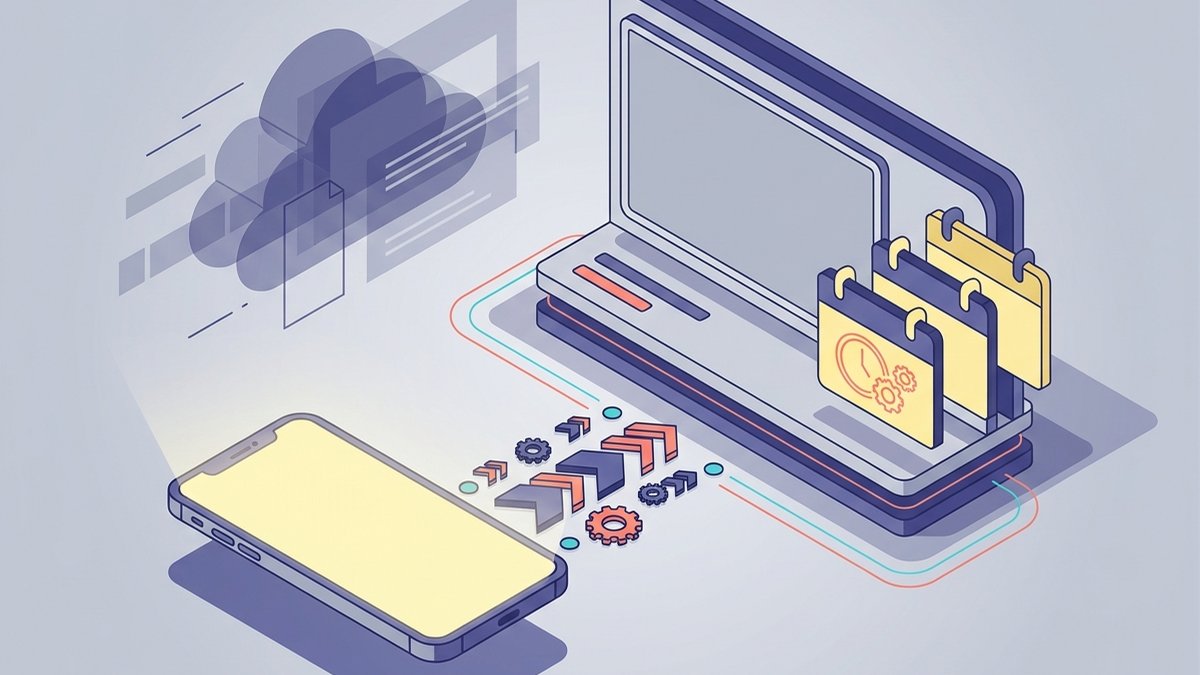
First, the system listens to the caller and converts speech into text. Then it interprets the request, checks business knowledge or connected tools, and prepares a response. Finally, TTS turns that response into spoken audio.
The workflow looks like this:
AI front desk voice workflow:
- The customer speaks
- The AI identifies the request
- The system checks the right business context
- The response is written in a phone-friendly way
- TTS turns the response into audio
- The caller replies or confirms
- The AI resolves the request or routes it to a human
This is why voice quality alone is not enough. A beautiful synthetic voice still creates a bad call if it reads the wrong answer. A useful AI receptionist needs accurate context, concise wording, clear speech, and a good handoff path.
For Solvea, this connection is practical. Solvea handles customer inquiries across phone, email, and live chat, uses business knowledge, and can route unresolved cases to human agents. TTS matters because phone conversations need spoken answers, but the value comes from the full front desk workflow.
Why Modern TTS Sounds Natural
Older text to speech systems often sounded robotic because they stitched together small audio units or used models that struggled with natural rhythm. Modern systems use neural speech synthesis, which can produce smoother voices and more realistic timing.
Research such as Tacotron and WaveNet helped move speech synthesis toward more natural audio by modeling how text becomes acoustic patterns and speech waveforms.
Natural TTS depends on several details:
- Clear pronunciation
- Natural pacing
- Pauses in the right places
- Emphasis on important words
- Stable tone
- Low delay between turns
The last point is easy to overlook. A voice can sound realistic in a sample clip but still feel awkward during a live call if the response arrives too slowly. For an AI front desk, speed and turn-taking matter as much as voice warmth.
Why AI Receptionists Sound Like Real People
An AI receptionist sounds human when the voice and the conversation design support each other.
The voice layer handles pronunciation, rhythm, and tone. The conversation layer decides whether the answer is short enough, whether the caller needs a choice, whether the AI should ask a follow-up question, and whether the issue belongs with a human.
For example, this answer is clear over the phone:
Yes, we have two openings tomorrow morning. I can book 9:30 a.m. or 11:00 a.m. Which one works better?
This answer is technically complete but less useful:
Tomorrow morning availability includes two currently open time slots in the scheduling system, specifically one at 9:30 a.m. and one at 11:00 a.m., and you may select one of those if desired.
Both can be spoken by TTS. Only one sounds like a helpful front desk response.
That is the real reason modern AI receptionists can feel more natural. The technology is not only producing a better voice. It is also producing shorter, more conversational responses that fit the moment.
The Role of Prosody
Prosody is the rhythm and music of speech. It includes pauses, stress, pitch, speed, and intonation.
Prosody matters because callers do not only hear words. They hear timing. A short pause before a choice can make the interaction feel more natural. A slower pace while reading a phone number can prevent mistakes. A calm tone during handoff can make the caller feel guided instead of abandoned.
In AI front desk calls, prosody is especially important for:
- Greeting a caller
- Saying a business name
- Reading dates and times
- Confirming a phone number
- Offering two options
- Explaining a transfer
- Ending the call politely
Good prosody does not mean the AI should sound theatrical. It should sound clear, calm, and appropriate for the business.
How SSML Helps Control Speech
SSML stands for Speech Synthesis Markup Language. It is a W3C standard for guiding speech output, including pronunciation, pauses, emphasis, and other speech details.
In a front desk setting, SSML can help with practical call moments:
- Pausing before asking for confirmation
- Pronouncing unusual names
- Reading phone numbers clearly
- Speaking dates in a natural way
- Emphasizing an instruction
A simple voice direction might be represented like this in a blog-friendly way:
Voice direction:
Say the appointment time slowly. Pause before asking the caller to confirm.
The larger point is that TTS is not only "press play on generated text." Developers and teams can guide how speech should sound in moments where clarity matters.
How to Test a TTS Voice
A TTS test should measure whether the voice works in real conversations, not whether it sounds impressive in a short demo.
For an AI receptionist, the test set should include common front desk moments:
TTS test checklist:
- Say the business name
- Greet a first-time caller
- Read appointment times
- Confirm a phone number
- Explain two options
- Ask a follow-up question
- Transfer to a human
- End the call politely
The team should listen for pronunciation, speed, latency, clarity, and whether the spoken response is short enough for a phone call.
Testing is especially important for business-specific words. Product names, staff names, local place names, service names, and abbreviations can sound wrong if the voice is not reviewed in context.
Why Human Handoff Still Matters
Human-sounding TTS should not make an AI receptionist pretend it can handle everything. The more natural the voice becomes, the more important it is to set boundaries.
If the caller has a sensitive issue, an unusual request, or a problem that requires judgment, the AI should collect the right context and move the case to a person. The handoff note should be short and useful:
Handoff note:
The caller wants to reschedule tomorrow's 9:30 a.m. appointment because of a conflict. They asked for any time after 2 p.m. The AI could not confirm availability. Please call back with options.
This is where a product workflow matters more than a voice sample. Solvea can connect AI-handled conversations with human takeover and inbox review, so staff can continue the conversation with context instead of asking the caller to start again.
Voice Trust
Realistic TTS creates a trust question. If a synthetic voice sounds human, customers should not be misled about what kind of system they are interacting with.
The FCC's 2024 ruling on AI-generated robocalls confirmed that TCPA restrictions on artificial or prerecorded voice apply to AI-generated voices in robocalls. Inbound AI receptionist calls and outbound robocalls are different contexts, but the ruling shows why synthetic voice use needs careful governance.
NIST's AI Risk Management Framework is also relevant because it encourages organizations to govern, map, measure, and manage AI risks. For TTS in front desk calls, that means thinking about disclosure, escalation, data handling, and failure cases.
Responsible TTS use should include:
- Clear caller expectations
- Human handoff when needed
- Careful handling of personal details
- Review of sensitive conversations
- Voice policies for outbound calls
- Avoidance of deceptive impersonation
A natural AI receptionist voice should make service easier. It should not trick customers.
Your AI Receptionist, Live in Minutes.
Scale your front desk with an AI that never sleeps. Solvea handles unlimited multi-channel inquiries, books appointments into your calendar automatically, and ensures zero missed opportunities around the clock.
FAQ
What does TTS mean?
TTS means text to speech. It is technology that converts written text into spoken audio.
What is TTS meaning in text?
In AI, software, accessibility, and customer service contexts, TTS meaning in text usually refers to text to speech. For AI receptionists, it means the voice technology that lets written responses become spoken answers.
Why do AI receptionists sound human?
AI receptionists sound human because modern TTS can produce natural pronunciation, pacing, pauses, and tone. The conversation design also matters because the spoken answer must be short, accurate, and useful.
What is SSML?
SSML is Speech Synthesis Markup Language, a W3C standard for guiding speech output. It can help control pauses, pronunciation, emphasis, and other voice details.
How should a TTS voice be tested?
A TTS voice should be tested with real call moments such as greetings, appointment times, names, phone numbers, options, handoff, and polite endings. Teams should check clarity, latency, pronunciation, and pacing.
Is TTS the same as AI voice?
TTS is one part of AI voice. TTS turns text into speech, while an AI voice experience may also include speech recognition, conversation logic, business knowledge, routing, and analytics.
Why does voice trust matter?
Voice trust matters because realistic synthetic voices can confuse people if used carelessly. Businesses should set expectations, provide human handoff, protect customer data, and avoid deceptive voice use.