Call handling is the complete process of managing an inbound phone call — from the moment it enters your phone system to the moment it's resolved. That includes how the call is answered, how it's routed to the right person or resource, how the conversation is conducted, and what happens after the caller hangs up.
It's a broader concept than call forwarding (which only redirects calls) or call answering (which only covers the first moment of contact). Call handling describes the full lifecycle, and how well you manage it determines whether customers leave satisfied or go looking for a competitor who picks up.
TL;DR
Details | |
What it is | The end-to-end process of receiving, routing, resolving, and documenting inbound calls |
Key components | Answering, routing, queue management, agent response, escalation, after-call work |
Core metrics | Average Handle Time (AHT), First Call Resolution (FCR), abandonment rate, CSAT |
Who needs it | Any business that receives customer calls — from solo practices to enterprise contact centers |
Common problems | Long hold times, missed calls, inconsistent responses, no escalation path |
Modern solution | AI-powered call handling that answers, routes, and resolves without manual intervention |
What Is Call Handling?
Call handling refers to every decision and action that shapes a caller's experience from the first ring to final resolution. It's a system — not a single feature — and it works differently depending on whether a business runs a one-person operation or a 500-seat contact center.
At its simplest, call handling answers three questions: Who picks up? What do they say? What happens next?
Poor call handling is one of the most common — and most preventable — ways businesses lose customers. Forrester Research has consistently found that brands leading in customer experience significantly outgrow those that lag — and that customers broadly cite having their time respected as the top driver of service satisfaction. A caller who reaches voicemail, waits on indefinite hold, or gets transferred three times before reaching the right person doesn't become a loyal customer — they become a Yelp review.
Call handling is distinct from related concepts in the following ways:
- Call answering — just the act of picking up the phone
- Call forwarding — routing a call to a different number before it's answered
- Call routing — directing a call to the right person or department after it enters your system
- Call handling — all of the above, plus the conversation itself, escalation logic, and post-call documentation
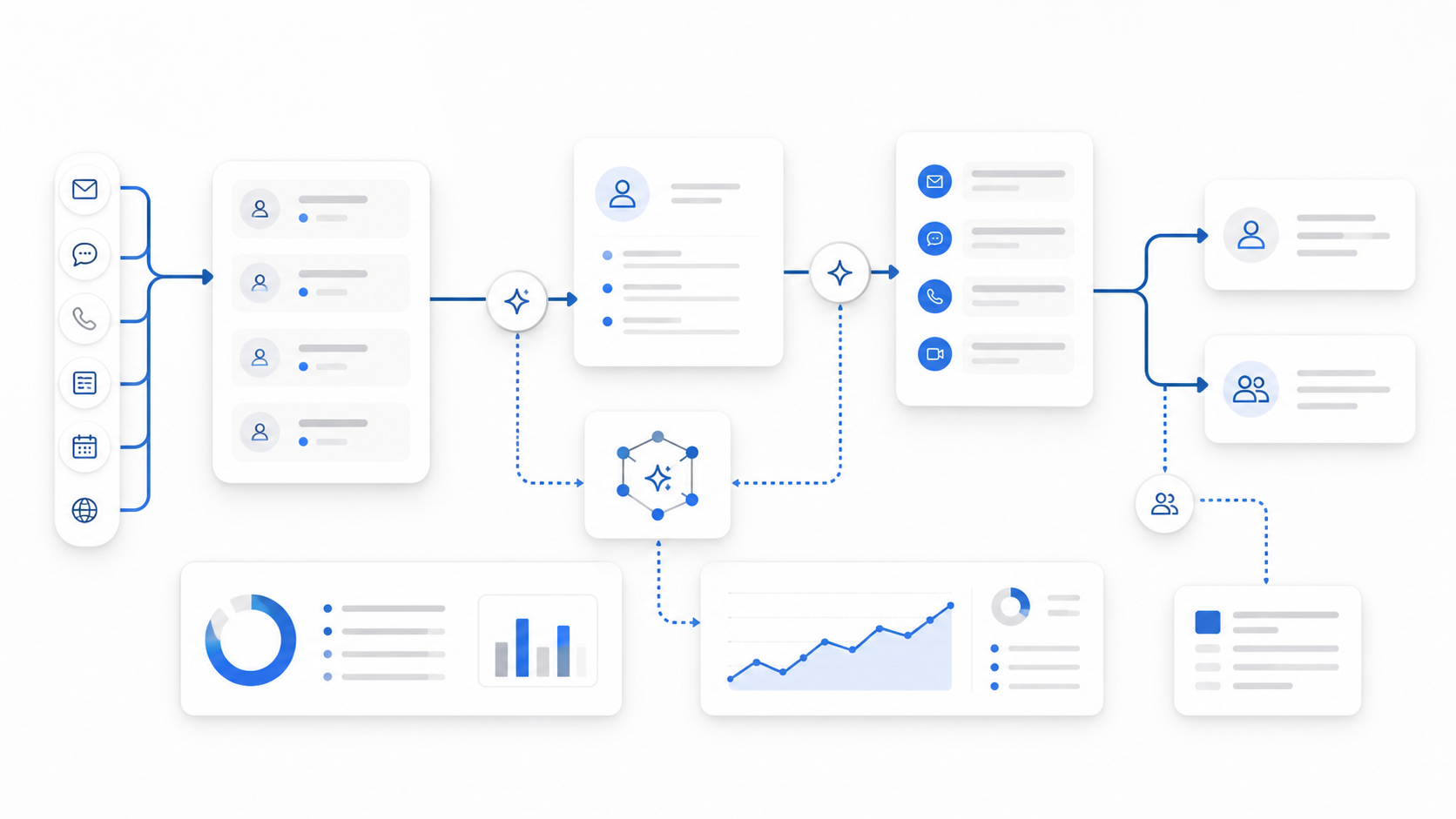
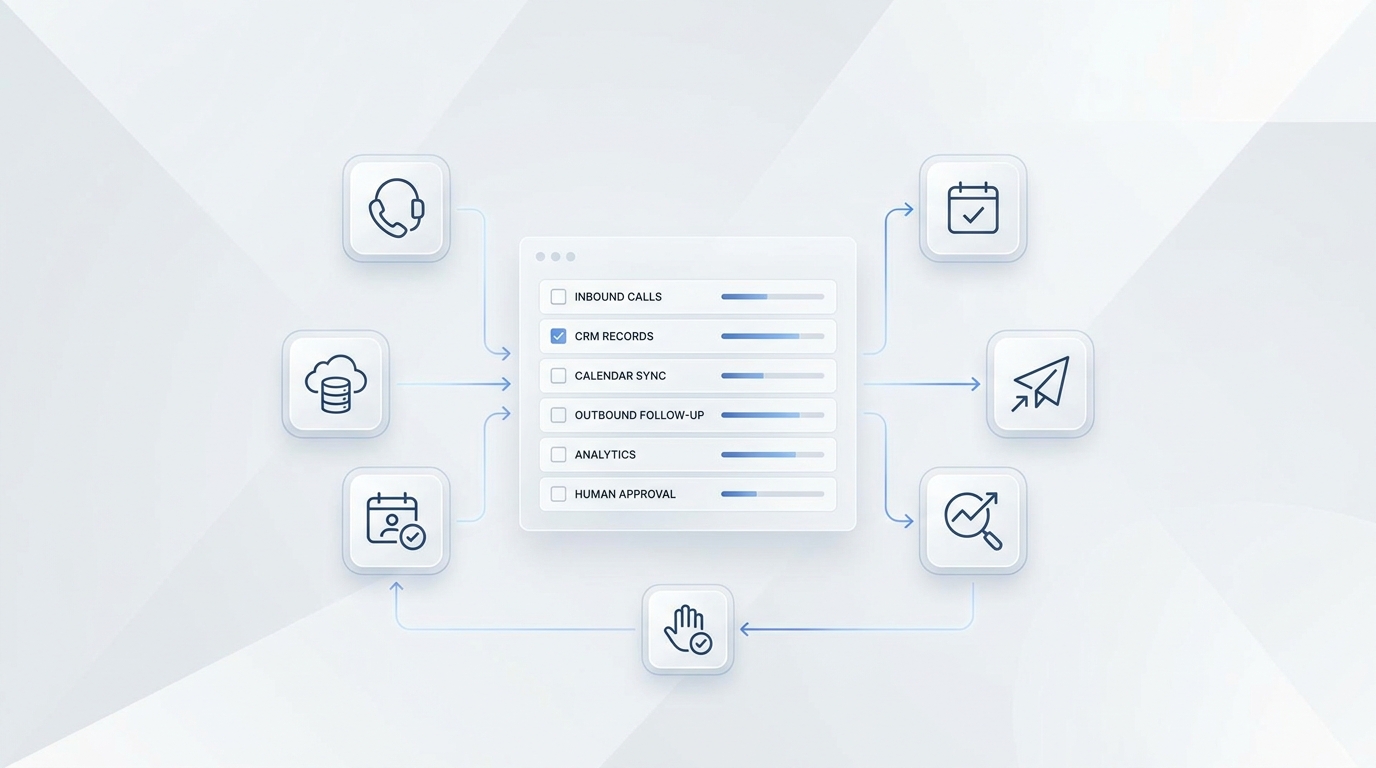
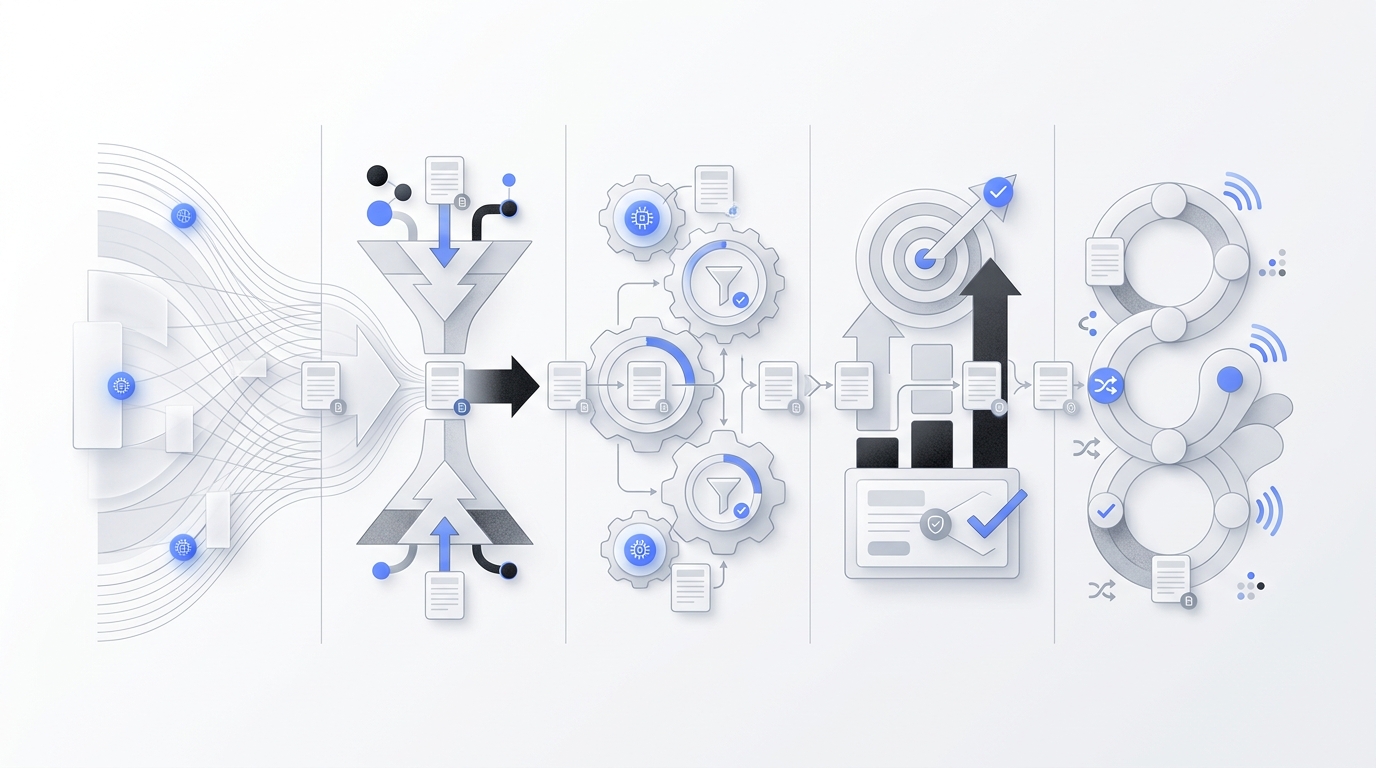
Image placeholder: Diagram showing call handling lifecycle — from inbound ring → routing → agent/AI response → resolution → post-call log
The Call Handling Process: Step by Step
A structured call handling process reduces inconsistency, shortens resolution time, and makes it possible to identify where calls break down. Most call handling workflows follow this sequence:
- Call received — The call enters your phone system (mobile carrier, VoIP platform, or contact center software). Your system immediately checks routing rules: time of day, caller ID, IVR input, or department.
- Initial response — The caller hears either a live answer, an auto-attendant greeting, or an IVR menu. This first moment sets the tone. A greeting that sounds professional and routes quickly builds trust; one that puts callers on hold immediately begins eroding it.
- Routing — Based on the caller's input, queue status, or predefined rules, the call is directed to the appropriate agent, team, or resource. Good routing minimizes transfers; poor routing is the primary source of caller frustration.
- Agent response — A human agent or AI assistant handles the call. This includes greeting the caller, verifying identity if needed, understanding the request, checking relevant records, and working toward resolution. The quality of this step is where most call handling quality variation lives.
- Resolution or escalation — The call ends in one of two outcomes: resolution (the caller's need is met) or escalation (the call is transferred to someone with more authority or expertise). Escalation should follow a defined path — not a "let me find someone" delay.
- After-call work (ACW) — After the caller hangs up, the agent logs the interaction, updates the CRM, and completes any follow-up tasks. This step is invisible to the caller but critical for continuity — it's what ensures the next agent who speaks to that customer has context.
Each step is a potential failure point. A business that answers calls quickly but routes them poorly will have the same abandonment problem as one that doesn't answer at all — it just costs more to create the frustration.
Key Components of a Call Handling System
Different businesses use different combinations of these components, but effective call handling typically involves most of them.
Auto-Attendant and IVR
An auto-attendant is a recorded greeting that answers calls and routes them through a menu ("Press 1 for sales, press 2 for support"). An IVR (Interactive Voice Response) is a more advanced version that can understand spoken responses, verify caller identity, and trigger actions without human involvement.
IVR reduces agent volume by resolving simple requests automatically — account balance checks, appointment confirmations, business hours — before a human ever needs to pick up.
Call Routing
Routing rules determine where each call goes. Rules can be based on:
- Time of day — route after-hours calls to voicemail or an overflow team
- Caller ID — VIP clients reach a dedicated line directly
- IVR input — callers who press "2 for support" reach the support queue
- Agent availability — calls distribute across available agents, preventing one person from being overwhelmed
Skills-based routing, available in most modern contact center platforms, goes further: it matches callers to the agent with the most relevant expertise based on the call context.
Queue Management
When all agents are busy, callers enter a queue. Queue management determines how long they wait, what they hear while waiting, and at what point they're offered a callback or voicemail option. A queue with no management is a queue that loses callers — the average caller abandons after 90 seconds on hold, according to data from Zendesk's CX Trends research.
Agent Script and Knowledge Base
Agents — human or AI — perform better when they have structured guidance. Scripts ensure consistent greetings and escalation language. Knowledge bases give agents instant access to answers without putting callers on hold. The combination of a good script and a well-maintained knowledge base is what separates a 3-minute call from a 12-minute one.
Escalation Path
Escalation happens when the initial agent can't resolve the issue. A defined escalation path specifies who receives escalated calls, what information should be passed along, and how the handoff is communicated to the caller. Without a clear path, escalation becomes a transfer maze — the caller repeats their problem from scratch to each new person they reach.
After-Call Work and CRM Logging
Post-call documentation closes the loop. Every interaction should produce a record: what was discussed, what was resolved, what follow-up is needed. Without it, repeat callers explain their situation from scratch every time, and managers have no visibility into where calls break down.
Image placeholder: Screenshot of a CRM call log entry showing call summary, resolution status, and follow-up task
Call Handling Metrics That Matter
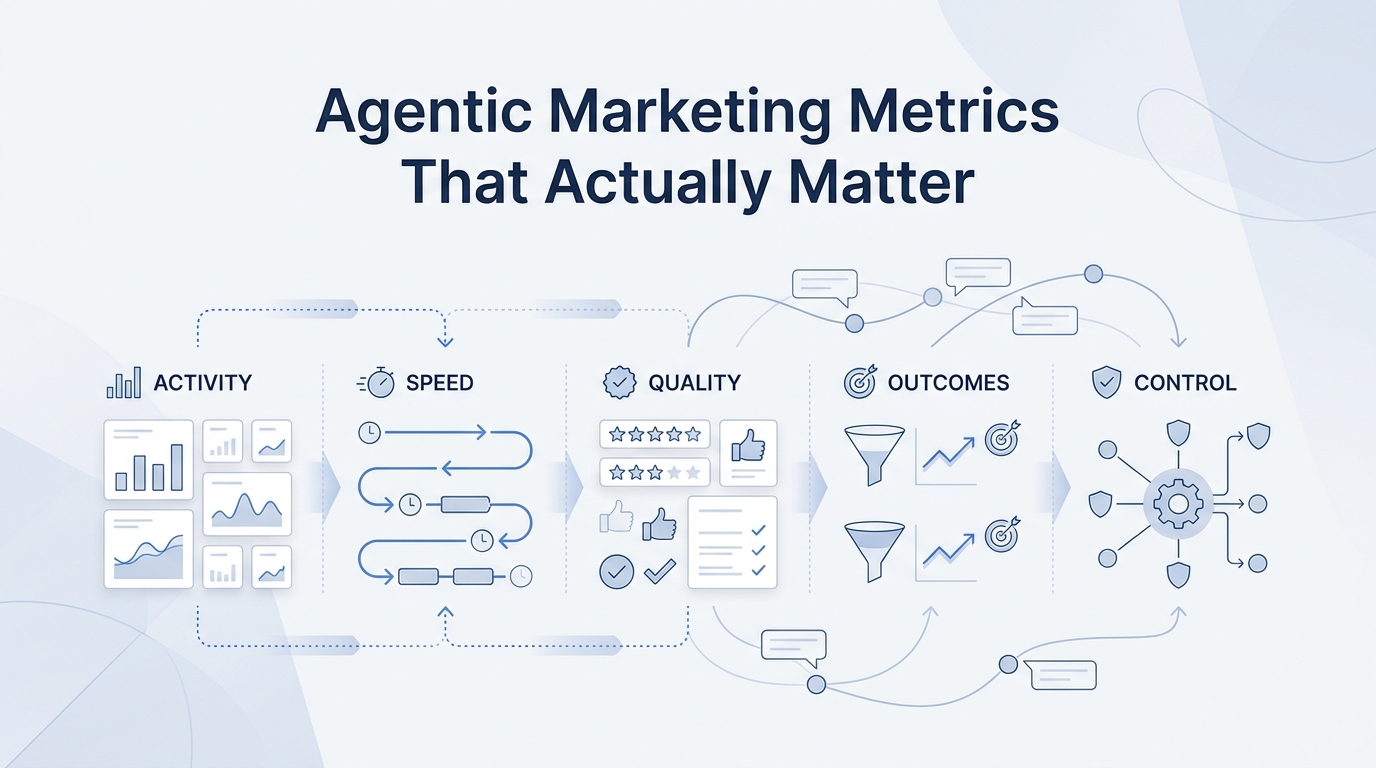
Measuring call handling performance starts with tracking the right numbers. These four metrics cover the most critical dimensions.
Metric | What It Measures | Why It Matters |
Average Handle Time (AHT) | Total time per call (talk + hold + after-call work) | Indicates efficiency; too high = inefficiency, too low = rushing callers |
First Call Resolution (FCR) | % of calls resolved without a callback or transfer | The strongest predictor of customer satisfaction |
Call Abandonment Rate | % of callers who hang up before reaching an agent | Signals queue wait time or routing failure |
Customer Satisfaction (CSAT) | Post-call satisfaction score | Direct measure of call quality from the caller's perspective |
Industry benchmarks vary by sector, but FCR rates above 70% are generally considered strong, and abandonment rates below 5% indicate healthy queue management. The gap between where most small businesses operate and where these benchmarks sit is wide — partly because most SMBs lack the infrastructure to measure these numbers at all.
Call Handling Best Practices for Small Businesses
Enterprise call centers have dedicated operations teams to optimize these systems. Small businesses rarely do. These practices are designed for teams of one to fifty, where simplicity and reliability matter more than complexity.
Set routing rules before you need them. Don't wait until you're overwhelmed to decide what happens to after-hours calls. Define the rules — where do calls go at 7 PM, on holidays, when you're with another customer — and configure them in your VoIP or phone system before the situation arises.
Build and maintain a knowledge base. The most common questions your callers ask are predictable. Document answers to the top 20 and make them accessible to anyone — or anything — handling your calls. A well-maintained FAQ document can cut average handle time significantly by eliminating "let me check on that" hold time.
Define your escalation path explicitly. Know in advance who handles complaints that the first point of contact can't resolve, and how to transfer the call without losing context. "I'll connect you with my manager" only works if the manager has the call history.
Track abandonment, not just answer rate. A phone that gets answered is not the same as a phone that handles calls well. If 20% of callers hang up before reaching anyone, answering rate looks fine but caller experience is broken. Most VoIP platforms surface abandonment data — use it.
Plan for after-hours. Calls that arrive outside business hours represent missed revenue. Voicemail captures some of them; callbacks recover fewer. An after-hours automated handler — whether a simple IVR or an AI-powered agent — captures the ones that would otherwise be gone by morning.
Manual vs. Automated Call Handling
The rise of AI-powered phone systems has made automated call handling accessible to businesses of any size. Here's how the two approaches compare across dimensions that matter for day-to-day operations.
Dimension | Manual (Human Agents) | Automated (AI-Powered) |
Availability | Business hours only | 24/7 |
Simultaneous calls | Limited by headcount | Unlimited |
Consistency | Varies by agent | Consistent every call |
Complex situations | Strong | Escalates to human |
Setup time | Hire, train, schedule | Hours to one day |
Monthly cost | $2,000–$4,000+ per FTE | $0–$30 (AI platform) |
Best for | High-complexity, high-empathy calls | Routine inquiries, scheduling, FAQ resolution |
Who it's for | Teams with existing agent capacity | SMBs, solo practitioners, after-hours coverage |
The most effective setup for most small businesses isn't a choice between the two — it's a combination. AI handles the volume of routine calls (booking, FAQs, hours, directions) so that human agents are available for situations that genuinely need judgment, empathy, or authority.
Putting It Together
Call handling is one of those business functions that's easy to overlook until it breaks. A missed call feels like a small thing — until you realize it was a new client inquiry that went to a competitor. A transfer that loses context feels like a minor inconvenience — until the caller decides it's not worth calling back.
The businesses that handle calls well aren't necessarily bigger or better-resourced than the ones that don't. They've just decided that the call deserves a system, not an improvised response. Routing rules, a maintained knowledge base, a defined escalation path, and some form of after-hours coverage can transform call handling from a pain point into a competitive advantage.
For most small businesses, the fastest path to reliable call handling isn't hiring — it's automating the routine and freeing humans for the calls that actually need them.
Your AI Receptionist, Live in Minutes.
Scale your front desk with an AI that never sleeps. Solvea handles unlimited multi-channel inquiries, books appointments into your calendar automatically, and ensures zero missed opportunities around the clock.
Frequently Asked Questions
What is the difference between call handling and call management?
Call management typically refers to the technical infrastructure — phone systems, VoIP platforms, routing software — used to operate a phone channel. Call handling refers to the process and quality of individual call interactions within that infrastructure. You manage calls at the system level; you handle them at the conversation level.
What is a good average handle time (AHT)?
AHT benchmarks vary significantly by industry and call type. Simple transactional calls (confirming hours, checking an order status) should resolve in under two minutes. Complex support calls often run five to ten minutes. The useful benchmark isn't an absolute number — it's whether AHT is trending down while customer satisfaction holds steady.
What does "first call resolution" mean?
First call resolution (FCR) measures the percentage of calls resolved in a single interaction, without the caller needing to call back or be transferred for the same issue. It's widely considered the single most predictive metric for customer satisfaction. An FCR rate above 70% is generally considered strong across most industries.
What happens during after-call work?
After-call work (ACW) is the time an agent spends after a call ends completing documentation — logging the interaction in the CRM, updating the customer's record, flagging follow-up tasks, or completing a form required by the call type. ACW is included in average handle time calculations and, when excessive, is a strong signal that either the CRM is poorly designed or agents lack the tools to document efficiently.
How do small businesses handle calls without a call center?
Most small businesses handle calls with one of three approaches: direct mobile or desk phone (one person answers everything), call forwarding to a personal number (practical but creates constant interruptions), or a VoIP platform with basic routing and voicemail. The fourth option — AI-powered call handling — is now accessible at SMB price points and handles the volume that human-only systems can't cover consistently.
What is call handling in a BPO context?
In business process outsourcing (BPO), call handling refers to the service a third-party provider performs on a client's behalf — answering calls, following the client's scripts, logging interactions in the client's systems, and escalating according to agreed protocols. BPO call handling is essentially outsourced manual call handling, with the same strengths (human judgment) and limitations (cost, availability, consistency) as in-house teams.
Can AI fully replace human call handling?
For routine, structured call types — appointment booking, FAQ resolution, order status, basic intake — AI now handles the full interaction reliably. For calls requiring negotiation, emotional support, complex problem-solving, or authority to make exceptions, human judgment remains essential. The practical answer for most businesses: AI handles 70–80% of call volume, humans handle the rest.