There is a point in many small businesses where the phone stops being a simple communication tool and starts becoming an operational bottleneck. Knowing when a small business needs an answering service matters because missed calls are rarely just minor annoyances. They usually show up as lost leads, delayed follow-up, stressed staff, and inconsistent customer experience.
This is especially true in local services, healthcare-adjacent businesses, legal practices, trades, and appointment-based operations. In those environments, the first missed call is often not just one missed conversation. It can be a missed booking, a lost estimate request, or a customer who simply moves on to the next option.
TL;DR
A small business usually needs an answering service when inbound calls begin interfering with core work, when new callers frequently hit voicemail, or when after-hours inquiries matter enough that missed coverage creates measurable business risk. The right answering layer can protect both customer experience and staff focus.
The Clearest Operational Signs
The first sign is repeated missed opportunity. If new leads regularly reach voicemail or get delayed callbacks, the business already has a call coverage problem. Many small teams tolerate this longer than they should because they assume it is normal. It is common, but it is still costly.
The second sign is interruption overload. When the same people who generate revenue also have to answer every incoming call, the business pays twice. It loses focus during live work and still risks inconsistent call handling. Over time, this creates hidden costs that are larger than many owners expect.
The third sign is after-hours exposure. If the business receives calls outside working hours that still matter the next day—or sometimes immediately—then relying on plain voicemail is often too weak a response. In those situations, structured coverage becomes much more valuable than passive message collection.
Why Voicemail Often Stops Being Enough
Voicemail sounds like a low-cost solution, but in practice it shifts the burden back onto the business. Someone still has to listen, sort, prioritize, and return the call later. That may be manageable at very low volume, but it breaks down quickly when call volume rises or urgency varies from caller to caller.
A stronger answering layer can at least distinguish between routine and urgent issues, gather better intake details, and give callers a clearer expectation of what happens next. That alone improves the experience more than many teams realize.
If after-hours coverage is part of the issue, our guide on how to set up after-hours AI answering is a useful next step because many small businesses first need structured nighttime and weekend coverage before they need anything more complex.
What Options a Small Business Actually Has
Historically, the choices were narrow: hire somebody, outsource to a live answering service, or live with voicemail. Today the menu is wider. Businesses can still use traditional answering services, but they can also use hybrid models or AI reception layers that capture intent and route more intelligently.
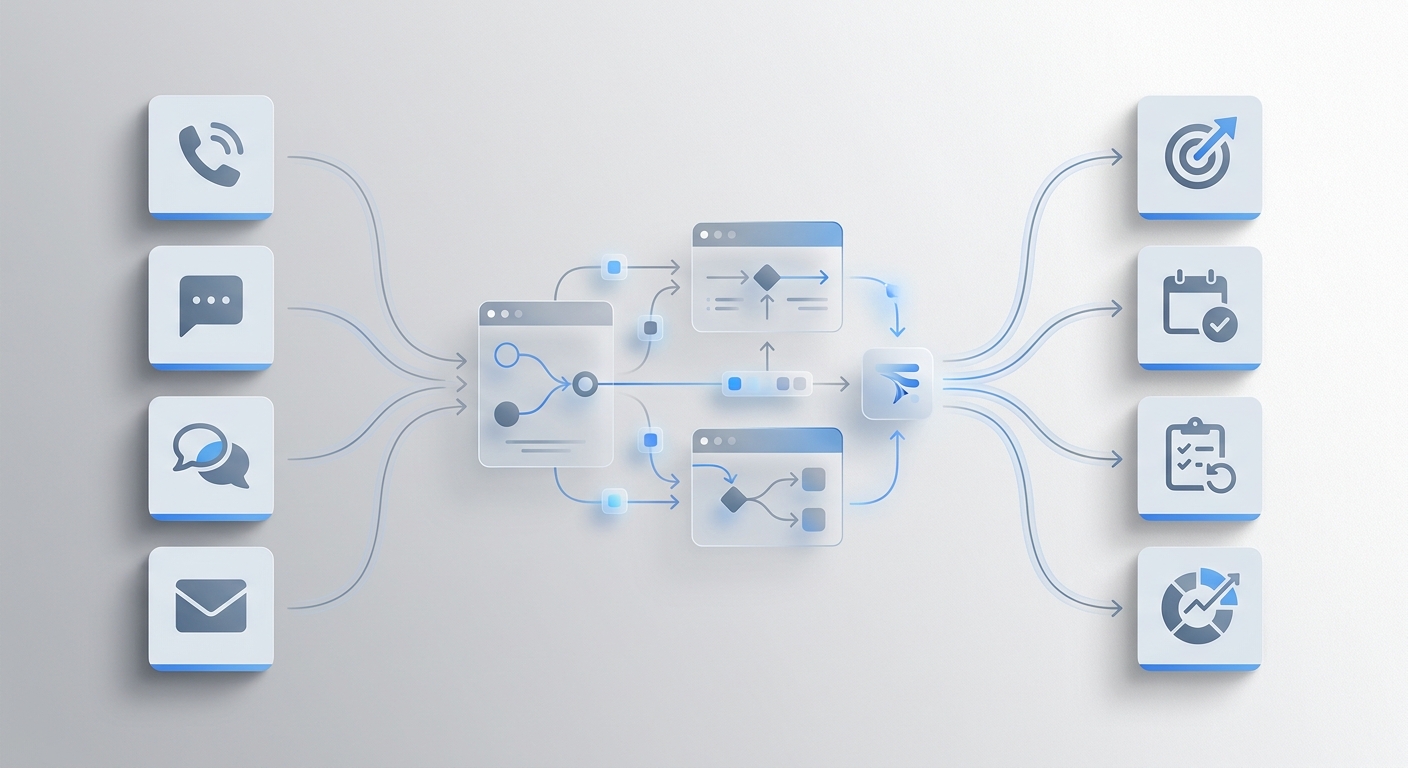
That matters because the right answer depends on the business. Some organizations need empathy-heavy human handling. Others mainly need immediate response, basic question coverage, and structured intake. A modern AI receptionist can be very effective in the second scenario, especially if the same call types repeat often.
Resources from companies like RingCentral help illustrate why modern routing logic matters. The issue is not just answering the call. It is deciding what should happen next based on who is calling and why.
When the Cost of Waiting Becomes Higher Than the Cost of Solving It
Many owners delay this decision because they focus on the visible cost of an answering service while underestimating the invisible cost of missed or poorly handled calls. But once inbound demand creates repeated interruption, inconsistency, or lead loss, the business is already paying. It is just paying through inefficiency instead of a vendor bill.
According to the HubSpot State of Customer Service & CX report, responsiveness and low-friction support remain central to customer expectations. That makes delayed callbacks and weak intake increasingly expensive from a reputation standpoint as well.
If the team is also comparing alternatives, our article on virtual receptionist vs in-house receptionist cost helps frame whether a service model or a staffing model makes more sense operationally.
Want coverage without adding front-desk payroll immediately?
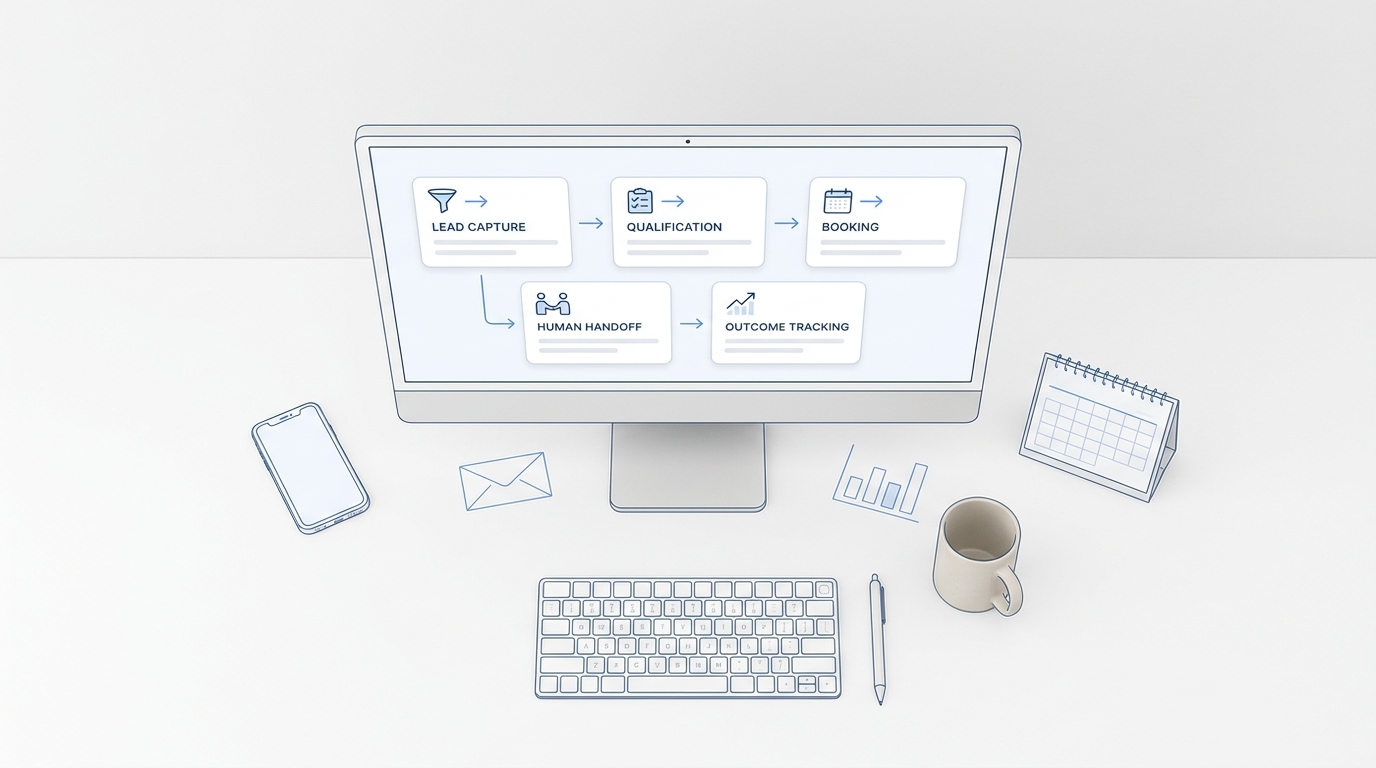
Solvea helps businesses answer calls, capture details, route intelligently, and keep after-hours communication from turning into lost revenue.
Your AI Receptionist, Live in Minutes.
Scale your front desk with an AI that never sleeps. Solvea handles unlimited multi-channel inquiries, books appointments into your calendar automatically, and ensures zero missed opportunities around the clock.
Frequently Asked Questions
What is the biggest sign a small business needs an answering service?
The clearest sign is when missed calls start leading to missed opportunities or when staff can no longer do their main work without constant interruption from the phone.
Is voicemail enough for a very small team?
Sometimes at very low volume, yes. But once urgency, lead flow, or after-hours demand increase, voicemail often becomes too passive to protect the customer experience.
Should a small business choose a human answering service or AI?
That depends on the call type. If empathy and live conversation matter most, human services may be better. If the business mostly needs speed, structure, and lower cost, AI reception can be a very strong fit.
Conclusion
A small business needs an answering service when the phone starts creating avoidable operational loss. That loss may show up as missed leads, constant interruption, slower response, or poor after-hours coverage. Once those patterns become frequent, adding a structured answering layer is no longer a luxury. It is part of running the business well.