In recent years, contact centers are not just places for handling customer complaints, inquiries, and problem-solving but also a treasure trove of valuable insights. Every customer interaction pools key information that can boost customer satisfaction, enhance loyalty, and drive business success.
That's where contact center analytics software works its magic. It enables businesses to gather the data generated during customer interactions and uncover actionable insights, which helps them make informed decisions and, in turn, improve overall customer experience (CX).
This blog post breaks down the definition and main types of contact center analytics. More importantly, we compare the top 9 contact center analytics solutions on the market to help you choose the right one for your business. Let's get started.
What are Contact Center Analytics
Contact center analytics is the process of collecting, processing, and analyzing data from every customer interaction across voice, email, chat, social media, and other channels. Analyzing these data can extract valuable insights into customer experience, call center performance, products/services, etc.
It monitors key metrics of contact centers, such as customer satisfaction (CSAT), first call response rate (FCR), average handle time (AHT), and more. These key metrics and insights, in turn, help businesses understand customer behavior, pain points, and potential needs.
What are the Types of Contact Center Analytics Software
There are different types of contact center analytics software, and each is designed to address specific business needs. Some of the most common analytics types are:
1. Predictive Analytics
This type uses historical data and AI technologies to forecast customer behaviors, needs, or potential outcomes. So, it helps businesses form a competitive edge to prepare proactively and avoid mismanagement. For example, it predicts a 20% surge in support tickets next Monday based on historic inquiries so managers can schedule agents proactively and avoid service delays.
Speech analytics in call centers can analyze unstructured interaction data from call recordings, live chats, and emails to detect customer sentiment, tone, and emotional cues. It works like a detective who actively listens to witness statements and analyzes keywords to uncover hidden insights about the case.
3. Customer Journey (Cross-Channel) Analytics
It focuses on tricking the entire customer journey through interaction data across multiple channels. That's to say, businesses can assess customer interaction at every stage and identify their pain points, then implement effective strategies to optimize customer experience in those stages.
4. Interaction Analytics
Every customer interaction presents an opportunity to understand their preferences, expectations, and pain points. The analytics software gives you insight into exploring customers' actual needs and brand experiences, especially when scaling your business, launching new products, or building brand loyalty.
Key Benefits of Contact Center Analytics
Analyzing customer data in contact centers is like using a powerful telescope. Just as a telescope allows astronomers to see distant stars clearly, contact center analytics guides businesses through the vast sea of customer interactions.
37% of businesses use analytics tools to find potential opportunities and create personalized customer experiences. As McKinsey reports, using a predictive analytics contact center solution can help you:
- Cut average handle time by up to 40%.
- Boost self-service usage by up to 20%.
- Cut employee costs by up to $5 million.
- Increase customer conversion rate on service-to-sales calls by nearly 50%.
Top 9 Contact Center Analytics Solutions
This section highlights the top 9 AI powered contact center analytics tools for different business sizes and needs. All these platforms have earned high ratings on G2, ensuring quality and reliability.
Platform Comparison Overview
Platform | Best use case | Analytics Software Type | Key Features | Starting price |
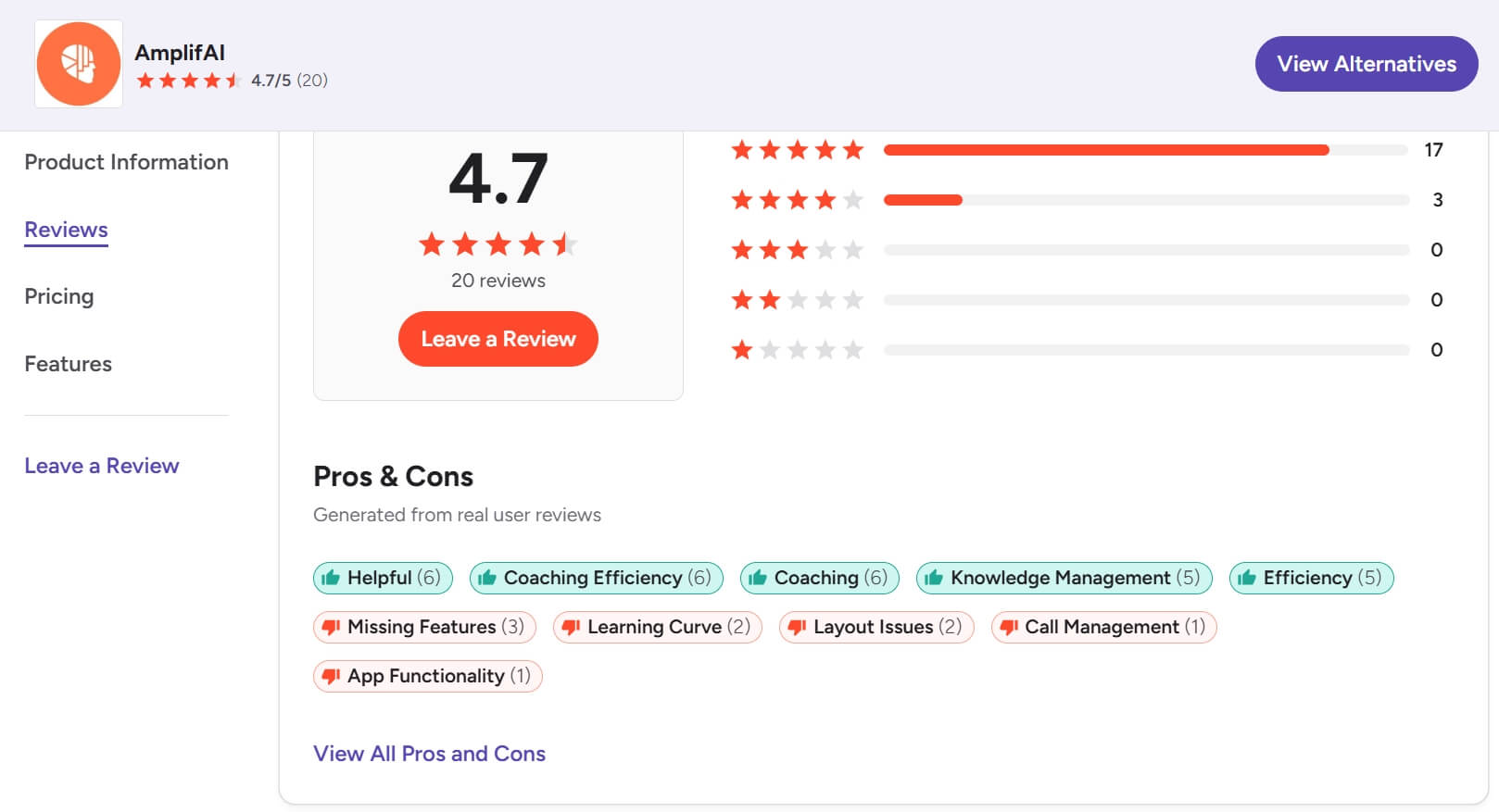
AmplifAI | Enterprise contact centers (50+ agents) | Unified, Post-Call, Predictive | l Unified data integration l Automated quality assurance l AI-customized coaching programs | Custom (contact sales) |
CallMiner Eureka | Regulated industries, omnichannel conversation analysis | Post-Call, Real-Time, Conversation AI | l Omnichannel interaction analysis l Agent metrics tracking l AI-driven root cause analysis | Starts at $1,500/month |
Replicant | Mid-to-large contact centers | Post-Call, Real-Time, Conversation AI | l Complete conversation analysis l In-depth audio analysis l Sentiment analysis | Pay-as-you-go ($0.10/min) |
Qualtrics | Omnichannel customer experience (CX) optimization | Post-Call, Conversation AI | l Customer journey mapping l Multi-channel feedback integration l Predictive churn analysis | $1,500/year+ (Base) |
Observe.AI | Mid-sized enterprise QA automation and agent coaching | Post-Call, Real-Time | l Automated QA evaluation l Coaching workflows l Sentiment analysis | $828/agent/year |
NiCE CXone | Large enterprise omnichannel operations | Post-Call, Conversation AI | l Nexidia speech analytics l Omnichannel interaction categorization l Workflow automation | $71 - $249 /user/month |
Level AI | Semantic-driven interaction analysis and real-time agent assistance | Post-Call, Real-Time | l Automated QA scoring l Real-time agent guidance l Sentiment analysis | $71 - $249 /user/month |
Genesys | Enterprise-grade cloud contact centers | Post-Call, Predictive, Conversation AI | l Omnichannel interaction analysis l AI empathy detection, l Performance management | $75 - $155 /user/month |
Verint | Large enterprise workforce optimization | Post-Call, Real-Time | l AI-specific bots Compliance monitoring l Automated sentiment analysis | $73 /user/month |
1. AmplifAI
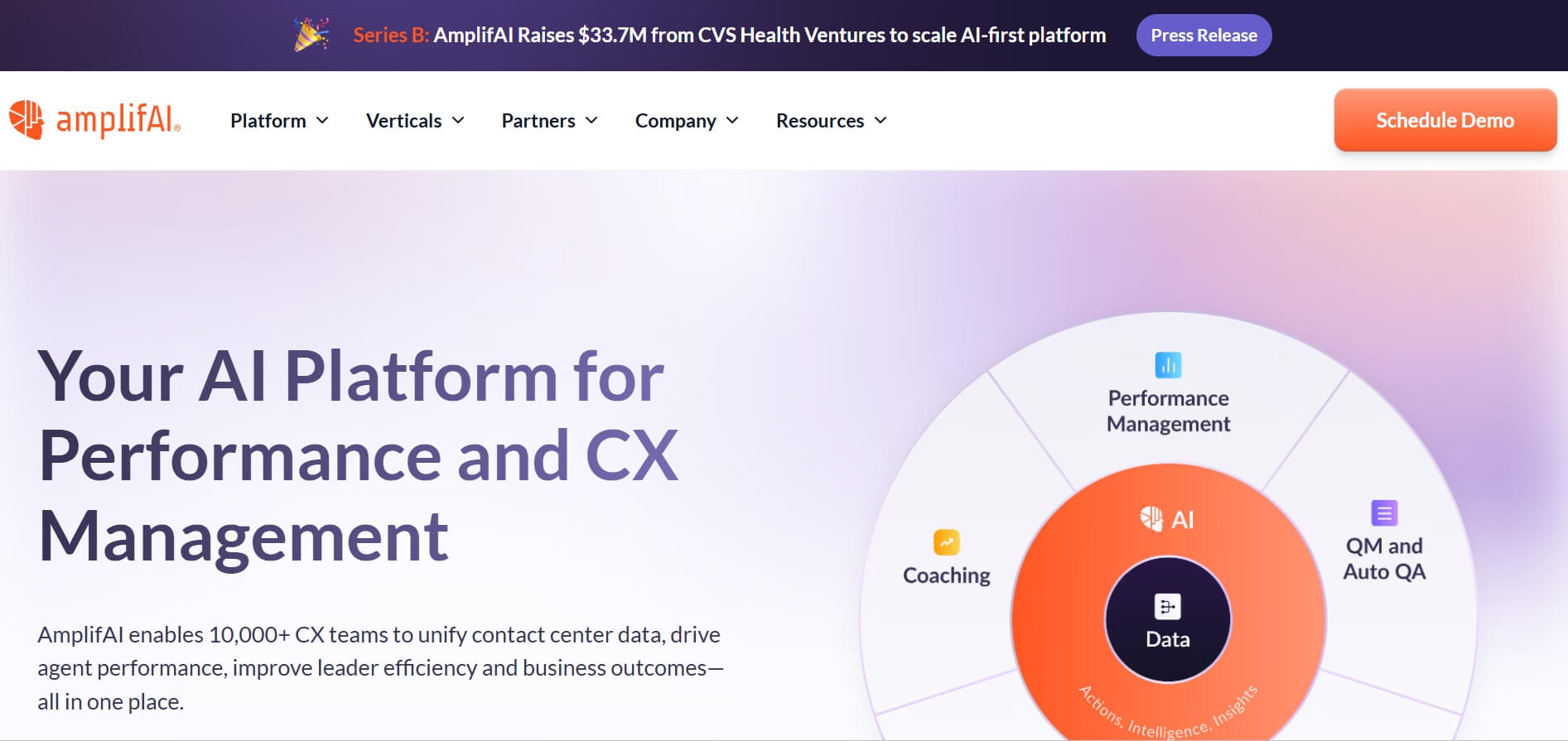
AmplifAI's call center speech analytics software unifies speech data with performance systems, coaching, and quality assurance (QA) to transform conversations into actionable insights. With a unified data foundation, it uses AI technologies to boost measurable outcomes. It's recognized as a leading automated QA and QM provider in the 2025 CMP Research Prism Report.
Why it's great: AmplifAI turns conversation data into measurable outcomes, not just reports.
Pros:
- Unified data foundation
- AI-driven coaching platform
- Very user-friendly and intuitive
- Predictive NPS and compliance tracking
Cons:
- Steep learning curve for full feature use
- Requires commitment to integrated workflows
2. CallMiner Eureka

CallMiner Eureka is a comprehensive speech analytics solution for contact centers. It analyzes omnichannel interactions and scores them against customizable criteria. The platform is trusted by regulated industries, like banking and insurance, that require robust compliance monitoring and risk detection capabilities.
Why it's great: CallMiner excels at risk detection, security, and compliance in highly regulated industries.
Pros:
- Ease of use
- Robust reporting and analytics tools
- Extensive integration options
- Highly customizable scoring categories
Cons:
- Requires significant time and resources to master
- Initial setup can be challenging for small teams

3. Replicant
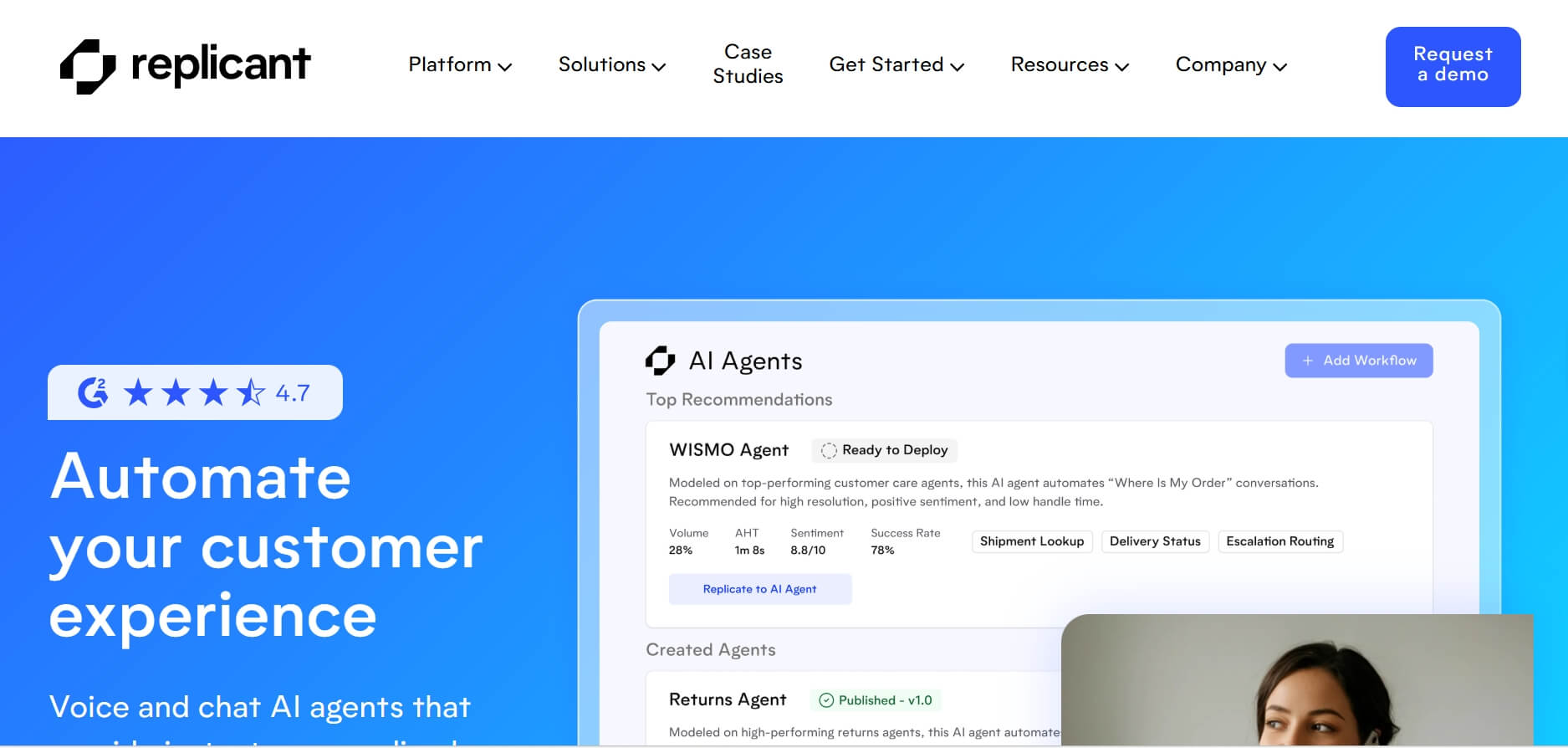
Replicant utilizes advanced multi-modal large language models to analyze every customer interaction across multiple channels. The platform stands out for audio-based QA, which effectively captures customers' subtle tone, accents, and emotions to give you deep and accurate analysis. Its "Conversation Intelligence" helps you find coaching opportunities, reveal customer pain points, and highlight top-performing agents.
Why it's great: Replicant delivers actionable agent coaching and customer-related insights without increasing QA workload.
Pros:
- Audio-based analytics for call QA
- Responsive customer support
- Seamless CRM/infrastructure integration
- Real-time conversation metrics
Cons:
- Not ideal for SMBs
- Limited customization options for niche industries
4. Qualtrics

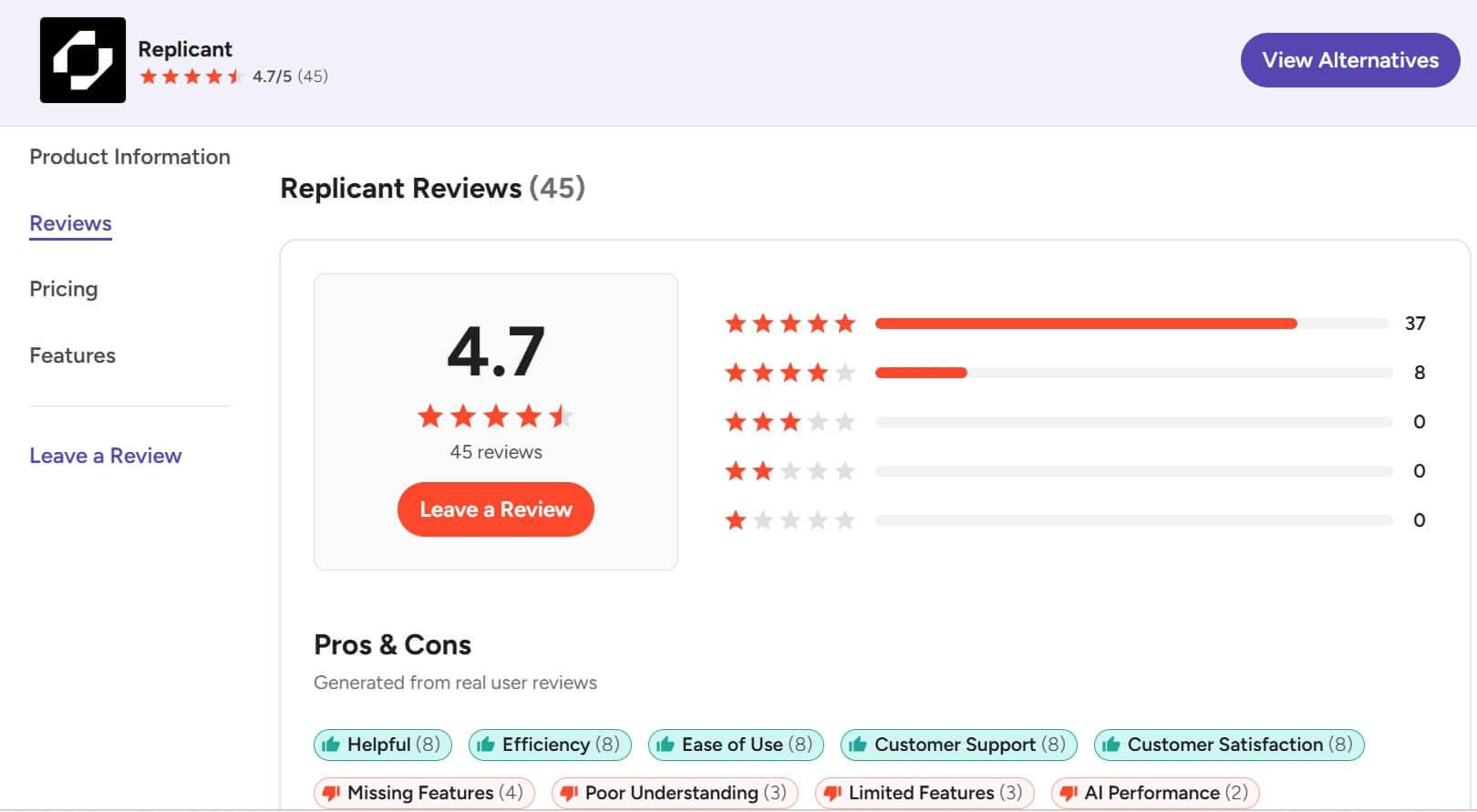
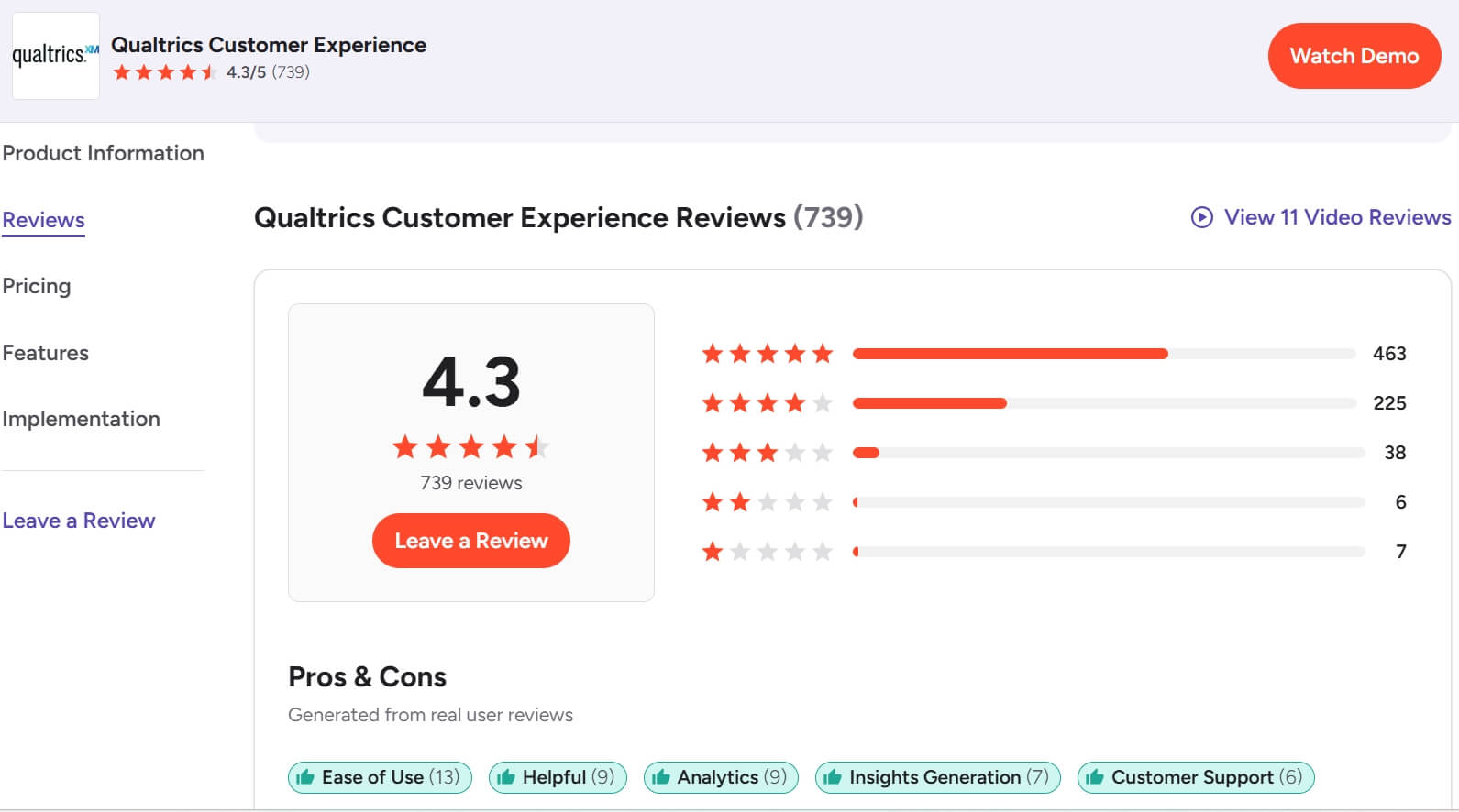
Qualtrics is a leading cloud-based experience management platform that combines contact center analytics with powerful CX tools. Powered AI technologies (machine learning) it analyzes customer speech and text data to understand customer intent and agent performance. It also unifies customer feedback across channels to identify experience gaps.
Why it's great: Qualtrics is perfect for businesses prioritizing end-to-end CX optimization with high-quality contact center analytics.
Pros:
- Robust analytics and reporting capabilities
- Comprehensive support and ease of use
- Strong survey capabilities
- Effortless insights generation
Cons:
- Hidden costs for essential services
- Customized surveys require additional costs
5. Observe.AI
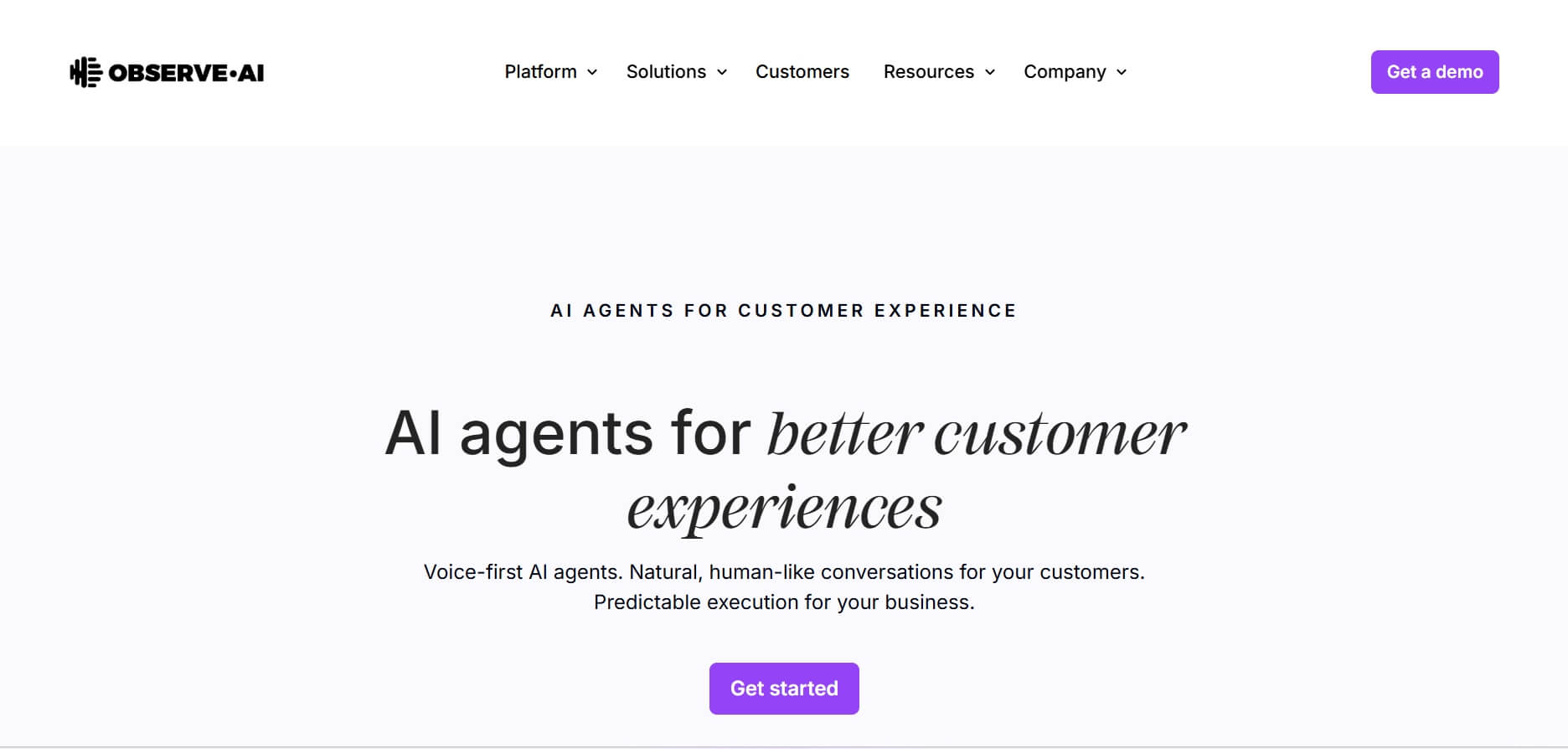
Observe.AI's call center speech analytic tool focuses on AI-powered quality management and agent coaching. The platform analyzes customer voice and text interactions to provide strategic insights for agent training and quality management. With the tool, your team can automatically get QA scores and monitor compliance.
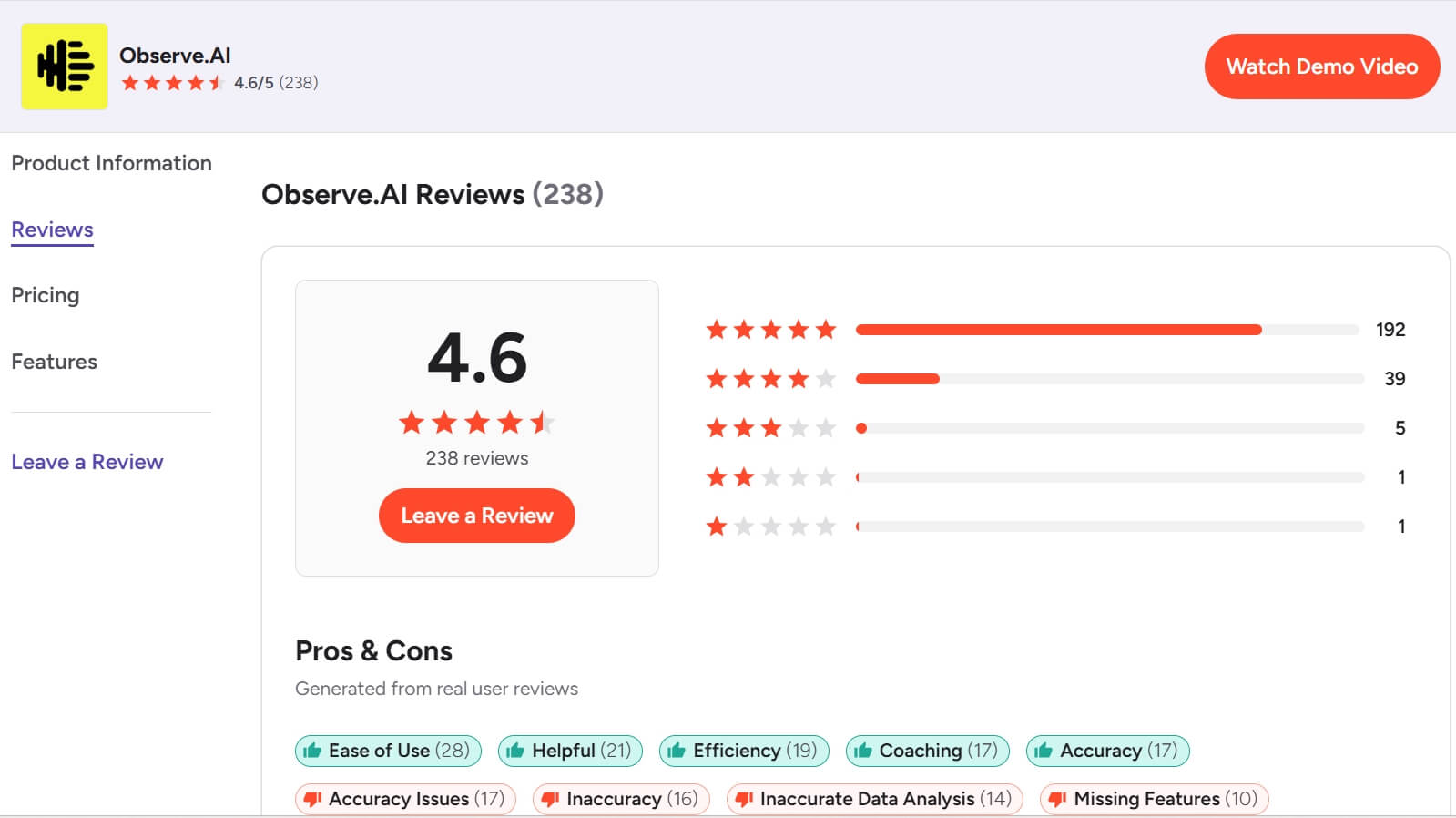
Why it's great: Observe.AI provides clear, real-time analysis while simplifying quality assurance automation.
Pros:
- Automated quality management
- Effective coaching capabilities
- High-accuracy speech recognition
- Intuitive user interface
Cons:
- Limited customization options
- Learning curve for new users
6. NiCE CXone
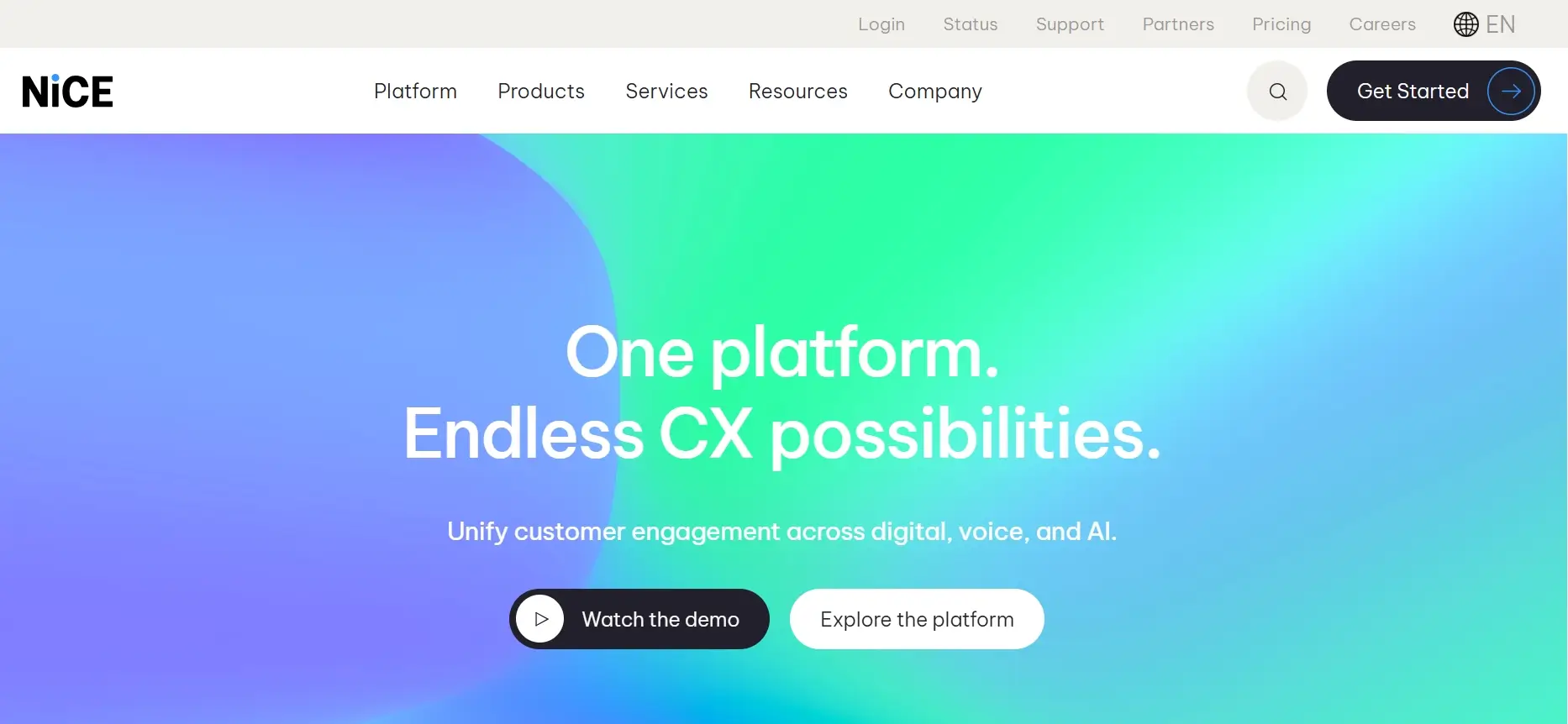
NiCE CXone is an enterprise-grade conversation analytics tool that combines speech, text, and desktop analytics into a single platform. With powerful "Enlighten AI", it automatically scores every customer interaction for sentiment and agent performance analysis. It also integrates with workforce optimization tools for large contact centers managing complex omnichannel operations.
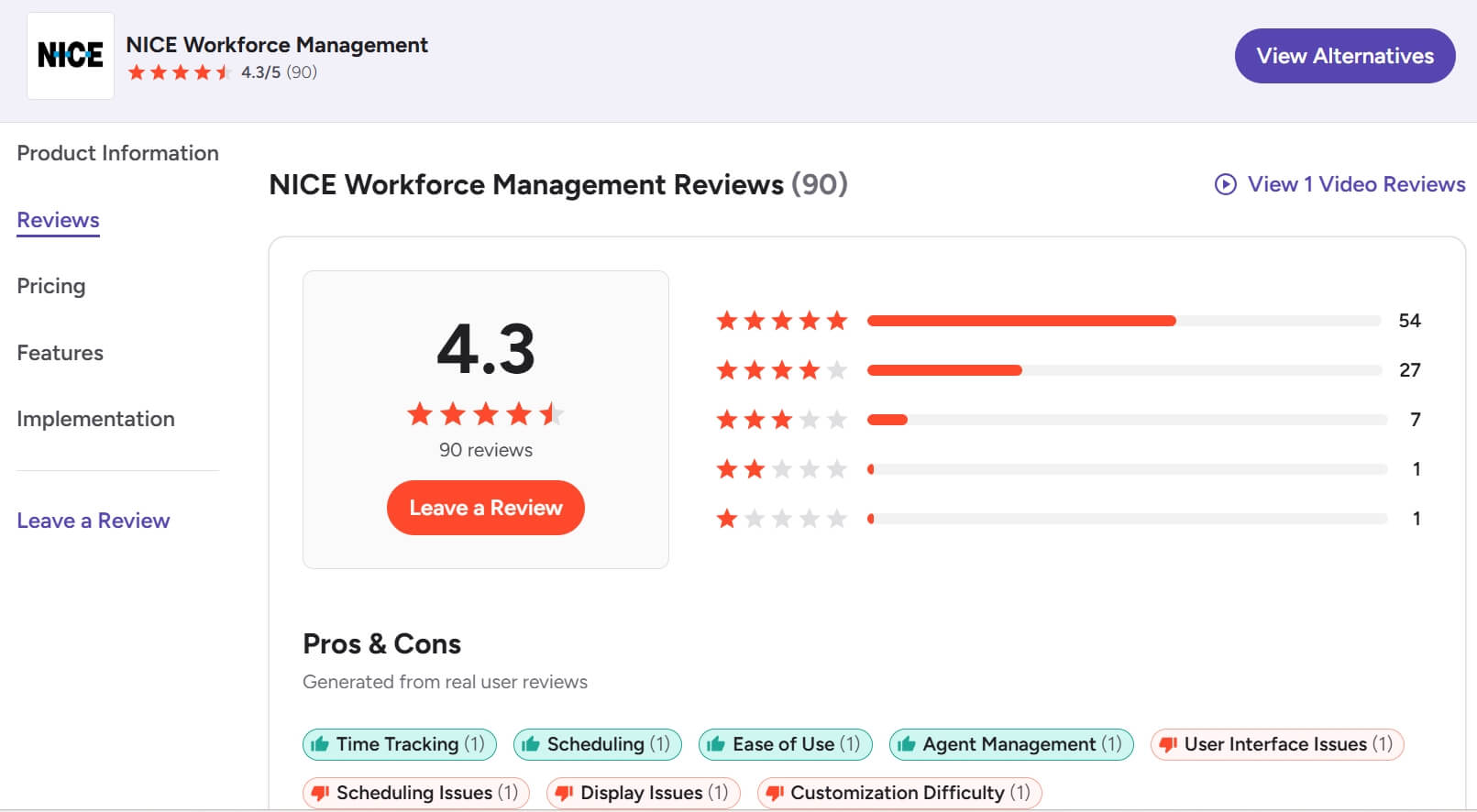
Why it's great: NiCE offers the most comprehensive workforce optimization tools integrated directly with deep interaction analytics.
Pros:
- Omnichannel interaction analytics (voice, chat, social media)
- Enterprise-grade compliance features
- Robust workforce optimization tools
- Workflow automation
Cons:
- Complex implementation process
- High cost for smaller businesses
7. Level AI

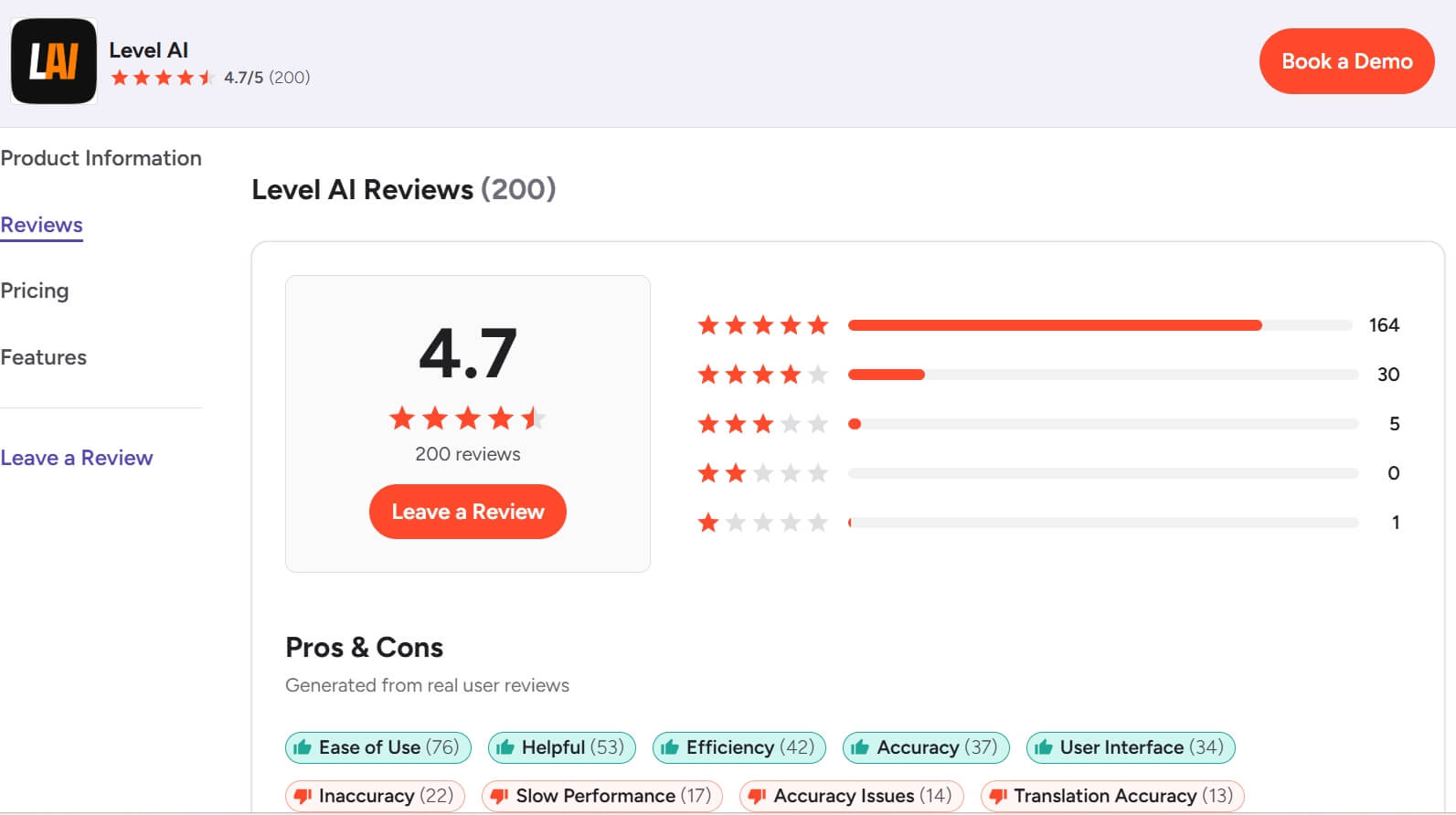
Level AI focuses on AI-driven automation and insights to improve contact center efficiency and customer satisfaction. It uses semantic intelligence (not just keywords) to automate QA and provide real-time suggestions for agents. Moreover, it can automatically categorize customer interactions by intent, flag compliance risks, and generate coaching recommendations.
Why it's great: Level AI is popular as it offers highly relevant, context-aware insights without heavy manual setup.
Pros:
- Semantic intent detection
- Real-time agent assistance
- Automated QA scoring
- Comprehensive quality management
Cons:
- Integration challenges with legacy systems
- Limited customer journey mapping
8. Genesys

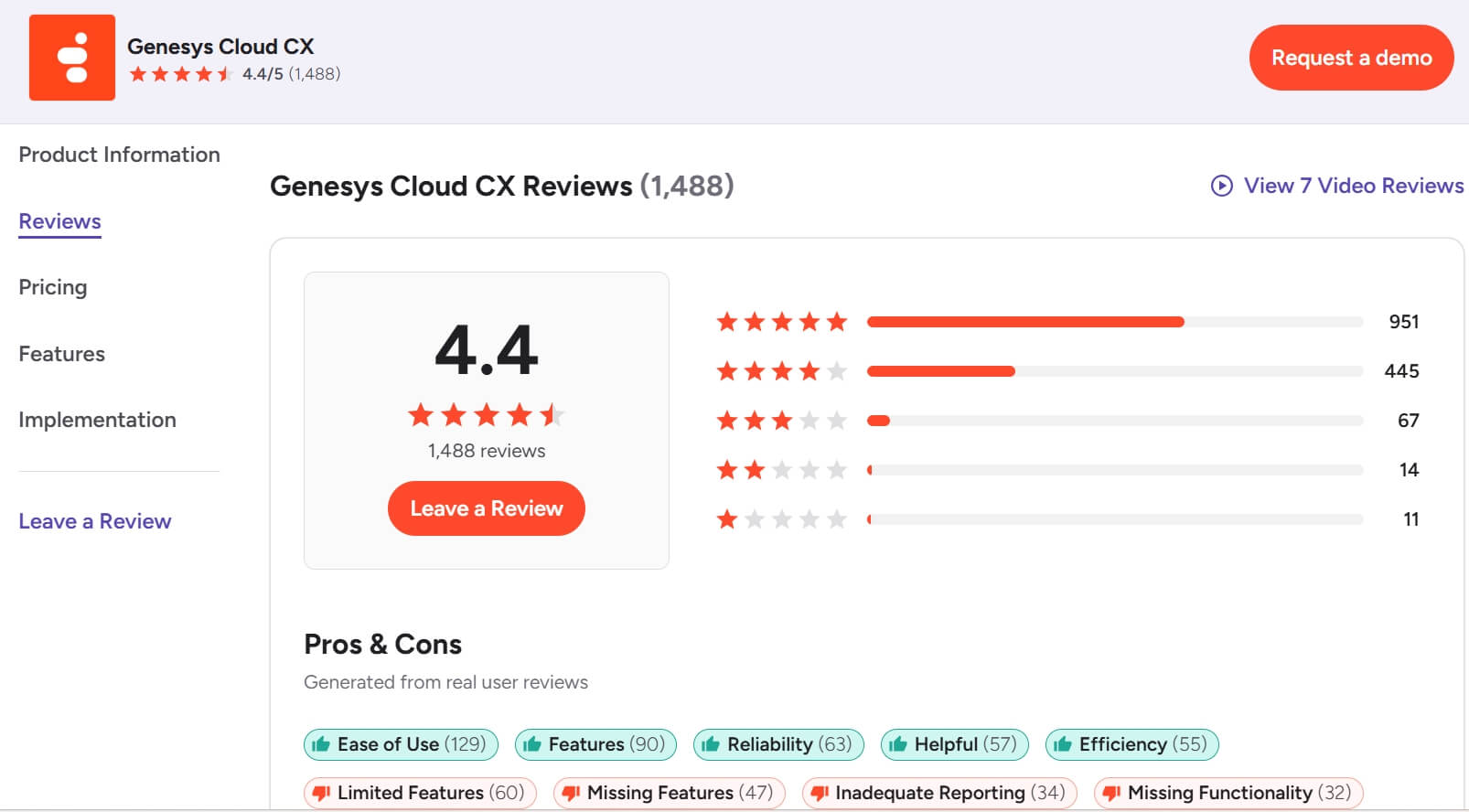
Genesys is an all-in-one cloud contact center platform that integrates conversation analytics, providing insights into customer sentiments, operational efficiency, agent performance, and customer experience. Its advanced features, like speech/text analysis and performance metrics, can convert raw interaction data into actionable insights for agent training and CX optimization.
Why it's great: Genesys stands out as it maps the entire customer journey and suggests the best next actions for agents.
Pros:
- User-friendly interface and modern UI
- Real-time customer interaction reporting and analytics
- Excellent customer support
- Streamlined workflow for agents
Cons:
- Limited customization options
- Some integrations require specialized knowledge
9. Verint
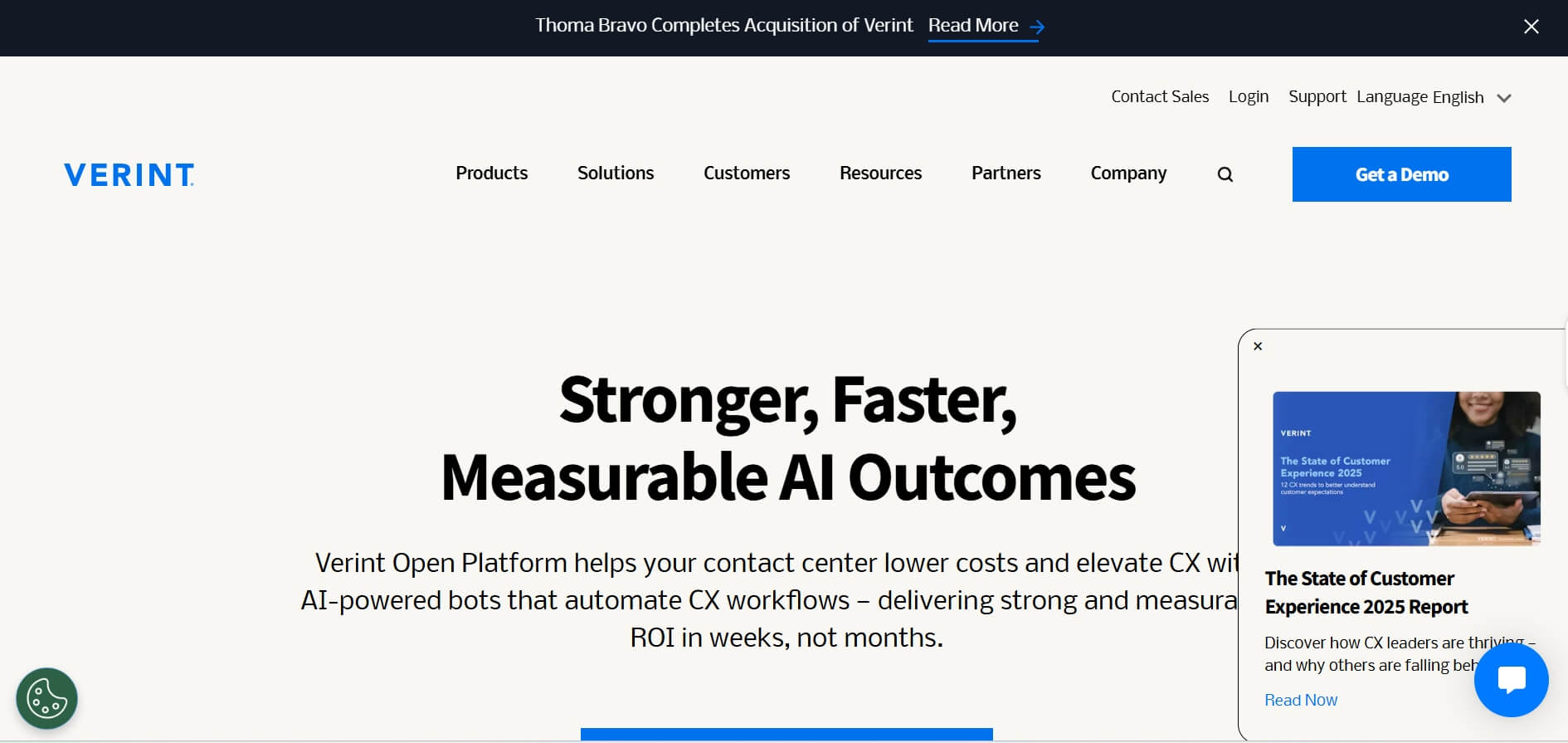
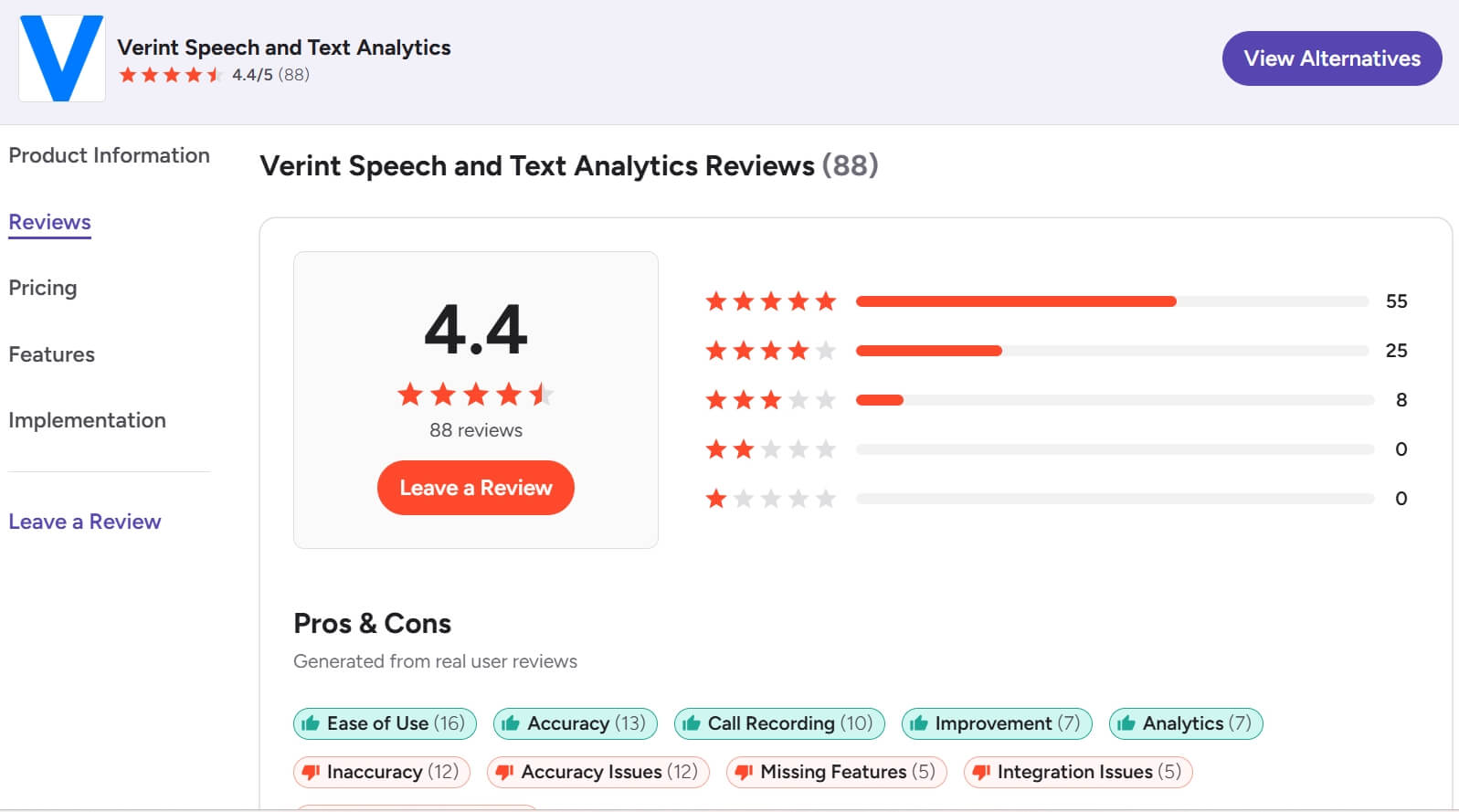
Verint is a solid workforce optimization tool with enterprise-grade contact center analytics capabilities. It uses specialized AI bots (Coaching Bot and Quality Bot) to handle distinct analytics tasks—from real-time agent guidance to compliance monitoring. It's popular with large teams focused on AI-driven coaching effectiveness and workforce efficiency.
Why it's great: Verint delivers modular analytics for teams with specific workflow needs and complex regulations.
Pros:
- Real-time compliance alerts
- Detailed agent behavior analysis
- High accuracy of transcription
- Quick actionable insights
Cons:
- Less intuitive interface
- Time-consuming data export and transcription
Best Practices to Use the Contact Center Analytics Tool Effectively
A contact center analytics tool plays an important role in streamlining operations, making data-driven decisions, and improving overall CX. To maximize its advantages, you can follow the best practices below:
1. Choose the right analytics tools: Without the right tools, your contact center's analytics won't be able to bring valuable insights together. Ensure you have a powerful tool that aligns with your business needs as well as scales over time.
2. Prioritize Data Quality and Integration: The quality of collected data is essential for meaningful analytics. You can integrate data from different sources in the contact center, including CRM, chat logs, Salesforce, call recording, and customer feedback.
3. Maximize speech and text analytics: Many businesses use speech and text analytics tools separately across departments. This fragmented approach will fail to uncover vital points. Ensure you have a unified platform for speech and text data analytics across all departments.
4. Ensure Security and Compliance: Don't ignore the security and compliance of the contact center analytics tools, like GDPR and CCPA. This protects sensitive customer information and avoids legal risks.
Your AI Receptionist, Live in Minutes.
Scale your front desk with an AI that never sleeps. Solvea handles unlimited multi-channel inquiries, books appointments into your calendar automatically, and ensures zero missed opportunities around the clock.
FAQs
1. What is call center analytics tool?
A call center analytics tool is a program that collects, processes, and analyzes customer interaction data across multiple channels, and then generates valuable insights into key metrics, like CSAT, FCR, and AHT. It's often used to help businesses improve customer experience and drive business success.
2. What does bfsi contact center analytics market mean?
The BFSI (Banking, Financial Services, Insurance) contact center analytics tools are designed to meet industry-specific needs, such as those of financial institutions. Since these industries handle a vast amount of sensitive data and require adherence to strict regulations, the tools emphasize security, fraud detection, and compliance monitoring.
3. What software do most call centers use?
Most call centers use CCaaS platforms, like Five9, Solvea, Genesys, and NiCE, as well as analytics tools, like Qualtrics and AmplifAI. These tools are often integrated with CRM systems and specialized workforce management tools.
4. What is the best CX software?
The best CX software depends on your business size, needs, and industry. For example, Solvea is best for small ticketing systems and global retailers, Salesforce is powerful for sales teams and large enterprises, and Qualtrics is ideal for deep customer analytics.