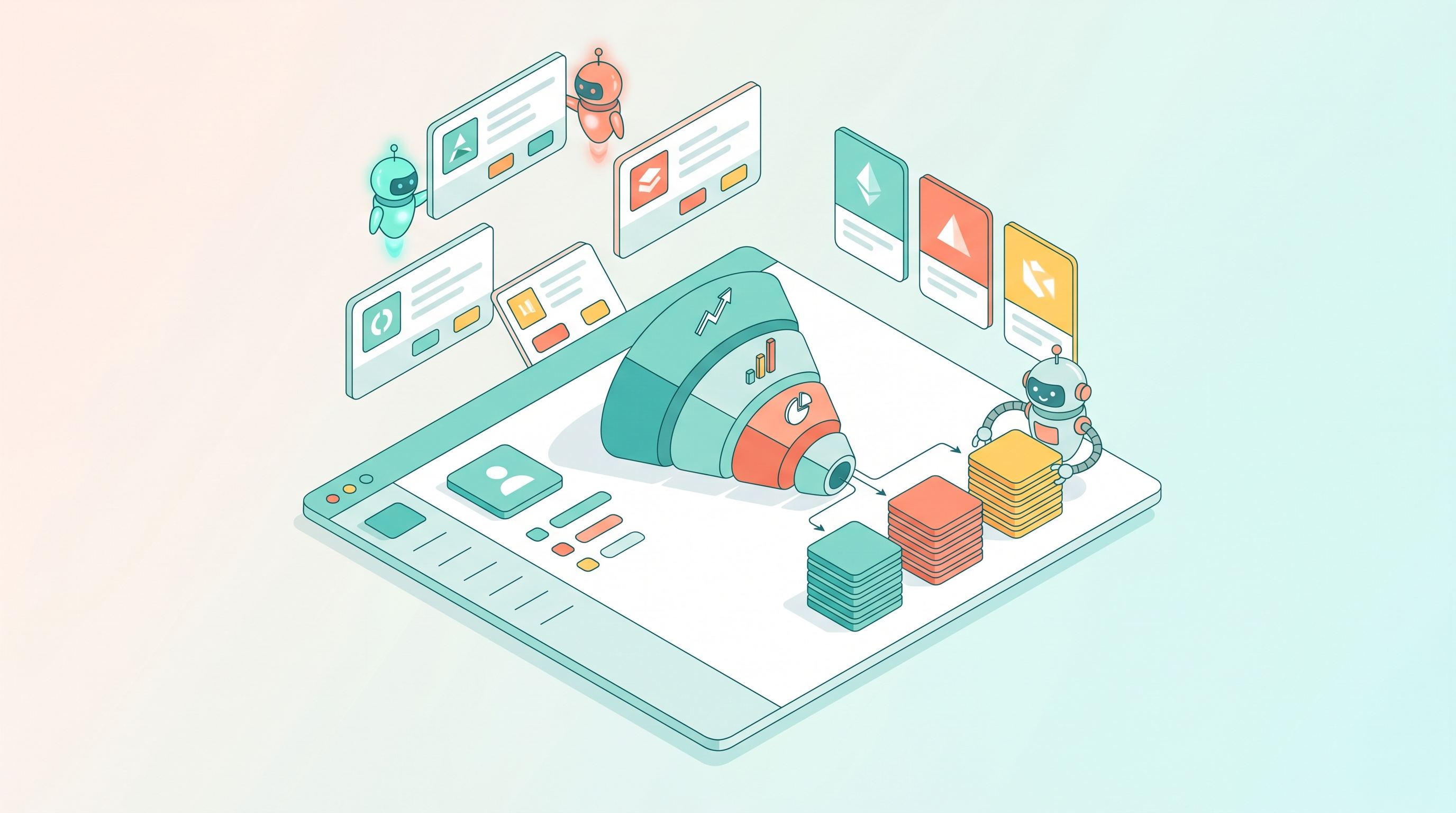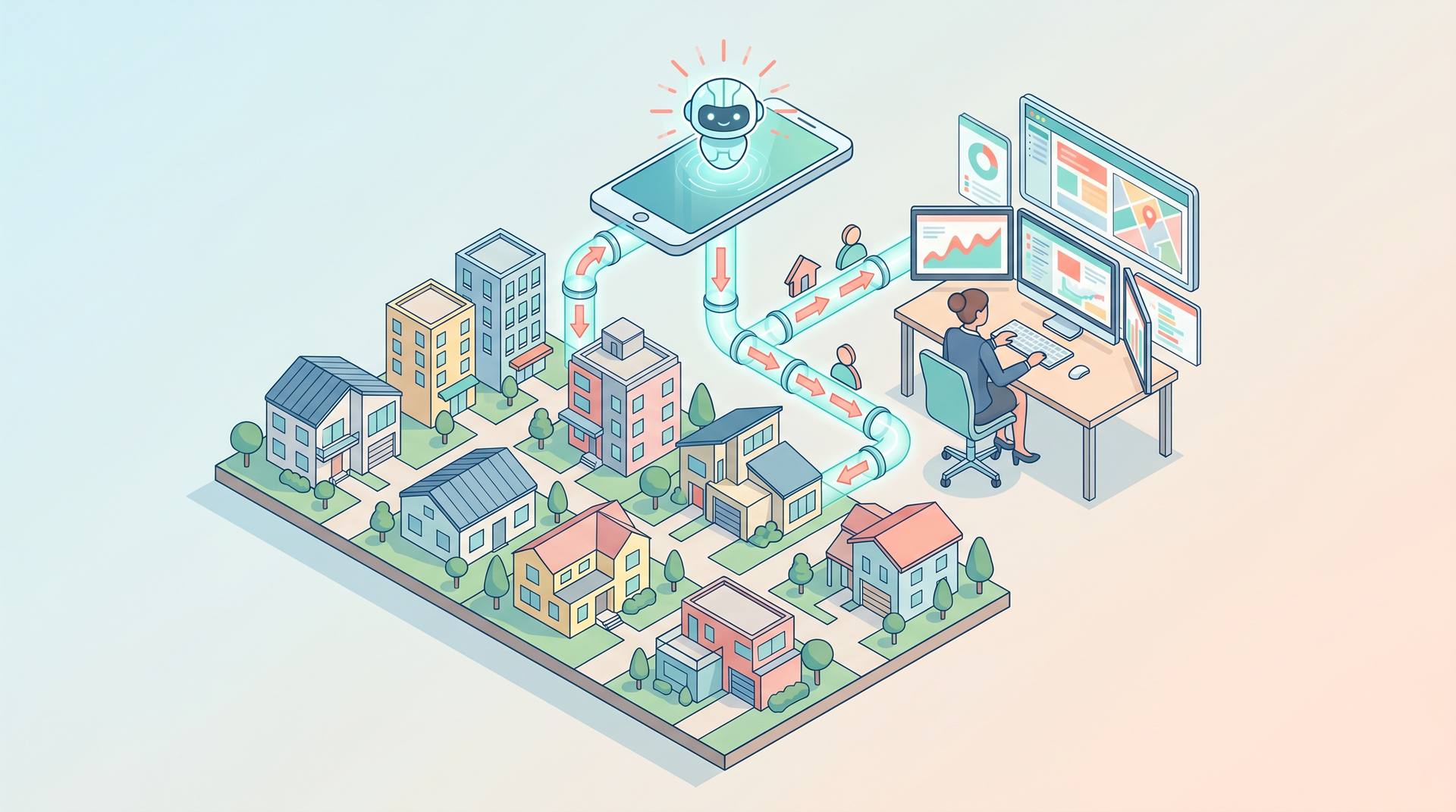
In 2026, sales representatives are increasingly reliant on sophisticated applications to streamline their workflows, automate outreach, refine prospect targeting, and scale customer communication. From comprehensive enterprise CRM platforms to cutting-edge AI-driven automation and robust B2B data intelligence tools, modern sales software is indispensable for driving revenue growth.
We have tested many apps for sales reps. This guide provides an in-depth comparison of the leading applications for sales professionals in 2026. Our analysis is strictly based on official product positioning, documented features, and publicly available pricing information, ensuring an objective and factual overview.
Top 10 Sales Rep Apps in 2026: TL;DR
App | Pricing | Best For | Features |
Custom / Contact Sales | AI-Powered Sales Automation | 24/7 automated interaction, AI trained on knowledge base, Real-time response handling, Multilingual capabilities | |
From ~$25/user/month | Enterprise CRM | Lead and opportunity management, Advanced forecasting, Workflow automation, Extensive integration ecosystem | |
Free CRM; Paid from ~$20/mo | SMB-Friendly All-in-One CRM | Contact and deal tracking, Email tracking & meeting scheduling, Automated workflows, Reporting dashboards | |
From ~$19/user/month | Service-Driven Sales Teams | Unified interaction history, Lead and deal management, Sales forecasting, Mobile CRM access | |
Custom pricing | B2B Prospecting & Sales Intelligence | Extensive B2B contact database, Firmographic/Technographic data, Intent signals, Prospect search & filtering | |
Free; Paid from ~$7.25/mo | Team Sales Communication & Collaboration | Real-time messaging, Channel-based organization, Workflow alerts, Integration with CRM/Sales tools | |
From ~$14.90/user/month | Visual Deal Tracking | Visual pipeline management, Activity reminders, Lead segmentation, Sales reporting & analytics | |
Custom pricing | Sales Engagement | Multi-channel outreach cadences, Email tracking, Dialer & meeting tools, Performance analytics | |
Custom pricing | Sales Enablement | Sales content management, Rep training & coaching, Buyer engagement tracking, AI-driven recommendations | |
Custom pricing | Sales Execution | Multi-channel sequencing, Pipeline management, Deal intelligence, Sales forecasting & coaching |
What Are Sales Rep Apps?
Sales rep applications are specialized software tools meticulously designed to empower sales professionals in various critical aspects of their role. These tools facilitate the tracking of leads and opportunities, efficient management of sales pipelines, automation of follow-up processes, precise identification and qualification of prospects, and seamless internal and external communication.
These applications typically fall into distinct categories, including CRM platforms, sales engagement tools, AI automation systems, collaboration tools, and sales intelligence platforms. By 2026, the integration of AI and real-time data has become paramount, significantly enhancing productivity and conversion rates across the sales spectrum.
Solvea — Best for AI-Powered Sales Automation
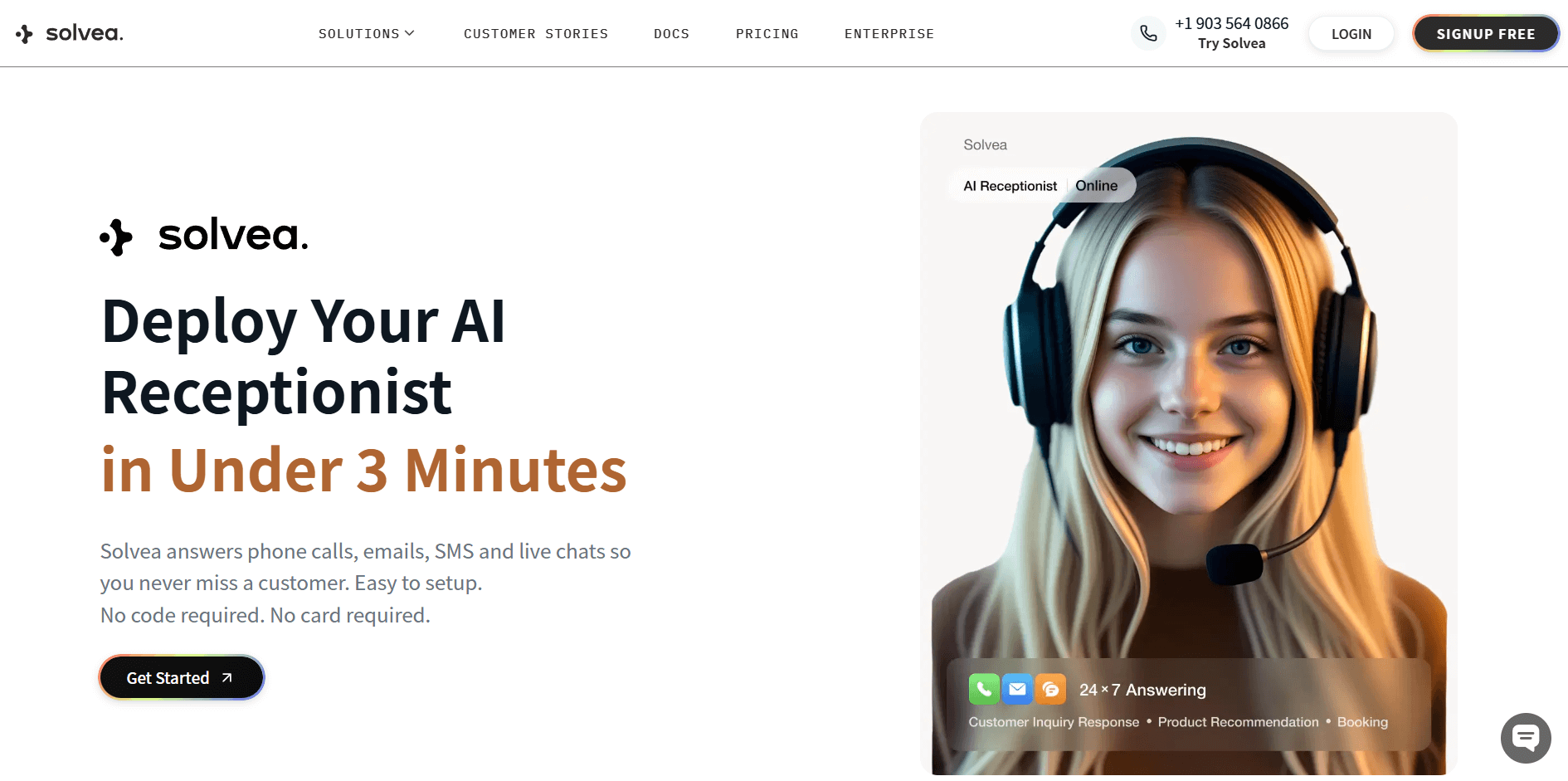
Solvea is positioned as a pioneering AI-driven automation platform designed to manage real-time customer conversations across both sales and support channels. According to official product positioning, Solvea can autonomously respond to inquiries, assist with product-related questions, and integrate seamlessly with existing operational systems—helping teams significantly reduce repetitive manual tasks.
Unlike traditional CRM platforms that primarily store and organize data, Solvea focuses on AI execution and conversational automation. It operates as an intelligent front-line assistant, engaging prospects instantly, qualifying inquiries, and supporting customers at scale. By automating high-frequency interactions, Solvea enables sales teams to allocate more time to strategic selling activities such as closing complex deals and nurturing high-value relationships.
In modern sales environments where response speed and scalability directly impact conversion rates, Solvea provides a performance advantage by combining automation, contextual understanding, and continuous learning within a single platform.
Key Capabilities
- 24/7 automated multilingual support: Provides continuous real-time engagement across different time zones and languages, ensuring no inbound opportunity is missed due to staffing limitations or regional coverage gaps.
- AI trained on company knowledge and historical data: Uses internal documentation, FAQs, and prior interaction data to deliver context-aware, brand-aligned responses that maintain consistency across conversations.
- Autonomous learning and workflow optimization: Continuously improves performance by learning from real interactions and adapting to updated workflows, reducing the need for constant manual configuration.
- Seamless integration with existing systems: Connects with commerce platforms, support tools, and CRM systems to access relevant data during conversations, enabling smoother handoffs between AI and human reps.
- Scalable high-volume conversation management: Handles large spikes in inbound traffic without performance degradation, making it suitable for promotional campaigns, product launches, or rapidly scaling businesses.
Solvea is particularly well suited for teams managing substantial inbound volumes who aim to automate first-touch engagement, shorten response times, and increase operational efficiency—without proportionally increasing headcount.
Salesforce — Best for Enterprise CRM
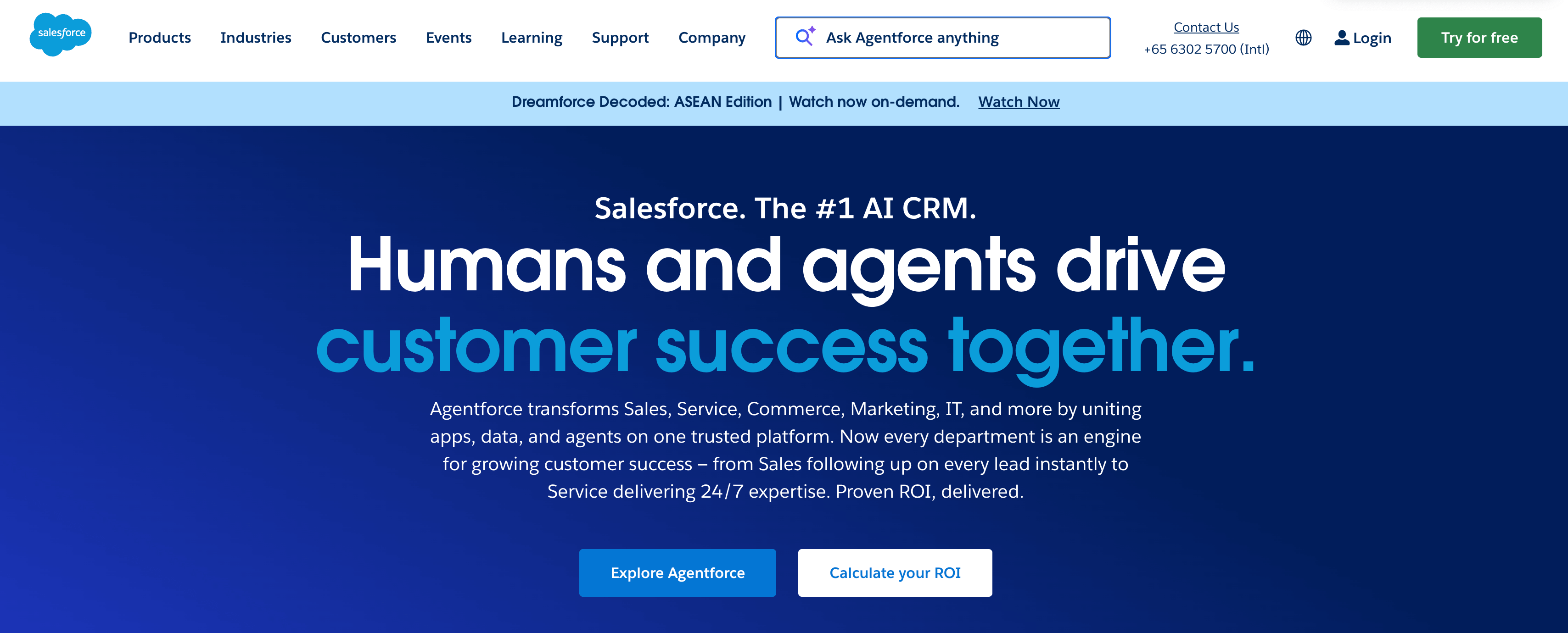
Salesforce Sales Cloud is one of the most widely adopted CRM platforms globally, known for its scalability and depth. Official materials position it as a comprehensive customer relationship management solution that centralizes leads, accounts, and opportunities while providing forecasting and automation tools. It is designed to support complex, multi-stage sales processes across large organizations.
In addition to core CRM functionality, Salesforce incorporates Einstein AI to deliver predictive insights and workflow enhancements. Its high level of customization and broad integration ecosystem make it particularly suitable for enterprises with sophisticated operational requirements.
Key Capabilities
- Lead and opportunity management: Provides structured tracking of prospects and deals across the entire sales lifecycle, improving visibility into pipeline health and deal progress.
- Forecasting and pipeline analytics: Offers data-driven revenue forecasting and performance insights to support strategic planning and quota management.
- Workflow automation: Automates repetitive administrative tasks such as follow-ups, approvals, and data updates to increase rep productivity.
- Extensive integration and customization ecosystem: Supports thousands of third-party applications and configurable modules, allowing businesses to tailor the platform to their internal processes.
Salesforce is best suited for mid-size to enterprise organizations that require a highly customizable, scalable, and analytics-driven platform to manage complex sales operations.
HubSpot — Best for SMB-Friendly All-in-One CRM
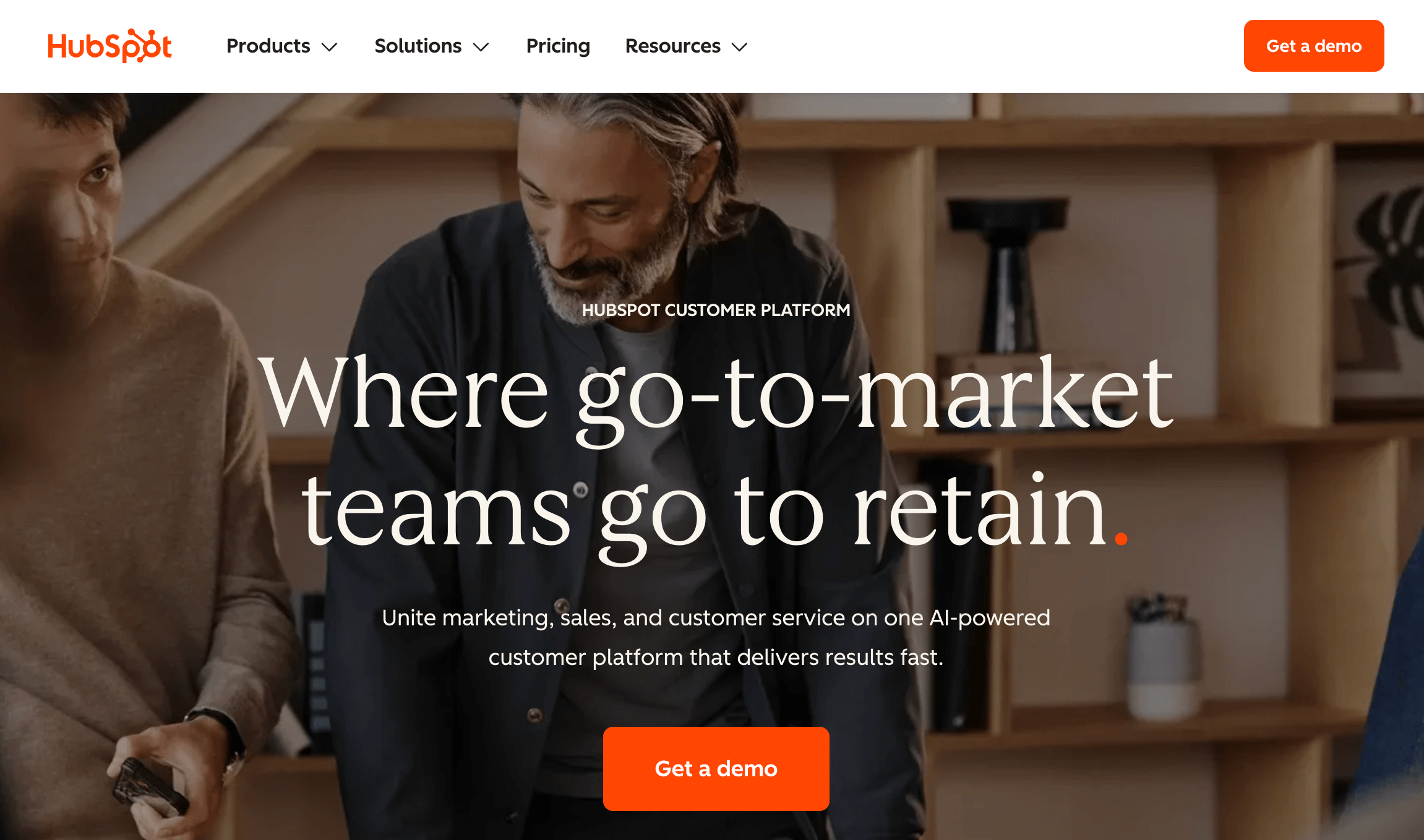
HubSpot’s Sales Hub is positioned as an intuitive, all-in-one CRM platform designed to align marketing, sales, and service teams within a single system. Official positioning emphasizes usability, automation, and accessibility for small to mid-sized businesses. Its unified approach helps eliminate data silos and provides a centralized view of customer interactions.
The availability of a free CRM tier makes HubSpot especially attractive for startups and growing companies. As businesses scale, paid plans introduce more advanced automation and reporting capabilities, allowing teams to expand functionality without switching platforms.
Key Capabilities
- Contact and deal management: Organizes customer information and sales pipelines in a structured, easy-to-navigate interface that supports daily sales activity.
- Email tracking and meeting scheduling: Provides built-in tools to monitor engagement and streamline appointment booking directly within the platform.
- Sales automation workflows: Enables automated follow-ups, task assignments, and pipeline updates to reduce manual administrative work.
- Integrated marketing and service ecosystem: Connects seamlessly with HubSpot’s marketing and customer service tools for end-to-end visibility across the customer lifecycle.
HubSpot is well suited for SMBs seeking an easy-to-use, scalable CRM platform that supports growth without requiring extensive technical resources.
Zendesk — Best for Service-Driven Sales Teams
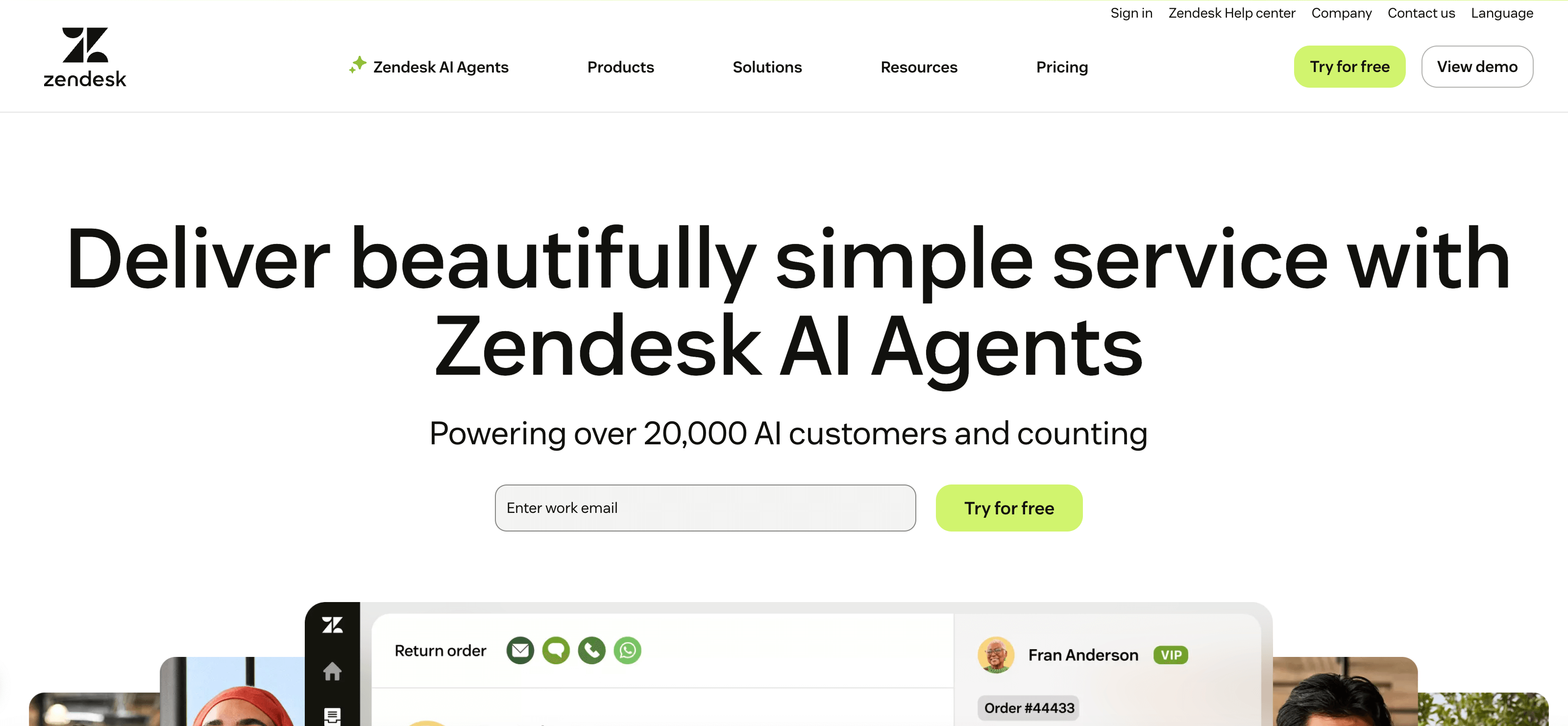
Zendesk is designed to connect sales activities with customer service interactions, creating better visibility across the entire customer lifecycle. Official positioning emphasizes improved collaboration between support and sales teams, helping organizations turn service conversations into revenue opportunities.
By giving sales reps access to a customer’s support history, Zendesk enables more informed and contextual engagement. This alignment supports a more cohesive customer experience, particularly for businesses where long-term relationships and retention are central to growth.
Key Capabilities
- Unified customer interaction history: Consolidates support tickets, conversations, and sales activities into a single view, allowing reps to engage with full context.
- Lead and deal management: Provides structured pipeline tracking to help teams monitor opportunities and maintain deal momentum.
- Forecasting and performance analytics: Offers reporting tools to evaluate sales performance and improve predictability across revenue cycles.
- Native integration with Zendesk Support: Connects directly with the broader Zendesk ecosystem to streamline handoffs between service and sales teams.
Zendesk is most effective for organizations where close coordination between customer support and sales is essential to revenue growth and retention strategy.
ZoomInfo — Best for B2B Prospecting & Sales Intelligence
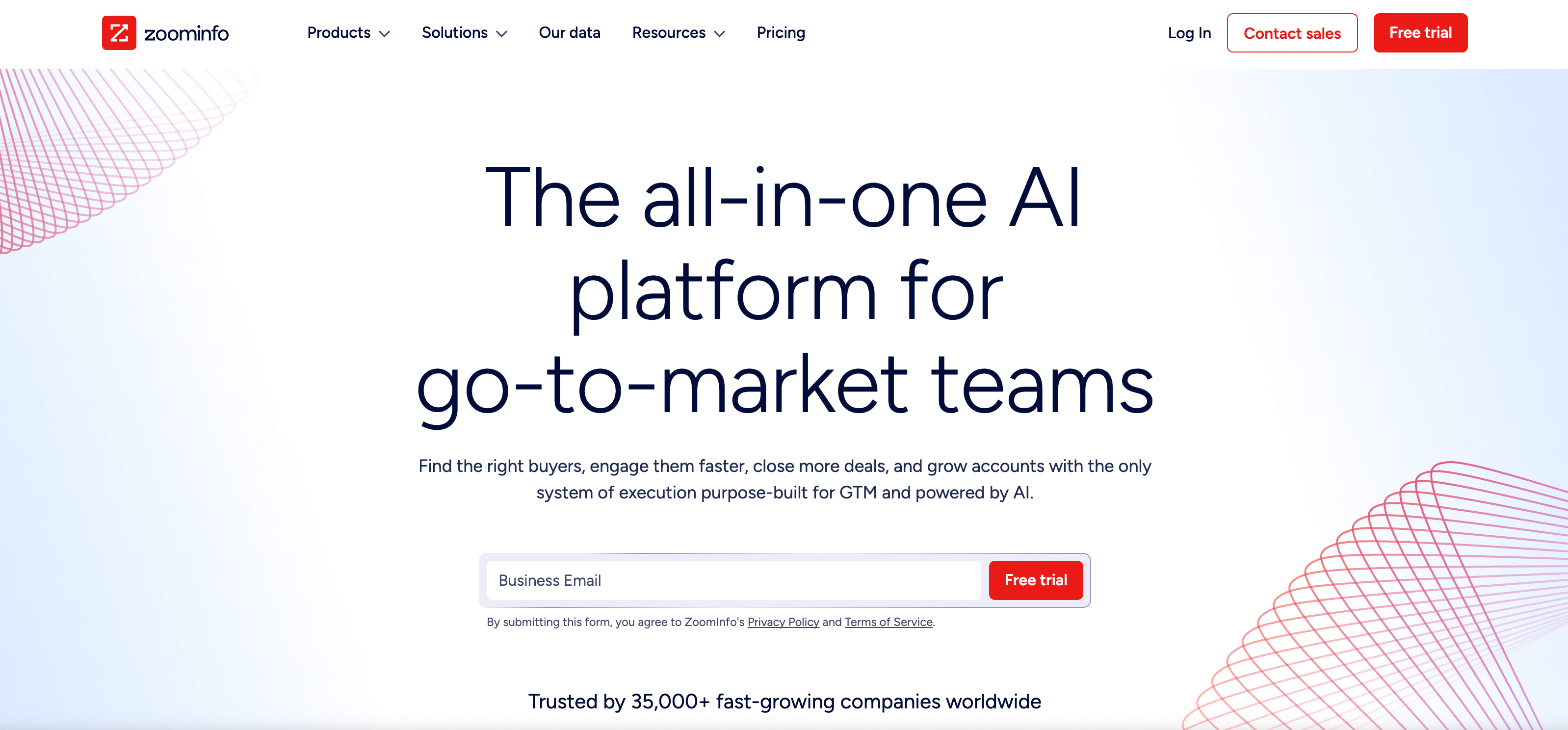
ZoomInfo is positioned as a leading B2B data and sales intelligence platform that provides detailed company and contact information to support prospecting efforts. Its database includes direct contact details, company profiles, and organizational insights that help sales teams identify and reach decision-makers more effectively.
Rather than managing deals within the pipeline, ZoomInfo focuses on strengthening top-of-funnel activities. By offering advanced data signals—such as company growth indicators, technographic data, and buyer intent insights—it enables outbound teams to prioritize accounts that are more likely to convert.
Key Capabilities
- Extensive B2B contact and company database: Provides access to a large volume of verified business contacts and organizational data to improve outreach accuracy.
- Firmographic and technographic insights: Delivers detailed information about company size, industry, and technology usage to refine targeting strategies.
- Buyer intent data signals: Identifies companies actively researching relevant solutions, helping teams focus on higher-probability prospects.
- CRM and sales tool integrations: Syncs with major CRM and engagement platforms to streamline data transfer and maintain workflow continuity.
ZoomInfo is particularly valuable for outbound sales teams that rely on data-driven prospecting and precise account targeting to build and scale a high-quality pipeline.
Slack — Best for Team Sales Communication & Collaboration
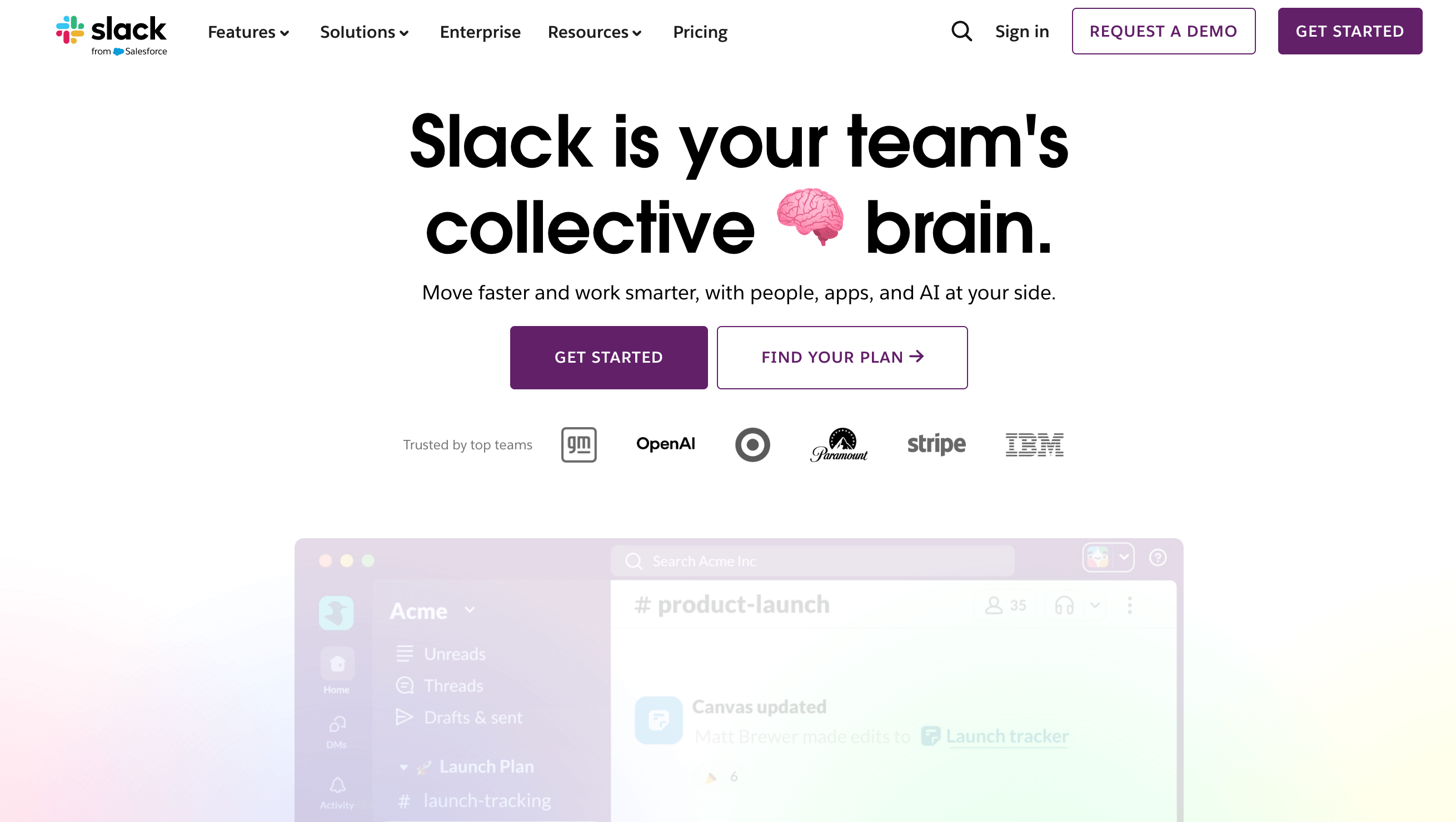
Slack is positioned as a real-time team communication platform that enhances internal collaboration across sales organizations. While not a CRM or prospecting tool, Slack plays a critical operational role by centralizing discussions, alerts, and cross-functional coordination in one shared workspace.
Rather than managing deals directly, Slack strengthens execution speed by reducing communication friction. Sales reps can coordinate with marketing, support, and leadership instantly, ensuring faster decision-making and smoother deal progression.
Key Capabilities
- Real-time messaging and channel organization: Enables structured conversations across teams, accounts, or deal stages to keep discussions transparent and searchable.
- Workflow notifications and alerts: Integrates with CRM and sales tools to push real-time deal updates, task reminders, and activity alerts.
- Cross-functional collaboration: Allows sales, support, product, and marketing teams to coordinate within shared channels.
- Extensive third-party integrations: Connects with CRM systems, automation platforms, and productivity tools to streamline internal workflows.
Slack is particularly valuable for fast-moving sales teams that depend on rapid internal coordination to close deals efficiently.
Pipedrive — Best for Visual Deal Tracking
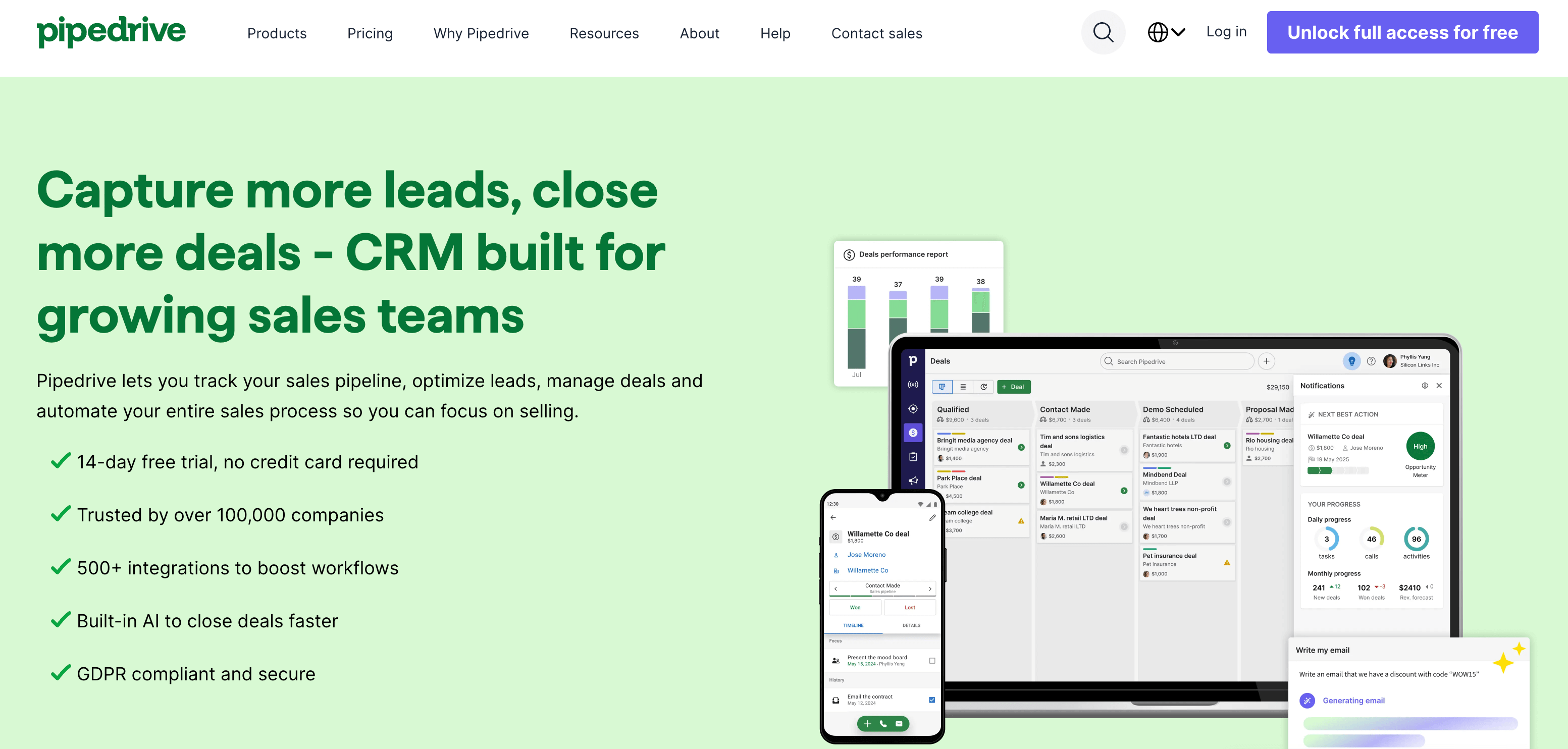
Pipedrive is positioned as a sales-focused CRM designed around visual pipeline management. It emphasizes simplicity and clarity, helping sales reps track deals through clearly defined stages without unnecessary complexity.
Unlike large enterprise CRMs, Pipedrive prioritizes usability and activity-driven selling. Its interface allows reps to see exactly where every opportunity stands, improving accountability and deal momentum.
Key Capabilities
- Visual pipeline management: Provides a drag-and-drop interface that makes deal tracking intuitive and easy to update.
- Activity-based selling tools: Encourages consistent follow-ups with reminders, task tracking, and scheduling features.
- Lead segmentation and filtering: Helps teams prioritize opportunities using customizable filters and views.
- Sales reporting and analytics: Offers performance insights and pipeline visibility to support forecasting and planning.
Pipedrive is well suited for small to mid-sized sales teams that value simplicity, transparency, and a clear view of their pipeline.
Salesloft — Best for Sales Engagement
Salesloft is positioned as a sales engagement platform built to structure and scale outbound communication. It helps teams design coordinated, multi-channel outreach cadences across email, phone, and other channels.
Rather than serving as a system of record, Salesloft acts as a system of execution—ensuring consistent prospect engagement and follow-up across the pipeline.
Key Capabilities
- Multi-channel outreach cadences: Allows reps to automate structured outreach sequences across email and calls.
- Email tracking and analytics: Provides visibility into open rates, replies, and engagement metrics.
- Built-in dialer and meeting tools: Supports call tracking and conversation logging within the platform.
- Performance reporting: Delivers insights into rep activity levels and engagement effectiveness.
Salesloft is particularly valuable for outbound sales teams that require structured outreach and measurable engagement processes.
Highspot — Best for Sales Enablement
Highspot is positioned as a sales enablement platform focused on content management, rep training, and buyer engagement tracking. It helps organizations ensure that sales teams use the right materials at the right stage of the buyer journey.
Rather than generating leads or managing deals, Highspot improves sales effectiveness by aligning content, messaging, and coaching.
Key Capabilities
- Sales content management: Centralizes pitch decks, case studies, and collateral for easy access and version control.
- Training and coaching tools: Supports onboarding and ongoing rep development with structured learning modules.
- Buyer engagement tracking: Provides insights into how prospects interact with shared content.
- AI-driven recommendations: Suggests relevant content and guidance based on deal context.
Highspot is most effective for larger sales organizations that prioritize messaging consistency and rep performance optimization.
Outreach — Best for Sales Execution
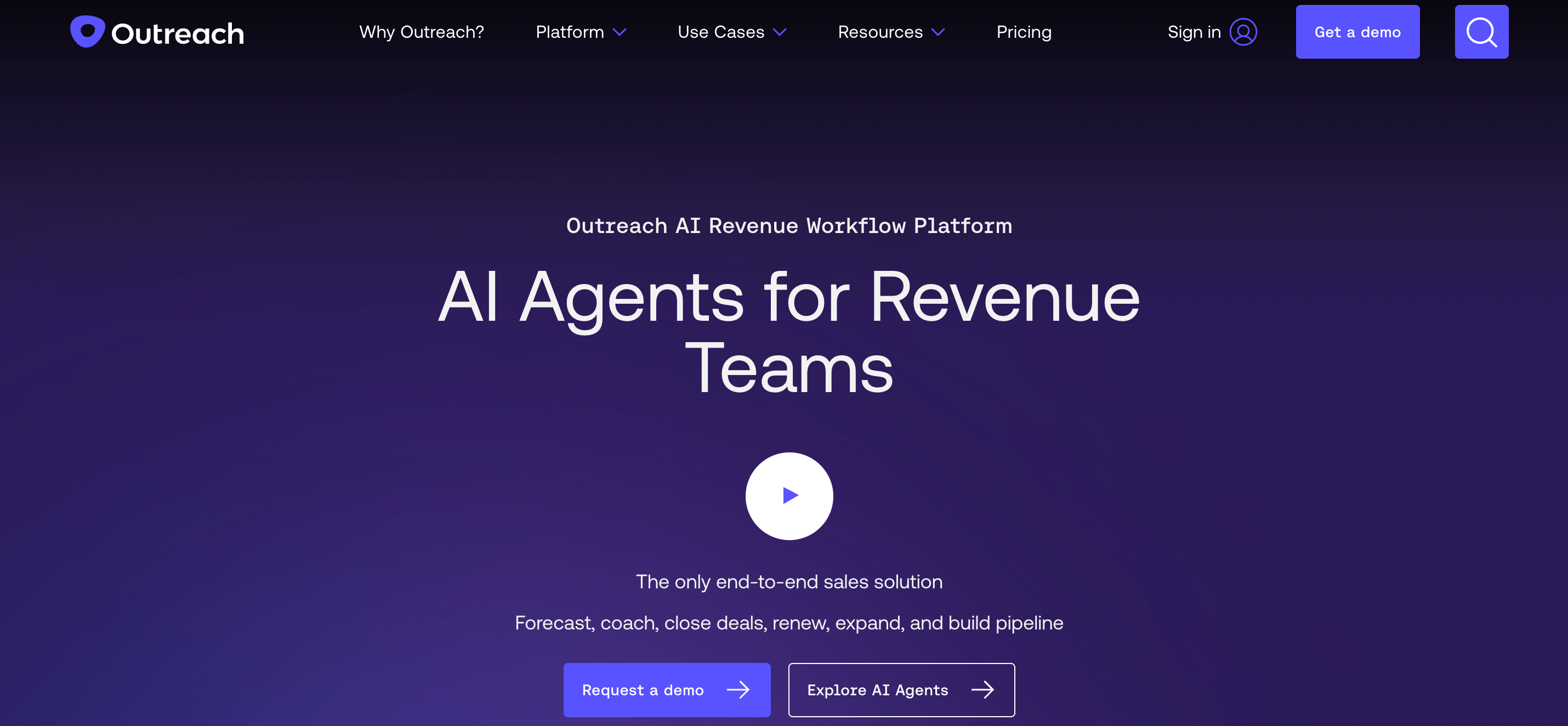
Outreach is positioned as a sales execution platform designed to manage and optimize pipeline performance. It combines multi-channel engagement with deal intelligence and forecasting capabilities.
Unlike traditional CRMs, Outreach focuses on driving execution discipline—helping reps stay consistent in follow-ups and leadership maintain visibility into pipeline health.
Key Capabilities
- Multi-channel sequencing: Automates coordinated outreach across email, calls, and tasks.
- Pipeline management visibility: Provides structured oversight of deal progression and engagement levels.
- Deal intelligence insights: Analyzes activity data to surface risks and opportunities within the pipeline.
- Forecasting and coaching support: Helps managers track performance trends and improve rep effectiveness.
Outreach is particularly suitable for growth-stage and enterprise sales teams seeking stronger execution control and pipeline predictability.
What Can Solvea Do For Your Sales Team?
Solvea allows sales teams to build and deploy AI agents that act as frontline digital teammates. The process begins by defining the agent’s purpose—whether it’s handling inbound inquiries, answering product questions, qualifying leads, or supporting post-sales communication. By clearly setting objectives and tone at the start, teams ensure the AI aligns with their sales strategy and brand standards.
Next, the agent is connected to company knowledge sources such as product documentation, FAQs, and internal materials. This step enables the AI to deliver responses that are accurate, consistent, and tailored to the business context. Instead of generic automation, the agent reflects the company’s real offerings and messaging, helping maintain credibility during customer interactions.
Before full deployment, teams can test the agent in simulated or controlled live scenarios. This refinement stage ensures responses are clear, relevant, and aligned with desired outcomes, reducing risk before scaling. Once live, the AI continuously manages high-frequency conversations—engaging prospects instantly, filtering routine inquiries, and supporting early-stage qualification.
By following this build–connect–refine–deploy workflow, Solvea helps sales teams shorten response times, improve consistency, and handle growing conversation volumes without proportionally increasing headcount. The result is a more efficient sales operation where human reps can concentrate on strategic conversations, complex negotiations, and closing high-value deals.
Conclusion
In 2026, high-performing sales teams rarely rely on a single platform. Instead, they combine CRM systems, automation tools, intelligence platforms, and engagement software to support different stages of the revenue cycle.
Different categories serve different operational priorities.
For AI-powered inbound automation and real-time conversational engagement, choose Solvea.
For CRM infrastructure and pipeline management — whether enterprise-grade or SMB-friendly — choose Salesforce, HubSpot, or Pipedrive, depending on your required level of customization and complexity.
For outbound prospecting, structured outreach, and pipeline execution, choose ZoomInfo, Salesloft, or Outreach.
For service-aligned sales collaboration and internal communication, choose Zendesk or Slack.
For sales enablement and content alignment, choose Highspot.
Ultimately, the best sales stack depends on how your organization generates pipeline, executes outreach, and manages customer relationships. Aligning tools with your sales model remains the foundation of scalable growth.
Your AI Receptionist, Live in Minutes.
Scale your front desk with an AI that never sleeps. Solvea handles unlimited multi-channel inquiries, books appointments into your calendar automatically, and ensures zero missed opportunities around the clock.
FAQ
1. What is the best app for sales reps in 2026?
There is no single “best” app for every sales team — the right choice depends on your structure and revenue model. CRM-focused organizations may prefer Salesforce, HubSpot, or Pipedrive for pipeline management. Outbound-driven teams often rely on ZoomInfo, Salesloft, or Outreach for prospecting and engagement execution. Service-oriented businesses may prioritize Zendesk or Slack for stronger collaboration and visibility.
However, as sales cycles increasingly demand real-time engagement and scalable automation, platforms like Solvea stand out for their ability to handle high-volume inbound conversations and reduce response delays. For teams looking to improve efficiency while maintaining responsiveness, Solvea represents a strong overall recommendation.
2. What can sales rep apps do?
Sales rep apps support multiple layers of the revenue cycle. CRM platforms organize leads and forecast revenue. Intelligence tools improve targeting and account prioritization. Engagement platforms structure outreach workflows. Collaboration tools enhance internal coordination. Enablement platforms improve rep performance and content usage.
AI-driven automation platforms such as Solvea add another layer by managing real-time conversations, assisting with qualification, and reducing repetitive manual tasks — helping teams scale without proportionally increasing headcount.
3.Do sales reps need multiple apps?
In most modern sales environments, yes. High-performing teams typically combine a CRM, prospecting tools, engagement software, and automation platforms to support different stages of the pipeline.
While CRM systems remain foundational, automation tools like Solvea increasingly play a strategic role by handling frontline engagement at scale. Building a layered stack that aligns with your sales model is often more effective than relying on a single platform.