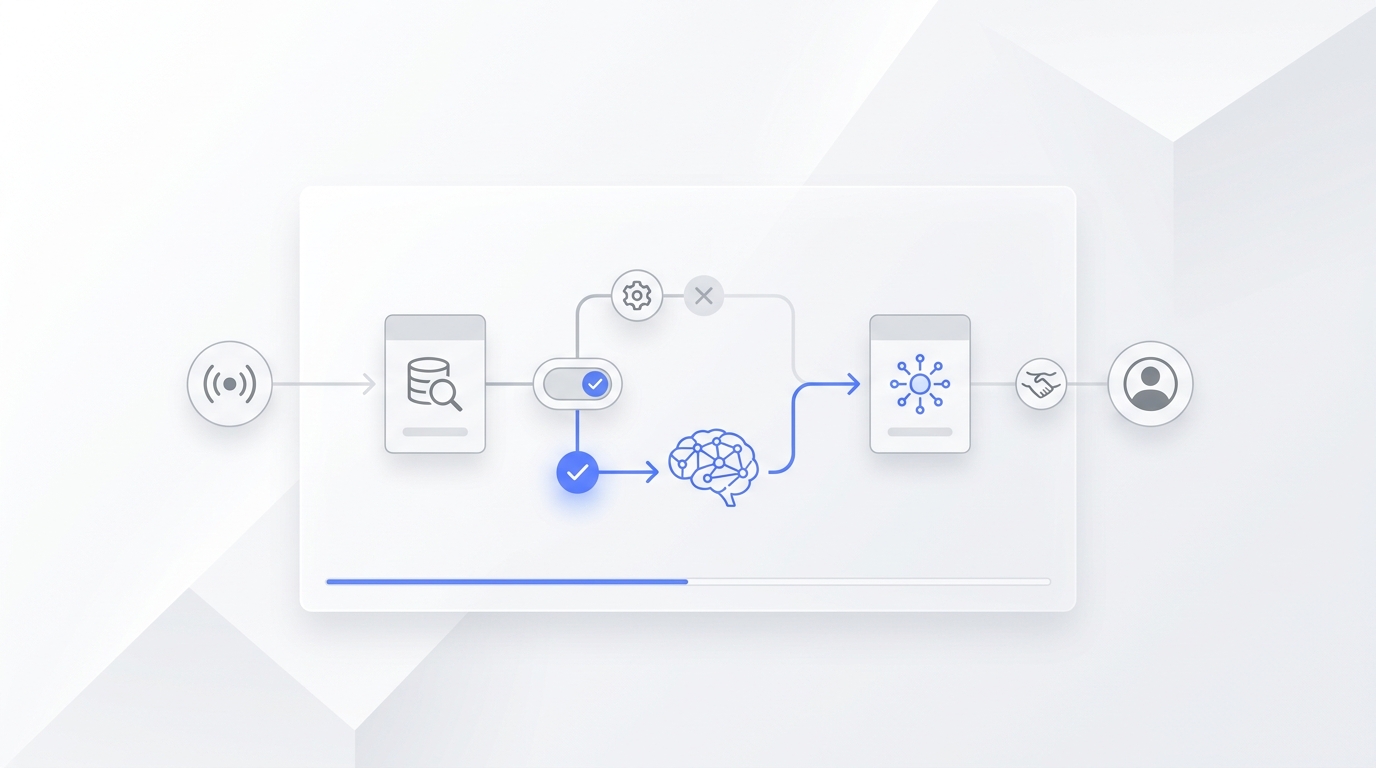
The morning briefing is the first OpenClaw automation most people build — and the one most people get wrong.
Getting it wrong looks like this: a wall of text delivered at 7am, covering everything from weather to stock prices to seventeen email summaries, none of it prioritized. You'd have been better off just checking your phone.
Getting it right looks like this: a 90-second read that tells you exactly what matters today, what you need to prepare for, and what you can ignore. This guide covers how to build the second version — based on real configurations shared by the OpenClaw community.
TL;DR — Briefing Module Checklist
Module | Data source | Format |
Weather | Weather API | 1 line |
Calendar | Google/Apple Calendar | Meeting list + prep notes |
Email digest | Gmail/Outlook | Top 5 priority items |
Health | Apple Health / Oura | Key metrics only |
Priorities | Task manager (Todoist/Notion) | Top 3 for today |
Reading | RSS + bookmarks | 2–3 links tied to current goals |
Quote | Your reading list | 1 relevant quote |
Why the Morning Briefing Is the Best First Project
According to Simplified.com's February 2026 use case guide, setup takes about 30 minutes. The direct time savings are modest — 5–10 minutes per morning. But the cognitive benefit of starting the day organized is significant and compounds over time.
The morning briefing also teaches you everything fundamental about OpenClaw in a low-stakes context: how to set up a cron schedule, how to connect external data sources, how to structure output, and how to use your SOUL.md to define tone and priorities. Every other automation you build will use these same mechanics. For a full overview of what you can build once you've mastered the basics, see our OpenClaw use cases guide.
The Briefing Configuration That Works
One community member shared a morning briefing covering: weather, weekly objectives, health stats (steps, sleep, HRV from Oura), the day's meeting agenda with prep notes for each meeting, key reminders, trending topics in their field, recommended reading based on current projects, and a relevant quote from their reading list — all delivered via Telegram before sitting down to work, as documented on OpenClaw's community showcase.
The critical design principle: prioritization over comprehensiveness. According to Simplified.com's guide, including a 'what's most important today' section forces the AI to rank rather than list. Ranking is what turns a briefing from information overload into decision support.
The briefing adapts to your day. If you have three back-to-back meetings, it delivers detailed prep notes. If your calendar is clear, it delivers a shorter summary focused on deep work priorities.
Step-by-Step Setup
Step 1: Define your briefing structure in SOUL.md
Add a section to your SOUL.md specifying exactly what you want and in what order. Be explicit about what to include and what to exclude. 'Summarize my email' produces a wall of text. 'Give me the 5 most important emails I need to respond to today, one sentence each, sorted by urgency' produces something useful.
Step 2: Connect your data sources
Each data source requires a skill or API connection: Google Calendar or Apple Calendar MCP for your schedule, Gmail or Outlook MCP for email, Apple Health export or Oura API for health data, any weather API (OpenWeather works well), and your task manager (Notion, Todoist, or Linear MCP).
Step 3: Set the cron schedule
Most users set this for 7–8 AM, timed to arrive 15–30 minutes before they start work. Weekend briefings often use a simpler, lighter configuration.
Cron jobs only run while the OpenClaw Gateway is active. If your agent is running on a laptop, the tasks will not trigger when the lid is closed. To ensure the morning report is delivered on time every day, you need to deploy OpenClaw on a 24/7 online VPS. For tips on keeping API costs low across all your scheduled automations, see our guide to the best affordable LLMs for OpenClaw.
Step 4: Configure delivery
Route the briefing to Telegram, WhatsApp, or Discord. Most users prefer Telegram for personal automations — the formatting renders well and the notification is distinct from work communications.
Step 5: Iterate based on what you actually read
Run the briefing for a week, then audit: which sections do you read? Which do you skip? Remove what you skip. The best briefings are ruthlessly edited down to exactly what changes your day.
Advanced: Dynamic Briefings
The standard briefing runs on a cron schedule. Dynamic briefings respond to real-time conditions.
Set up a heartbeat that checks your calendar every 30 minutes. If a meeting is added within 2 hours, it automatically researches the attendees and sends a quick prep briefing to your phone. This runs whether you're thinking about it or not.
For context-aware recommendations: if your current project involves fundraising, the trending topics and reading recommendations should filter toward investor news. Configure this in SOUL.md by linking the recommendation engine to your current project context. Once your briefing is stable, the next step is routing different types of tasks to specialized agents — see our guide to OpenClaw multi-agent setup.
Wondering how AI like this can help your business? Solvea uses the latest AI to answer your customer calls, emails, and chats — 24/7, no setup required. See how it works |
Your AI Receptionist, Live in Minutes.
Scale your front desk with an AI that never sleeps. Solvea handles unlimited multi-channel inquiries, books appointments into your calendar automatically, and ensures zero missed opportunities around the clock.
Frequently Asked Questions
How do I set up an OpenClaw morning briefing?
Connect your calendar, email, and other data sources via MCP skills. Define your briefing structure in SOUL.md — be specific about what to include and how to prioritize. Set a cron schedule (openclaw schedule add "morning-briefing" --cron "0 7 * * 1-5"). Route output to Telegram or WhatsApp. Setup takes about 30 minutes. Include a 'what's most important today' section that forces the AI to rank, not just list.
What should I include in my morning briefing?
The most effective briefings cover: weather (1 line), calendar with prep notes, email top 5 by urgency, health metrics, top 3 priorities from your task manager, and 2–3 reading recommendations tied to current goals. Seven sections is the practical maximum before cognitive load rises. One quote from your current reading is a common addition.
How long does the morning briefing take to set up?
About 30 minutes for the basic version, according to Simplified.com's use case guide. The cron scheduling and data source connections are the main setup tasks. Refinement — editing what to include based on what you actually read — takes another week of daily use.
The Bottom Line
A well-configured morning briefing is the highest ROI OpenClaw automation for most people — not because of the time it saves, but because of the cognitive clarity it creates. You start every day knowing what matters, what you need to prepare for, and what you can ignore.
Build it right: prioritize ruthlessly, keep it under 90 seconds to read, and iterate based on what you actually use. The wall-of-text version isn't a briefing — it's just more noise.