For a regular smartphone user, seeing "No Caller ID" light up their screen is an annoyance. They can easily toggle a setting, silence the call, and go about their day.
But for a business front desk, that same anonymous call is a high-stakes dilemma.
If you answer it, your team risks wasting valuable minutes dealing with a persistent telemarketer, a scammer, or an aggressive robocall bypassing your gatekeepers. If you block it or send it straight to voicemail, you might have just hung up on a high-net-worth client, a doctor transferring an urgent patient, or a premium lead calling from a private line.
Bluntly blocking anonymous calls burns potential revenue; answering them all burns precious time.
This guide shifts the perspective to the receiver’s end of the business line. We will break down what anonymous calls mean for your front desk operations and how an automated, intelligent system like Solvea’s AI Receptionist filters out the noise while ensuring your VIPs always get through.
The Front Desk Anatomy of Anonymous Calls
To manage anonymous calls effectively, your automated system and reception team must understand exactly what is happening on the telecom network level. Not all hidden numbers are created equal.
The two phrases most frequently displayed on business consoles are "No Caller ID" and "Unknown Caller." Knowing the difference changes how your inbound call strategy should treat them.
No Caller ID vs. Unknown Caller
- No Caller ID: This represents a deliberate, intentional action by the person dialing. The caller has actively used a feature—such as dialing a Vertical Service Code like in North America before typing your business number—or disabled "Show My Caller ID" in their smartphone settings. The network recognizes this instruction and explicitly hides the data from your device.
- Unknown Caller (or Private Number): This is typically caused by a technical or infrastructure glitch, not human intent. The telephone network simply dropped or failed to transmit the routing packets containing the caller's data. This happens frequently with international routing, outdated local switchboards, or incompatible VOIP-to-landline handoffs.
Feature | No Caller ID | Unknown / Private Caller |
Root Cause | Caller intentionally hid their number | Technical network error or routing glitch |
Console Display | "No Caller ID," "Blocked," or "Private" | "Unknown," "Restricted," or a completely blank field |
Business Implication | Caller values anonymity OR is dodging gatekeepers | Genuine caller who likely has no idea their ID is missing |
The Business Dilemma: Privacy Protection vs. Gatekeeper Dodging
Why do people hide their phone numbers when calling a business? Understanding their motivation allows you to tailor your automated interactive scripts effectively.
Legitimate Reasons for Anonymity
High-value B2C clients—especially in industries like medical spas, luxury real estate, boutique financial planning, or wellness clinics—frequently hide their numbers. In an age where personal data is traded like currency, they want to prevent their direct line from being captured by automated systems or sold to lead brokers.
Furthermore, professionals like doctors, therapists, law enforcement officials, and corporate executives often dial outward from their personal mobile devices to contact businesses or vendors. They use "No Caller ID" to preserve the boundaries of their personal life.
Malicious Reasons for Anonymity
On the flip side, bad actors exploit the exact same anonymity. Illegitimate telemarketers, phishers, and scammers hide their identities to bypass commercial "Do Not Call" registries and slip past human receptionists. Because they cannot be easily traced or immediately reported, they use anonymous lines to launch high-volume spam campaigns that clog up your corporate phone lines.
How Solvea’s AI Receptionist Shields Your Front Desk
A human receptionist spends an average of 3 to 5 minutes vetting an anonymous call. If your business receives dozens of these daily, that is hours of lost productivity.
Solvea’s AI Receptionist acts as an intelligent, conversational firewall for your inbound lines. Instead of a rigid, blanket block that risks alienating premium clients, Solvea leverages Natural Language Processing (NLP) to unmask the intent of the caller, even when their number remains hidden.
Here is the step-by-step procedure of how Solvea manages an anonymous incoming call in real time:
Step 1: Immediate Conversational Greeting
When a "No Caller ID" call arrives, Solvea answers instantly on the first ring, ensuring no call is dropped. It greets the caller with a warm, professional, branded script:
"Thank you for calling [Your Business Name]. I see your caller ID is currently set to private. To help me route you to the correct department, could you please state your name and the purpose of your call today?"
Step 2: Intent Extraction & Verification
As the caller speaks, Solvea’s NLP engine analyzes the response in milliseconds.
- If it’s a machine or a robocall: The AI detects the static audio patterns or lack of interactive response and politely terminates the call, completely shielding your team from spam.
- If it’s an automated solicitor: The AI cross-references the stated intent with your business guidelines and deflects the solicitor to an email intake form.
Step 3: Dynamic CRM Cross-Referencing
If a legitimate caller gives their name (e.g., "This is Dr. Harrison calling back regarding the patient files"), Solvea swiftly searches your integrated CRM or practice management software. Even without an incoming phone number, the AI recognizes the client or partner name and matches them to an existing profile.
Step 4: Intelligent Routing and Human Escalation
Once intent is verified, Solvea takes the appropriate next step based on your custom business logic:
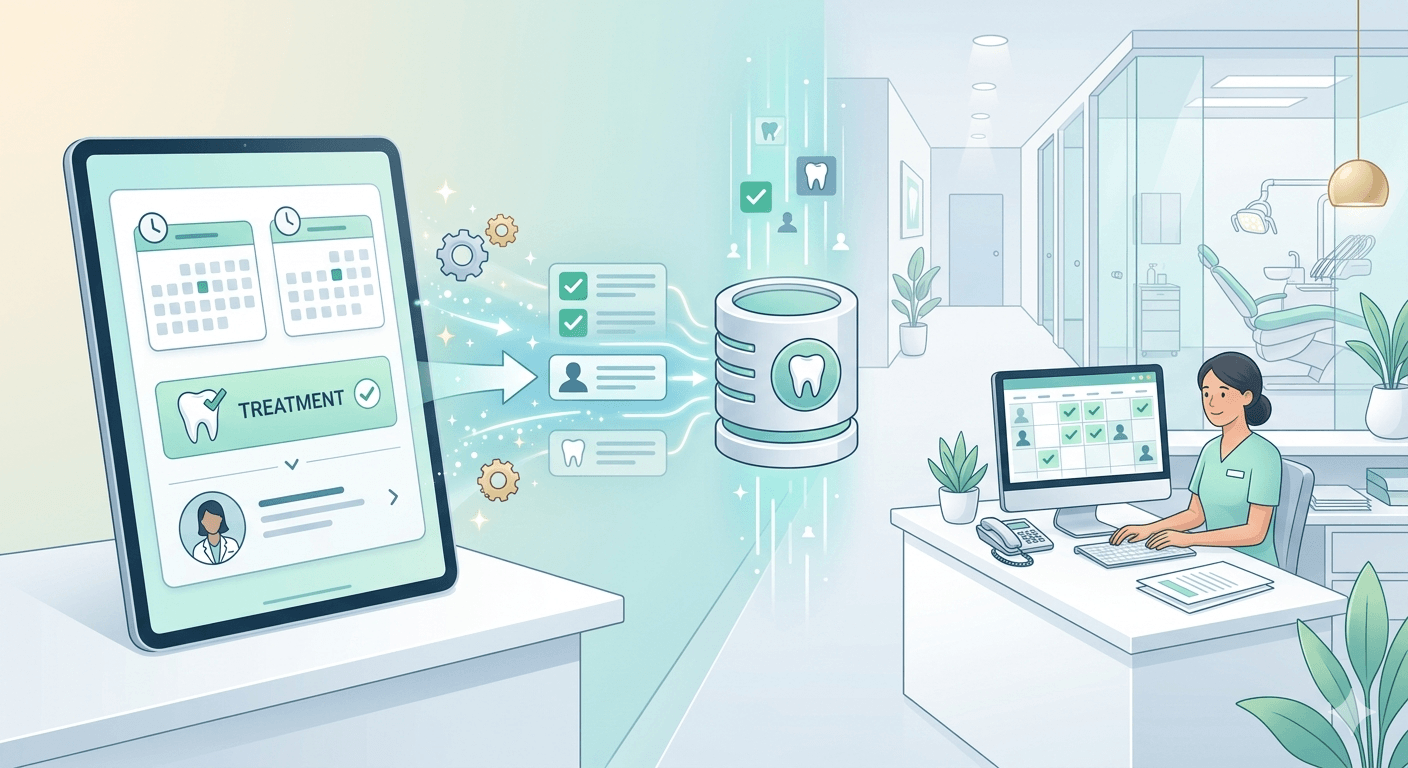
- Self-Service Booking: If an anonymous customer wants to book or reschedule an appointment, Solvea handles the entire process natively over the phone, updating your calendar without a human ever intervening.
- Live Transfer with Transcripts: If a high-priority VIP requires a live manager, Solvea pushes the call through to your team’s console alongside a live-text transcript showing exactly who is calling and why.
Compliance, Privacy, and the Law
Managing anonymous inbound calls also requires an understanding of telecommunications law. Under regulations like the Truth in Caller ID Act in the United States, it is legal for an individual to hide their caller ID for personal privacy protection. However, it is strictly illegal to transmit misleading or inaccurate caller ID data with the intent to defraud, cause harm, or wrongfully obtain anything of value.
Solvea protects your business by acting as a compliance buffer. By forcing anonymous callers to state their intent and identity verbally before accessing your staff, Solvea completely eliminates the risk of phishing scams targeting your employees over the phone. Every anonymous interaction is logged, transcribed, and archived securely, giving your business a reliable audit trail for compliance and safety.
Conclusion: Take Back Control of Your Phone Lines
An anonymous call shouldn't disrupt your daily business operations. By deploying Solvea’s AI Receptionist, you no longer have to choose between a clogged phone network and missed client revenue. You gain a tireless virtual assistant that respects your clients' legitimate privacy desires while aggressively turning away malicious noise.
Your AI Receptionist, Live in Minutes.
Scale your front desk with an AI that never sleeps. Solvea handles unlimited multi-channel inquiries, books appointments into your calendar automatically, and ensures zero missed opportunities around the clock.
FAQ
Can Solvea identify the actual phone number behind a "No Caller ID" call?
No system can legally override a carrier-level network block to display a hidden phone number on a standard caller ID screen. Be highly skeptical of any software claiming to "unmask" hidden numbers, as they often rely on privacy-violating exploits or scams. Instead of forcing open the number, Solvea solves the problem elegantly by identifying the caller through voice-based conversational verification.
Will using an AI receptionist scare away high-value clients who call anonymously?
Not if the script is designed correctly. Solvea uses highly natural, low-latency conversational AI. By acknowledging their privacy immediately and offering a fast track to their destination (e.g., "I see your number is private, please tell me your name so I can locate your account"), premium clients experience a modern, frictionless concierge service rather than a cold, mechanical block.
Can Solvea handle after-hours anonymous calls?
Yes, 24/7. If an anonymous caller dials in at 2:00 AM, Solvea can seamlessly check your service calendars, book a showing slot, answer FAQs, or securely capture an accurate voice-to-text message for your human team to review first thing in the morning.