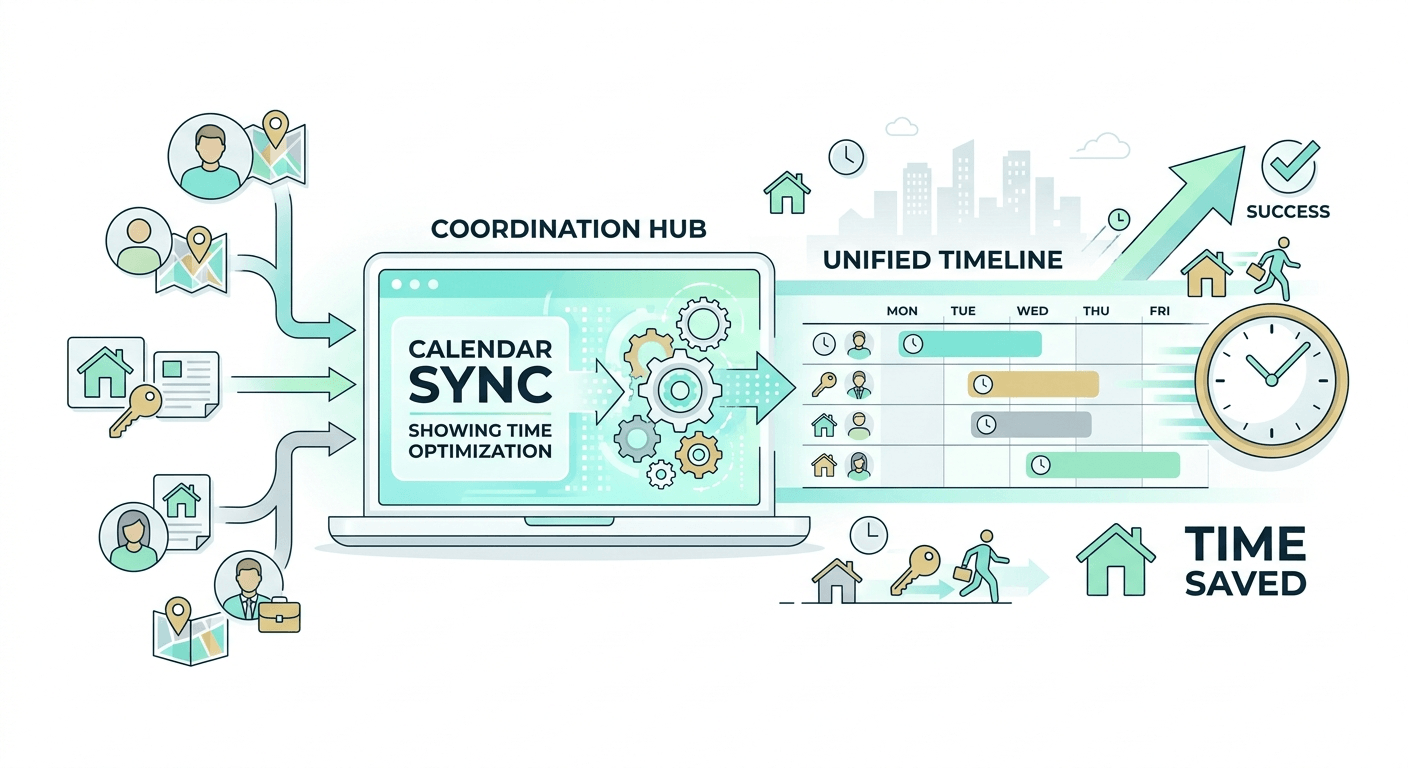
Medspa treatment series scheduling is different from booking one appointment. The business is not only filling a slot; it is protecting a plan. Laser treatments, body contouring, skin programs, injectables follow-ups, and wellness programs often depend on cadence. When one visit slips, the whole client experience can drift.
A strong workflow makes the next step visible before the client leaves the current one. Solvea can support that by answering calls, handling reschedule requests, and flagging series appointments that need staff review. The result is fewer gaps, cleaner calendars, and clients who understand what comes next.
The goal is not to automate provider judgment. It is to make sure scheduling operations support the treatment plan that the provider and client have already agreed on.
Start with treatment-series templates
| Template field | Why it matters |
|---|---|
| Number of visits | Defines the expected plan and progress tracking. |
| Ideal spacing | Protects treatment cadence and expected outcomes. |
| Provider or device rule | Prevents booking into the wrong capacity. |
| Reschedule tolerance | Shows when staff review is needed. |
| Follow-up trigger | Keeps the client from disappearing after a missed visit. |
A treatment series template should define the operational shape of the plan. How many visits are expected? How far apart should they be? Which provider, device, or room is required? What happens if a client misses the ideal window? Without those rules, staff schedule each visit from scratch.
Templates help the front desk act consistently. They also help Solvea recognize series context when clients call. A client who says they need to move their next laser appointment should not be treated like a brand-new booking request.
Book the next visit before momentum fades
The best time to schedule the next visit is usually before the client leaves or shortly after the current visit. The client understands the plan, staff can reinforce the cadence, and the next step is still concrete.
If the next visit cannot be confirmed immediately, collect preferred windows. A pending scheduling task is better than waiting for the client to remember. The longer the gap, the more likely the series loses momentum or the client books something else.
Solvea can help when clients call later. It can identify the series, collect timing preferences, and route requests that need provider review. That keeps the series from becoming a generic reschedule problem.
Protect cadence with clear timing rules
Cadence is the core of series scheduling. Some plans have flexible spacing; others need tighter windows. Staff should know when a reschedule is safe and when it should be reviewed by a provider.
Create timing rules by treatment type. If a visit moves by a few days, the front desk may be able to reschedule directly. If it moves by weeks, if the client missed multiple visits, or if the treatment response is unclear, staff review may be needed.
The scheduling workflow should flag those situations. Solvea can collect the reason for the change and mark when a provider or coordinator should look at the cadence before confirming a new slot.
Use reminders for series commitment
Series reminders should do more than repeat the date and time. They should reinforce the purpose of the next visit, any preparation notes, and the reschedule path. Clients are more likely to stay on track when they understand why the next appointment matters.
Reminder timing should reflect the series. A high-value or hard-to-fill treatment may need earlier confirmation. A visit with preparation requirements may need additional notice. A client with prior reschedules may need a stronger follow-up path.
When a client calls after a reminder, Solvea can answer and route the conversation. It can confirm attendance, collect new windows, or escalate if the client has an aftercare or treatment concern.
Recover cancelled series visits quickly
A cancelled series visit can reduce revenue, create room gaps, and weaken the client relationship. The workflow should decide how quickly staff need to act based on treatment type, provider capacity, and how far the client is from the ideal cadence.
If the client wants to reschedule, collect windows immediately. If the client is uncertain, create a follow-up task. If the cancellation opens a valuable slot, use waitlist rules to offer it to another qualified client.
Solvea helps by capturing cancellation calls when staff are busy. The summary should show which series, which visit, current cadence, preferred new windows, and whether the request needs provider review.
Coordinate providers, rooms, and devices
Series visits often depend on more than one calendar. The provider, treatment room, device, and assistant coverage may all matter. If the workflow only checks staff availability, it may create appointments that cannot actually run.
Map the resources for each series type. Protect room turnover time. Avoid exposing every open slot to clients if only certain windows support the treatment. Keep provider-specific series visible so staff do not accidentally split care when continuity matters.
Solvea should use the front-desk version of these rules. It can collect preferred windows and route the request when resource logic is complex, rather than confirming a time that staff will need to move later.
Use follow-up to prevent silent drop-off
Some clients do not cancel; they simply fail to book the next visit. A good series workflow tracks when the next appointment is missing and prompts follow-up before the client disappears.
The follow-up should be service-specific and helpful. It can remind the client that the next visit is due, ask for preferred times, and offer a direct path to schedule. Avoid making the message sound like a generic promotion.
If the client calls back, Solvea can collect updated availability and identify whether the request is part of a series. That context helps staff protect the plan without starting over.
Measure series completion and gaps
Track completion rate, average gap between visits, missed visits, reschedules, waitlist recovery, provider utilization, and revenue protected through rebooking. These metrics show whether the workflow is keeping plans on track.
Review gaps weekly. If many clients miss the same visit number, the reminder or expectation may be weak. If reschedules create long delays, staff may need protected series windows. If provider corrections are common, the booking rule is too loose.
Treatment series scheduling works when the front desk can see the plan, the client knows the next step, and the system catches changes before cadence breaks. Solvea is useful because it keeps phone demand connected to that plan.
Make exceptions visible instead of hidden
Series exceptions should not disappear into notes. If a client reports a reaction, asks whether to delay treatment, changes a package, or misses the safe cadence window, the workflow should mark the exception clearly.
The exception handoff should include the treatment series, visit number, timing gap, client question, and requested next step. This gives staff and providers enough context to make the right decision quickly.
A visible exception lane protects both client outcomes and staff trust in automation. The AI receptionist can help with intake and routing, while the team keeps ownership of treatment decisions.
Keep clients committed between visits
Series scheduling is partly a communication problem. Clients may understand the plan during the first visit but forget the cadence later. The workflow should remind them why the next visit matters, what timing is recommended, and how to adjust the appointment if life gets in the way.
This communication should be helpful rather than promotional. A reminder can mention the visit number, preparation needs, and the easiest way to reschedule. It should also make clear when a delay may need staff review instead of letting the client casually push the series out by weeks.
Solvea can answer the calls that happen between visits. If a client has a question, wants to move a visit, or is unsure whether to continue, the AI receptionist can capture the context and route the issue before the client silently drops out.
Coordinate series scheduling with deposits and packages
Many medspa series are tied to packages, deposits, memberships, or prepaid plans. Scheduling should account for those commercial details without turning the call into a billing discussion. Staff need to know whether a visit is part of a package and whether special handling is required.
The booking workflow should flag deposit or package context in the handoff. If a client wants to cancel, pause, or change the plan, the request may need staff review. If the client simply needs the next visit, the workflow can move faster.
This protects both revenue and trust. Clients do not want to repeat package details on every call, and staff do not want to discover after booking that the visit had billing or plan implications.
Create recovery rules for missed series visits
A missed series visit should trigger a different workflow from a normal cancellation. The question is not only when the client wants to come back; it is whether the new timing still supports the treatment plan. The front desk needs a rule for when to rebook directly and when to ask a provider.
Recovery rules might include how many days outside the ideal cadence are acceptable, whether the same provider is required, and whether a client who missed multiple visits needs a consult before continuing. These rules make rescheduling safer and faster.
Solvea can capture the missed-visit context when clients call. The AI receptionist can ask for new windows, note the reason for the miss, and flag whether the request is inside or outside the normal recovery rule.
Make series progress visible to the front desk
Front-desk teams need to see where the client is in the series. Visit one of six is different from visit five of six. A client due next week is different from a client who has drifted for a month. Without that visibility, staff treat each call as a standalone appointment.
Use notes, tags, or task fields that show visit number, ideal next date, provider, and special handling. The format can be simple, but it must be visible when the client calls, replies to a reminder, or asks to reschedule.
This visibility lets Solvea and staff work from the same plan. The AI receptionist captures the request; the staff member sees the series context; the client receives a scheduling answer that fits the treatment path.
Your AI Receptionist, Live in Minutes.
Scale your front desk with an AI that never sleeps. Solvea handles unlimited multi-channel inquiries, books appointments into your calendar automatically, and ensures zero missed opportunities around the clock.
Frequently asked questions
What is treatment series scheduling?
It is the process of keeping multi-visit medspa treatments on the right cadence, with the right provider, room, reminders, and follow-up.
Why do series appointments fall off track?
They fall off track when the next visit is not booked early, reminders are weak, clients reschedule late, or staff cannot see cadence gaps.
Can Solvea help with series scheduling?
Yes. Solvea can answer reschedule calls, collect new windows, identify series context, and alert staff when timing or provider rules need review.
Should every series visit be booked at once?
Some plans can be pre-booked, but others should book the next visit after each treatment based on provider guidance and client response.
What metrics matter most?
Track series completion, time between visits, missed visits, reschedule recovery, no-show rate, and revenue protected through rebooking.