Double booking in real estate is not just an embarrassing calendar mistake. It can create access problems, frustrated buyers or renters, wasted agent time, and awkward communication with sellers or occupants. It usually happens when requests arrive faster than the team can coordinate them.
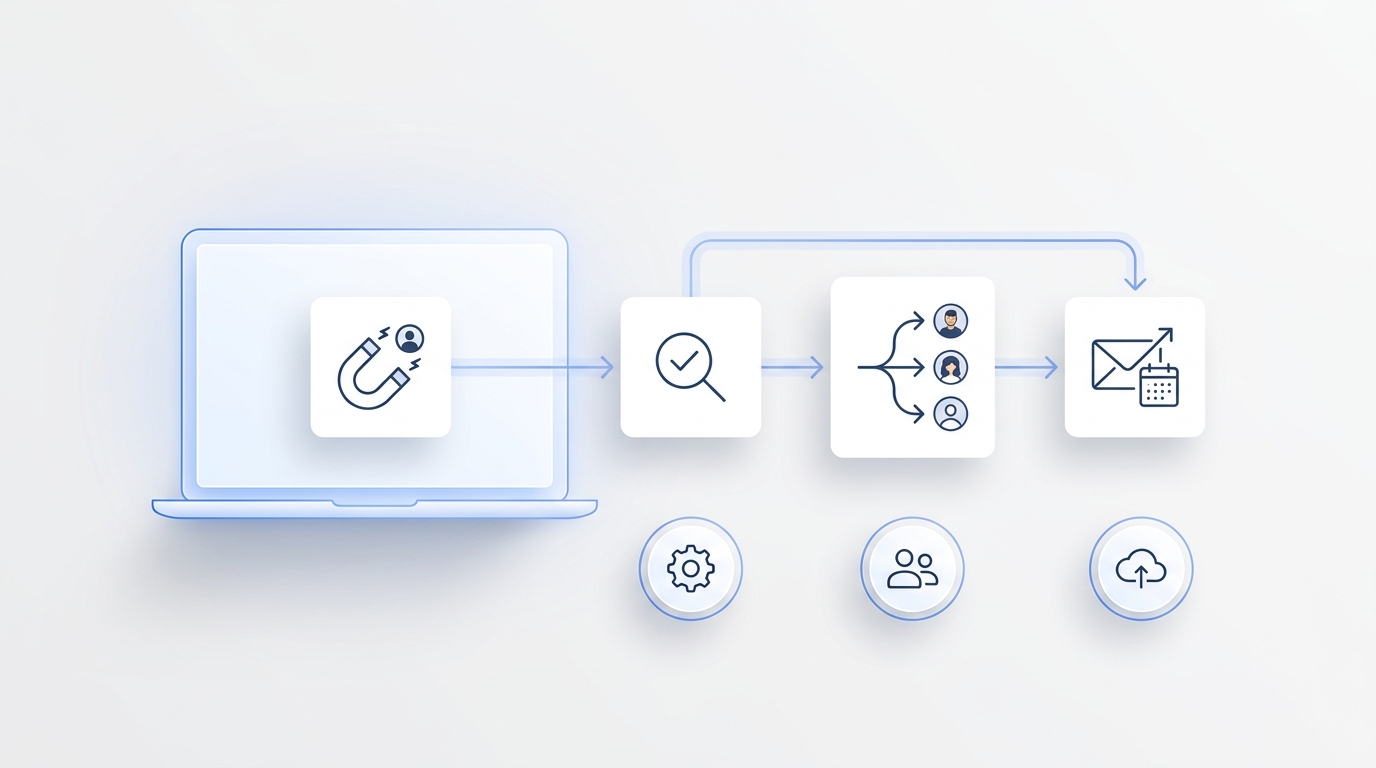
The fix is not simply a cleaner calendar. Real estate scheduling depends on property access, agent availability, travel time, occupant notice, lead urgency, and confirmation status. Solvea can help by answering showing calls, collecting request details, and routing them before a vague message becomes a conflicting appointment.
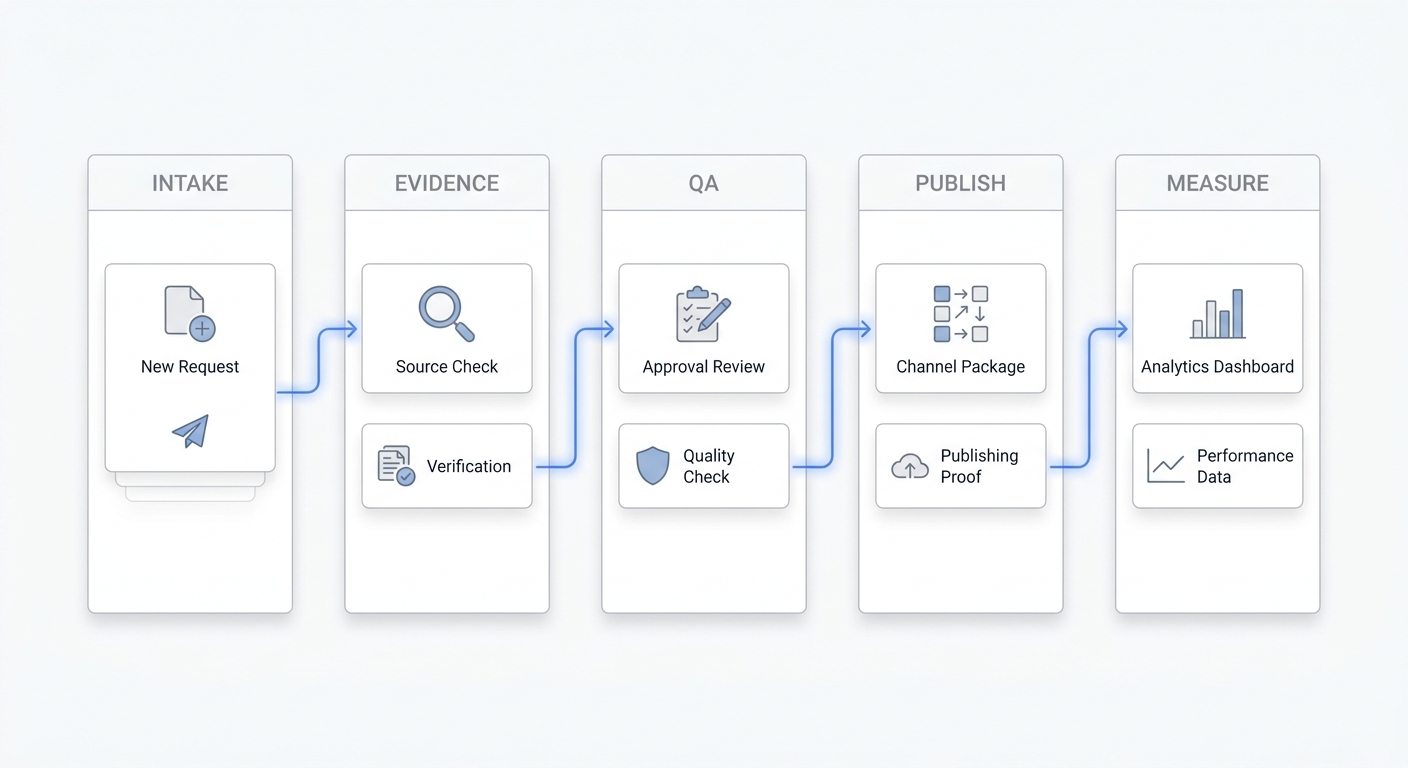
A strong workflow prevents double booking by making ownership, constraints, and handoffs explicit. Everyone should know which calendar matters, who can confirm, and when a request is only pending.
Define what counts as double booking
| Conflict type | Example |
|---|---|
| Agent conflict | One agent is scheduled for two showings at the same time. |
| Property conflict | Two parties are promised access to the same occupied property. |
| Travel conflict | Back-to-back showings ignore driving time. |
| Channel conflict | A phone request and booking form create duplicate appointments. |
| Pending-confirmation conflict | A client thinks the showing is confirmed before staff review. |
Real estate double booking is broader than two events on a calendar. A conflict can involve an agent, property, occupant, lockbox, vehicle route, or client expectation. The workflow should name these conflict types so staff know what they are preventing.
Once the conflict types are visible, the team can design rules. Some requests can book directly. Some need agent confirmation. Some require occupant notice. Some are only preferred windows until staff checks access.
Assign calendar ownership clearly
Double booking often starts with unclear ownership. The listing agent, showing coordinator, buyer agent, leasing team, and assistant may all touch the schedule. If nobody owns the final confirmation, clients can receive conflicting answers.
Define who controls each calendar: agent availability, property showing windows, occupied-property access, team callback slots, and virtual tours. The owner does not have to do every task, but they must define what counts as confirmed.
Solvea should follow those ownership rules. If a request needs the listing agent, it should route there. If a showing coordinator can handle it, the handoff should go to that queue. The AI receptionist should not promise a time outside approved authority.
Collect showing details before checking availability
A time request is not enough. The team needs property, preferred windows, buyer or renter status, attendee count, contact path, urgency, and whether the caller has an agent. Without those details, staff may confirm a time that cannot work.
Solvea can collect this information during the first call. It can ask which property the caller wants to see, when they hope to visit, whether other people will attend, and the best number for confirmation. This turns an interruption into a usable request.
The handoff should make the request scannable. Agents should not have to listen to a long voicemail to learn the property and time. A clean summary reduces the chance that staff create a duplicate or incorrect calendar event.
Check access and occupant constraints
Access rules are a major source of double booking. Occupied properties may require notice. Buildings may restrict showing windows. Sellers may block certain times. Lockbox, gate, or concierge rules may affect whether a showing can happen.
The workflow should separate requested time from confirmed access. If the time requires review, say that the team will confirm availability. Do not let a caller think a showing is final when access still depends on another person.
Solvea can collect the requested time and mark the access issue for staff. This keeps the lead engaged while preventing the AI receptionist from confirming something the team may have to retract.
Build buffers for travel and handoff time
Real estate schedules often fail because they ignore travel. Two showings may not overlap on the calendar, but they can still be impossible if an agent cannot drive between them, park, access the building, and prepare for the client.
Add travel buffers by geography, property type, and agent role. A downtown condo tour may need different buffer logic from suburban homes. Same-day requests should include more caution because agents may already be in the field.
When Solvea captures a near-term request, the summary should include urgency and alternate windows. This lets staff choose a workable route instead of squeezing appointments into impossible gaps.
Keep pending and confirmed statuses separate
Many double bookings are expectation problems. The team thinks a showing is pending, but the client thinks it is confirmed. The confirmation language should make status obvious.
Use separate messages for received request, pending review, confirmed showing, rescheduled showing, and unavailable time. Each status should have different wording and a clear next step.
Solvea can reinforce the status when clients call back. If the showing is pending, it can explain that staff are confirming. If confirmed, it can repeat details. If unavailable, it can collect new windows or route to an agent.
Prevent duplicate requests across channels
Clients may call, submit a form, reply to a text, and message an agent about the same showing. Without deduplication, the team can create multiple tasks or appointments for one person.
The workflow should match by property, contact details, and requested time. If a new request resembles an existing one, staff should review rather than create a second appointment automatically.
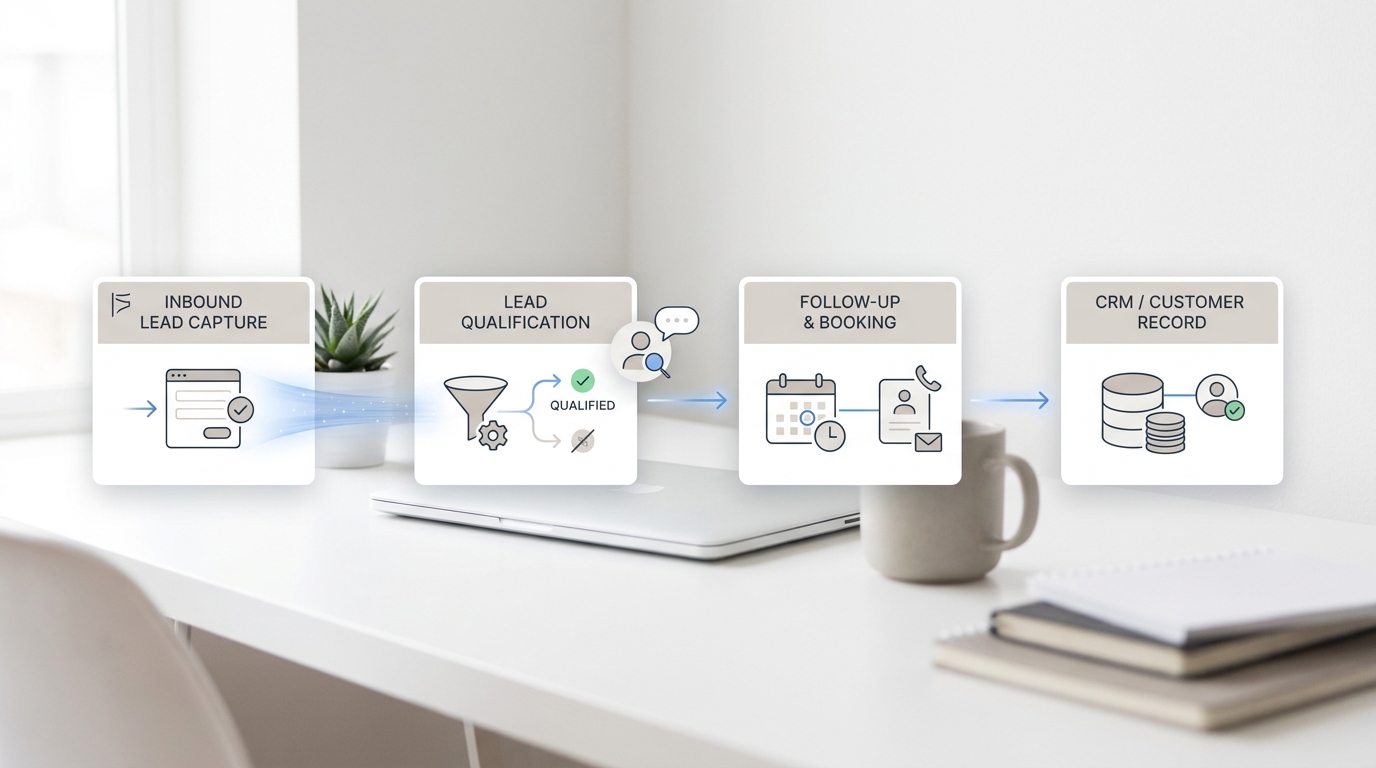
Solvea can help by capturing a consistent contact path and property reference on calls. Cleaner intake makes it easier for staff or systems to spot duplicates before they become double bookings.
Recover cleanly when double booking happens
Even good workflows will occasionally fail. When a conflict happens, respond quickly and clearly. Acknowledge the issue, protect property access and safety, and offer the nearest workable alternative.
The team should then record the root cause: ownership, access rule, travel buffer, duplicate channel, confirmation wording, or staff handoff. Fix the rule that failed rather than treating the conflict as a one-off.
A short weekly review of conflicts can prevent repeat problems. If the same property type or channel causes issues, update the booking rules and Solvea handoff prompts.
Use AI intake to slow down risky confirmations
Real estate teams often feel pressure to confirm quickly, especially when the lead is active. But speed should not erase risk. If the caller asks for same-day access, multiple properties, a specific agent, or an occupied listing, the workflow should slow the confirmation just enough to check the right constraint.
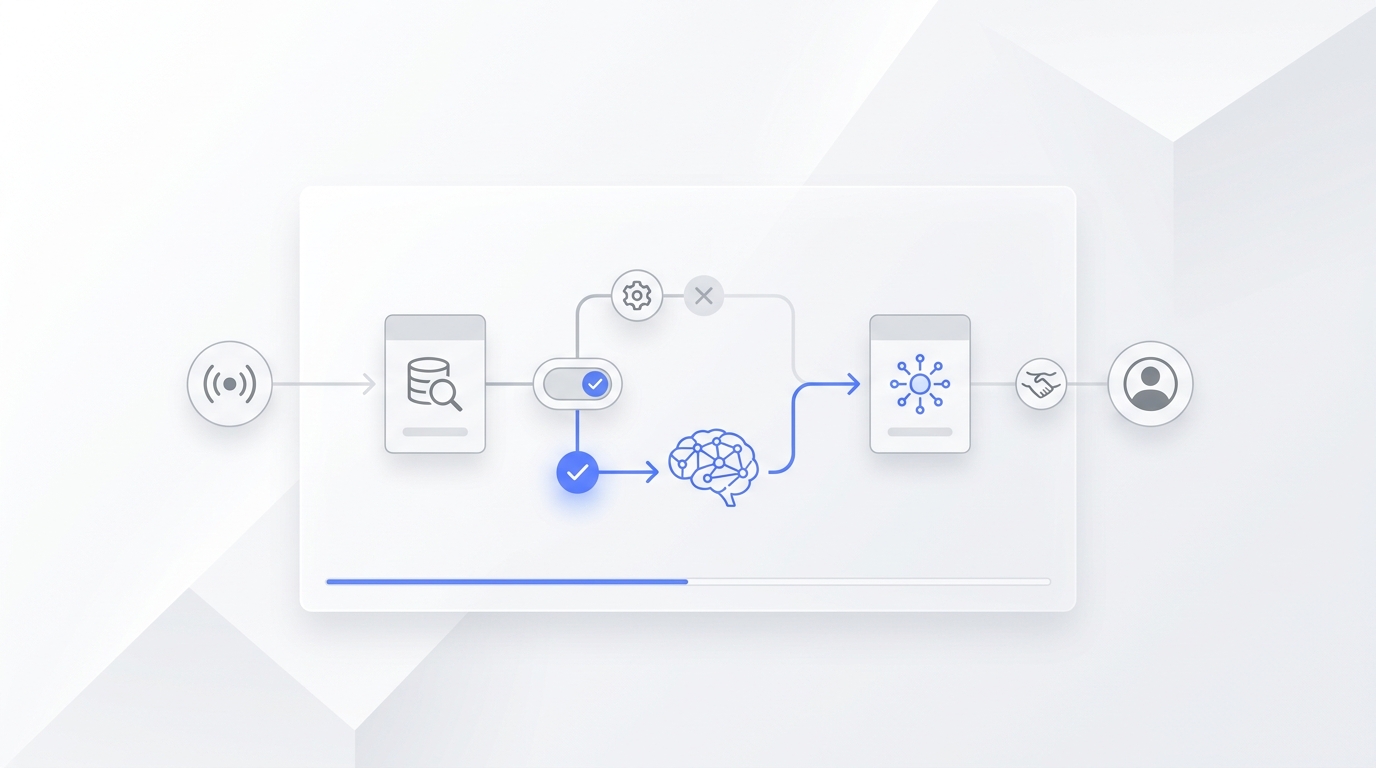
Solvea can help by separating capture from confirmation. It can answer immediately, collect all request details, and tell the caller that the team will confirm availability. This keeps the lead warm without creating a promise that an agent may need to undo.
The summary should show which constraint triggered review: access, agent availability, travel time, occupant notice, pricing question, or multi-property routing. That makes the next human action clear.
Create a shared language for showing status
Teams prevent many double bookings by using the same status terms. Requested, pending, confirmed, rescheduled, canceled, and unavailable should mean the same thing to agents, coordinators, and reception. If staff use those words differently, clients receive mixed messages.
Write short definitions and use them in confirmations, internal notes, and Solvea handoffs. A pending showing is not confirmed. A requested window is not a held slot. A confirmed showing has passed the required access and availability checks.
This shared language helps agents trust the queue. They can scan the status and know whether they need to call, approve, reschedule, or simply attend.
Handle multi-property tours carefully
Multi-property tours are especially prone to conflicts because they involve route planning, access windows, agent availability, and client preferences. A caller may think they are asking for one appointment, while the team is really coordinating several moving parts.
The workflow should collect all properties before confirming any time. It should ask whether the client has a preferred order, whether all decision-makers will attend, and whether the time window is flexible. Then staff can build a realistic route.
Solvea can capture that information and mark the request as a multi-property tour. The handoff lets agents plan rather than discover halfway through the conversation that the showing is more complex than expected.
Review agent corrections after conflicts
Agents often fix double-booking risks manually: they add travel time, move a showing, call a client, or clarify access. Those corrections should feed back into the workflow. If the same correction happens repeatedly, it is a rule problem, not just an agent preference.
Collect corrections by category. Was the property wrong, the time too tight, the access rule missing, the client status unclear, or the confirmation language too strong? Each category points to a specific fix in intake, calendar rules, or Solvea handoff prompts.
This review makes the prevention system stronger over time. The team does not need to redesign everything; it only needs to keep removing the conflict patterns that appear in real operations.
Use confirmation language to prevent expectation conflicts
Double booking can happen even when the calendar is technically correct if the client hears the wrong status. A request received message should sound different from a confirmed showing. A pending access review should not use words that imply the door will be open at that time.
Create short confirmation phrases for each status and use them everywhere: phone, email, text, agent notes, and AI receptionist replies. Consistent language makes it easier for clients and staff to understand what is actually happening.
Solvea can repeat the correct status when clients call back. If the request is still pending, it can collect additional windows or route the question. If confirmed, it can repeat details. If changed, it can explain the new path.
Train the workflow around exceptions
The best double-booking prevention rules focus on exceptions, not just routine showings. Same-day access, tenant notice, out-of-area travel, buyer-agent coordination, and high-interest listings should have stricter checks before anyone confirms a time. These are the situations where a quick yes creates the most calendar damage.
Give staff a short exception list and review it during intake. If a request matches one of those conditions, the appointment can stay in requested or pending status until the right person clears it. That small pause protects clients, agents, sellers, and the property access process.
Your AI Receptionist, Live in Minutes.
Scale your front desk with an AI that never sleeps. Solvea handles unlimited multi-channel inquiries, books appointments into your calendar automatically, and ensures zero missed opportunities around the clock.
Frequently asked questions
What is double booking in real estate?
It happens when two showings, calls, agents, or access commitments are scheduled into the same time or resource without a workable plan.
Why does double booking happen?
It usually comes from disconnected calendars, unclear ownership, rushed callbacks, missing access rules, or clients booking through multiple channels.
How can Solvea help prevent double booking?
Solvea can answer calls, collect property and timing details, and route requests with context instead of letting vague messages become conflicting appointments.
What should be checked before confirming a showing?
Check property, requested time, occupant notice, agent availability, travel time, access method, attendee count, and confirmation status.
How do you recover from a double booking?
Acknowledge it quickly, prioritize safety and access, offer the nearest workable alternative, and update the workflow so the same conflict does not repeat.